Volleyball Players Wear Basketball Shoes? Proven!

Yes, volleyball players can wear basketball shoes, but it’s often not ideal. While basketball shoes offer good ankle support and cushioning, their tread patterns and sole design are optimized for lateral movements on hardwood, which can hinder the quick, multi-directional pivots crucial for volleyball. Specialized volleyball shoes provide better grip for court-specific movements and lighter weight for explosive jumps.
Ever found yourself staring at your basketball shoes, wondering if they’ll do the trick on the volleyball court? It’s a common question, especially for players just starting out or those looking for a more budget-friendly gear option. You see them on court, so why wouldn’t they work? Well, the truth is, while they can get you through a game, they might not be giving you the best performance or protection. Let’s dive into why this is and what you can do to make the best choice for your game.
Why the Shoe Question Matters for Volleyball Players
Volleyball is a game of explosive movements. Think quick sprints, sharp cuts, powerful jumps, and soft landings. Every step, every jump, and every pivot relies heavily on the shoes you wear. The right footwear can be the difference between a game-winning spike and an awkward slip, or a comfortable match and sore feet. Understanding the nuances of volleyball-specific shoes, and how they differ from other court sports shoes like basketball, is key to playing your best and staying injury-free.
Basketball Shoes vs. Volleyball Shoes: A Deep Dive
It’s easy to assume that shoes designed for one indoor court sport will work for another. Both basketball and volleyball involve a lot of jumping and quick movements. However, the types of movements are quite different, and this is where the shoe design comes into play.
Key Differences in Design and Function
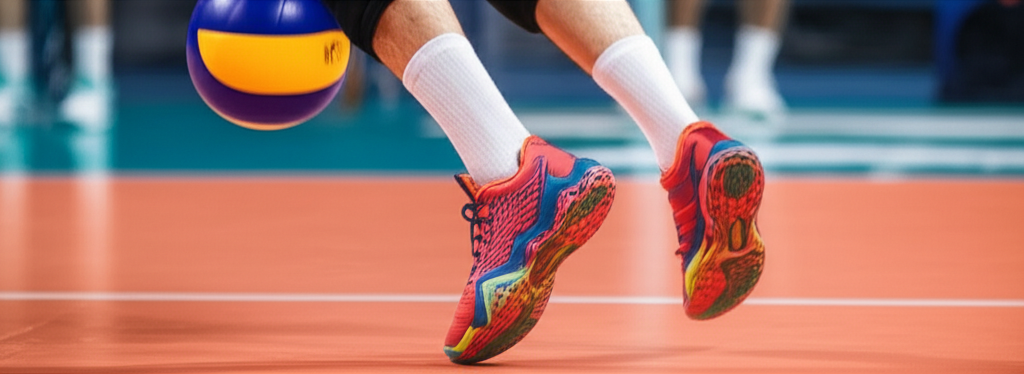
Let’s break down what makes each type of shoe unique and why those differences matter on the court.
- Traction: This is arguably the biggest differentiator. Basketball shoes typically have a herringbone or circular tread pattern designed for grip on a basketball court, which often involves more straight-line and lateral movements. Volleyball shoes, on the other hand, feature specialized gum rubber soles with patterns engineered for the specific demands of a volleyball court. These patterns provide superior grip during rapid changes in direction, quick stops, and explosive push-offs, which are essential for attacking, blocking, and digging.
- Cushioning: Both sports require cushioning to absorb impact from jumping. Basketball shoes often have more robust cushioning systems, especially in the heel, to handle the constant pounding of running and jumping on a basketball court. While volleyball players also jump, the emphasis is often on a more responsive feel for quicker movements and better court feel. Too much cushioning can sometimes make a shoe feel “mushy” and less agile for volleyball.
- Ankle Support: Basketball players often wear high-top shoes for enhanced ankle stability, as they frequently land awkwardly or twist their ankles during play. Volleyball players also benefit from ankle support, particularly during jumps and landings. However, the type of support needed can differ. Volleyball shoes often provide a snug, supportive fit without the bulk, allowing for greater flexibility and range of motion in the ankle.
- Weight and Flexibility: Volleyball is a sport that rewards agility and quickness. Lighter shoes can contribute to higher jumps and faster movements. Basketball shoes, with their often more substantial construction and cushioning, can feel heavier and less flexible, potentially hindering the quick footwork required in volleyball.
- Sole Construction: The sole of a basketball shoe is generally thicker and designed for durability and impact absorption across a wider range of motion. Volleyball shoes often have thinner, more flexible soles that offer better ground contact and a more direct feel for the court, which is crucial for precise movements and stability.
Why Basketball Shoes Might Not Be Ideal for Volleyball
Given these differences, wearing basketball shoes for volleyball can lead to:
- Reduced Traction: The tread pattern might not grip the volleyball court surface as effectively, leading to slips and slides during quick lateral movements or pivots. This can increase the risk of ankle injuries.
- Slower Movement: The extra cushioning and weight can make players feel less agile and responsive, potentially slowing down their reaction time and ability to cover the court.
- Less Court Feel: The thicker soles can reduce a player’s connection to the court, making it harder to feel the surface and adjust their footing precisely.
- Over-Cushioning: While cushioning is good, excessive cushioning can sometimes lead to instability during sharp cuts and landings, as the foot may sink too much into the sole.
When Can Basketball Shoes Be Used for Volleyball?
While not ideal, there are situations where basketball shoes might be a temporary or casual solution:
- Recreational Play: If you’re playing casually with friends in a park or a low-stakes environment, and don’t have access to volleyball-specific shoes, basketball shoes can suffice.
- Beginner/Learning Phase: When you’re just starting out and not yet committed to specialized gear, basketball shoes can help you get on the court.
- Limited Budget: For those on a tight budget, a pair of basketball shoes you already own is better than no shoes. However, saving up for proper volleyball shoes is highly recommended for regular play.
- Specific Court Surfaces: Some indoor court surfaces might offer more grip than others. If the court you’re playing on has a particularly sticky surface, the reduced grip of basketball shoes might be less of an issue.
The Benefits of Wearing Dedicated Volleyball Shoes
For serious players or those looking to improve their performance and safety, investing in volleyball-specific shoes is a game-changer. Here’s why:
- Superior Grip: The gum rubber soles are designed to stick to indoor court surfaces, allowing for explosive jumps, quick stops, and agile pivots without slipping. This is crucial for preventing injuries and maximizing performance.
- Enhanced Agility: Volleyball shoes are typically lighter and more flexible, providing a more natural feel for the foot and allowing for faster movements and quicker reactions.
- Responsive Cushioning: While they offer cushioning, it’s often tuned for the specific impacts of volleyball – the quick, vertical jumps and controlled landings. This provides impact protection without sacrificing court feel or responsiveness.
- Optimized for Multi-Directional Movement: The sole patterns and shoe construction are engineered to support the rapid changes in direction and explosive lateral movements that are characteristic of volleyball.
- Improved Court Feel: Thinner, more flexible soles allow players to feel the court better, leading to more precise footwork and better balance.
What to Look for in Volleyball Shoes
When you’re ready to make the switch, consider these factors:
- Grip: Look for gum rubber soles with specific traction patterns designed for indoor courts.
- Cushioning: Find a balance between shock absorption and responsiveness. You want to feel protected but also able to move quickly.
- Fit: Volleyball shoes should fit snugly, like a second skin, without being too tight. Ensure there’s no excessive pressure on your toes or heels.
- Weight: Lighter shoes will generally aid in jumping higher and moving faster.
- Ankle Support: While many volleyball shoes are low-cut, some offer mid-cut options for those who prefer extra ankle support. The key is a secure and supportive fit.
- Breathability: Look for shoes with mesh uppers to keep your feet cool and dry during intense matches.
Popular Volleyball Shoe Brands and Models
Many reputable brands offer excellent volleyball shoes. Here are a few popular choices often recommended for their performance and durability:
| Brand | Key Features | Ideal For |
|---|---|---|
| ASICS | Excellent cushioning, superior grip, durable construction, good ankle support options. | All positions, especially hitters and blockers who need to jump high. |
| Mizuno | Lightweight, responsive cushioning, exceptional court feel, innovative sole designs for agility. | Liberos, setters, and players prioritizing speed and quick movements. |
| Nike | Stylish designs, good cushioning, often feature advanced technologies for responsiveness and support. | Players looking for a blend of performance and aesthetics. |
| Adidas | Comfortable fit, good grip, often incorporate Boost or Bounce cushioning for energy return. | All-around players who value comfort and energy return. |
Note: Specific models within these brands change frequently. It’s always best to check recent reviews and try shoes on for fit.
Transitioning Your Footwork
If you’re used to basketball shoes, transitioning to volleyball shoes might feel a bit different at first. You might notice the increased grip and the more direct court feel. Embrace these changes!
Here are some quick tips:
- Practice your pivots: Get a feel for how much more grip you have. Practice quick stops and changes of direction.
- Focus on your approach: The lighter, more responsive shoes can help you feel your take-off more, potentially improving your vertical jump.
- Listen to your feet: Pay attention to how your feet feel. You might need a short adjustment period.
Common Mistakes to Avoid When Choosing Shoes
Don’t let shoe choice hold you back! Here are common pitfalls to steer clear of:
- Assuming all court shoes are the same: As we’ve discussed, basketball, tennis, and volleyball shoes have distinct designs for a reason.
- Prioritizing fashion over function: While cool-looking shoes are nice, performance and injury prevention should be the top priorities.
- Wearing worn-out shoes: Old shoes lose their cushioning and grip, increasing your risk of injury. Replace them regularly.
- Not trying them on: Fit is paramount. What works for one person might not work for you. Always try shoes on before buying, if possible.
- Buying the cheapest option without research: While budget is a factor, understand that quality volleyball shoes are an investment in your performance and health.
Are Basketball Shoes Bad for Volleyball?
No, basketball shoes are not inherently “bad” for volleyball. They are simply not optimized for it. They can be used in a pinch, especially for casual play. However, for competitive play, training, or if you’re serious about improving your game and reducing injury risk, specialized volleyball shoes are a much better choice.
The primary concerns are reduced traction leading to slips and a less responsive feel that can hinder agility and jumping ability. The extra cushioning, while good for basketball’s constant pounding, can sometimes lead to instability in volleyball’s sharp, multi-directional movements.
FAQ: Your Volleyball Shoe Questions Answered
1. What’s the biggest difference between volleyball shoes and basketball shoes?
The biggest difference lies in the sole’s traction pattern and material. Volleyball shoes typically use gum rubber with specific patterns for maximum grip on indoor courts, enabling quick pivots and stops. Basketball shoes have tread designed for more linear and lateral movements, which might not offer the same responsiveness for volleyball’s unique footwork.
2. Can I wear my old basketball shoes for a volleyball game?
Yes, you can wear old basketball shoes for a casual or recreational volleyball game if you don’t have specialized volleyball shoes. However, be aware that they might not provide optimal grip or support, potentially increasing the risk of slips or injuries. For regular play, it’s highly recommended to switch to volleyball-specific footwear.
3. How do I know if my shoes are providing enough grip for volleyball?
You’ll notice if your shoes lack grip if you tend to slip during quick movements, jumps, or landings. If your feet slide more than you’d like when you try to stop or change direction, your current shoes might not be offering sufficient traction for volleyball. Good volleyball shoes will feel “sticky” and secure on the court.
4. Are high-top basketball shoes bad for volleyball?
High-top basketball shoes can be a bit restrictive for volleyball players. While they offer ankle support, the added bulk and reduced flexibility in the ankle area might hinder the quick, precise footwork and ankle articulation needed for spiking, blocking, and digging. Many volleyball players prefer low-cut or mid-cut shoes for better mobility.
5. What kind of shoes should I wear if I’m just starting out in volleyball?
If you’re just starting, a good pair of dedicated volleyball shoes is the best investment. Look for shoes known for good grip, moderate cushioning, and a lightweight feel. Brands like ASICS and Mizuno are excellent starting points. If budget is a major concern, a pair of well-fitting, non-marking athletic shoes with decent tread can be used temporarily, but aim to upgrade to volleyball shoes as soon as possible.
6. How often should I replace my volleyball shoes?
Volleyball shoes typically need replacing every 6 to 12 months, depending on how often you play and train, and the intensity of your play. You’ll know it’s time to replace them when the cushioning feels worn out, the tread is significantly worn down, or you start experiencing more slips or foot fatigue.
7. Can I use tennis shoes for volleyball?
Tennis shoes are designed for lateral movements on a tennis court, which are different from volleyball. They often have good lateral support but might lack the specific cushioning and sole design for volleyball’s jumping and pivoting. While better than some casual sneakers, they are still not ideal compared to dedicated volleyball shoes.
Conclusion: Elevate Your Game with the Right Footwear
While the question of whether volleyball players can wear basketball shoes has a simple answer of “yes, but…”, understanding the nuances is crucial for any serious player. Basketball shoes can get you by in a pinch, but for optimal performance, injury prevention, and that competitive edge, specialized volleyball shoes are the way to go. They are engineered to provide the perfect blend of grip, cushioning, and agility that the dynamic sport of volleyball demands.
By choosing the right footwear, you’re not just buying a shoe; you’re investing in your ability to jump higher, move faster, and play safer. So, lace up those volleyball-specific shoes and get ready to serve, set, and spike your way to success!