Are Volleyball Shoes Supposed to be Tight? Essential Fit

Volleyball shoes should feel snug and supportive, but not uncomfortably tight. A good fit allows for quick movements and prevents blisters, ensuring you can perform your best on the court. We’ll guide you through finding that perfect, game-ready feel.
Stepping onto the volleyball court is exciting, whether it’s your first game or your hundredth. One of the most crucial pieces of gear for any player is a good pair of volleyball shoes. But a question that often pops up for beginners is: just how tight should they be?
It’s a common concern! You want shoes that feel secure enough for explosive jumps and quick lateral movements, but you don’t want your feet to ache or your toes to be crammed. Getting the fit right is key to both comfort and performance.
In this guide, we’ll break down exactly what to look for in a volleyball shoe fit. We’ll cover everything from understanding the unique demands of the sport to trying on shoes like a pro. By the end, you’ll know how to find that perfect, game-ready snugness that will help you move confidently and play your best.
Why the Right Volleyball Shoe Fit Matters
Volleyball isn’t just about serving and passing; it’s a dynamic sport that demands a lot from your feet. Think about all the movements involved: quick bursts of speed, sudden stops, lateral slides, and powerful jumps. Your shoes are your primary connection to the court, and their fit directly impacts your ability to execute these moves effectively and safely.
A shoe that’s too loose can lead to your foot sliding inside, causing friction, blisters, and a lack of stability. This means less power in your jumps and less control in your movements. On the other hand, a shoe that’s excessively tight can restrict blood flow, cause discomfort, and even lead to foot injuries like bruised toenails or nerve compression.
The goal is a glove-like feel: snug enough to provide support and prevent internal movement, but with just enough room to allow your feet to breathe and expand slightly during intense play. This perfect balance is what allows for optimal performance and injury prevention.
Understanding Volleyball Shoe Features for Fit
Volleyball shoes are designed with specific features to enhance performance and ensure a secure fit. Knowing these features will help you understand why a particular fit feels right.
- Cushioning: Volleyball involves a lot of jumping. Good cushioning in the midsole absorbs impact, protecting your joints and providing a comfortable base.
- Ankle Support: Many volleyball shoes offer mid-top or high-top designs to provide extra ankle stability, which is crucial for preventing sprains during quick lateral movements and landings.
- Outsole Grip: The rubber outsole is designed for maximum traction on indoor courts, allowing for quick pivots and stops without slipping.
- Breathability: Mesh uppers and ventilation systems help keep your feet cool and dry, reducing the risk of blisters and discomfort.
- Midfoot Support: A sturdy midfoot construction prevents the shoe from twisting, providing a stable platform for your foot during athletic movements.
These features work together to create a shoe that supports the unique demands of volleyball. The fit needs to complement these design elements, ensuring they function as intended.
How to Determine the Right Volleyball Shoe Fit
Finding the perfect fit isn’t just about grabbing the first pair you see. It involves a bit of knowledge and a systematic approach. Here’s how to nail it:
1. Know Your Foot Size
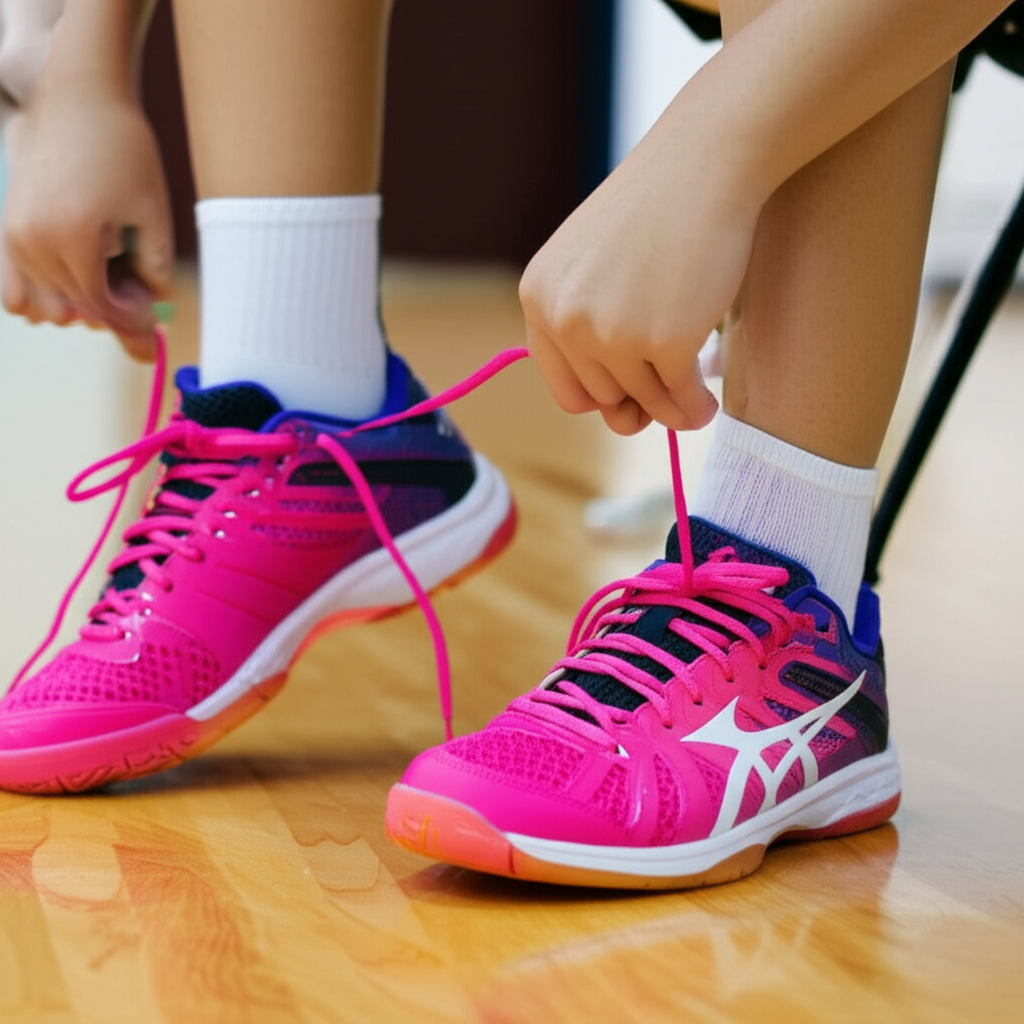
Foot size can change over time, and it can also vary between brands. Don’t assume you know your size; it’s always best to measure.
- Measure at the End of the Day: Your feet tend to swell throughout the day, especially after being active. Measuring them in the afternoon or evening will give you the most accurate reading.
- Measure Both Feet: Most people have one foot that’s slightly larger than the other. Always fit your shoes to your larger foot.
- Use a Brannock Device or a Measuring Tape: Stand on a piece of paper with your heel against a wall. Mark the longest part of your foot. Measure the distance from the wall to the mark. You can also use a Brannock device found in most shoe stores.
2. Consider the “Thumb’s Width” Rule
This is a classic guideline for shoe fitting.
- When trying on shoes, stand up and press down on the toe box.
- You should have about a thumb’s width (roughly half an inch or 1.5 cm) of space between your longest toe and the end of the shoe.
- This space allows your toes to splay and prevents them from hitting the front of the shoe during movement, especially during landings.
3. Check the Width
Width is just as important as length. A shoe that’s too narrow will feel tight across the widest part of your foot (the ball of your foot).
- The shoe should feel snug around the midfoot but not constricting.
- Your foot should not be bulging over the sides of the sole.
- If a shoe feels too tight in width, look for models that come in wide sizes or try a different brand, as width sizing can vary.
4. Assess the Heel Fit
A secure heel fit is critical for preventing slippage and blisters.
- When you walk or jog in the shoes, your heel should stay put.
- There should be no significant lifting or “slipping” of your heel from the back of the shoe.
- A little bit of initial stiffness is okay, as shoes can break in, but excessive slipping is a sign of a poor fit.
5. Walk and Jump Around!
Don’t just stand there! Simulate volleyball movements in the store.
- Walk around the store.
- Do some light jogging.
- Try a few small hops or jumps.
- Quickly change direction from side to side.
- How do they feel during these movements? Do they pinch anywhere? Do your feet slide around inside?
Pay attention to any pressure points or areas of discomfort. The shoes should feel supportive and stable through all these actions.
6. Wear Your Volleyball Socks
Always try on shoes with the type of socks you’ll actually wear for volleyball. Volleyball socks are often thicker than everyday socks, and this extra bulk can make a significant difference in how a shoe fits.
Common Mistakes to Avoid When Fitting Volleyball Shoes
Even with the best intentions, beginners can make common mistakes that lead to ill-fitting shoes. Let’s steer clear of these:
- Buying Shoes That Are Too Big: The idea that you need extra room to grow or to avoid tightness is a common misconception. Too much space leads to instability and blisters.
- Prioritizing Style Over Fit: While aesthetics are nice, performance and comfort should always come first. A shoe that looks great but feels wrong won’t help you on the court.
- Not Trying Them On Properly: Simply slipping them on and standing isn’t enough. You need to simulate game-like movements.
- Assuming All Brands Fit the Same: Different brands have different lasts (the mold a shoe is built around), meaning sizing and width can vary considerably.
- Ignoring Width: Many people focus only on length, forgetting that width is crucial for comfort and stability.
- Breaking Them In Too Aggressively: While shoes do break in, they shouldn’t be painful to wear initially. If they hurt when you first try them, they’re likely not the right fit.
When Should Volleyball Shoes Feel Tight?
Let’s clarify what “tight” really means in this context. Volleyball shoes should feel:
- Snug Around the Midfoot: This is where you want a secure, locked-in feel. It prevents your foot from rolling or sliding sideways.
- Supportive Around the Heel: Your heel should feel cradled, not slipping out.
- Comfortable in the Toe Box: While you want that thumb’s width of space, your toes shouldn’t feel loose or have excessive room to wiggle excessively. They should feel contained but not compressed.
They should NOT feel:
- Painful: No pinching, stabbing, or throbbing sensations.
- Constricting: Your toes shouldn’t feel numb or like blood flow is restricted.
- Loose: Your foot shouldn’t be able to slide forward or backward or side-to-side inside the shoe.
The goal is a supportive embrace for your feet, allowing for maximum agility and control.
Breaking In Your New Volleyball Shoes
Even with a perfect initial fit, most athletic shoes benefit from a short break-in period. This allows the materials to mold to your feet and soften slightly.
- Wear Them Around the House: Start by wearing your new shoes for short periods indoors.
- Wear Them During Practice Sessions: Gradually introduce them into your training. Start with less intense drills and build up to full games.
- Focus on Comfort: If any specific areas feel uncomfortable during the break-in, try adjusting your lacing or consider using moleskin on potential hot spots before they become blisters.
A good break-in period typically takes a few sessions of light play or practice. They should feel significantly more comfortable after this initial period, without losing their supportive fit.
Choosing Volleyball Shoes for Different Positions
While the general principles of fit remain the same, the specific demands of different volleyball positions might influence your choice of shoe, and thus, how you perceive the fit.
| Position | Key Movements | Shoe Considerations |
|---|---|---|
| Setters | Quick footwork, lateral movement, reaching, setting mechanics. Often less jumping than hitters. | Lightweight, flexible shoes with excellent lateral support and good court feel. A snug fit is paramount for quick adjustments. |
| Hitters (Outside/Opposite) | Explosive approaches, high jumps, powerful landings, quick lateral slides. | Maximum cushioning for impact absorption, strong ankle support (often mid-top), and a secure fit that doesn’t impede power transfer during jumps. |
| Middle Blockers | Rapid lateral movement along the net, quick jumps, strong blocking power, fast transitions. | Good balance of cushioning, ankle support, and lateral stability. A snug fit is key for rapid directional changes. |
| Liberos/Defensive Specialists | Low defensive dives, quick reactions, shuffling, digging. Minimal jumping. | Lightweight, flexible shoes with excellent traction and court feel. A very snug, almost sock-like fit can enhance agility. |
Regardless of position, the core principle of a snug, supportive, yet comfortable fit remains. A shoe that feels too loose will hinder quick movements, while one that’s too tight will cause pain and limit endurance.
Essential Gear Beyond Shoes
While shoes are critical, other gear can also enhance your game and comfort:
- Volleyball Socks: As mentioned, wear the right socks! They provide cushioning, wick moisture, and can prevent blisters.
- Knee Pads: Essential for floor defense and comfort during dives. Look for good padding and a comfortable, secure fit.
- Ankle Braces (Optional): If you have a history of ankle instability, consider supportive braces that fit comfortably within your shoes.
- Comfortable Athletic Apparel: Breathable fabrics that allow for a full range of motion are a must.
Investing in quality gear that fits well can make a significant difference in your enjoyment and performance on the court.
Frequently Asked Questions (FAQ)
Q1: How much space should I have in my volleyball shoes?
You should have about a thumb’s width (around half an inch or 1.5 cm) of space between your longest toe and the end of the shoe. This allows your toes to move freely during play and prevents them from hitting the front of the shoe, especially during landings.
Q2: What if my volleyball shoes feel tight at first?
It’s normal for new volleyball shoes to feel a bit snug, especially around the midfoot and heel. As long as there’s no pain, pinching, or numbness, they should break in with wear. Try wearing them around the house or during light practice sessions. If they remain uncomfortably tight after a few wears, they might be too small.
Q3: Can I wear basketball shoes for volleyball?
While basketball shoes offer good support, they are generally heavier and designed for different court movements (more forward/backward motion). Volleyball shoes are specifically engineered for the lateral movements, quick stops, and jumps characteristic of volleyball. Using basketball shoes might hinder agility and increase the risk of ankle rolls due to their design.
Q4: How do I know if my volleyball shoes are too tight?
Signs of shoes being too tight include: numbness in your toes, tingling sensations, pain or burning in your feet, bruised toenails, or if your foot feels constricted and unable to move naturally. If you experience any of these, the shoes are likely too tight and may cause injury.
Q5: Should my volleyball shoes feel loose at all?
No, your volleyball shoes should not feel loose. A loose fit means your foot will slide inside the shoe, leading to a loss of stability, reduced power transfer, and increased risk of blisters and injuries like ankle sprains. The ideal fit is snug and supportive.
Q6: What’s the difference between indoor and outdoor volleyball shoes?
Indoor volleyball shoes are designed for polished wood courts and have non-marking rubber soles for optimal grip and traction. Outdoor volleyball shoes (often called beach volleyball shoes) are typically lighter, more breathable, and have soles designed for sand, often with a different tread pattern or materials to provide grip on uneven surfaces.
Q7: How often should I replace my volleyball shoes?
Volleyball shoes wear out over time, typically after about 6-12 months of regular play, depending on the frequency and intensity of your games. Signs that you need new shoes include the cushioning feeling flat, the sole losing its grip, or visible damage to the upper material. Playing in worn-out shoes can lead to reduced performance and increased injury risk.
Conclusion
Finding the right fit for your volleyball shoes is a fundamental step towards playing your best and staying injury-free. Remember, they should feel snug and supportive, like a second skin, but never painfully tight. By measuring your feet, understanding the “thumb’s width” rule, checking width and heel fit, and simulating game movements, you can confidently choose shoes that will help you excel on the court.
Don’t be afraid to try on several pairs and brands. Your feet are unique, and what works for one player might not work for another. Investing a little extra time in finding the perfect fit will pay off in comfort, performance, and enjoyment of the game. Now, lace up those perfectly fitted shoes and get ready to dominate the court!