Volleyball Setter Workouts: Boost Your Performance Fast

Volleyball setters need precise movements and quick reflexes. Effective workouts can enhance their skills.
Volleyball setters are the backbone of the team. They decide who gets the ball and when. This role demands agility, strength, and sharp decision-making. A well-rounded workout plan can help setters improve their performance on the court. By focusing on specific exercises, setters can boost their speed, accuracy, and overall game sense.
Consistent training not only refines their physical abilities but also enhances their mental sharpness. This blog will guide you through some essential volleyball setter workouts. These exercises are designed to help setters elevate their game, ensuring they are always ready to lead their team to victory. Stay tuned to discover the best workouts for volleyball setters.
Importance Of Setter Workouts
Setter workouts are crucial for any volleyball team. Why? Because setters are the backbone of the team’s offense. Without a strong setter, a team’s performance can crumble. In this section, we’ll explore the importance of setter workouts and how they can elevate a team’s game.
Role Of A Setter
Think of a setter as the quarterback of a volleyball team. They control the flow of the game. A setter makes quick decisions, sets up the hitters, and ensures smooth plays. Just like a conductor in an orchestra, a setter directs the team. But it’s not easy. It requires precision, agility, and a deep understanding of the game.
- Precision: Setters need to deliver the ball accurately to the hitters.
- Agility: Quick movements are essential to reach every ball.
- Game Understanding: They must read the opponents and make smart plays.
Imagine a setter as the driver of a car. They need to steer with care, speed up or slow down when necessary, and always stay focused on the road ahead.
Impact On Team Performance
A strong setter can transform a team’s performance. Here’s how:
- Better Coordination: Setters ensure that all players are in sync.
- Improved Attacks: Good sets lead to powerful and successful attacks.
- Enhanced Defense: Setters also play a key role in defensive plays, setting up counter-attacks.
Consider this: I once played in a match where our setter was on point. Every ball was perfectly placed, and our hitters had a field day. We won easily, and it was all thanks to our setter’s flawless performance.
So, what’s the takeaway? Setter workouts are not just important—they are essential. They help in building the skills required to lead the team effectively. And when a setter is well-trained, the whole team shines.
In summary, investing time in setter workouts is like planting seeds for future victories. The better the setter, the stronger the team. It’s that simple.

Credit: www.tiktok.com
Core Strength Exercises
Hey friends, today we’re diving into the essential core strength exercises for volleyball setters. A strong core is like the foundation of a house. It keeps everything stable and balanced. For setters, this means better control and precision on the court. Let’s explore some easy, yet effective exercises you can do to build a rock-solid core.
Planks And Variations
Planks are fantastic. They work your whole core and help with stability. Start with a basic plank:
- Lie face down on the ground.
- Lift your body onto your toes and forearms.
- Keep your body in a straight line.
- Hold for as long as you can.
Once you get comfortable with the basic plank, try some variations:
- Side Plank: Turn to your side, balancing on one forearm and the side of your foot. Hold.
- Plank with Leg Lift: Lift one leg at a time while holding the plank position.
- Plank with Arm Lift: Lift one arm at a time, keeping your body steady.
These variations add a bit of challenge and keep the workouts interesting. Remember, quality over quantity. Focus on keeping your form perfect.
Russian Twists
Russian twists are great for your obliques. These muscles help you twist and turn, which is vital for setting. Here’s how to do them:
- Sit on the ground with your knees bent.
- Lean back slightly and lift your feet off the ground.
- Hold your hands together in front of you.
- Twist your torso to the right, then to the left.
You can hold a weight or a ball to make it harder. Just remember, twist from your torso, not just your arms. I recently tried this with a 5kg ball, and wow, it was a challenge! But my core felt so strong afterward.
These exercises are simple and effective. They don’t take much time, but the benefits are huge. Give them a try, and you’ll notice the difference on the court. Keep it up, and happy setting!
Agility And Footwork Drills
Hey volleyball enthusiasts! Today we’re diving into Agility and Footwork Drills for setters. Setters need to be quick and precise. They have to move fast and get to the ball before anyone else. These drills will help you improve your speed and accuracy. Let’s get started!
Ladder Drills
Ladder drills are fantastic for improving footwork. Imagine a ladder on the ground. You step in and out of the rungs quickly. This helps improve your speed and coordination. Here are a few exercises to try:
- Basic In-Out Drill: Step both feet in and out of each square, one by one.
- Two-In Two-Out: Place both feet in one square, then move both feet out to the sides, progressing through the ladder.
- Lateral Shuffle: Move sideways through the ladder, stepping both feet in and out of each square.
These drills are simple but effective. Do them regularly and you’ll notice a big improvement in your footwork.
Cone Drills
Next up, cone drills. These are great for enhancing your agility. Setters need to change direction quickly. Cone drills help with that. Here are a couple to get you started:
- Shuttle Run: Set up cones in a straight line. Run to the first cone and back, then the second, and so on. This helps with quick direction changes.
- Figure 8: Place two cones a few feet apart. Run in a figure 8 pattern around them. This improves your ability to maneuver around obstacles.
These drills are fun and challenging. They mimic the quick movements you need during a game.
Remember: Consistency is key. Keep practicing these drills. You’ll see improvement in no time. And the best part? You’ll be a faster, more agile setter. Happy training!
Arm And Shoulder Strength
Arm and shoulder strength is crucial for volleyball setters. Strong arms and shoulders help with precise and powerful sets. These muscles also prevent injuries and improve overall performance. Regular workouts focused on these areas can make a big difference.
Resistance Band Exercises
Resistance bands are great for building arm and shoulder strength. They are easy to use and effective. Start with simple exercises like shoulder presses. Hold the band with both hands and press upwards. This movement targets your shoulders. Another good exercise is band pull-aparts. Hold the band in front of you and pull it apart. This works your upper back and shoulders.
Medicine Ball Throws
Medicine ball throws are excellent for power and strength. They mimic the explosive movements of setting. Start with chest passes. Stand with your feet shoulder-width apart. Hold the medicine ball at chest level. Throw it straight ahead with force. Another exercise is the overhead slam. Hold the ball above your head and slam it down. This works your shoulders, arms, and core.
Reaction Time Improvement
Improving reaction time is crucial for volleyball setters. Setters need to react quickly. This enables them to make accurate sets. It also helps them respond to unexpected plays. Faster reaction times can make a significant difference in a game. Let’s explore two effective drills.
Quick Toss Drills
Quick toss drills help setters react faster. A partner tosses the ball randomly. The setter must set the ball immediately. This drill mimics real-game situations. It pushes the setter to think and act quickly.
Start with slow tosses. Gradually increase the speed. This will challenge the setter. Over time, their reaction time will improve. Consistent practice is key. Do this drill several times a week.
Ball Tracking
Ball tracking is another essential drill. It helps setters focus and react. The setter watches the ball from the toss to the set. This drill sharpens their eye-hand coordination. It also improves their concentration.
A coach or partner tosses the ball. The setter tracks it and sets it accurately. Repeat this drill with different toss angles. This prepares the setter for various game scenarios. Practice regularly for best results.
Endurance Training
Endurance training is crucial for volleyball setters. It helps them maintain high performance throughout the game. Setters need to stay agile, quick, and focused for long periods. Proper endurance training ensures they can handle the physical demands of the game. Below are two effective endurance workouts for volleyball setters.
Interval Running
Interval running helps build stamina and speed. It involves alternating between high-intensity sprints and low-intensity recovery periods. Start with a warm-up jog for five minutes. Then sprint for 30 seconds at full speed. Follow with a one-minute slow jog or walk. Repeat this cycle for 20 minutes.
Interval running improves cardiovascular health. It also enhances muscle endurance. Setters will notice better performance during long matches. Consistent interval training leads to quicker recovery times and increased overall stamina.
Circuit Training
Circuit training combines strength and endurance exercises. It involves performing a series of exercises with minimal rest. Each exercise targets different muscle groups. This keeps the heart rate elevated and builds overall endurance.
Examples of circuit training exercises include push-ups, burpees, lunges, and planks. Perform each exercise for 30 seconds. Rest for 10 seconds between exercises. Complete the entire circuit three times. Circuit training improves muscle strength and cardiovascular fitness. It’s an efficient workout for volleyball setters.
Mental Toughness Practices
Hey friends, ever felt the pressure on the court? I sure have. As a volleyball setter, you need more than just physical strength. You need mental toughness. Today, I’ll show you some simple practices to build that mental strength. Let’s dive in!
Visualization Techniques
Visualization is powerful. Picture this: you’re about to set the ball. Close your eyes. See the perfect set in your mind. Feel your hands position the ball just right. This is visualization.
Why is it important?
- It helps you stay calm.
- You build confidence.
- You can rehearse without being on the court.
Here’s a quick exercise:
- Find a quiet spot.
- Close your eyes.
- Imagine a game scenario.
- Visualize yourself making the perfect set.
- Repeat daily for 5 minutes.
Simple, right? But trust me, it works. I tried it before my last game. It made a huge difference.
Focus Drills
Focus is key. Without it, you miss the ball. Here are some drills to sharpen your focus:
- Bounce Ball Drill: Bounce a ball against the wall. Concentrate on the ball’s movement. Try to keep a steady rhythm.
- Breathing Drill: Take deep breaths. Focus on each breath. This helps clear your mind.
- Counting Drill: Count backward from 100. If you lose track, start over. This builds mental discipline.
These drills are easy. You can do them anywhere. On the bus, at home, or before a game.
The good news? These mental toughness practices are simple and effective. Start today. You’ll see the difference on the court. Your mind will be sharp. Your sets will be perfect. Ready to give it a try?
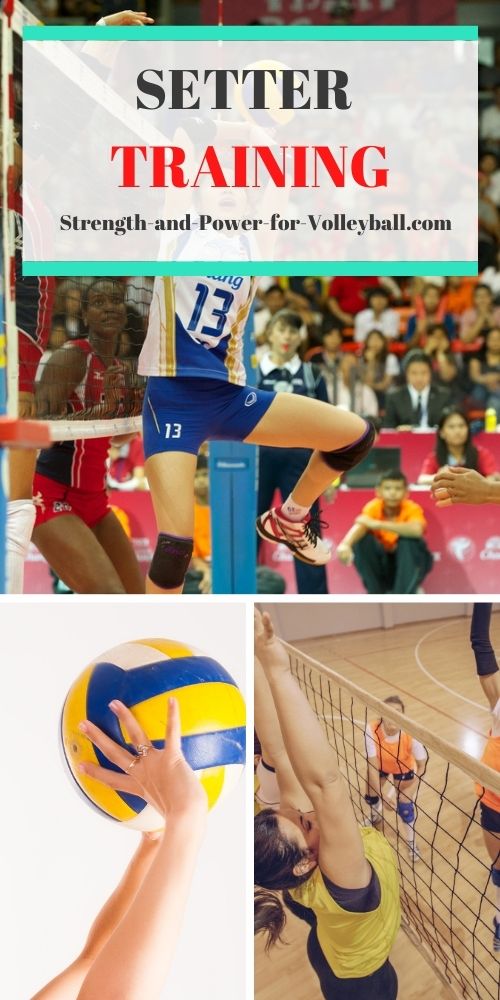
Credit: www.strength-and-power-for-volleyball.com
Nutrition For Optimal Performance
Hey friends, today we’re diving into a super important topic: nutrition. If you want to perform your best as a volleyball setter, you need to fuel your body right. Think of your body as a car. Without the right fuel, it just won’t run smoothly. So, let’s talk about how to eat before and after your workouts to get the best results!
Pre-workout Meals
Before you hit the court, you need energy. Here are some simple and tasty pre-workout meal ideas:
- Oatmeal with Fruits: Oats give you long-lasting energy. Add some berries for a sweet touch.
- Banana and Peanut Butter: Bananas are great for quick energy. Pair them with peanut butter for some protein.
- Yogurt and Granola: Easy and quick. Yogurt helps with digestion, and granola provides the crunch.
Remember, eat these meals about 1-2 hours before your workout. This gives your body time to digest and use the nutrients for energy.
Post-workout Recovery
After a tough workout, your body needs to recover. This is where post-workout nutrition comes in. Think of it like repairing your car after a long drive.
Here are some post-workout recovery meals:
- Grilled Chicken and Veggies: Chicken is packed with protein to help your muscles recover. Add some veggies for vitamins.
- Protein Shake: Quick and easy. Just blend up some protein powder with milk or a milk substitute.
- Whole Grain Toast with Avocado: Whole grains help replenish your energy. Avocado adds healthy fats.
Try to eat these meals within 30-60 minutes after your workout. This is the magic window when your body absorbs nutrients the best.
Eating right is just as important as practicing your sets and serves. So, next time you head to the gym or court, remember these tips. Your body will thank you, and you’ll feel like a true champion. Happy playing!
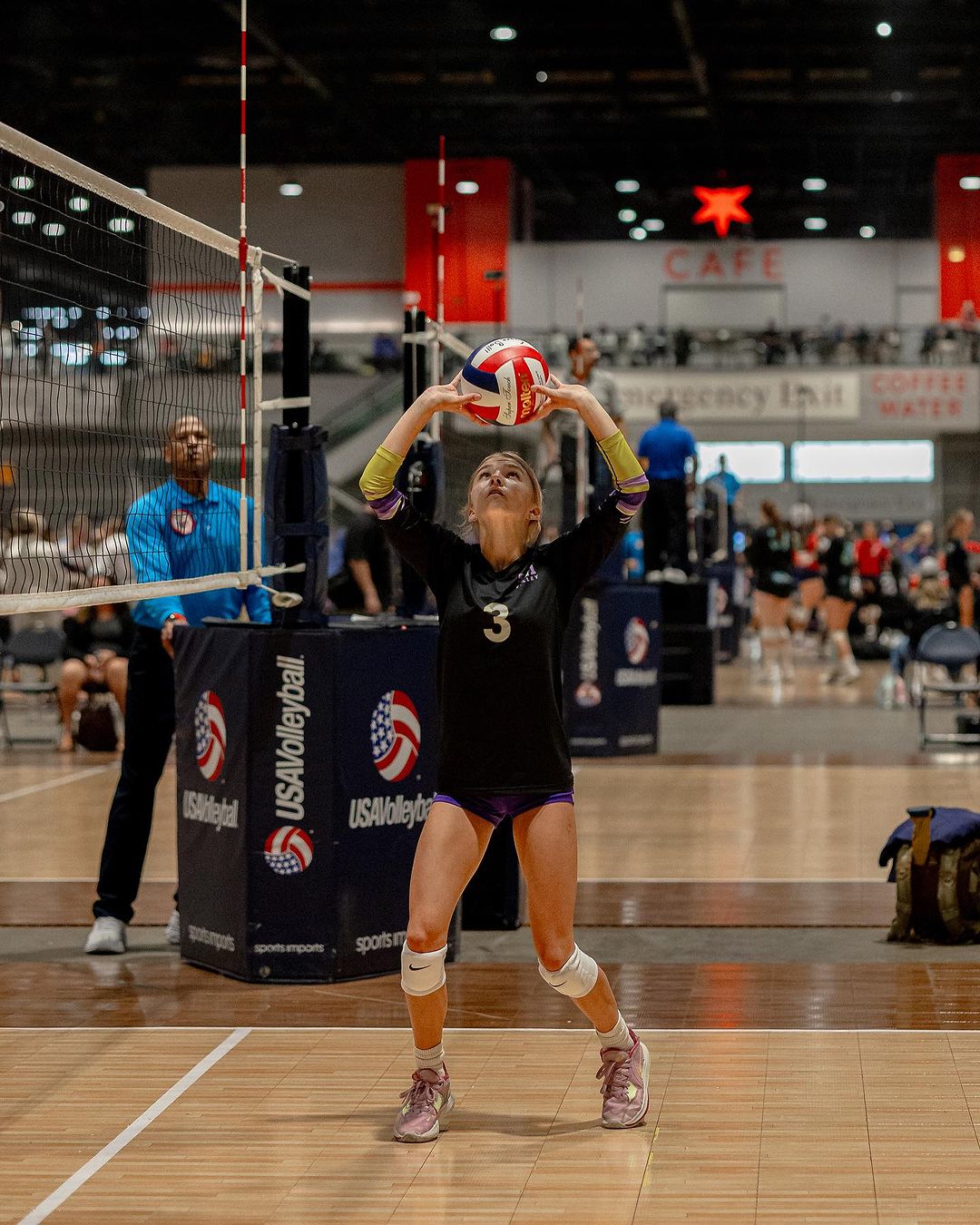
Credit: renathletics.com
Frequently Asked Questions
What Are The Exercises For Volleyball Setters?
Volleyball setters should practice hand positioning drills, footwork exercises, reaction drills, target setting, and strength training for shoulders and core.
How Do I Become A Better Volleyball Setter?
To become a better volleyball setter, practice regularly, improve your footwork, enhance hand-eye coordination, study successful setters, and communicate with teammates.
Is Setter The Hardest Position In Volleyball?
The setter is often considered the hardest position in volleyball. They control the offense and make quick decisions under pressure.
What Is The 6 2 Volleyball Rotation For Setters?
The 6-2 volleyball rotation features six hitters and two setters. The setters play in the back row, ensuring three attackers are always at the net. This strategy enhances offensive options.
Conclusion
Volleyball setter workouts build skill and strength. Consistency is key. Practice the drills regularly. This keeps your body and mind sharp. Strong workouts lead to better performance. Stay dedicated. Progress will come with time and effort. Enjoy the process. Your hard work on the court will pay off.
Keep pushing your limits. Always aim to improve. Your team will benefit from your growth. Happy training!