What Does A Setter Do In Volleyball: Key Roles and Skills

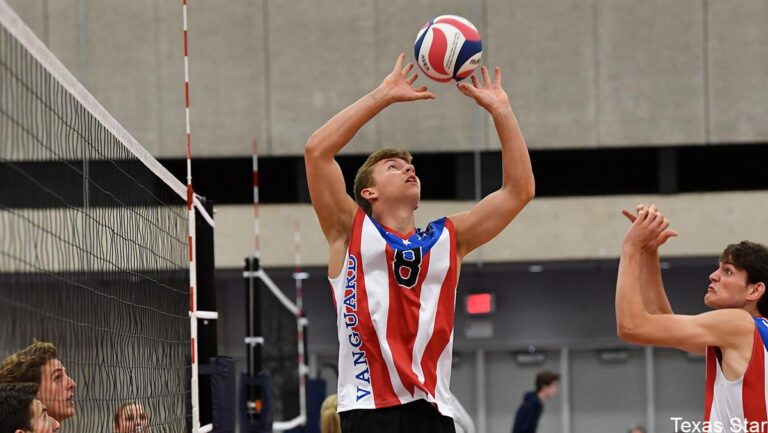
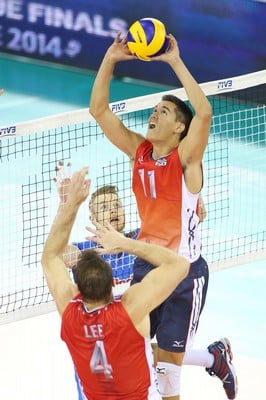
A setter in volleyball directs the team’s offense. They decide who gets the ball and when.
Their role is crucial in every match. In volleyball, the setter is often seen as the team’s quarterback. They touch the ball more than anyone else. Their job requires quick decisions and precise ball-handling skills. A good setter reads the opposing team’s defense.
They use this information to set up their teammates for successful attacks. The setter’s position demands leadership and communication. They must coordinate with every player on the court. Understanding what a setter does can enhance your appreciation of the game. Let’s dive deeper into the responsibilities and skills of a volleyball setter.
Introduction To The Setter Role
Hey there! Have you ever wondered what a setter does in volleyball? Well, you’re in the right place. Today, we’re diving into the fascinating world of the setter role. This position is crucial in volleyball and knowing more about it can really up your game or just help you appreciate the sport more.
Importance In The Team
The setter is like the quarterback in football or the point guard in basketball. They are the playmakers. Without a good setter, a team can struggle to find its rhythm. The setter touches the ball more than anyone else and sets up the hitters for their attacks. Think of them as the director of a symphony. If the setter is off, the whole team can feel it.
Here’s why the setter is so important:
- Controls the Game: The setter decides which hitter gets the ball and when.
- Sets the Pace: They dictate the speed and style of the team’s offense.
- Boosts Morale: A confident setter can lift the entire team’s spirit.
Basic Responsibilities
The setter has several key responsibilities. They need to be quick, smart, and have great hands. Let’s break it down:
- Setting the Ball: The main job is to deliver accurate sets. This means placing the ball perfectly for hitters to spike.
- Reading the Opponent: A good setter reads the other team’s defense. They can see where the blockers are and set the ball to avoid them.
- Communication: Talking with teammates is vital. The setter needs to call plays and make quick decisions.
- Playing Defense: Setters also play a role in defense. They need to be ready to dig and block when needed.
In my experience, watching a great setter in action is like watching a master artist at work. They make it look easy, but it takes years of practice and a deep understanding of the game.
So, the next time you watch a volleyball game, keep an eye on the setter. You’ll see just how important they are to the team’s success. And who knows? Maybe you’ll be inspired to try setting yourself!

Credit: nebraskaexaminer.com
Setting Techniques
Hey friends, today we’re diving into the world of volleyball, focusing on setting techniques. Whether you’re a newbie or a seasoned player, understanding the basics of setting is crucial. It’s like being the quarterback in football. The setter controls the game’s pace and direction. Let’s break it down into simple steps that anyone can follow. Ready? Let’s go!
Hand Positioning
First up, let’s talk about hand positioning. It’s essential to use your fingers and not your palms. Imagine you’re holding a big water balloon. You don’t want to pop it, right? So, be gentle.
- Keep your fingers spread wide.
- Form a triangle with your thumbs and index fingers.
- Ensure your hands are above your forehead, ready to catch the ball.
Proper hand positioning ensures you have control over the ball, making it easier to direct it where you want it to go. Practicing this will make you a better setter in no time.
Footwork And Stance
Next, let’s discuss footwork and stance. Believe it or not, your feet play a huge role in setting. Think of it like dancing. You need to move smoothly and be in the right position.
- Stand with your feet shoulder-width apart.
- Bend your knees slightly to stay balanced.
- When you move, step toward the ball, don’t reach.
Good footwork helps you get under the ball quickly, making your set more accurate. I remember when I first started, I was all over the place. But with practice, my movements became more controlled. And trust me, yours will too.
Setting in volleyball is an art. With the right techniques, you’ll improve your game significantly. So, keep practicing hand positioning and footwork. You’ll be amazed at how much better you get. Until next time, keep playing and having fun!
Communication Skills
Effective communication skills are crucial for a volleyball setter. A setter needs to coordinate the entire team’s movements. Clear communication ensures smooth execution of plays and strategies. Let’s explore how a setter uses communication skills in different scenarios.
Calling Plays
A setter must clearly call plays during a match. This involves signaling to teammates about the intended play. For example, the setter might call out a specific set or combination. This helps players prepare for their roles. Clear and timely calls make the team’s actions more efficient.
Building Trust With Hitters
Trust between a setter and hitters is essential. A setter must know each hitter’s strengths. This helps in delivering accurate sets. Consistent and honest communication builds this trust. Discussing strategies and feedback after each play also strengthens this bond. A trusted setter can elevate the team’s performance.

Credit: www.youtube.com
Game Strategy
Hey there, volleyball fans! Today, we’re diving into a crucial aspect of the game: Game Strategy. The setter’s role is like that of a chess master, always thinking ahead and outsmarting the opponent. They are the backbone of the team’s offense, making sure every play is well-executed. Let’s explore how they do this with two key strategies: reading the opponent’s defense and adjusting play tactics.
Reading The Opponent’s Defense
Imagine you’re playing a board game. You need to understand your opponent’s moves to win. It’s the same in volleyball. A setter needs to read the opponent’s defense. This means watching how they move, where they position themselves, and predicting their next move.
Here’s how a setter does it:
- Observe blockers: Setters check where the blockers are. Are they covering the middle? Or are they focusing on the outside hitters?
- Identify weaknesses: They look for gaps in the defense. Maybe one player is slower. The setter will target that weakness.
- Watch the libero: The libero is the defensive specialist. If the libero is out of position, the setter will exploit that.
Reading the defense is like having a map. It guides the setter on where to send the ball for the best chance of scoring.
Adjusting Play Tactics
Once the setter reads the defense, it’s time to adjust the play tactics. Think of this like changing your game plan in a video game when you realize the first strategy isn’t working.
Here’s what a setter might do:
- Change the tempo: If the blockers are quick, the setter might use faster sets. This means the ball gets to the hitter faster, giving the blockers less time to react.
- Mix up the plays: Instead of setting to the same hitter each time, the setter will use different hitters. This keeps the defense guessing.
- Use deception: Sometimes, the setter will pretend to set to one player but then quickly set to another. This can trick the defense and create a scoring opportunity.
Adjusting tactics is like being a chef. You might have a recipe, but you need to tweak it to make it perfect. Setters do the same on the court to keep the defense on their toes.
So, there you have it! A setter’s game strategy is all about reading the opponent and adjusting tactics. It’s a blend of observation, quick thinking, and smart decision-making. Next time you watch a game, keep an eye on the setter. You’ll see how their strategy makes all the difference!
Physical Fitness
Hey there volleyball fans! Today, we’re diving into the importance of physical fitness for a setter. A setter in volleyball isn’t just about tactics and skills. It’s also about being in top physical shape. Why? Because they need to move quickly, make accurate sets, and play long matches. Let’s break it down into two main areas: Endurance and Agility and Strength Training.
Endurance And Agility
Setters need great endurance. Think of them as the engine of the team. They’re involved in almost every play. This means they have to keep up a fast pace without getting tired. How do they do it?
- Running drills: Long-distance running helps build stamina.
- High-intensity interval training (HIIT): Short bursts of intense exercise with rest periods.
- Agility drills: Think ladder drills and cone drills. These improve footwork and quickness.
Imagine a setter moving quickly across the court, setting up the perfect ball for a spike. They need to be quick and sharp at all times. That’s where agility comes in. Quick feet. Fast reactions. It’s all about being ready to move in any direction at a moment’s notice.
Strength Training
Strength is another key part of a setter’s physical fitness. Why? Because setting a volleyball isn’t just about the wrists. It uses the whole body. Here are some ways setters build strength:
- Core exercises: Planks, sit-ups, and Russian twists. A strong core helps with balance and stability.
- Arm and shoulder workouts: Think push-ups and shoulder presses. These help with the power needed to set the ball accurately.
- Leg strength: Squats and lunges. Strong legs help with jumping and quick movements.
Picture this: a setter needs to jump and set the ball at the same time. That takes power and control. Without strong muscles, they wouldn’t be able to perform at their best.
So, there you have it! Physical fitness is a big part of what makes a setter great. From endurance and agility to strength training, it’s all about staying fit and ready for anything on the court.
Mental Toughness
Hey friends, today we’re diving into the role of a setter in volleyball, specifically focusing on their Mental Toughness. Playing as a setter isn’t just about physical skills. It requires a strong mind too. Setters need to stay calm and make smart choices during the game. Let’s break it down.
Handling Pressure
Picture this. The game is tied. The crowd is loud. Your team is relying on you. As a setter, you have to handle these moments. You can’t let the pressure get to you. How? By staying focused and calm. Think of it like solving a puzzle. Each piece has its place. You just need to find it, even when time is running out.
Some tips to handle pressure:
- Deep Breathing: Take a few deep breaths to calm your nerves.
- Positive Thinking: Tell yourself you can do it.
- Practice: The more you practice, the more confident you’ll feel.
Decision-making Skills
Okay, imagine this. The ball is coming your way. You have to decide quickly who to pass it to. This is where your decision-making skills come in. A good setter needs to read the game fast. They need to know their teammates’ strengths and weaknesses. Making the right choice can be the difference between winning and losing.
Here’s what helps with decision-making:
- Know Your Team: Understand who plays best in different situations.
- Stay Alert: Always watch the game and anticipate moves.
- Trust Your Gut: Sometimes, quick decisions are the best ones.
So there you have it. Being a setter isn’t just about physical skills. It’s about staying strong mentally, handling pressure, and making quick decisions. It’s like being the brain of the team. With practice and the right mindset, you can excel in this role.
What do you think? Share your thoughts or experiences in the comments below!
Training Drills
Hey friends, today we’re diving into what a setter does in volleyball, focusing on their training drills. Setters have a critical role. They set the ball for their teammates to attack. To be great at this, setters need to practice a lot. And practice well. Let’s explore some drills that can help setters improve their accuracy and performance in game scenarios.
Drills For Accuracy
Accuracy is key for setters. They need to place the ball exactly where their teammates can hit it best. Here are some drills that help with that:
- Wall Sets: Stand a few feet from a wall. Set the ball against the wall and catch it. Repeat. This helps with control.
- Target Practice: Put a target (like a chair) on the other side of the net. Set the ball aiming for the target. This improves precision.
- Partner Sets: Pair up with a teammate. Set the ball back and forth. Try to keep the ball at the same height. This builds consistency.
Practice Scenarios
Practice makes perfect. But practicing real-game scenarios makes you even better. Let’s look at some practice scenarios for setters:
- Game-Like Drills: Set up a scrimmage. Play like it’s a real game. Focus on making quick decisions and accurate sets.
- Pressure Sets: Have teammates spike the ball after your set. This adds pressure. It helps you learn to stay calm and focused.
- Movement Drills: Practice setting while moving. Run from one side of the court to the other. Set the ball each time you reach a new spot. This builds agility.
And there you have it! These drills and scenarios will surely help setters improve their skills. Remember, practice is essential. So keep at it, and you’ll see progress. Happy setting!
Common Challenges
Playing the setter position in volleyball brings unique challenges. Setters need to be quick, strategic, and precise. They often face intense pressure during games. Let’s explore some common challenges they encounter.
Dealing With Injuries
Setters often use their hands and wrists a lot. This makes them prone to injuries. Common injuries include sprained wrists or fingers. These injuries can affect their performance. Setters must learn to manage pain and stay fit. Regular stretching and strength exercises can help. They also need to listen to their bodies and rest when needed.
Overcoming Slumps
Every athlete experiences slumps. Setters are no different. A slump can mean missed sets or poor decisions. It can affect the team’s performance. Staying positive is key. Setters should work on their mental game. Practice mindfulness and breathing exercises. Also, reviewing past games can help. Identifying mistakes and learning from them is crucial. Support from coaches and teammates is also important.
Credit: www.cortinavolleyball.com
Frequently Asked Questions
What Is The Hardest Position In Volleyball?
The libero position is considered the hardest in volleyball. Libero players require exceptional defensive skills and quick reflexes.
What Is The Main Job Of The Setter?
The main job of the setter is to position the ball for the attackers. They control the offense and set up plays.
Is A Setter A Good Position In Volleyball?
Yes, the setter is a crucial position in volleyball. They control the offense and set up attacks. A good setter enhances team performance significantly.
Where Do You Put The Weakest Player In Volleyball?
Place the weakest volleyball player in the back row, preferably in the right-back or middle-back position. This reduces their involvement in attacks and blocks, focusing on defensive plays.
Conclusion
A setter in volleyball plays a crucial role in the game. They control the ball and set it up for attackers. Their quick decisions and precise sets make the team strong. Setters need good communication and teamwork skills. They must always stay alert.
Understanding the setter’s role helps you appreciate the game more. So next time you watch, keep an eye on the setter. Their moves can change the game.