Pickleball Strategy for Beginners: Master the Basics and Win

Pickleball is gaining popularity fast. Many newcomers love its blend of tennis, badminton, and ping-pong.
For beginners, understanding the basic strategies can make a big difference. It’s more than just hitting the ball; it’s about positioning, teamwork, and smart play. Knowing these strategies helps you play better and enjoy the game more. In this post, we’ll explore essential tips and strategies for beginners.
You’ll learn how to place your shots, where to stand, and how to work with your partner. These basics will help you gain confidence and improve your skills quickly. Let’s dive into the world of pickleball strategy and start playing smarter today.
Introduction To Pickleball
Pickleball is an exciting and fast-growing sport. It combines elements of tennis, badminton, and ping-pong. This sport is suitable for all ages and skill levels. Beginners can quickly learn and enjoy the game. Let’s dive into the world of pickleball!
What Is Pickleball?
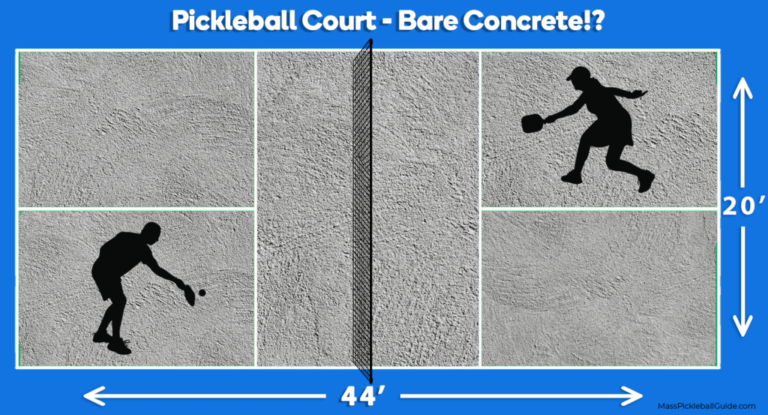
Pickleball is played on a court similar to a badminton court. The game uses a paddle and a plastic ball with holes. It can be played as singles or doubles. The goal is to score points by hitting the ball over the net. The opponent must fail to return the ball. The first team to reach 11 points wins. It is simple yet fun.
Why Learn Pickleball?
Learning pickleball offers many benefits. Here are a few reasons to start:
- Easy to Learn: The rules are simple. New players can pick up the game quickly.
- Physical Exercise: It provides a good workout. It helps improve agility and coordination.
- Social Interaction: It is a social sport. You can meet new people and make friends.
- Fun and Enjoyable: The game is enjoyable. It brings joy and excitement to players.
Whether you are young or old, pickleball is a great sport to try. It offers a mix of fun and fitness. So grab a paddle and join the pickleball community!

Credit: www.youtube.com
Basic Rules And Equipment
Pickleball is a fun and engaging sport for all ages. Beginners need to understand the basic rules and have the right equipment. This section will help you get started with essential rules and necessary gear.
Essential Rules
Knowing the basic rules is crucial for any beginner. Here are some key points:
- The game is played on a rectangular court with a net.
- You can play singles or doubles.
- Points are scored when the opposing team faults.
- You serve underhand, and the ball must land in the opposite diagonal court.
- The ball must bounce once on each side before volleys are allowed.
- The first team to 11 points wins, but you must win by 2 points.
Necessary Gear
Having the right equipment will enhance your pickleball experience. Here’s a list of what you need:
| Item | Description |
|---|---|
| Paddle | A lightweight paddle made of wood or composite materials. |
| Ball | A perforated plastic ball, similar to a wiffle ball. |
| Court Shoes | Comfortable shoes with non-marking soles for stability. |
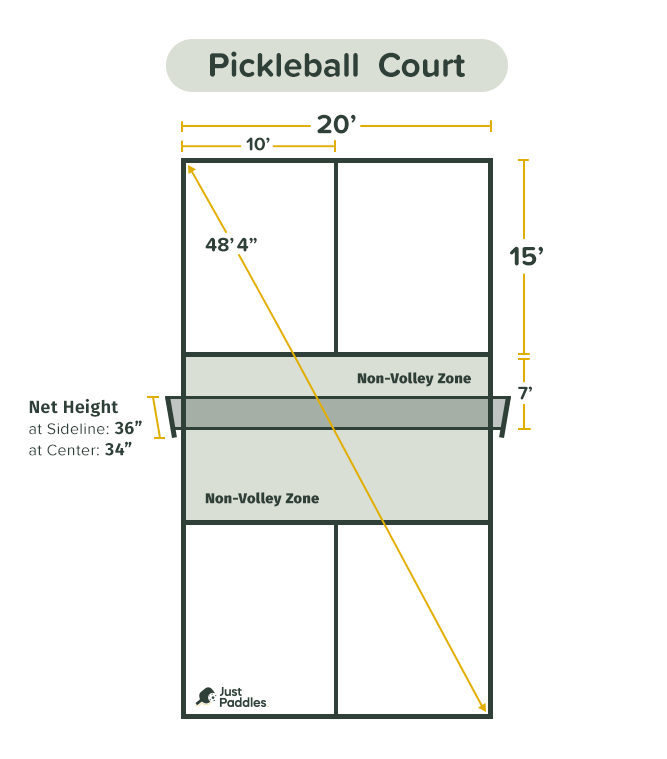
| Net | A net that is 36 inches high at the sidelines and 34 inches at the center. |
Make sure you have these items to enjoy your pickleball game. Keep the rules in mind, and practice regularly to improve your skills. Happy playing!
Fundamental Techniques
Pickleball has become a favorite sport for many new players. To excel in this game, understanding the fundamental techniques is crucial. These techniques form the foundation of your pickleball skills. They include serving, basic strokes, and other essential moves. Beginners need to focus on mastering these to enjoy the game and improve steadily.
Serving Techniques
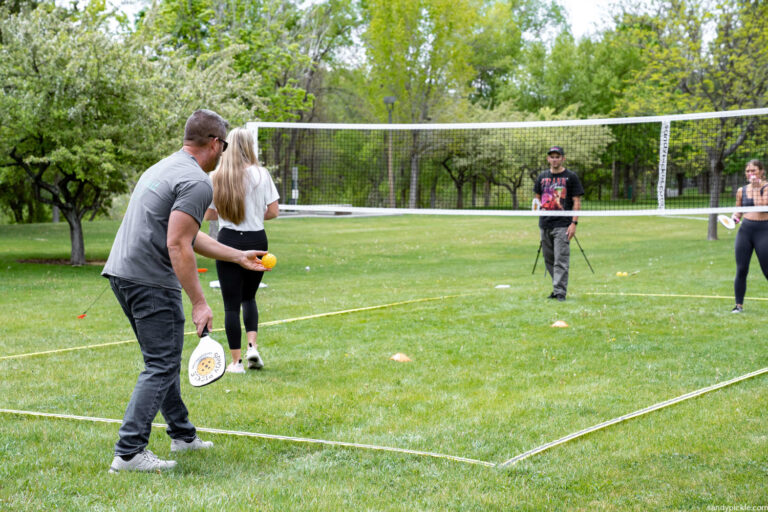
Serving is the starting point of every pickleball rally. A good serve can give you an advantage. To serve well, stand behind the baseline. Hold the paddle in your dominant hand. Use an underhand motion to hit the ball. Aim to hit the ball diagonally into the opponent’s service court. Keep your serve low and fast to make it harder to return.
Basic Strokes
The forehand and backhand strokes are the most common in pickleball. For the forehand stroke, hold the paddle with a firm grip. Swing from low to high, making contact with the ball in front of your body. The backhand stroke uses a similar motion but from the opposite side. Turn your body and use your non-dominant hand to guide the paddle. Keep your eyes on the ball and follow through after hitting.
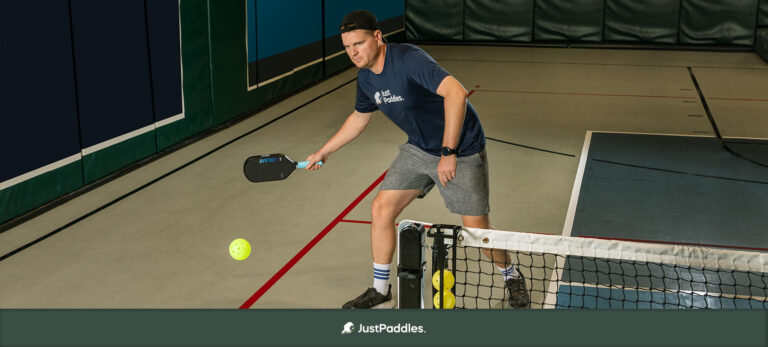
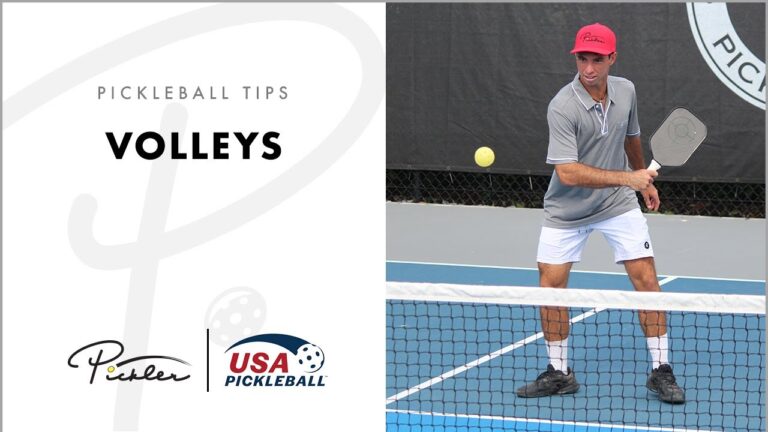
Another important stroke is the volley. This is hitting the ball before it bounces. Stand near the net and keep your paddle up. Use a short, controlled motion to hit the ball back. Practice these strokes regularly. They will help you control the game and keep the ball in play.
Credit: www.thedinkpickleball.com
Court Positioning
Understanding court positioning is crucial for beginners in pickleball. Proper positioning helps control the game and makes it easier to return shots. It involves knowing where to stand and how to move efficiently.
Understanding Zones
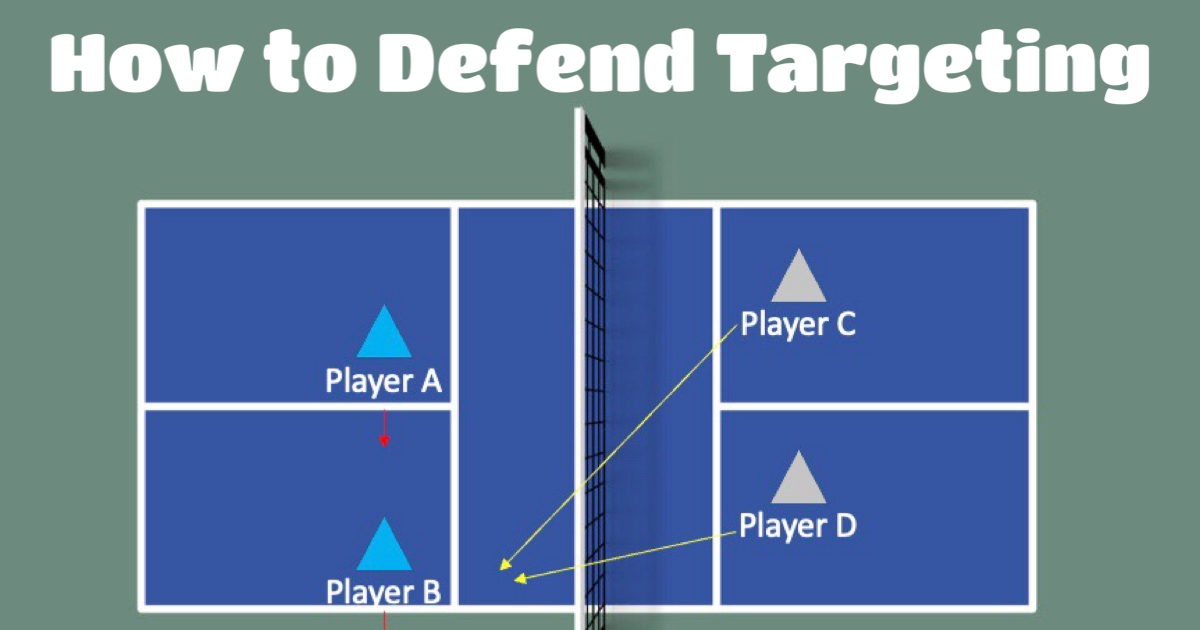
The pickleball court has different zones. The non-volley zone, also called the kitchen, is near the net. Players can’t hit volleys here. The baseline is at the back of the court. The area between the kitchen and baseline is the transition zone.
Optimal Positioning
Stand at the baseline when serving. This gives you the best angle. After serving, move quickly to the kitchen line. This is the most strategic spot. Here, you can cover a larger area. Stay low and be ready to move side to side.
When your partner is serving, stand near the kitchen line. This allows you to attack the return shot. Always communicate with your partner. Good teamwork improves your positioning. Stay alert and adjust based on the game’s pace.
Communication And Teamwork
Effective communication and teamwork are essential in pickleball. They help in coordinating moves and strategies. This is particularly true for beginners. Working well with your partner can lead to winning games and having fun on the court.
Partner Coordination
Coordination with your partner is key. Knowing each other’s strengths and weaknesses helps. Discuss your playing styles before the game starts. Decide who will cover which areas of the court. This can prevent confusion and improve your game.
Understanding your partner’s movements is crucial. Practice moving together as a unit. This helps in covering the court more efficiently. For instance, if your partner moves to the right, you should move to the left. This ensures the court is always covered.
Effective Communication
Talking to your partner during the game is vital. Use simple and clear commands. For example, say “yours” or “mine” to avoid both going for the same shot. This can prevent errors and keep the game flowing smoothly.
Non-verbal communication is equally important. Simple gestures can help. For instance, a nod or a hand signal can indicate who will take the next shot. This can be very effective during fast-paced rallies.
| Communication Tip | Benefit |
|---|---|
| Use clear commands | Reduces confusion |
| Discuss strategies before the game | Enhances coordination |
| Practice non-verbal signals | Improves quick decision-making |
Remember, good communication and teamwork can make a big difference. Practice these skills to enjoy the game more and improve your performance.
Defensive Strategies
Understanding defensive strategies in pickleball can significantly improve your game. Learning how to defend effectively keeps you in the game longer. It also gives you more opportunities to score. Here, we will explore two key defensive tactics: Blocking Shots and Returning Difficult Serves.
Blocking Shots
Blocking shots is a crucial defensive strategy in pickleball. It helps to neutralize your opponent’s powerful hits.
Here are some tips to master blocking shots:
- Stay Ready: Always keep your paddle up and in front.
- Soft Hands: Use a soft grip to absorb the shot’s impact.
- Angle the Paddle: Tilt your paddle slightly to direct the ball.
- Watch the Ball: Keep your eyes on the ball to anticipate its direction.
Practice these steps to enhance your blocking skills.
Returning Difficult Serves
Returning difficult serves can be challenging for beginners. A good return sets the pace for the rally.
Consider these strategies:
- Positioning: Stand in a ready position with knees slightly bent.
- Focus: Watch the ball carefully to judge its spin and speed.
- Short Swing: Use a short, compact swing to control the return.
- Follow Through: Ensure your paddle follows through the ball’s path.
These techniques can help you return difficult serves with confidence.
By incorporating these defensive strategies, you can become a more formidable player. Stay focused and practice regularly to see improvement.
Offensive Tactics
Offensive tactics are crucial for beginners in pickleball. Using the right strategies can help you control the game and score points. In this section, we will explore two key offensive tactics: hitting winners and using spin.
Hitting Winners
Hitting winners means making shots that your opponent cannot return. To do this effectively, you need to focus on placement and power. Aim for the corners of the court or hit the ball down the sidelines. This makes it hard for your opponent to reach the ball.
Another tip is to watch your opponent’s position. If they are near the net, try a deep shot. If they are at the baseline, a drop shot works well. Mixing up your shots keeps your opponent guessing and off balance.
| Opponent’s Position | Type of Shot |
|---|---|
| Near the net | Deep shot |
| At the baseline | Drop shot |
| In the middle | Angle shot |
Using Spin
Spin adds an extra challenge for your opponent. There are two main types of spin: topspin and backspin. Topspin makes the ball bounce higher and faster. To add topspin, brush the paddle upwards against the ball.
Backspin makes the ball bounce lower and slower. This can force errors from your opponent. To add backspin, slice the paddle downwards against the ball.
- Topspin: Brush paddle upwards
- Backspin: Slice paddle downwards
Using spin effectively requires practice. Start slow and focus on consistency. Over time, you will get better control and your shots will become more accurate.

Credit: pickleballtoday.co
Common Mistakes To Avoid
Pickleball is an exciting sport, but beginners often make common mistakes. Understanding these errors can improve your game quickly. Let’s explore some frequent mistakes and how to avoid them.
Foot Faults
Foot faults occur when your foot touches the baseline during a serve. This mistake can cost you points. Always check your position before serving. Stand behind the baseline. Ensure your feet do not cross the line.
Another common fault is stepping into the non-volley zone. Avoid this mistake by staying outside the zone when hitting volleys. Practice your footwork regularly. Good footwork helps you maintain proper positioning.
Overhitting
Overhitting means hitting the ball too hard or out of bounds. This often results in losing points. Focus on control rather than power. Use a smooth, consistent swing. Aim for placement over speed.
Watch your opponent’s position. If they are at the baseline, a softer shot can be more effective. Practice hitting softer, controlled shots. This improves your accuracy and reduces overhitting.
Remember, pickleball is a game of strategy. Control and precision often win over raw power.
Practicing For Improvement
Improving in pickleball involves more than just playing games. It requires practice, dedication, and a focus on specific strategies. Practicing the right way can enhance your skills and make you a better player. This section will guide you on how to practice effectively with drills, exercises, and consistency tips.
Drills And Exercises
Drills are essential for honing your pickleball skills. They help you focus on specific areas of your game. Below are some drills that can be very beneficial:
- Dinking Drill: Practice soft shots near the net. This improves control and precision.
- Volley Drill: Stand close to the net and practice quick exchanges. This enhances reflexes and hand-eye coordination.
- Serving Drill: Practice serving to different areas of the court. Focus on accuracy and consistency.
Exercises are also important. They keep you fit and ready for the physical demands of pickleball. Here are a few exercises you can incorporate into your routine:
- Footwork Drills: Improve your movement with ladder drills and cone drills.
- Strength Training: Focus on core and leg strength. These are crucial for stability and power.
- Cardio Exercises: Activities like jogging or cycling can improve your stamina.
Consistency Tips
Consistency is key in pickleball. Regular practice and a focused approach can lead to significant improvement. Here are some tips to help you stay consistent:
- Set Goals: Define what you want to achieve in each practice session.
- Practice Regularly: Aim for at least 3-4 practice sessions per week.
- Track Progress: Keep a journal of your practice sessions. Note what works and what needs improvement.
- Stay Positive: Focus on small victories and keep a positive mindset.
By following these tips and incorporating drills and exercises into your routine, you will see improvement in your pickleball game. Happy practicing!
Playing In Tournaments
Playing in pickleball tournaments can be an exciting way to test your skills. It offers a chance to meet new people and grow as a player. For beginners, understanding some basic strategies can make a big difference. Let’s explore how to prepare and stay mentally strong during competitions.
Preparing For Competition
Preparation is key to success. Start by reviewing the tournament rules. Make sure you understand the format and scoring system. Practice regularly with a focus on skills you are weak in.
| Preparation Tips | Details |
|---|---|
| Know the Rules | Read the tournament guidelines carefully. |
| Practice | Work on your weak points. |
| Equipment Check | Ensure your paddle and shoes are in good condition. |
Don’t forget to check your equipment. Your paddle and shoes should be in top condition. Bring extra gear like grips and water bottles. Stay hydrated and eat a balanced meal before your match.
Mental Game Strategies
Mental strength is crucial in tournaments. Staying calm and focused can give you an edge. Visualize your success. Imagine yourself playing well and winning points.
- Stay Positive: Focus on what you can control.
- Deep Breathing: Helps to stay calm during tense moments.
- Visualization: Picture yourself playing well and winning.
Stay positive by focusing on what you can control. Deep breathing can help you stay calm during tense moments. Remember, it’s normal to feel nervous. Use that energy to stay alert and focused.
Finally, enjoy the experience. Every match is a learning opportunity. Win or lose, you will gain valuable insights. Keep practicing and have fun!
Frequently Asked Questions
What Are The Basic Rules Of Pickleball?
Pickleball is played with a paddle and a plastic ball. The game combines elements of tennis, badminton, and ping-pong. Players must serve diagonally, and only the serving team can score points.
How Do You Keep Score In Pickleball?
In pickleball, you can only score points when serving. Games are typically played to 11 points. You must win by 2 points.
What Is The Double Bounce Rule In Pickleball?
The double bounce rule ensures each team lets the ball bounce once before volleys. This promotes longer rallies and fair play.
What Is The Non-volley Zone In Pickleball?
The non-volley zone, or “kitchen,” is a 7-foot area on both sides of the net. Players cannot volley here to prevent spiking.
Conclusion
Starting your pickleball journey can be exciting and fun. Focus on basic strategies first. Practice regularly to improve your skills. Remember to communicate with your partner during doubles. Stay patient and enjoy the learning process. Gradually, you’ll notice improvements in your game.
Playing pickleball can be a great way to stay active and meet new people. Keep practicing, stay positive, and enjoy every game. Happy playing!