What is a Kitchen in Pickleball: Master the No-Volley Zone

A kitchen in pickleball is not where you cook. It is a unique area on the court that affects how the game is played.
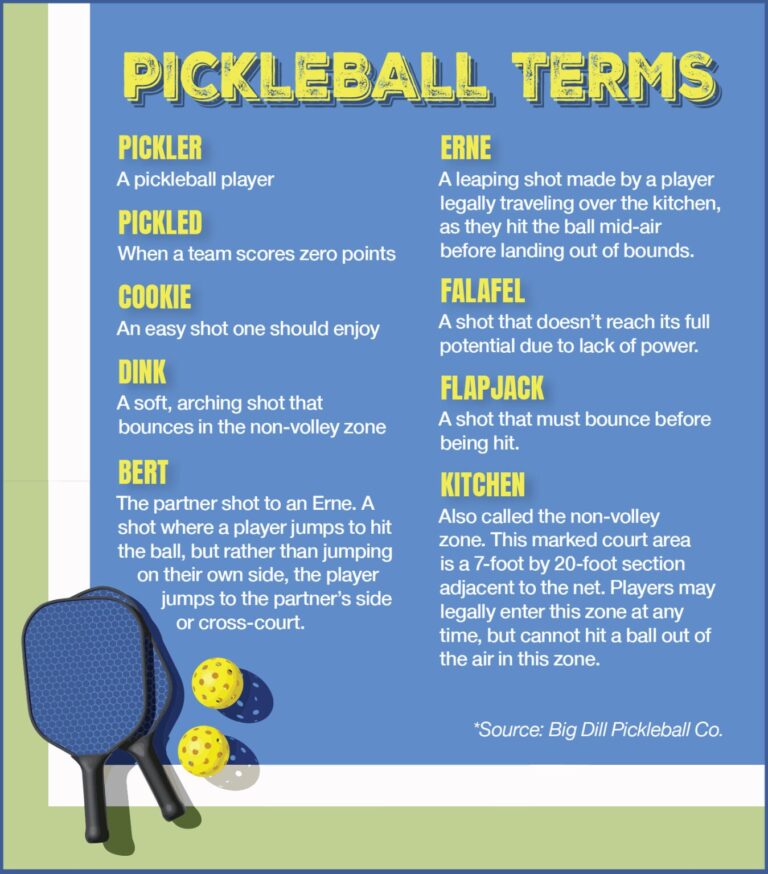
In pickleball, the kitchen, also known as the non-volley zone, is a 7-foot area on both sides of the net. This zone plays a crucial role in the game. Players cannot volley while standing in the kitchen. This rule prevents aggressive plays close to the net.
Understanding the kitchen’s role can improve your game strategy. Knowing where and when to hit the ball is vital. This blog post will explain the kitchen in pickleball. We’ll cover its rules and why it matters. Ready to learn more? Let’s dive in!
Introduction To Pickleball
Pickleball is a fun and fast-paced sport. It’s easy to learn and play. Many people enjoy it in their free time. It’s a mix of tennis, badminton, and ping pong. Players use paddles and hit a ball over a net. The kitchen in pickleball is a unique rule that adds excitement to the game. Let’s dive into the basics of this sport.
Brief History
Pickleball started in 1965. Three dads invented it to entertain their kids. They created it on Bainbridge Island, near Seattle, Washington. They used ping pong paddles and a wiffle ball. The name “pickleball” came from one of the dad’s dogs, Pickles. Pickles loved to chase the ball. Over time, the sport grew in popularity. Today, millions play pickleball worldwide.
Basic Rules
Pickleball is played on a court similar to a badminton court. The net is lower than a tennis net. Games can be singles or doubles. The first team to reach 11 points wins. Players must win by two points. The serve must be underhand. The ball must bounce once on each side before volleys. Volleys are hits before the ball bounces. The kitchen is a key rule. It’s the non-volley zone. Players cannot hit volleys while standing in the kitchen. This rule keeps the game fair and fun.
Credit: northstateresurfacing.com
Defining The Kitchen
The “kitchen” in pickleball is a unique area on the court. It is crucial for understanding the game. Knowing about the kitchen can improve your skills.
Location On The Court
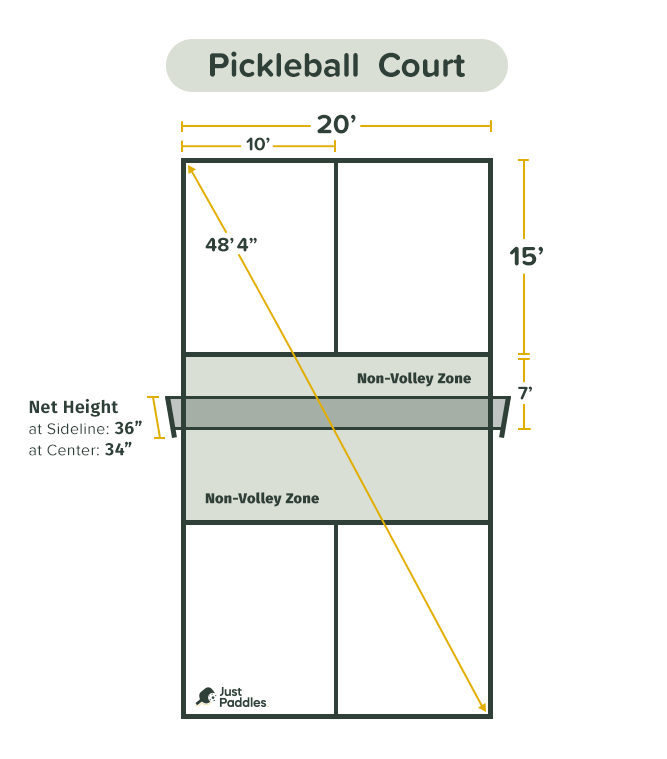
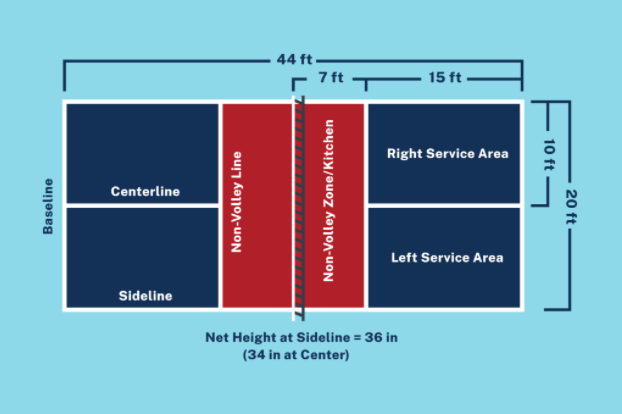
The kitchen is located near the net. It extends 7 feet from the net on each side. This area is also called the non-volley zone. Players cannot hit the ball from this zone without letting it bounce first.
Markings And Measurements
The kitchen is clearly marked on the court. The lines that define the kitchen are part of the kitchen. So, stepping on these lines is considered being in the kitchen.
| Measurement | Details |
|---|---|
| Length | 7 feet from the net |
| Width | Extends across the width of the court |
The kitchen is a key part of the game. Knowing its rules can help you play better. Always remember, you cannot volley in this area. This means you must let the ball bounce first before returning it.
Importance Of The No-volley Zone
The no-volley zone in pickleball, also called the kitchen, is a critical area. It spans seven feet from both sides of the net. Understanding this zone is essential for improving your game. The no-volley zone prevents players from volleying close to the net. This rule adds complexity and strategy to the game.
Preventing Smashes
The no-volley zone is important for preventing smashes. Without this zone, players could stand near the net and hit smashes. This would make the game unfair and less enjoyable. The kitchen rule forces players to volley from behind the line. This reduces the chance of overwhelming smashes.
Players must learn to control their shots. They need to focus on placing the ball accurately. This adds a level of skill to the game. It also ensures matches are more balanced and competitive.
Enhancing Strategy
The no-volley zone also enhances strategy. Players need to think about their positioning. They can’t just rely on power to win points. Instead, they must use finesse and tactical plays. This makes the game more interesting and challenging.
| Benefit | Description |
|---|---|
| Shot Placement | Players focus on accurate shots, not just power. |
| Positioning | Players must be aware of their position relative to the net. |
| Balanced Play | The rule prevents dominant, overpowering shots. |
Players often use drop shots and dinks. These are soft shots that land just over the net. These shots are effective within the no-volley zone. They require precision and control. Mastering these shots can give players an edge.
In summary, the no-volley zone is crucial. It adds depth and balance to pickleball. Understanding its importance can greatly improve your gameplay.

Credit: www.sportrx.com
Rules Governing The Kitchen
The kitchen in pickleball is a crucial area with specific rules. Understanding these rules ensures fair play and enhances your game. Let’s delve into the key rules governing the kitchen.
Foot Faults
One major rule involves foot faults. You cannot step into the kitchen when volleying. This means both your feet must stay outside the kitchen line. If any part of your foot touches the kitchen during a volley, it’s a fault.
Also, after hitting a volley, you must establish both feet outside the kitchen. This prevents players from gaining an unfair advantage. Foot faults are strictly monitored during play.
Volley Restrictions
Volleying from the kitchen is not allowed. You can only hit a volley outside the kitchen. This rule maintains the challenge of the game. It prevents players from dominating the net area.
Players must be aware of their position at all times. Staying outside the kitchen while volleying is crucial. This restriction ensures fair and competitive play.
Strategies For Playing Near The Kitchen
Playing near the kitchen in pickleball can be both strategic and rewarding. The kitchen, also known as the non-volley zone, is a critical area on the court. It requires players to be precise and quick. Implementing effective strategies near the kitchen can significantly impact your game.
Dinking Techniques
Dinking is a soft, controlled shot that lands in the opponent’s kitchen. It forces them to return the ball at a difficult angle.
- Keep the ball low: A low dink makes it harder for opponents to attack.
- Use a relaxed grip: A loose grip provides better control and touch.
- Vary your placement: Aim for different spots to keep your opponent guessing.
Positioning Tips
Proper positioning near the kitchen is crucial for effective play.
| Tip | Description |
|---|---|
| Stay balanced | Maintain a stable stance to react quickly to shots. |
| Move with your partner | Coordinate movements to cover the court efficiently. |
| Watch the ball | Keep your eyes on the ball to anticipate shots better. |
By mastering these dinking techniques and positioning tips, you can gain an edge over your opponents. The kitchen area demands finesse and quick thinking. Practice these strategies to improve your game and dominate the kitchen.
Common Mistakes To Avoid
Understanding the kitchen in pickleball is essential for avoiding common mistakes. The kitchen, or non-volley zone, is a crucial part of the court. Many players, especially beginners, often make mistakes related to the kitchen. These mistakes can cost points and lead to frustration. This section discusses these common mistakes and how to avoid them.
Stepping Into The Kitchen
One of the most common mistakes is stepping into the kitchen. Players often step into the kitchen when hitting a volley. Remember, you can’t hit a volley while in the kitchen. This rule is strict. Stepping into the kitchen can give your opponent a point.
Focus on your foot placement. Always be aware of where your feet are. Practicing this awareness can help you avoid stepping into the kitchen. Staying behind the kitchen line can keep you from making this mistake.
Improper Volleys
Improper volleys are another frequent mistake. Players sometimes hit the ball too hard or too soft. This can lead to errors. The key is to control your volley. Aim for a gentle touch on the ball. This keeps it in play and avoids giving your opponent an easy shot.
Practice makes perfect. Work on your volleys during practice sessions. Focus on hitting the ball with the right amount of force. Consistency is crucial. With practice, you can improve your volleys and avoid mistakes.
Practicing Kitchen Play
Practicing kitchen play in pickleball is vital for improving your game. The kitchen, or non-volley zone, requires special skills and techniques. Regular practice helps you become more confident and precise in this area. Below, we explore some drills and exercises, as well as partner practice, to enhance your kitchen play.
Drills And Exercises
Start with simple drills. Practice dinking the ball softly over the net. Focus on control and placement. Aim for different spots in the kitchen. This helps improve accuracy and consistency.
Progress to more advanced drills. Try the “cross-court dink” drill. Stand on one side of the court. Dink the ball diagonally to the opposite kitchen. This improves your angle shots and movement.
Work on your footwork too. Practice moving in and out of the kitchen. Quick steps and balanced movements are key. This helps you stay agile and ready for any shot.
Partner Practice
Partner practice is essential for kitchen play. Pair up with a practice buddy. Start with simple dinking back and forth. Focus on keeping the ball in play. Consistency is more important than power.
Move to more competitive drills. Try “dink battles”. Each player tries to out-dink the other. Keep the ball low and controlled. This helps simulate real game situations.
Communicate with your partner. Discuss strategies and techniques. Share feedback and tips. This helps both players improve and understand each other better.

Credit: www.justpaddles.com
Advanced Kitchen Tactics
The kitchen in pickleball is an area of strategic importance. It demands both offensive and defensive skills. Advanced players use the kitchen to control the game. Understanding advanced kitchen tactics can elevate your play. This section covers both offensive and defensive maneuvers.
Offensive Plays
Offensive plays in the kitchen involve aggressive shots. These shots aim to put pressure on your opponents.
- Third Shot Drop: A soft shot that lands in the kitchen. Forces your opponents to hit up on the ball.
- Dinking: Light taps that keep the ball low. Makes it hard for opponents to attack.
- Volleys: Hitting the ball before it bounces. Quick and decisive.
Defensive Maneuvers
Defensive maneuvers in the kitchen help you maintain control. They prevent your opponents from gaining an advantage.
- Blocking: Absorbing the impact of a hard shot. Redirecting the ball to a less aggressive position.
- Resetting the Point: Sending the ball back softly. Slows down the game and resets the rally.
- Anticipation: Reading your opponent’s next move. Positioning yourself effectively to counter their play.
Frequently Asked Questions
What Is The Kitchen In Pickleball?
The kitchen, or non-volley zone, is a seven-foot area on both sides of the net. Players cannot volley within this zone.
Why Is It Called The Kitchen In Pickleball?
The term “kitchen” likely originated from shuffleboard, where it refers to a penalty zone. It adds a fun twist to the game.
Can You Stand In The Kitchen In Pickleball?
Yes, you can stand in the kitchen, but you cannot volley the ball while inside it.
What Happens If You Step In The Kitchen In Pickleball?
If you volley while in the kitchen, it’s a fault. This results in losing the point or serve.
Conclusion
Understanding the kitchen in pickleball is crucial for players. It enhances gameplay and strategy. Remember, the kitchen is a no-volley zone. Stepping in it has specific rules. Practice helps in mastering its nuances. Stay aware of your position and movements.
This knowledge can improve your pickleball experience. Enjoy your time on the court. Keep practicing and playing. Happy pickleballing!