When To Switch From Stiff To Regular Shafts: Ultimate Guide 2026

Are you feeling like your golf shots aren’t quite hitting the mark lately? Maybe your drives lack distance, or your irons don’t feel as controlled as they used to.
One key factor that could be affecting your game is the flex of your golf shafts. Knowing when to switch from stiff to regular shafts can make a huge difference in your performance. You’ll discover the simple signs that tell you it’s time for a change, how shaft flex impacts your swing and ball flight, and practical tips to help you make the right choice.
Keep reading to unlock the secret to smoother swings and straighter shots!
Shaft Flex Basics
The flex of a golf shaft affects how the club feels and performs during a swing. Choosing the right flex helps improve accuracy and distance. Understanding shaft flex basics is key before deciding to switch between stiff and regular shafts.
Shaft flex refers to how much the shaft bends during the swing. A shaft that is too stiff or too flexible can cause poor shots. Knowing the differences between regular and stiff shafts helps golfers pick the best option for their swing style.
Regular Vs Stiff Characteristics
Regular shafts bend more during the swing. This creates a softer feel and helps generate more clubhead speed. Stiff shafts bend less and feel firmer. They provide better control and reduce unwanted twisting of the clubface.
Golfers with slower swing speeds often prefer regular shafts. Those with faster swings usually need stiff shafts to maintain accuracy. The right flex matches the golfer’s swing tempo and strength.
Impact On Ball Flight
The shaft flex influences the ball’s trajectory and direction. Regular shafts tend to launch the ball higher. This can add distance for slower swingers. Stiff shafts produce a lower, more controlled ball flight. They help reduce slices and hooks for stronger players.
Choosing the wrong flex can cause inconsistent ball flight. Too stiff shafts may cause shots to go left or right. Too flexible shafts can result in weak or ballooning shots. The correct flex promotes straighter and longer shots.
Common Swing Speeds
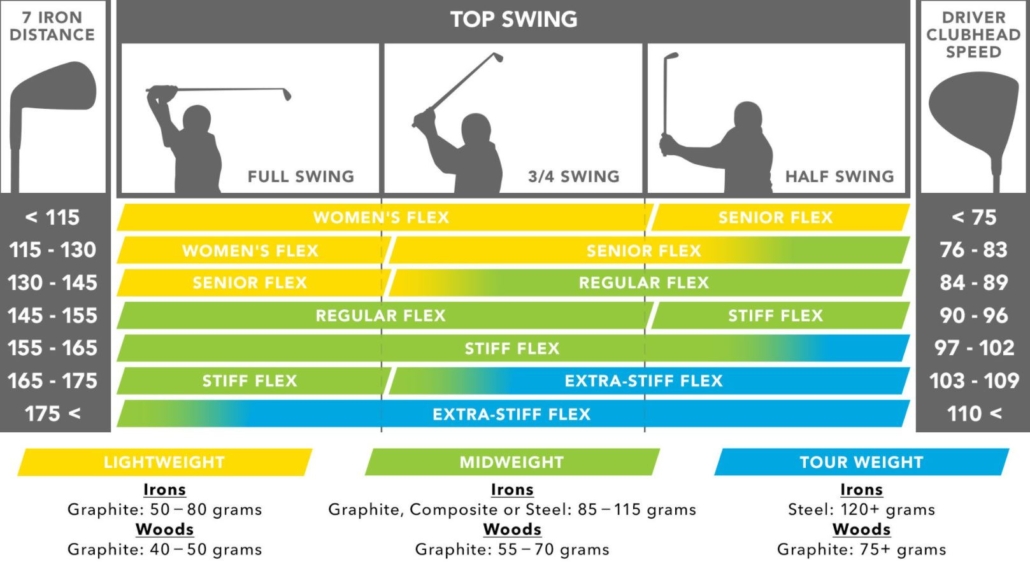
Golfers with swing speeds between 75 and 90 mph usually benefit from regular shafts. These shafts help create smooth swings and better distance. Players swinging faster than 90 mph often switch to stiff shafts. The stiff flex controls the clubhead during fast swings.
Measuring swing speed is a good way to decide on shaft flex. Many golf shops offer testing to find your ideal shaft. Knowing your swing speed avoids using shafts that do not match your game.
Signs You Need To Switch
Knowing when to switch from stiff to regular shafts can improve your golf game. The right shaft flex helps you hit the ball better. Some signs show that stiff shafts no longer fit your swing. These signals help you decide if a change is needed.
Feeling Unresponsive Or Wooden
If your stiff shaft feels stiff and unresponsive, it might be time to switch. A wooden or hard feeling means the shaft does not flex enough. This limits the club’s natural movement and reduces feedback at impact. A regular shaft feels softer and more connected to your swing.
Loss Of Distance Or Control
A drop in distance or control can signal the wrong shaft flex. Stiff shafts require faster swings for maximum power. Slower swings struggle to load the shaft properly, causing less distance. Control also suffers because the clubhead does not release well. Regular shafts offer better distance and control for moderate swing speeds.
Consistent Slice Or Hook
Repeated slices or hooks can mean the shaft flex is not right. Stiff shafts may cause a slice if your swing speed is too slow. A hook might happen if you try to force the ball with a stiff shaft. Using a regular shaft can help straighten your shots and improve accuracy.
Swing Speed And Shaft Flex
Choosing the right shaft flex depends largely on your swing speed. Shaft flex controls how much the golf shaft bends during your swing. A shaft that is too stiff can reduce distance and accuracy. Too flexible, and you may lose control. Understanding the relationship between swing speed and shaft flex helps you pick the best fit for your game.
Ideal Speeds For Regular Shafts
Regular shafts work best for golfers with moderate swing speeds. Typically, this means a driver swing speed between 85 and 95 miles per hour. At these speeds, regular shafts provide a good balance of flex and control. They help generate enough clubhead speed without causing the shaft to feel too stiff. This flex also helps improve launch angle and spin for better distance.
Ideal Speeds For Stiff Shafts
Stiff shafts suit players with faster swing speeds. Usually, this means speeds of 95 miles per hour or higher. Stiff shafts offer less bend, giving more control over the clubhead. This helps prevent hooks, slices, and inconsistent shots. Golfers who swing fast need stiffer shafts to keep the ball flight straighter. Using a shaft that is too flexible at high speeds can cause loss of accuracy and distance.
How Tempo Affects Flex Choice
Tempo, or the rhythm of your swing, also affects shaft flex choice. A smooth, slower tempo fits well with regular shafts. These shafts flex more easily, matching the swing pace. A quick, aggressive tempo usually needs a stiffer shaft. Stiff shafts respond better to fast, powerful swings. Matching your tempo with the right flex helps improve timing and shot consistency.
Credit: www.reddit.com
Performance Differences
Choosing between stiff and regular golf shafts affects your performance on the course. Each shaft type changes how the ball flies and how you feel during your swing. Understanding these differences helps you decide when to switch shafts for better results.
Distance And Launch Angle
Regular shafts bend more during the swing. This flex helps create higher launch angles. Higher launch angles often lead to longer carry distances for slower swings. Stiff shafts bend less, producing a lower launch angle. This suits players with faster swings who want more control. Using the right shaft flex can maximize your distance by matching your swing speed.
Shot Dispersion And Accuracy
Stiff shafts offer more control over the clubhead. This control reduces twisting at impact. Less twisting means straighter shots and tighter shot dispersion. Regular shafts can cause more twisting in fast swings. This may lead to wider shot dispersion and less accuracy. Players who struggle with slices or hooks often benefit from stiff shafts. Choosing the correct shaft flex improves your shot consistency.
Feel And Feedback
Regular shafts provide a softer, more flexible feel. This helps players sense the club’s movement during the swing. The feedback is gentle, which suits slower or moderate swing speeds. Stiff shafts feel firmer and more rigid. They give clear feedback on impact but can feel harsh for slower swings. The right feel improves confidence and swing rhythm. Switching shafts affects how connected you feel to your shots.
When To Choose Regular Shafts
Choosing the right golf shaft flex impacts your swing and shot quality. Regular shafts offer more flexibility and suit many players better than stiff shafts. Knowing when to switch can improve your distance, accuracy, and comfort.
Slower Swing Speeds
Regular shafts work well for golfers with slower swing speeds. If your swing speed is below 90 mph, a regular shaft helps you generate more clubhead speed. This flex allows the shaft to bend more during your swing. The result is better energy transfer to the ball and improved distance.
Need For More Distance
Golfers needing extra distance often benefit from regular shafts. The additional flex helps launch the ball higher and farther. Regular shafts can increase your carry distance by optimizing your launch angle. This is useful if you struggle to hit the ball far enough with stiff shafts.
Softer Feel Preference
Some players prefer the softer feel of regular shafts. These shafts absorb more vibration on impact, creating a smoother swing experience. The softer flex reduces harsh feedback from off-center hits. This feel can boost confidence and consistency during play.
When To Choose Stiff Shafts
Choosing the right shaft flex is key to better golf shots. Stiff shafts suit players with stronger swings. They offer stability and control during impact. Understanding when to pick stiff shafts helps improve consistency.
Here are clear signs to choose stiff shafts for your golf clubs.
Faster Swing Speeds
Stiff shafts perform well with faster swing speeds. When your swing speed is over 90 mph, a stiff shaft offers better energy transfer. It prevents the shaft from bending too much. This leads to straighter and more powerful shots.
Desire For More Control
Golfers seeking better control often choose stiff shafts. These shafts reduce unwanted shaft flex during the swing. This means the clubface stays more stable at impact. The result is improved accuracy and shot consistency.
Reducing Slice Or Fade
Stiff shafts help reduce slice or fade tendencies. Players with these shot shapes benefit from less shaft twisting. The firmer shaft keeps the clubface square to the target line. This correction helps produce straighter ball flights.
Getting Professionally Fitted
Getting professionally fitted for golf shafts can make a big difference in your game. A fitting session helps identify the right shaft flex for your swing. This ensures better control, distance, and consistency. Experts use tools and experience to match shafts to your unique swing characteristics.
Benefits Of A Custom Fit
A custom fit improves your overall performance on the course. It increases accuracy by matching shaft flex to your swing speed. You gain better feel and control during your swing. A proper fit also reduces the chance of injury. Lastly, it helps maximize distance and consistency with every shot.
What Fitters Look For
Fitters assess your swing speed as the key factor. They watch how the shaft bends during your swing. They check your tempo and release timing carefully. Ball flight and shot shape also give clues. These details help them find the best shaft flex and weight for you.
Technology In Shaft Fitting
Modern fitting uses launch monitors to track ball speed and spin. High-speed cameras capture your swing mechanics precisely. Sensors measure shaft load and flex in real time. Data from these tools guide the fitter’s recommendations. Technology makes the fitting process more accurate and reliable.
Transition Tips
Switching from stiff to regular shafts requires careful steps. These transition tips help you adjust smoothly and improve your game. The process is about testing, adapting, and watching how your shots change. Each step is important for a better feel and control.
Testing Different Shafts
Try various shaft options before deciding. Visit a golf shop or fitting center. Use a launch monitor to see ball speed and accuracy. Testing helps find the right flex for your swing speed. Take notes on how each shaft feels and performs.
Adjusting Your Swing
Changing shaft flex means changing your swing slightly. A regular shaft bends more, so timing is key. Focus on smooth, controlled swings rather than power. Practice with the new shaft to build confidence. Small changes in swing tempo can improve contact and distance.
Monitoring Performance Changes
Track your shot patterns after switching shafts. Look for changes in ball flight and distance. Notice if shots become straighter or if accuracy improves. Keep an eye on your comfort and fatigue levels. Adjust further if performance does not improve after practice.
Common Myths And Misconceptions
Many golfers have wrong ideas about when to switch from stiff to regular shafts. These myths cause confusion and wrong choices. Understanding the facts helps improve your golf experience. Let’s clear up common myths and misconceptions.
Shaft Flex And Skill Level
Some believe only beginners need regular shafts. This is not true. Shaft flex depends on swing speed, not skill alone. A skilled player with slower swing speed may benefit from a regular shaft. Choosing flex by skill level only can limit your performance.
Flex And Clubhead Speed
Many think stiff shafts suit all fast swings. Clubhead speed is important but not the only factor. Swing tempo and feel also matter. A fast but smooth swing may work better with regular flex. Stiff shafts help those with very fast, aggressive swings.
Mixing Flexes In Your Set
Some say all clubs must have the same flex. Mixing flexes in your set is common and useful. Longer clubs often need stiffer shafts for control. Shorter irons can use more flexible shafts for better feel. Custom sets with mixed flexes improve consistency and comfort.

Credit: www.youtube.com

Credit: www.reddit.com
Frequently Asked Questions
When Should I Switch To Regular Shafts?
Switch to regular shafts when your swing speed is moderate (85-95 mph) or you need more distance and a softer feel. Regular shafts help generate clubhead speed and improve launch for smoother swings. Get professionally fitted to confirm the best flex for your game.
How To Tell If Golf Shafts Are Too Stiff?
Golf shafts feel too stiff if swings feel sluggish, shots lack distance, or the club feels unresponsive at impact.
At What Swing Speed Should You Change Shaft Stiffness?
Change shaft stiffness at swing speeds around 90-95 mph. Use regular flex below this, stiff flex above. Proper flex improves control and distance.
Should I Use Stiff Or Regular Shaft Irons?
Use stiff shaft irons if your swing speed exceeds 90 mph for better control and accuracy. Choose regular shafts for slower swings to boost distance and feel. Getting professionally fitted helps match shaft flex to your swing tempo and desired ball flight.
Conclusion
Choosing the right shaft flex impacts your golf performance greatly. Stiff shafts suit faster swings and control needs. Regular shafts help players with slower swings gain distance. Pay attention to your swing speed and ball flight patterns. Feeling a loss of distance or control signals it’s time to switch.
Testing different shafts can reveal what fits your style best. Getting a professional club fitting offers the most accurate advice. Stay patient and listen to your body’s feedback on the course. Finding the right shaft flex leads to better consistency and enjoyment.