
Pickleball kitchen size matters for both new and experienced players. Understanding the kitchen dimensions can impact your game strategy.
The “kitchen” in pickleball is a crucial area on the court. This non-volley zone affects how you play and move. Knowing the standard kitchen size helps in training and actual gameplay. Whether setting up a home court or practicing in a gym, the right dimensions ensure fair play.
This guide will explain the importance of kitchen size and how it influences your pickleball experience. Learn about the official measurements and how to use this space to your advantage. Stay tuned to improve your skills and enjoy the game more.

Credit: teachme.to
Contents
Importance Of Kitchen Size In Pickleball
Kitchen size in pickleball is crucial for fair play and strategy. Smaller kitchens demand quick reflexes, while larger ones offer more maneuvering space. Understanding the kitchen’s dimensions can enhance your gameplay.
Pickleball is a fast-growing sport. The kitchen size plays a vital role in it. The kitchen, also known as the non-volley zone, impacts the game’s flow. Its size affects strategy and player movement. Understanding the right kitchen size can improve your gameplay.Impact On Gameplay
The kitchen size directly influences pickleball strategies. A larger kitchen means more room to move. It offers players a chance to position themselves better. Smaller kitchens require quicker reflexes. They force players to make fast decisions. Both sizes have unique challenges and benefits.Advantages Of Optimal Size
An optimal kitchen size balances the game. It offers enough room for strategic plays. Players can plan their shots better. It also ensures fair play for all skill levels. The right size helps in smoother, enjoyable matches. It keeps the game competitive yet fun. “`Standard Dimensions
Understanding the standard dimensions of a pickleball kitchen is vital. It helps ensure you play the game correctly. The kitchen, also known as the non-volley zone, has specific measurements. These measurements are important for both casual and competitive play.
Regulation Kitchen Measurements
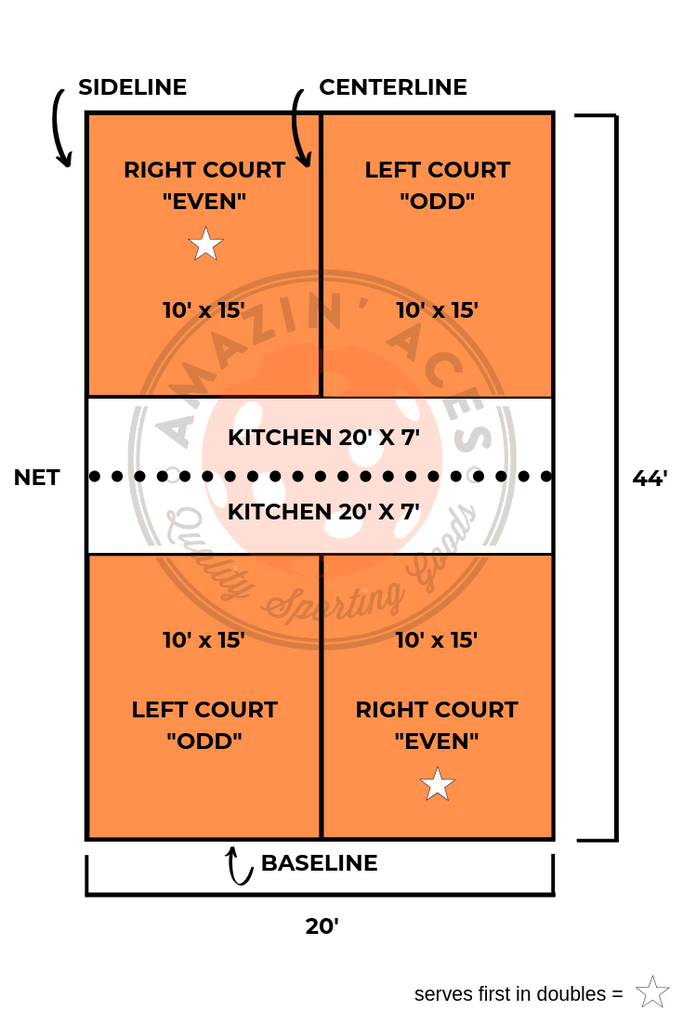
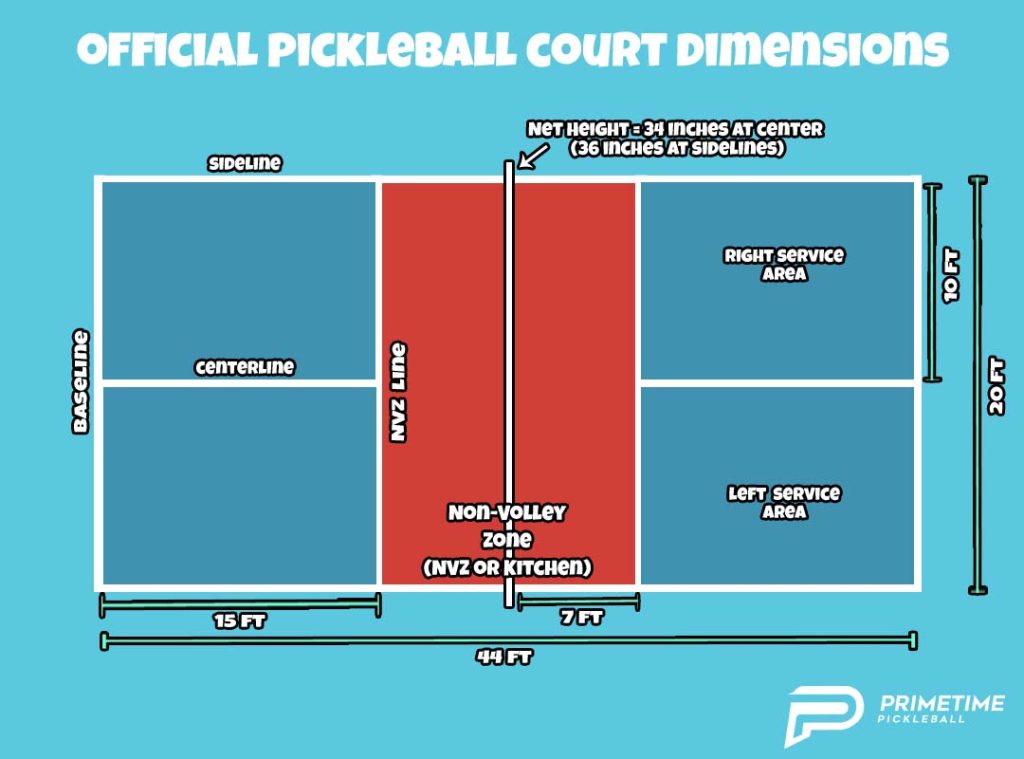
The kitchen in pickleball is a rectangular area. It is 7 feet from the net on both sides. This zone extends across the full width of the court. Here are the key measurements:
- Length from the net: 7 feet
- Width of the court: 20 feet
Players must avoid volleying the ball within this area. This rule helps maintain fair play.
Official Court Specifications
A standard pickleball court is 44 feet long and 20 feet wide. The court is divided into two equal halves by a net. The net height is 36 inches at the sidelines and 34 inches at the center.
| Measurement | Feet |
|---|---|
| Length of the Court | 44 feet |
| Width of the Court | 20 feet |
| Net Height at Sidelines | 36 inches |
| Net Height at Center | 34 inches |
These dimensions ensure a fair and consistent game. They also help improve the player’s performance.
Assessing Your Court
Setting up a pickleball court in your kitchen requires careful planning. You need to ensure the space is suitable for play. This means measuring the area and identifying any possible adjustments. Let’s dive into how you can assess your kitchen space effectively.
Measuring Your Space
Start by measuring the length and width of your kitchen. Use a tape measure for accuracy. Standard pickleball courts are 44 feet long and 20 feet wide. However, you can adjust these dimensions for smaller spaces.
Next, check the ceiling height. Ensure there’s enough clearance for overhead shots. A minimum of 12 feet is ideal. Note any fixtures or cabinets that may interfere with play.
Identifying Potential Adjustments
Consider any modifications needed to fit the court in your kitchen. Move furniture or appliances to create more space. Mark the boundaries of your court with tape or chalk. This helps visualize the playing area.
Check the floor surface. Hardwood or tile floors provide a good bounce for the ball. Place mats or rugs around the court to prevent slipping. Ensure the area is well-lit for better visibility during play.
By making these adjustments, you can create a functional and enjoyable pickleball court in your kitchen. Happy playing!
Credit: primetimepickleball.com
Optimizing Your Kitchen Area
Optimizing your kitchen area in pickleball is crucial for a smooth game. A well-arranged kitchen boosts player movement, reduces errors, and enhances enjoyment. By adjusting boundaries and enhancing player movement, you can make the most of your kitchen space.
Adjusting Boundaries
Define the kitchen boundaries clearly. Use tape or paint to mark the lines. A clear boundary helps players avoid faults. Ensure the kitchen is exactly 7 feet from the net on both sides. Accurate measurements are essential for fair play.
Check the width too. The kitchen should stretch the entire width of the court. Verify these dimensions regularly. This keeps the game consistent and fair. Well-defined boundaries help players stay within the rules.
Enhancing Player Movement
Arrange the court to allow free movement. Keep obstacles away from the kitchen. This includes nets, poles, and furniture. An open space ensures players can move quickly and safely.
Encourage players to practice footwork. Good footwork helps players stay agile and avoid faults. Simple drills can improve movement. Quick steps, balance exercises, and pivot drills are effective.
Consider the surface. A smooth, non-slip surface is ideal. It reduces the risk of falls and injuries. Regular maintenance keeps the surface in good condition.
Provide enough lighting. Good lighting helps players see the boundaries and the ball clearly. This reduces errors and improves the overall game experience.
| Aspect | Importance |
|---|---|
| Clear Boundaries | Reduces faults, ensures fair play |
| Obstacle-Free Area | Ensures safe movement |
| Good Surface | Reduces risk of falls |
| Proper Lighting | Improves visibility and reduces errors |
Design Considerations
Designing a pickleball kitchen involves several important considerations. Ensuring the space is functional and efficient is crucial. A well-designed kitchen can enhance gameplay and safety. Let’s dive into key aspects of the design.
Surface Materials
Choosing the right surface material is essential. The kitchen floor should provide good traction. This helps prevent slips and falls. Common materials include concrete and asphalt. These surfaces are durable and easy to maintain. Ensure the surface is smooth. Any uneven areas can cause accidents.
Boundary Markings
Clear boundary markings are crucial for defining the kitchen area. Use bright, contrasting colors for visibility. This helps players easily identify the kitchen boundaries. Permanent paint or tape can be used for markings. Make sure the markings are straight and even. This ensures consistency during gameplay.

Credit: www.amazinaces.com
Impact On Strategy
Pickleball kitchen size has a significant impact on strategy. The kitchen, or non-volley zone, affects how players approach offensive and defensive techniques. Understanding how to use this area can make a difference in your game.
Offensive Techniques
Using the kitchen for offensive techniques can be a game-changer. Short dinks and drop shots are effective. These shots make the opponent reach into the kitchen. This disrupts their position and timing. Players can also use angles. Sharp angles can force errors and open up the court. Quick volleys near the kitchen line are useful too. They catch opponents off guard. Practicing these shots improves your offensive strategy.
Defensive Techniques
Defensive techniques in the kitchen are just as important. Staying low and balanced helps with quick reactions. Use soft hands to absorb the ball’s speed. This keeps the ball in play. Also, clear the kitchen quickly after hitting. This avoids faults and keeps you ready for the next shot. Positioning is crucial. Stand just behind the kitchen line. This allows you to defend and counter-attack effectively.
Common Mistakes
Creating the perfect pickleball kitchen can be challenging. Many make common mistakes that hinder play. These errors can be easily avoided with the right approach.
Overlooking Measurements
One big mistake is not measuring the space properly. The kitchen area in pickleball has specific dimensions. It is 7 feet from the net on both sides. Ignoring these measurements can lead to a cramped or oversized area. Both can affect the game negatively. Always use a tape measure. Double-check the dimensions before finalizing the setup.
Ignoring Player Feedback
Player feedback is crucial. Many dismiss it as unimportant. This is a mistake. Players experience the game firsthand. They know what works and what doesn’t. Listen to their suggestions. They can provide insights on the kitchen’s setup. Maybe the flooring is too slippery. Or the net height feels off. Address these issues to improve the playing experience.
Expert Tips
Pickleball is a fun and exciting game that can be played indoors. Creating the perfect pickleball kitchen size is essential for an enjoyable experience. Here are some expert tips to help you design the best pickleball kitchen.
Professional Insights
Experts recommend a kitchen area of at least 7 feet from the net. This size helps players avoid stepping into the non-volley zone. It also ensures fair play. Professionals also suggest marking the boundaries clearly. Use bright tape or paint for visibility.
Practical Advice
Ensure the surface of your pickleball kitchen is smooth. Avoid any tripping hazards. A well-lit area enhances visibility and safety. Consider using portable nets for flexibility. They are easy to set up and store. Keep the kitchen area free from clutter. This helps players move freely and focus on the game.
Frequently Asked Questions
What Is The Ideal Pickleball Kitchen Size?
The ideal pickleball kitchen size is 7 feet deep and 20 feet wide. This measurement ensures fair play and consistent gameplay.
Why Is The Kitchen Size Important In Pickleball?
The kitchen size is important to prevent volleying close to the net. It ensures fair play and reduces the risk of injury.
Can The Kitchen Size Vary In Pickleball?
The official kitchen size should not vary. It is standardized at 7 feet deep and 20 feet wide.
How Do You Measure The Pickleball Kitchen?
To measure the pickleball kitchen, use a tape measure. Measure 7 feet from the net and 20 feet across the court.
Conclusion
Choosing the right kitchen size for pickleball matters. It impacts your practice space. Smaller kitchens work for tight areas. Larger kitchens offer more room to move. Measure your space carefully. Consider your playing style and needs. Make sure your setup feels comfortable.
A well-sized kitchen enhances your pickleball experience. Enjoy practicing and improving your skills at home. Happy playing!
