How Long After Toenail Removal Can I Wear Shoes: Guide

For most people in the United States, loose shoes may be possible within a few days after toenail removal, but closed-toe shoes often feel better after about 1 to 2 weeks. Some people need 2 to 4 weeks, especially after full nail removal, infection, swelling, or a procedure that uses a chemical to stop the nail from growing back.
Your podiatrist’s instructions come first. The safest time to wear shoes depends on the wound, dressing, pain, swelling, and type of nail procedure—not just the number of days since surgery.
The short answer: when can you wear shoes?
You can usually wear shoes when they do not press on the treated toe, rub the wound, or make pain and swelling worse.
A common recovery pattern looks like this:
| Time after removal | What many people can tolerate |
|---|---|
| First 24–48 hours | Rest and an open-toe sandal or surgical shoe, if allowed |
| Days 3–7 | Wide, soft shoes for short periods if swelling is low |
| About 1–2 weeks | Many people return to regular shoes with a roomy toe box |
| About 2–4 weeks | Some people need this long before closed shoes feel safe or comfortable |
| Several weeks or longer | Drainage, tenderness, infection, or slow healing may delay normal footwear |
These are general ranges, not a personal clearance. The American College of Foot and Ankle Surgeons notes that recovery varies based on the procedure and the patient’s health. Follow-up instructions from your surgeon may be more specific.
A partial nail removal often causes less discomfort than removal of the entire nail. A procedure that removes part of the nail root may also leave a wound that needs care for several weeks.
What changes the shoe timeline?
The biggest factors are the type of procedure, wound drainage, swelling, and your general health.
Partial versus total toenail removal
A partial removal takes away only the side or part of the nail. A total removal takes away the whole nail. A larger treated area may stay sore longer and may need more room inside the shoe.
If your clinician treated the nail root with a chemical, the toe may continue to drain for a while. This drainage does not always mean infection, but it means the dressing and wound need protection.
Simple removal versus infected or ingrown toenail surgery
An ingrown toenail may be removed because the nail edge cuts into the skin. If the toe was already red, swollen, or infected, healing can take longer.
Your clinician may also prescribe medicine or give special cleaning instructions. Do not use a tight shoe to cover the toe if it increases pressure or traps moisture.
Your health and circulation
Diabetes, poor blood flow, nerve damage, immune problems, and smoking can slow healing or reduce your ability to feel harmful pressure. People with these conditions should ask their clinician when to use a closed shoe.
A shoe may cause damage before you feel it if sensation is reduced. This is one reason people with diabetes should not rely only on pain as a safety check.
How to tell if you are ready for closed-toe shoes
you may be ready to test a closed-toe shoe when:
- Bleeding has stopped.
- The dressing fits without being crushed.
- Swelling is mild and stable.
- The toe is not becoming more red or painful.
- The shoe leaves space around the treated area.
- You can walk without a strong increase in pain.
- The wound is protected as your clinician advised.
Start with a short trial at home. Wear the shoe for about 15 to 30 minutes, then remove it and check the toe. Look for new redness, throbbing, bleeding, wet drainage, or a pressure mark.
If symptoms increase, switch back to a wider or open shoe and contact your care team if the problem continues.
What shoes should you wear after toenail removal?
The best early footwear is protective, roomy, and easy to adjust.
Good early choices
- Open-toe sandals, if they protect the toe from bumps
- A postoperative shoe
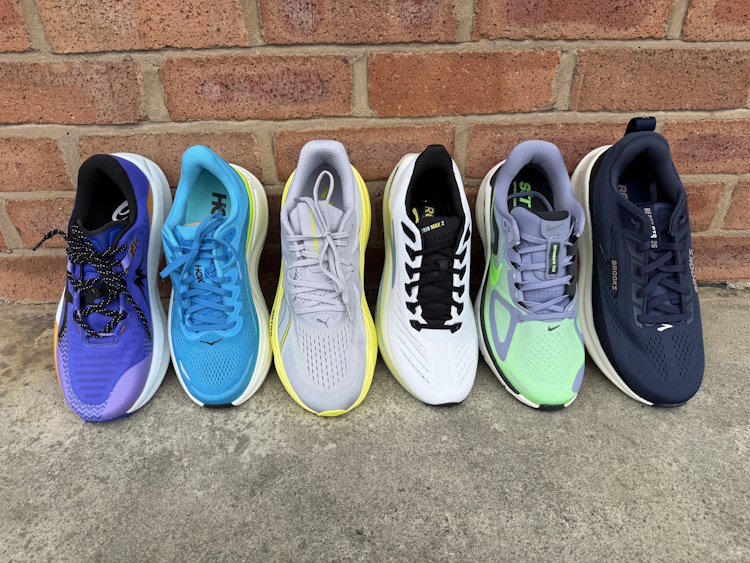
- A wide athletic shoe with loose laces
- A soft slipper with a large toe area
- Shoes with adjustable straps
A stiff postoperative shoe can reduce bending and pressure. Use one only if your clinician recommends it or if it fits the care plan.
Shoes to avoid at first
Avoid shoes that:
- Press against the nail or bandage
- Have a narrow or pointed toe
- Force the toes together
- Rub the side of the toe
- Trap heat and moisture
- Make you limp
- Leave no room for swelling
High heels can shift body weight toward the toes. They are usually a poor choice while the toe is tender or covered.
Choose a shoe with enough length and width for the dressed toe. The toe should not touch the front. Compare both feet, because the treated foot may need a larger or wider shoe for a short time.
How to wear a shoe safely after the procedure
Use this simple step-by-step method:
- Check the dressing. Make sure it is clean, secure, and not too tight.
- Inspect the toe. Look for new bleeding, spreading redness, or unusual swelling.
- Choose the roomiest shoe. A wide toe box matters more than fashion or brand.
- Put the shoe on slowly. Do not force the foot into a tight opening.
- Walk for a short time. Begin indoors on a clean, safe surface.
- Remove the shoe and recheck the toe. Look for rubbing or pressure.
- Increase wear time gradually. Add time only when the toe stays comfortable.
Do not remove a dressing just to fit into a shoe unless your clinician told you to. If the bandage is bulky, ask the clinic whether it can be changed or reduced safely.
Keep the wound clean and dry according to your instructions. MedlinePlus advises following the care plan given by the treating clinician because wound care can differ by procedure.
How long should you avoid work, exercise, and tight shoes?
Work and exercise may need different timelines.
Desk work may be possible within a day or two for some people, especially if the foot can be raised. Jobs that require standing, walking, climbing, or safety boots may require more time.
Avoid running, jumping, and sports until the wound is healing and your clinician permits them. Repeated impact can cause bleeding or irritation.
Safety shoes create a special problem because they often have a firm, narrow toe area. Ask your clinician about a temporary work shoe, modified duties, or a return-to-work date. Do not squeeze a swollen toe into a required boot.
A useful rule is this: if the activity causes more pain later that day or the next morning, it was too much for that stage of healing.
What to do if shoes hurt after toenail removal
Pain in shoes usually means the toe needs more room, less time in the shoe, or more healing time.
Try these checks:
- Is the toe touching the front of the shoe?
- Is the bandage pressing on one spot?
- Is the shoe narrower than the other shoe?
- Did swelling increase after walking?
- Is the sock rubbing the wound?
- Are you wearing the shoe for too long?
Switch to an open or wider shoe. Rest and raise the foot when possible. Follow the pain medicine instructions given by your clinician.
Do not pad the toe with thick material that adds pressure. Do not apply antibiotic cream, peroxide, alcohol, or other products unless your clinician recommends them. Some products can irritate healing skin.
If pain keeps worsening rather than improving, contact the treating clinic.
Warning signs that need medical advice
Call your clinician if you notice:
- Redness that spreads beyond the treated area
- Increasing warmth or swelling
- Pus or foul-smelling drainage
- Fever or chills
- Severe or worsening pain
- Red streaks moving up the toe or foot
- Bleeding that does not stop with gentle pressure
- A wound that opens
- Pale, blue, or dark skin
- Numbness that does not improve
Seek urgent care for severe bleeding, severe swelling, fever with a worsening wound, or signs of a serious allergic reaction.
The American Academy of Dermatology recommends medical assessment for signs of infection after skin procedures. If you have diabetes, poor circulation, or reduced feeling in your feet, contact your clinician sooner rather than waiting for symptoms to become severe.
Does the toenail grow back after removal?
It depends on what your clinician removed.
If only the nail plate was removed and the nail root was left intact, the nail may grow back. A toenail can take many months to return because toenails grow slowly.
If part or all of the nail root was destroyed, the removed section may not grow back. Chemical treatment of the nail root is often used for recurring ingrown toenails, but your clinician should explain the expected result.
The nail may look uneven while it grows. That appearance does not always mean the procedure failed.
Frequently asked questions
Can I wear socks after toenail removal?
Often, yes, if your clinician allows it. Choose a clean, loose sock that does not compress the dressing or rub the toe. If the sock sticks to the wound, do not pull it off forcefully. Follow your clinic’s instructions for loosening or changing it.
Can I wear regular sneakers after toenail removal?
You may be able to wear a wide sneaker once swelling is low and the shoe does not touch the toe. Test it for a short time first. A narrow sneaker, work boot, or hiking shoe may need to wait longer.
Can I shower after toenail removal?
Shower instructions vary. Some clinicians allow a brief shower after the first dressing change, while others want the wound kept dry for a set period. Ask the treating clinic rather than soaking the toe or using a pool, hot tub, or bath without permission.
How long will the toe drain after toenail removal?
Mild clear or light-colored drainage can occur during healing, especially after treatment of the nail root. Drainage that becomes thick, foul-smelling, bloody, or associated with spreading redness needs medical advice.
When can I return to work?
It depends on your job. A seated job may be possible sooner than work that requires walking, lifting, standing, or protective boots. Ask your clinician for a work note if your job puts pressure on the toe.
Key takeaways
- Loose footwear may be possible within a few days.
- Closed shoes often take about 1 to 2 weeks, but some people need 2 to 4 weeks.
- Use a wide toe box and protect the dressing.
- Test shoes for short periods before wearing them all day.
- Stop if the shoe causes pressure, bleeding, or worsening pain.
- Contact your clinician for spreading redness, pus, fever, severe pain, or delayed healing.
Conclusion
The right time to wear shoes after toenail removal is when the toe can stay protected without pressure or rubbing. For many people, that means open or roomy footwear first, followed by regular closed shoes after the swelling and tenderness settle.
Your procedure type and health matter more than a fixed calendar. When in doubt, choose the roomier shoe and confirm the timeline with your podiatrist or surgical care team.