Do I Need Trail Running Shoes: Find Out Now

Trail running shoes are worth it if you run on dirt, rocks, mud, or steep ground often.
If you have ever slipped on a wet root or felt every pebble through your soles, you already know why this question matters. Trail running shoes are built to handle rough terrain with better grip, more protection, and more stability than road shoes. In this guide, I’ll break down when you really need trail running shoes, when you do not, and how to choose the right pair for your routes, your feet, and your budget.

What trail running shoes are made for
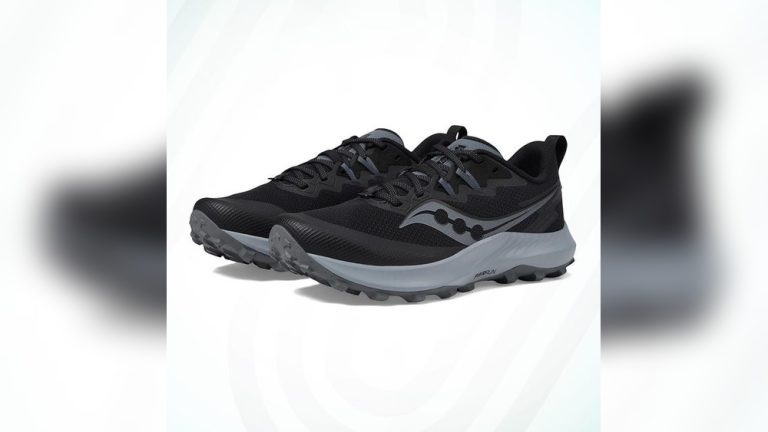
Trail running shoes are designed for uneven ground. They usually have deeper lugs, tougher uppers, and more support around the foot than regular road running shoes. That extra build helps on dirt paths, rocky trails, gravel, mud, and steep climbs.
They are not just “heavier running shoes.” The shape, grip, and materials all serve a purpose. In my own runs, the difference was clear the first time I switched from road shoes to trail shoes on a wet, root-covered trail. I stopped feeling like I was skating around and started feeling planted.
Here is what trail running shoes typically do better:
- Grip slippery or loose ground better
- Protect your feet from sharp rocks and roots
- Add stability on uneven surfaces
- Drain and dry faster in wet conditions
- Hold up better to rough outdoor use
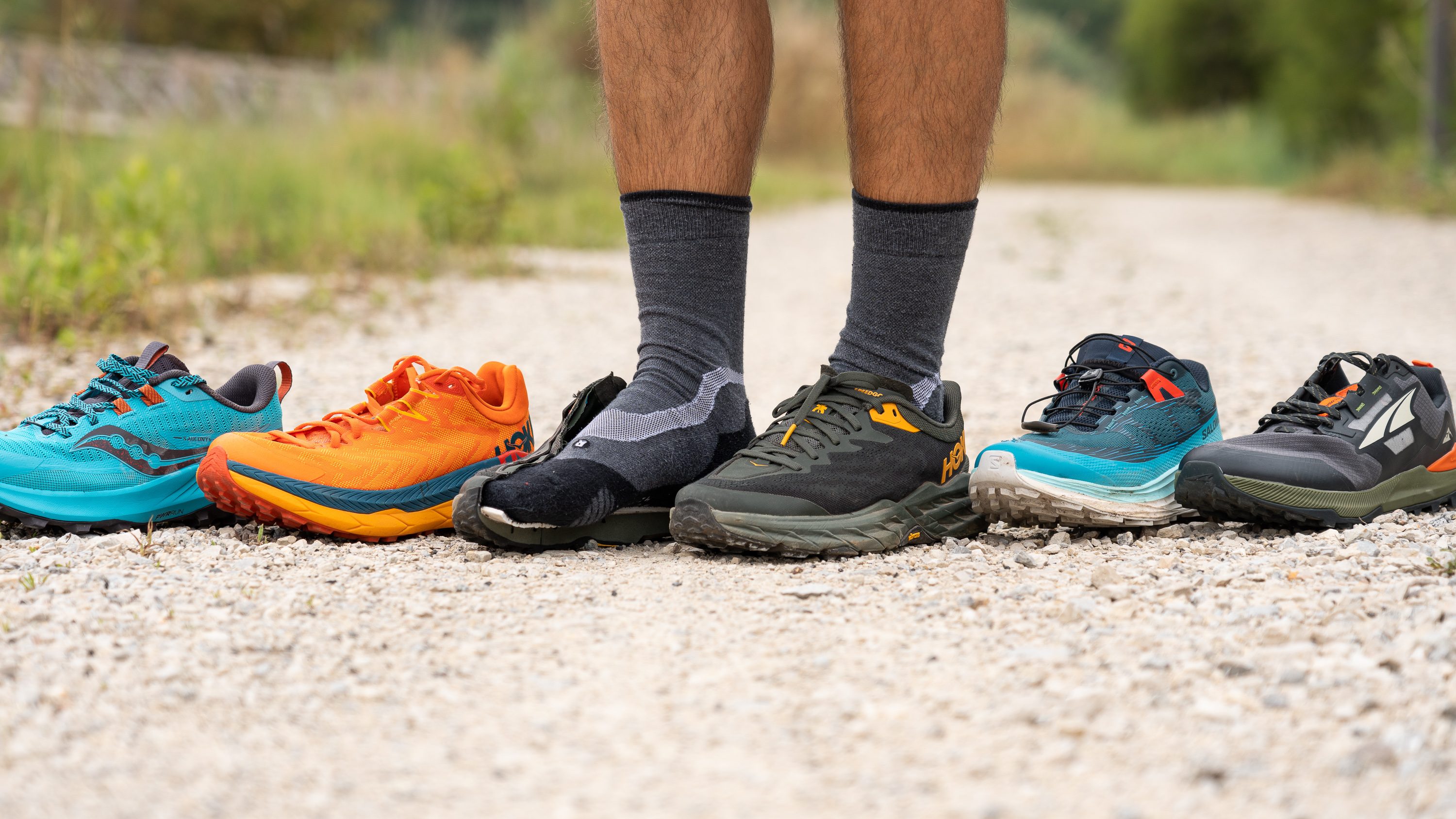
Do you actually need trail running shoes?
You need trail running shoes if your runs regularly include off-road terrain. If your route is mostly pavement, you can usually stay in road running shoes. The best shoe is the one that matches the ground you run on most often.
A simple rule helps:
- Mostly pavement or track: road shoes are usually fine
- Mixed roads and light trails: hybrid or door-to-trail shoes may work best
- Frequent dirt, rocks, mud, or hills: trail running shoes are the safer choice
I’ve seen many runners try to “make do” with road shoes on trails. It usually works until the first wet descent, loose gravel patch, or sharp rock. Then the lack of traction becomes obvious fast.
Trail running shoes are especially helpful if you:
- Run in the rain or after storms
- Run on technical trails with roots and rocks
- Carry a pack or run long distances on rugged ground
- Need more foot protection from debris
- Want a more secure feel on uneven land

When road shoes may be enough
You may not need trail running shoes if your “trail” is really a smooth park path, crushed gravel road, or well-packed dirt path. Some road shoes can handle light off-road use, especially if the surface is dry and flat.
This is where people often spend money they do not need to spend. If you run one or two easy dirt paths a month, a good road shoe may be enough. The risk is low, and the payoff of a special trail shoe may be small.
Road shoes may be enough when:
- The surface is firm and even
- There are few rocks or roots
- The route is short and low-risk
- You value lighter weight and more cushioning
– You do not want a separate shoe just for occasional trail use
That said, road shoes on trails can wear out faster and may feel unstable on loose ground. So if you start loving trail runs, it often makes sense to switch.
Main differences between trail running shoes and road shoes
Trail running shoes and road shoes are built for different jobs. The difference is not just the tread. It shows up in traction, protection, fit, and how the shoe behaves on different surfaces.
Traction
Trail shoes use deeper lugs for better grip. These lugs bite into mud, dirt, and loose gravel. Road shoes have flatter outsoles because pavement does not need the same kind of grip.
Protection
Trail shoes often have rock plates, toe bumpers, and thicker sidewalls. These features help shield your feet from sharp objects and bumps. Road shoes are usually lighter and less armored.
Stability
Trail shoes tend to feel more secure on uneven ground. Some have a wider base or firmer foam to help reduce rolling on rocks and roots. Road shoes can feel wobbly when the surface shifts under you.
Upper material
Trail shoe uppers are usually tougher and more durable. They may resist abrasions better and block debris. Road shoe uppers often focus more on breathability and lightness.
Weight and comfort
Road shoes are often lighter and softer. Trail shoes can feel stiffer at first, but many runners prefer that tradeoff for control and safety. For long trail days, that extra structure can save your feet.
Benefits of trail running shoes
Trail running shoes bring real advantages if you run off-road often. These benefits are not hype. They solve problems that show up again and again on trails.
Some of the biggest benefits include:
- Better grip on loose, muddy, or steep terrain
- More protection from rocks, sticks, and roots
- Reduced slipping on wet surfaces
- Stronger upper materials for rough conditions
- More confidence on descents and technical sections
From experience, confidence matters more than people think. When your shoes feel solid, you relax your stride. That can help you run smoother and waste less energy fighting the ground.
Limitations of trail running shoes
Trail running shoes are not perfect for every runner or every route. They have tradeoffs, and it helps to know them before you buy.
Common limitations include:
- Heavier feel than many road shoes
- Less smooth ride on pavement
- More stiffness in some models
- Faster wear if used mostly on hard roads
- Higher price for advanced features
This is why some runners choose a hybrid model. If you split time between street and trail, a door-to-trail shoe can be the better balance. It is like wearing hiking boots to a dinner party: useful in the right place, awkward in the wrong one.
How to know if trail running shoes fit your running style
The right shoe depends on more than terrain. Your pace, distance, body mechanics, and comfort all matter. A shoe that works for a mountain runner may feel overbuilt for a casual weekend jogger.
Think about these factors:
- Terrain: smooth dirt versus rocky, steep, muddy, or technical
- Distance: short runs need less protection than long runs
- Speed: fast runners may want lighter trail shoes
- Weather: wet climates need better grip and drainage
- Body needs: wider feet, instability, or past injuries may change your choice
If you run mostly flat paths, you may not need a heavy trail model. If you run technical routes, the extra grip and protection can be a game changer.
What features matter most in trail running shoes
Not all trail running shoes are the same. Some are made for mud, some for rocky mountain trails, and some for all-around use. The best pair depends on your usual conditions.
Outsole grip
Look for outsole tread that matches your terrain. Deep lugs help in mud and soft dirt. Shallower, more spaced lugs can work better on mixed ground and help shed debris.
Cushioning
More cushioning can feel good on long runs, but too much can reduce ground feel. On technical trails, some runners prefer a more balanced ride. It is a personal call based on comfort and control.
Rock protection
Rock plates or reinforced midsoles help protect your feet from sharp surfaces. This matters a lot on rocky trails, especially for longer outings. If you have ever landed on a hidden stone, you know how fast a great run can turn sour.
Fit and lockdown
A secure fit keeps your foot from sliding around inside the shoe. That matters on descents and side slopes. A good fit should feel snug, but not tight.
Drainage and upper durability
If you run in wet areas, quick-draining materials can help. Durable uppers also matter if your trails are brushy or full of sharp edges. These features often extend the life of the shoe.
Best times to wear trail running shoes
Trail running shoes shine in specific conditions. If you know when to use them, you get the full benefit of the design.
Use trail shoes when you run on:
- Forest paths
- Mountain trails
- Muddy fields
- Loose gravel
- Wet grass
- Root-filled routes
- Snowy or slushy trails, if the shoe has enough grip
I like trail shoes most on days when footing is unpredictable. A clean, dry trail may not need much extra. But the moment the ground gets messy, trail shoes usually earn their keep.
Do trail running shoes help prevent injuries?
Trail running shoes can help reduce certain risks, but they do not prevent injuries by themselves. Good grip can lower the chance of slipping. Better protection can help reduce bruising from rocks and roots. Still, injuries can happen if the shoe does not fit well or if the terrain is beyond your skill level.
Research and expert guidance generally suggest that shoes may influence comfort and traction more than they “guarantee” injury prevention. So the safest approach is a mix of good shoes, smart pacing, and awareness on the trail.
Helpful habits include:
- Slow down on technical ground
- Watch the path several steps ahead
- Replace worn shoes before the outsole is smooth
- Match the shoe to the trail, not the other way around
How to choose the right trail running shoes
Choosing trail running shoes is easier when you focus on where you run most. Do not shop for the most aggressive shoe unless your trails truly need it. Overbuilt shoes can feel clumsy on mild terrain.
Use this simple process:
-
Identify your terrain
- Muddy, rocky, dry, steep, or mixed
-
Decide how much road running you do
- More road means a lighter, smoother hybrid may help
-
Think about your priorities
- Grip, cushioning, protection, weight, or durability
-
Check the fit
- Try them on with your usual running socks
-
Test them on a short run
- A shoe can feel great in the store and wrong on a slope
One mistake I made early on was choosing a shoe that looked “serious” instead of one that fit my trail. It had huge lugs and felt amazing on muddy ground, but it was too aggressive for my usual routes. The lesson: the best shoe is the one that matches your real life.
Are trail running shoes good for beginners?
Yes, trail running shoes can be very good for beginners if the beginner runs on trails. In fact, they can make the first few trail runs feel safer and more comfortable. The extra traction and protection often help new runners build confidence.
For a beginner, I usually suggest a versatile trail shoe rather than the most technical model. That gives you room to learn without feeling like you bought racing gear for a walk in the park.
Beginners should look for:
- Comfortable fit
- Moderate cushioning
- Reliable grip
- Easy-to-use lacing
- A durable but not overly stiff build
Frequently Asked Questions of do i need trail running shoes
Can I use trail running shoes on pavement?
Yes, you can use trail running shoes on pavement, but they may feel less smooth and wear down faster. If you only run on roads occasionally, it is fine. If you run mostly on pavement, road shoes usually make more sense.
Are trail running shoes waterproof?
Not always. Some trail shoes use water-resistant or waterproof membranes, but many are designed to drain quickly instead. Waterproof shoes can keep water out longer, but they may run hotter and dry more slowly after getting soaked.
What is the difference between trail running shoes and hiking shoes?
Trail running shoes are lighter, more flexible, and built for running motion. Hiking shoes are usually heavier and more supportive for walking under load. If you plan to run, trail running shoes are usually the better choice.
How long do trail running shoes last?
Most trail running shoes last about 300 to 500 miles, depending on terrain, body weight, and shoe construction. Rough, rocky, and muddy trails can wear them out faster. Watch for flat lugs, worn cushioning, and a less secure fit.
Do I need trail running shoes for easy dirt paths?
Not always. For smooth, packed dirt paths, many road shoes can work well. If the surface gets loose, wet, or uneven, trail running shoes become much more useful.
Conclusion
So, do you need trail running shoes? If your runs include dirt, rocks, mud, roots, or steep ground, the answer is usually yes. If you mostly stay on pavement or smooth paths, road shoes may still be the smarter buy.
The key is to match your shoes to your terrain, not to a label or a trend. Start with the surfaces you actually run, think about your comfort and safety, and choose the pair that gives you the best mix of grip, protection, and feel. If you are unsure, try a versatile trail model and test it on a familiar route first.
If this guide helped, take a look at your current shoes and your next route, then make the call with confidence.