Trail Running Shoes Or Hiking Boots: Which To Choose

Trail running shoes are lighter and faster; hiking boots offer more support and protection.
Choosing between trail running shoes or hiking boots comes down to terrain, pack weight, pace, and comfort. I’ve tested both on muddy switchbacks, rocky ridges, and long downhill days, and the right choice usually depends on how you move, not just where you go.
Trail Running Shoes or Hiking Boots: What They Really Do
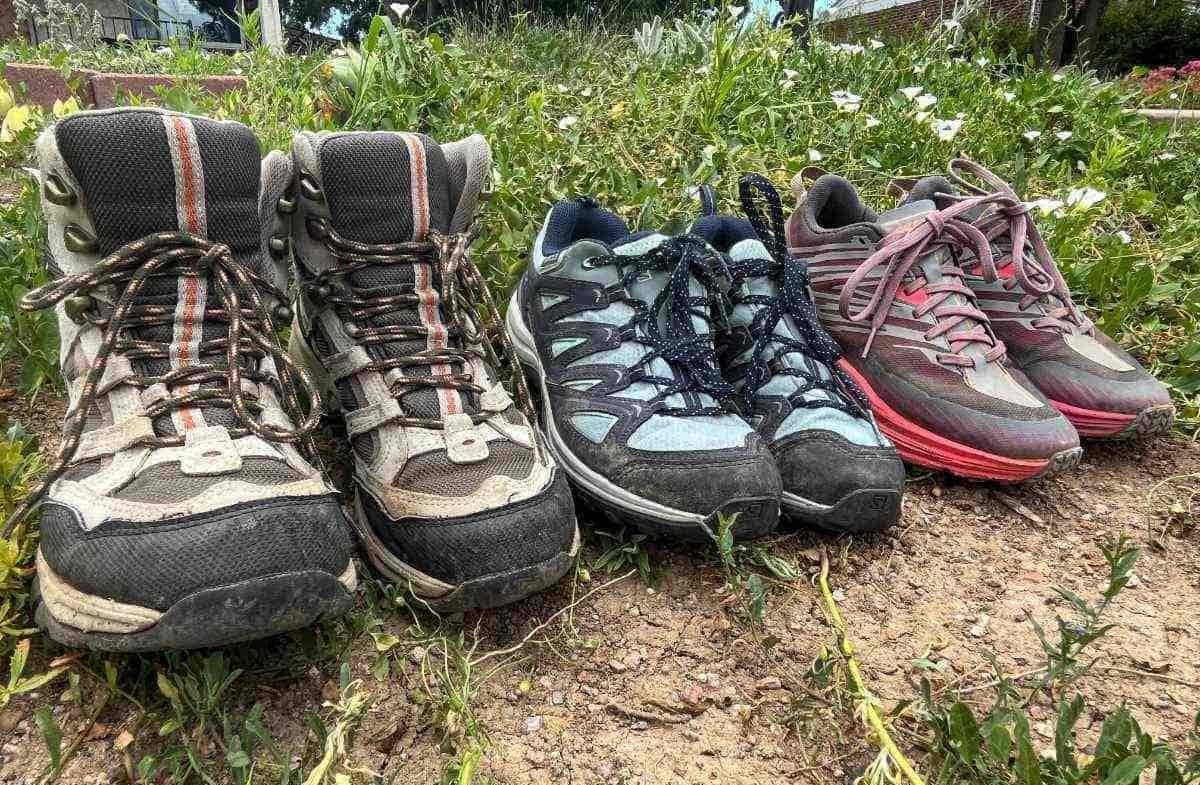
Trail running shoes and hiking boots are built for outdoor movement, but they solve different problems. Trail running shoes are made to feel light, flexible, and quick, while hiking boots are made to feel stable, protective, and durable.
In simple terms, trail running shoes work best when speed, agility, and lower fatigue matter. Hiking boots work best when ankle support, load carrying, and rough terrain matter more. If you’ve ever finished a long hike with tired feet, you already know how much shoe choice can shape the whole day.

Trail Running Shoes vs Hiking Boots: Key Differences
The main difference between trail running shoes or hiking boots is the balance of speed and support. Trail running shoes usually have lighter midsoles, lower collars, and more bend in the forefoot. Hiking boots often have stiffer soles, higher collars, and stronger upper materials.
Here’s how they compare in everyday use:
- Weight: Trail running shoes are usually much lighter, which helps reduce leg fatigue.
- Support: Hiking boots often give more ankle and foot support, especially with a heavy pack.
- Cushioning: Trail running shoes tend to feel softer and more responsive.
- Protection: Hiking boots usually defend better against sharp rocks, roots, and abrasion.
- Breathability: Trail running shoes often breathe better in hot weather.
- Durability: Hiking boots can last longer under heavy use, though this depends on the model and terrain.
I learned this the hard way on a wet mountain route years ago. I wore trail running shoes with a loaded pack and loved the comfort at first, but on steep rocky descents, I wished for more structure. That trip taught me that the “best” shoe is really the best tool for the job.
When Trail Running Shoes Make More Sense
Trail running shoes are a smart pick if you move fast and like a natural feel. They are often the better choice for day hikes, fastpacking, trail runs, and dry to moderate terrain.
They can be a great fit when:
- You want less weight on your feet
- You hike or run on maintained trails
- You prefer quick footwork and a flexible stride
- You travel in warm weather and want better airflow
- You carry a light pack
For many people, trail running shoes or hiking boots is not even a close race on easy trails. The shoes win on comfort and speed. I’ve used them on long summer ridge walks where the light feel saved energy late in the day, almost like taking a smaller backpack instead of a heavy one.
When Hiking Boots Are the Better Choice
Hiking boots make more sense when the trail gets rough, the pack gets heavy, or the weather turns mean. They are especially useful on loose rock, steep slopes, snow, and muddy ground where extra structure can help.
Hiking boots are often worth it if:
- You carry a heavy backpack
- You hike in rocky or uneven terrain
- You want more ankle coverage
- You need extra protection from bumps, debris, and cold
- You hike in conditions where traction and stability matter a lot
I still remember one alpine hike where a friend and I split gear. He wore trail running shoes, and I wore mid-height hiking boots. On the descent with tired legs, my boots gave me more confidence on loose stone. His shoes felt faster, but mine felt safer with a full pack.
Trail Running Shoes or Hiking Boots for Different Terrain
The best choice often depends on the surface under your feet. Terrain changes how shoes feel more than most people expect.
Smooth, maintained trails
Trail running shoes usually shine here. They are comfortable, light, and easy to move in. On packed dirt and gentle paths, hiking boots can feel like overkill.
Rocky trails
Hiking boots often give more protection and a stiffer platform. That said, some trail running shoes with rock plates and strong toe caps work well too. If you like nimble movement, a rugged trail shoe can be enough.
Mud and wet ground
Both can work, but traction matters most here. Trail running shoes often drain and dry faster, while hiking boots may offer more stability but can hold more water if they are not waterproof.
Long descents
Hiking boots may help when your feet get tired and your pack is heavy. Trail running shoes can feel easier on the knees because of the lower weight, but they may offer less braking stability on steep downhill trails.
Snow and cold conditions
Hiking boots usually make more sense. They often pair better with gaiters, warmer socks, and winter traction gear. Trail running shoes can still work in some conditions, but only with careful planning.
Comfort, Fit, and Injury Risk
Fit matters more than brand names. A trail running shoe that fits well will beat a poorly fitting boot almost every time. The same is true for hiking boots.
Good fit helps reduce:
- Blisters
- Hot spots
- Toe bang on descents
- Arch fatigue
- Heel slip
From my own experience, a “stiff and supportive” shoe can still cause problems if it rubs in the wrong place. I once ignored a slight heel slip in a new pair of boots and paid for it with blisters by mile five. That mistake reminded me that comfort should never be guessed. It should be tested on real ground.
Support, Stability, and Ankle Protection
Many hikers assume hiking boots always prevent ankle injuries, but the reality is more nuanced. A higher collar can help protect against scrapes and offer a sense of security, but it does not guarantee injury prevention.
What really improves stability is a mix of:
- Proper fit
- Good lacing
- Stable footing
- Smart pacing
- Pack balance
Trail running shoes or hiking boots can both be stable if they match the terrain and your movement style. If you twist an ankle often, a boot may feel reassuring. But strong foot control and careful steps matter just as much as collar height.
Cushioning, Drop, and Foot Feel
Trail running shoes often have more modern cushioning and a lower-to-the-ground feel. That can make long hikes feel easier because your feet work less against the shoe.
Hiking boots are usually stiffer, which can help on uneven ground. But stiffness can also make the shoe feel less lively, especially on smooth trails. Think of it like the difference between a sports car and an SUV: one feels quick and nimble, the other feels solid and planted.
A few terms worth knowing:
- Heel-to-toe drop: The height difference between heel and forefoot. Lower drop often feels more natural to some hikers.
- Stack height: How much material sits between your foot and the ground.
- Rock plate: A protective layer that helps reduce stone bruises.
These features matter whether you choose trail running shoes or hiking boots. They change how your feet feel after hours on the trail.
Durability and Maintenance
Hiking boots often last longer under tough use, but they also need more care. Trail running shoes usually wear out faster if you use them on abrasive rock or carry heavy weight often.
To extend the life of either:
- Brush off dirt after each hike
- Let them dry fully before storage
- Avoid direct high heat
- Replace worn insoles when needed
- Check laces, stitching, and outsole wear
In my own gear rotation, I’ve noticed that trail running shoes often age like a favorite T-shirt: comfortable, but they lose shape sooner. Hiking boots are more like work boots: slower to break in, but often sturdier over time if you care for them well.
Weight, Energy, and Long-Distance Efficiency
Weight on your feet costs energy. This is one reason trail running shoes are so popular with ultralight hikers and fastpackers. Lighter footwear can reduce fatigue, especially over many miles.
That does not mean lighter is always better. If a shoe is too soft or unstable for the trail, you may use more energy correcting each step. The real goal is efficient movement, not just low shoe weight.
For long days, ask yourself:
- Do I want to move faster with less effort?
- Will my pack be light or heavy?
- Is the trail smooth or technical?
- Do I value comfort more than protection?
The answer usually points you toward trail running shoes or hiking boots without much guesswork.
How to Choose the Right Option for You
A simple way to decide is to match the shoe to your most common trail day, not your rarest one. Many people buy for the hardest trail they ever imagine, then wear a bulky shoe on easy weekends and regret it.
Use this quick decision guide:
- Choose trail running shoes if you hike light, move fast, and want breathability.
- Choose hiking boots if you carry weight, hike rough terrain, or need more protection.
- Choose waterproof models only if your climate truly needs them.
- Choose a wider toe box if your feet swell on long days.
- Choose the pair that fits your actual socks and foot shape.
If you are unsure, try both on the same incline, if possible. Walk downhill. Bend your toes. Tighten the laces. A shoe can feel great in a store and awkward on a slope.
Practical Buying Tips from Real Trail Use
After many miles in both trail running shoes and hiking boots, I’d suggest focusing on what you feel after the first hour, not the first minute. Comfort changes once your feet warm up and swell.
Here are the biggest lessons I’ve picked up:
- Do not size too tight. Feet swell on the trail.
- Test the shoe on stairs or a ramp to check heel slip.
- Match tread to your terrain, not just to looks.
- Replace worn insoles if the upper still has life.
- Break in boots before a big hike.
A small mistake can cost a whole trip. I once packed new boots for a weekend hike because they “felt fine” indoors. They were not fine after 8 miles. Since then, I always do a short trial hike first.
Frequently Asked Questions of trail running shoes or hiking boots
Are trail running shoes good for hiking?
Yes, trail running shoes are good for hiking on many trails, especially if you want a light, flexible feel. They work best on day hikes, well-kept paths, and moderate terrain.
Are hiking boots better for bad ankles?
Hiking boots can feel more supportive, but they do not magically prevent ankle injuries. Good fit, balance, and careful footing matter just as much as the height of the collar.
Can I use trail running shoes with a heavy backpack?
You can, but it is not always the best choice. A heavy pack puts more stress on your feet and ankles, so hiking boots may feel more stable and protective.
Do hiking boots last longer than trail running shoes?
Often, yes, especially in rough terrain. Trail running shoes are usually lighter and more comfortable, but they may wear out faster if used hard.
Which is better for beginners: trail running shoes or hiking boots?
For many beginners, trail running shoes are easier to wear because they feel lighter and more comfortable right away. If you plan to hike rough trails or carry a heavy pack, hiking boots may be the safer pick.
Conclusion
Trail running shoes or hiking boots both have a clear place on the trail. Trail running shoes are great for speed, light packs, and comfort. Hiking boots are better for rough terrain, heavy loads, and extra protection.
The smartest choice is the one that matches your real trips, not just your dream ones. Think about terrain, pace, weather, and pack weight, then pick the shoe that helps you enjoy the walk instead of fighting it. If you want, compare your next trail plan against these tips, test a few pairs, and leave a comment with what works best for you.