Running Shoes With Low Heel To Toe Drop: Best Picks

Running shoes with low heel to toe drop help promote a more natural stride and better ground feel.
Running shoes with low heel to toe drop have become a real favorite for runners who want a more natural feel underfoot. I’ve seen a lot of runners get curious about them after dealing with tight calves, awkward landings, or that “I can’t quite connect with the road” feeling. If you want to understand what low drop really means, who it helps, and how to choose the right pair without making common mistakes, you’re in the right place.
What running shoes with low heel to toe drop mean
Heel to toe drop is the height difference between the heel and the forefoot in a shoe. A low heel to toe drop usually means 0 to 6 millimeters, while many traditional running shoes sit closer to 8 to 12 millimeters.
That small number can make a big difference in how a shoe feels. Running shoes with low heel to toe drop often encourage a more midfoot or forefoot landing, though that is not guaranteed. They can feel flatter, more connected to the ground, and less “pitched forward” than higher drop shoes.
In simple terms, the shoe changes your body position a bit. Your ankle may work more, your calves may feel more involved, and your stride may feel more natural if the shoe matches your movement well. But if you jump into them too fast, your lower legs can complain.
Why runners choose low drop shoes
People usually look for running shoes with low heel to toe drop for comfort, form, or injury recovery. Some like the ground feel. Others want to reduce the feeling of a big heel lift pushing them forward.
Here are some common reasons runners try them:
- A more natural foot position: The flatter platform can feel closer to barefoot mechanics.
- Better ground connection: Many runners like the way the shoe lets them feel the road or trail.
- Less heel lift: This can feel more stable for runners who dislike a high stack under the heel.
- Form awareness: Low drop shoes may make runners more aware of cadence, landing, and posture.
- Preference during easy runs or strength work: Some runners use them for short runs or gym sessions.
In my experience, runners often try low drop shoes after noticing that their old shoes felt too “tippy” or too cushioned in the heel. The first thing they notice is not speed. It is usually posture. They stand a little taller and feel more engaged from the ankles down.

Benefits of running shoes with low heel to toe drop
Running shoes with low heel to toe drop are not magic, but they do offer real benefits for the right runner. The main win is that they can support a more balanced, natural movement pattern.
1. They may improve running mechanics awareness
A lower drop can make it easier to notice how you land and push off. That awareness can help you fine tune stride length, cadence, and body alignment. For runners who like to work on form, that feedback can be valuable.
2. They may reduce the feeling of being pushed forward
Some runners dislike the forward tilt that comes with high drop shoes. Low drop shoes often feel more level, which can make the ride feel smoother and calmer.
3. They can feel stable
A flatter platform can feel more planted, especially during easy runs, short workouts, or tempo sessions. This is one reason some runners use low drop shoes for daily training.
4. They may suit runners with strong calves and ankles
If your calves, Achilles, and foot muscles are already well conditioned, low drop shoes may feel more natural. The shoe asks more from the lower leg, and that can be fine if your body is ready for it.
5. They can help some runners transition toward minimalist styles
Low drop shoes are often a stepping stone for runners exploring more natural footwear. They are not as aggressive as barefoot shoes, but they can be a gentler middle ground.
That said, benefits depend on the person. A shoe that feels freeing for one runner can feel harsh for another. Fit, training load, and history matter a lot.
Who should consider low heel to toe drop running shoes
Running shoes with low heel to toe drop are not only for elite runners or minimalist fans. They may work well for:
- Runners who prefer a flatter feel underfoot
- People who want to improve foot strength over time
- Runners who feel awkward in high heel drop shoes
- Those who want more ground feedback
- Runners who already tolerate calf-heavy training well
They may also appeal to runners who split time between road running, light trails, and gym work. The lower profile often feels more versatile in those settings.
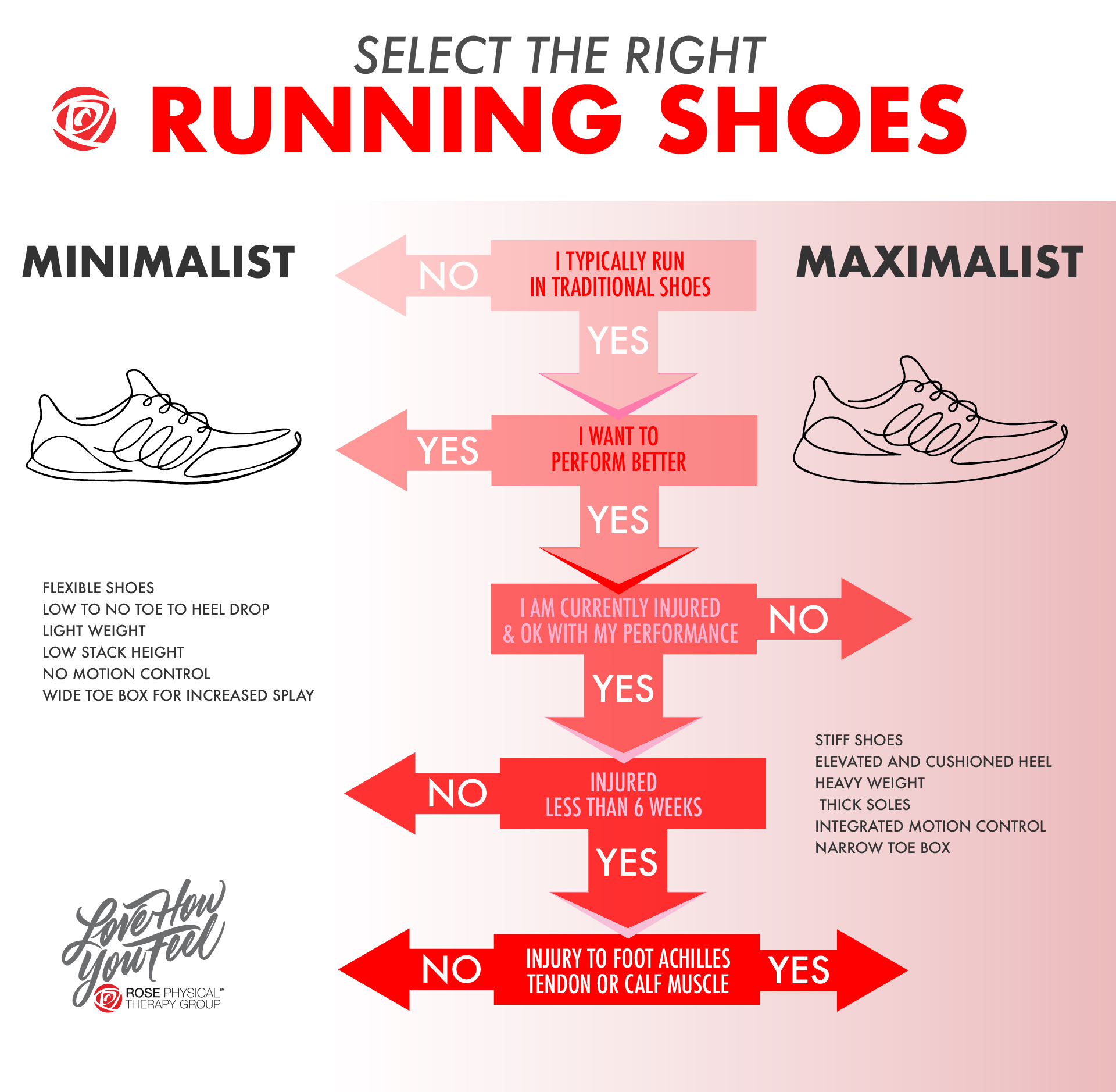
On the other hand, these shoes may not be the best first choice if you have a history of Achilles issues, calf strains, plantar fascia pain, or you are returning from injury. That does not mean you can never use them. It just means you should be more cautious and build up slowly.
Common drawbacks and limitations
Running shoes with low heel to toe drop can be great, but they are not perfect. The biggest issue is load. When the heel is lower, your calves and Achilles tendon may take on more work.
Here are the main limitations:
- Calf soreness: New users often feel tightness or soreness in the lower leg.
- Achilles stress: A sudden switch can irritate the tendon.
- Adjustment period: Your body may need weeks, not days, to adapt.
- Not ideal for everyone: Some runners simply feel better in higher drop shoes.
- Form changes are not automatic: A low drop shoe does not fix poor mechanics by itself.
I learned this the hard way years ago when I switched too fast. The shoe felt amazing on day one, almost like my feet could breathe. By day three, my calves were reminding me that “natural” still means “work.” That taught me to treat low drop shoes like a new workout plan: start small and respect the ramp up.
How to transition into low drop shoes safely
If you want to use running shoes with low heel to toe drop, ease in slowly. This is where many runners go wrong. They buy the shoes, love the feel, and then wear them for every run that same week.
A safer transition plan looks like this:
-
Start with short wear times
Wear the shoes for walks, warmups, or short easy runs first. -
Use them once or twice a week
Let your calves and feet adapt before adding more mileage. -
Keep the first runs easy
Skip speed work at first. Easy pace helps reduce overload. -
Mix them with your regular shoes
Rotate shoes so your lower legs are not shocked by a sudden change. -
Watch for warning signs
Sharp Achilles pain, lingering calf soreness, or foot pain means back off.
A good rule I like is to increase use slowly over several weeks. Think of it like teaching your body a new language. It needs repetition, not pressure.
Key features to look for when choosing low drop shoes
Not all running shoes with low heel to toe drop feel the same. Drop is only one part of the shoe. Cushioning, stack height, width, and flexibility all matter too.
Cushioning
Low drop shoes can still be soft or firm. A soft shoe may be nice for recovery runs, while a firmer one may feel more responsive. The right choice depends on what your body likes.
Stack height
Stack height is how much material sits between your foot and the ground. A low drop shoe with a tall stack can still feel very cushioned. A low stack model usually feels more connected.
Toe box shape
A roomy toe box can help your toes spread naturally. That can be useful if you want a more stable feel or if your feet swell on longer runs.
Flexibility
Some runners like a shoe that bends easily at the forefoot. Others prefer a little structure. The right level of flexibility depends on your stride and the kind of runs you do.
Weight
Lighter shoes often feel quicker, but they may not always be the most comfortable. A slightly heavier shoe can still be a smart choice if it matches your needs.
When I test a low drop shoe, I always check how it feels in three places: the heel, the arch, and the front of the foot. If any one of those feels forced, I know it is probably not the right match.
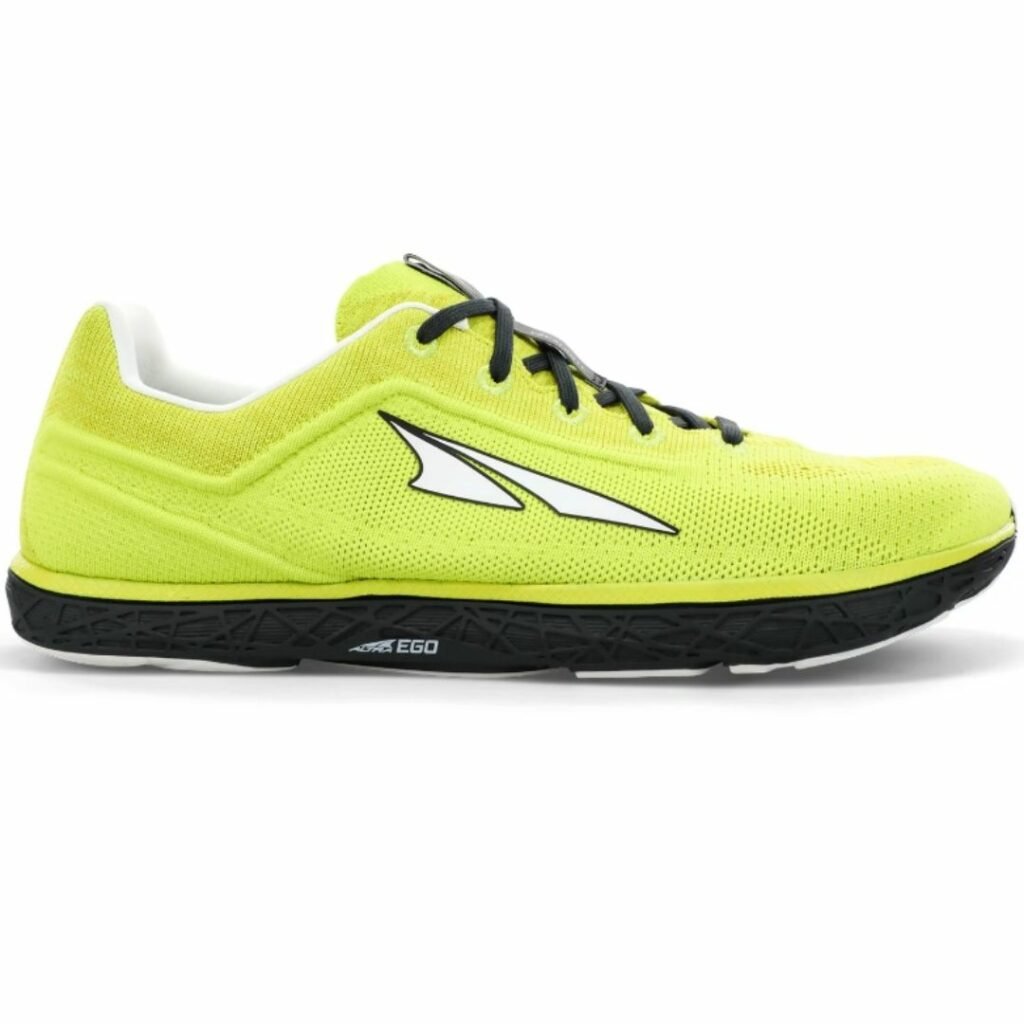
Low drop vs zero drop vs traditional drop
These terms can get confusing, but the differences are simple.
- Zero drop means the heel and forefoot are at the same height.
- Low drop usually means a small difference, often 0 to 6 mm.
- Traditional drop is usually higher, often around 8 to 12 mm.
Zero drop shoes can feel very flat and demand more from the calf and Achilles complex. Low drop shoes are often a little easier to adapt to because they still offer some heel height. Traditional drop shoes can feel familiar and may suit runners who want less strain on the lower leg.
Choosing among them depends on your body, your history, and your goals. There is no universal best. There is only the best match for your mileage and movement.
Best use cases for low heel to toe drop shoes
Running shoes with low heel to toe drop are often a good fit for certain types of running and training.
- Easy runs: Great for runners who want a more natural feel.
- Short tempo runs: Useful if the shoe feels responsive without being harsh.
- Gym workouts: Stable and grounded for cross training.
- Walking and recovery days: Comfortable for some runners who prefer less heel lift.
- Form-focused training: Helpful when working on cadence and body position.
For long runs, the answer depends on your conditioning. Some runners love low drop over distance. Others prefer a higher drop for extra relief in the calves and Achilles. Your own comfort should guide you.
Expert-backed guidance on what the research suggests
Sports medicine and biomechanics research has long shown that shoe geometry can change joint loading, ankle motion, and muscle demand. Lower heel drop often increases demand at the ankle and can shift some load away from the knee in certain runners, though the effect varies widely.
That is important because it explains why one runner may feel relief in the knees while another feels a calf flare-up. Research also supports gradual transitions. Sudden changes in footwear can increase the risk of overuse problems, especially in the Achilles tendon and calf muscles.
The bottom line is simple: low drop shoes can be useful, but they work best when your body adapts in stages. That view is consistent with advice from podiatry, sports medicine, and running injury experts.
Practical tips to get the most from low drop running shoes
If you are thinking about buying running shoes with low heel to toe drop, keep these tips in mind:
- Start with short runs, not long ones
- Pair them with calf raises and foot strength work
- Do not change shoes and training volume at the same time
- Pay attention to soreness that lasts more than a day or two
- Rotate them with another pair to manage load
- Choose fit first, drop second
One mistake I see often is runners chasing the number on the box. They choose 0 mm or 4 mm because it sounds advanced. But if the shoe rubs, pinches, or beats up the calves, that low number is not helping anybody.
Frequently Asked Questions
Are running shoes with low heel to toe drop good for beginners?
They can be, but only if you ease in slowly. Beginners who already have strong calves and good ankle mobility may do fine, but many new runners are better off starting with a comfortable shoe that matches their current strength.
Do low drop shoes prevent injuries?
No shoe can prevent injuries on its own. Running shoes with low heel to toe drop may help some runners move in a way that feels better, but injury risk depends more on training load, fit, strength, recovery, and past history.
Can low heel to toe drop shoes help with knee pain?
They might help some runners because the lower drop can slightly change how forces are shared through the leg. But knee pain has many causes, so it is best to look at shoe choice, form, training, and medical advice together.
How long does it take to adapt to low drop running shoes?
It varies by person, but many runners need several weeks of gradual use. If your calves or Achilles feel sore for more than a day or two after easy runs, you may be progressing too fast.
Are low drop shoes better for trail running?
Sometimes, yes. Many trail runners like the stable, grounded feel of running shoes with low heel to toe drop, especially on technical ground. Still, trail terrain, protection, and traction may matter more than drop alone.
Conclusion
Running shoes with low heel to toe drop can be a smart choice for runners who want a flatter feel, more ground connection, and a more natural stride. They are especially useful when you respect the adaptation process and choose the right shoe for your body, not just your wish list.
The best results usually come from patience, good fit, and a slow transition. If you are curious, try one pair, start small, and pay attention to how your calves, feet, and stride respond. Explore a few models, compare notes, and choose the option that feels like a true match for your runs.