Running Shoes For Overpronation Men: Best Picks 2026

The best running shoes for overpronation men add stability, support, and smoother stride control.
If you overpronate, your foot rolls inward more than it should, and that can affect comfort from the first mile to the last. I’ve seen this show up in runners who feel fine at easy pace, then get sore ankles, tired arches, or shin pain once the mileage climbs. The good news is that the right running shoes for overpronation men can make a real difference, and I’ll walk you through what to look for, what to avoid, and how to choose a pair that fits your body and your run style.

What Overpronation Means for Men Who Run
Overpronation means your foot rolls inward too much after it lands. A little inward roll is normal because it helps absorb impact. The problem starts when the motion is too much or too fast, since it can stress the ankles, knees, hips, and arches.
For many runners, overpronation shows up as uneven shoe wear. The inner edge of the sole often wears down faster than the rest. You may also notice your feet feel tired early, especially on longer runs or when you stand for a long time.
Not every overpronator needs the same shoe. Some men need mild guidance, while others need firmer support. That is why the best running shoes for overpronation men are not one-size-fits-all.
Why the Right Shoe Matters
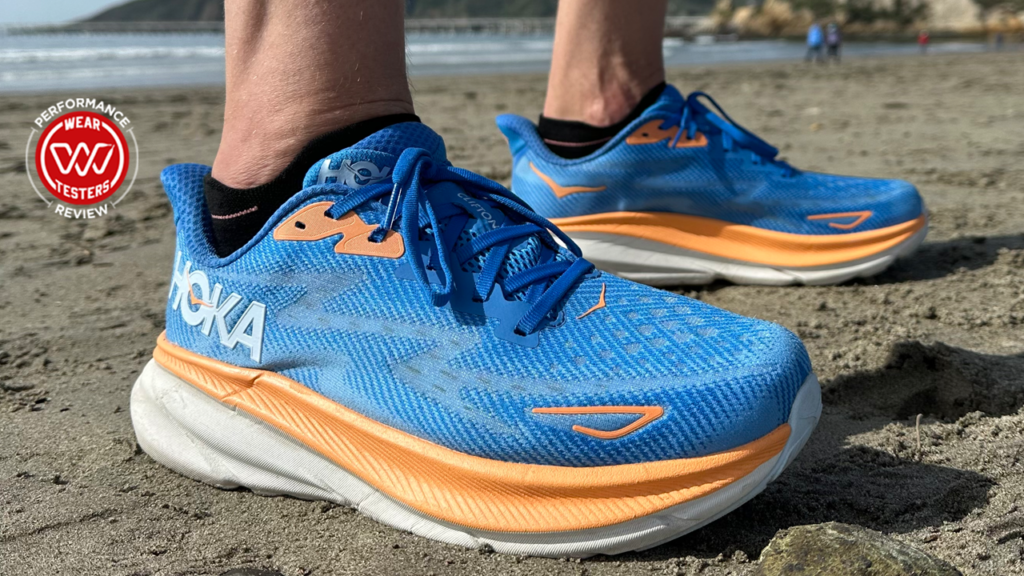
The right shoe can help guide the foot without making it feel forced. That balance matters. If a shoe is too soft and unstable, your foot may collapse inward more. If it is too firm, it may feel awkward and stiff.
In my experience, runners often make the same mistake. They buy a shoe because it feels cushy in the store, then wonder why their legs feel beat up after 4 or 5 miles. Cushion is great, but for overpronation, the shoe also needs structure.
The right pair can help with:
• Better alignment during the stride
• Less stress on the arch and ankle
• A steadier feel during long runs
• More comfort on easy runs and daily training
• Better confidence if your gait feels shaky
Research in running biomechanics has long shown that shoe design can influence how the foot moves during ground contact. While no shoe can “fix” pronation, a good stability or guidance shoe can support a more controlled stride.
Key Features to Look for in Running Shoes for Overpronation Men
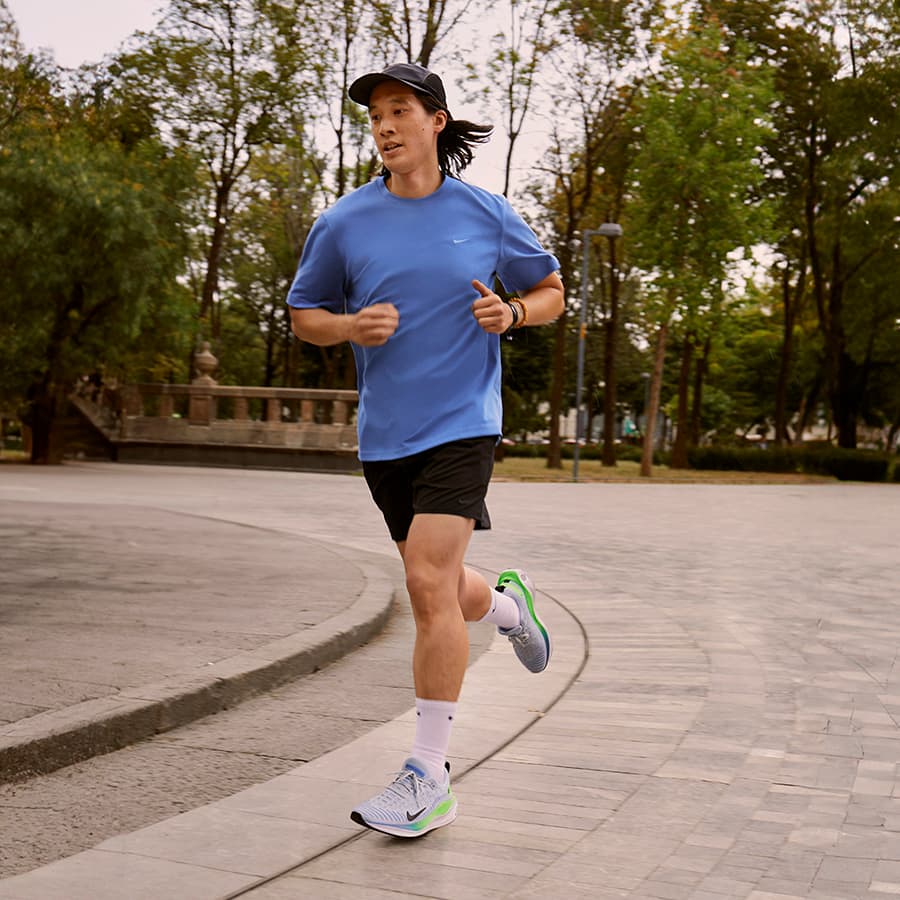
A shoe for overpronation is not just about the label. It is about how the shoe supports your foot through the full motion of a run.
Stability support
Look for shoes with stability features such as guidance rails, medial support, or a wider base. These features help reduce excess inward roll. They should feel supportive, not pushy.
Good midsole firmness
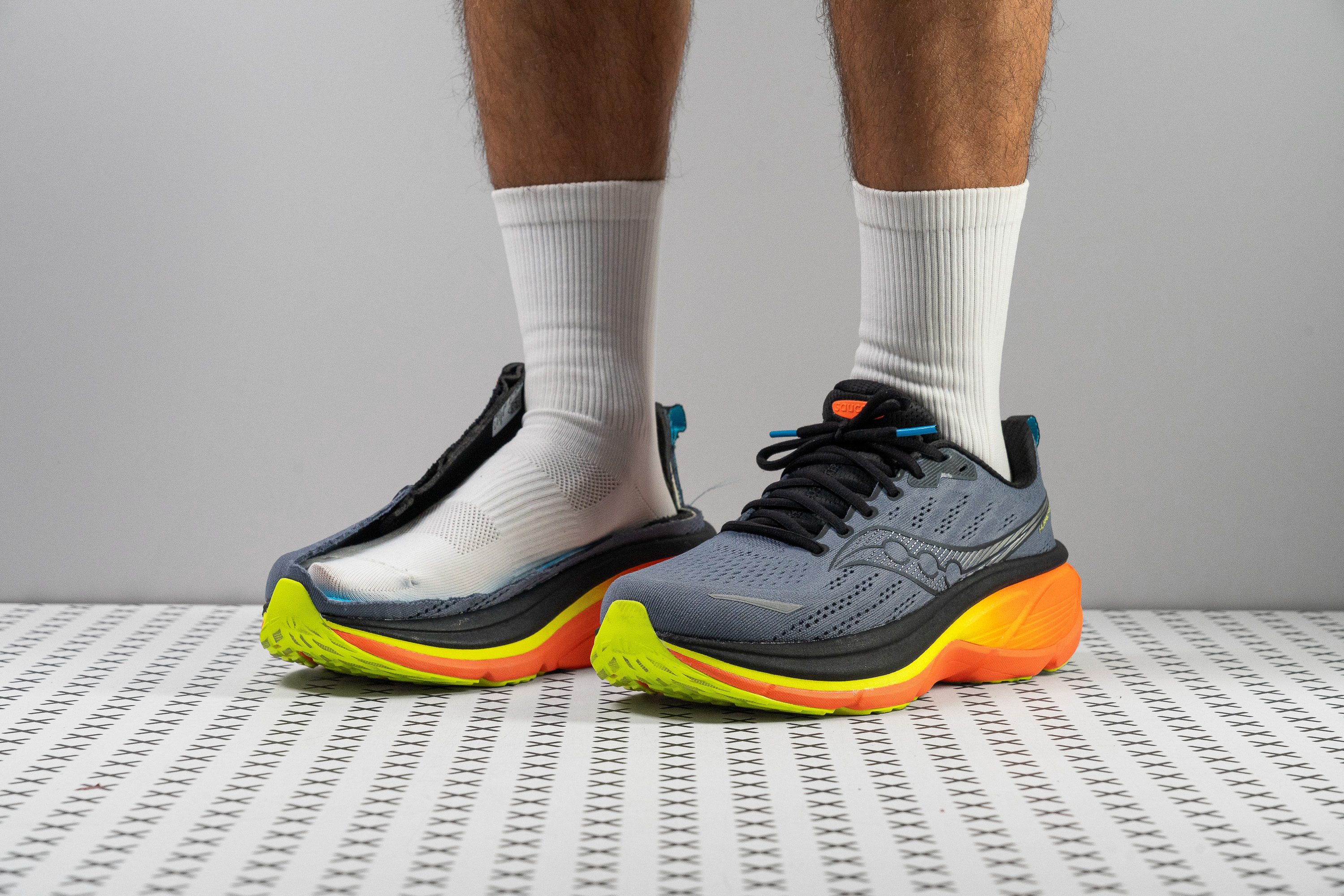
A midsole that is too soft can let the foot sink too much. A slightly firmer platform often works better for overpronation men because it feels more controlled. That does not mean hard like a board, just stable enough to keep the foot centered.
Heel counter structure
A strong heel counter can help hold the rearfoot in place. This is useful if your heel shifts too much when you land. A stable heel often improves the overall ride.
Midfoot lockdown
A secure midfoot fit helps keep the shoe from twisting around your foot. If the shoe feels sloppy in the middle, your stride may feel less stable. Lacing systems and upper design matter more than many runners realize.
Wide and balanced base
A broad landing platform can improve balance. This is especially helpful if you have flat feet or a low arch. A wide base gives the shoe more room to support your motion.
Enough cushioning for your mileage
Cushioning still matters. You want enough shock absorption for your distance and pace, but not so much that the shoe becomes unstable. Think of it like a mattress: supportive, but not so soft that you sink into it.
Stability Shoes vs Motion Control Shoes
This is one of the most important parts of choosing running shoes for overpronation men.
Stability shoes
Stability shoes offer moderate support. They work well for mild to moderate overpronation. Many runners choose these because they feel more natural and less restrictive.
Motion control shoes
Motion control shoes provide stronger support. They are often used for severe overpronation or for runners who need a very guided feel. They can help, but they may feel heavy or stiff for some people.
Which one should you choose?
If your overpronation is mild, start with a stability shoe. If your feet collapse inward a lot and you have a history of ankle or knee issues, a motion control shoe may be worth trying. A running store gait check or podiatrist evaluation can help narrow it down.
How to Know If You Overpronate
You do not always need a lab test to get a clue. A few simple signs can point you in the right direction.
Look for these common signs:
• The inner side of your shoe wears out faster
• Your arches feel tired or sore after runs
• Your ankles seem to roll inward
• You get shin splints or knee pain often
• Your feet look flat when you stand
I always tell runners not to guess too fast. Some pain that looks like overpronation may actually come from weak hips, poor running form, or a shoe that simply does not fit well. Still, if several of these signs show up together, running shoes for overpronation men are worth serious attention.
How to Choose the Right Pair
Choosing the right pair is easier when you break it down step by step.
-
Check your arch and wear pattern
This gives you a starting point. A low arch and inward wear often point toward a stability shoe. -
Think about your run type
Daily trainers, long runs, and speed work all ask different things from a shoe. The best running shoes for overpronation men for easy mileage may not be the same as your tempo shoe. -
Try the shoe on both feet
Many men have one foot slightly bigger or wider. Fit should be checked on the larger foot. -
Walk and jog in the shoe
Do not just stand there. A short jog tells you more than a quick mirror look. -
Pay attention to pressure points
If you feel a hot spot, tight arch, or pinched toe box, keep looking. -
Choose the right size
Most runners need a thumb’s width in front of the longest toe. Feet swell on runs, so a little extra room helps.
A simple rule I learned the hard way: a shoe can look perfect on paper and still fail if the fit is off by even a little.
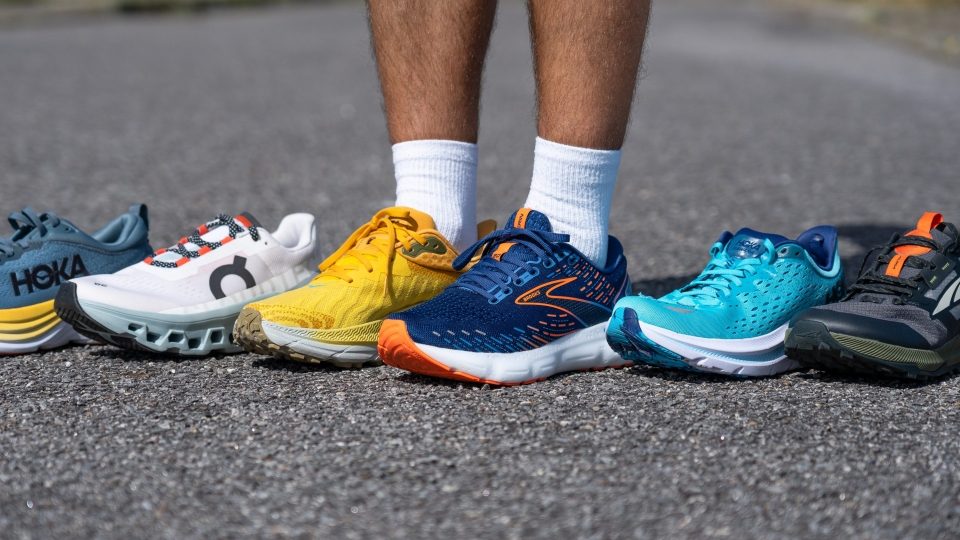
Best Types of Running Shoes for Overpronation Men
Different runners need different setups, but a few shoe categories show up again and again.
Daily trainers with stability support
These are the workhorses. They are built for regular miles and usually suit most runners who overpronate.
Cushioned stability shoes
These give more softness without losing support. They are a good choice if you want comfort for longer runs.
Lightweight stability shoes
These are useful for runners who want less bulk. They can work well for faster training days if you still need guidance.
Motion control shoes for maximum support
These are best for runners with stronger inward roll or those who need a very firm platform. They are not for everyone, but they are helpful in the right case.
Common Mistakes Men Make When Buying These Shoes
I’ve seen runners make expensive mistakes here, and most of them are easy to avoid.
• Buying based on looks instead of fit
• Choosing a neutral shoe when they clearly need support
• Going too stiff too fast
• Ignoring arch pain, knee pain, or shin pain
• Not replacing shoes after too much mileage
One big mistake is assuming more support always means better support. Too much correction can feel unnatural and may even create new discomfort. The goal is control, not punishment.

How Running Shoes for Overpronation Men Can Help With Injury Prevention
The right shoe may reduce stress in places that get overloaded by excess inward roll. That can help with some common running issues, though it does not guarantee injury prevention on its own.
Potential benefits include:
• Less strain on the arch
• Better control at landing
• Reduced side-to-side wobble
• More comfortable long runs
• A steadier base for weak ankles
That said, shoes are only one part of the picture. Strength training, proper mileage progress, and recovery matter just as much. Calf strength, glute work, and foot exercises can improve how the body handles impact.
Other Factors That Matter Beyond the Shoe
The best running shoes for overpronation men work even better when the rest of your routine supports them.
Running form
A slight increase in cadence can sometimes reduce stress on the legs. Shorter, quicker steps may help limit overstriding.
Strength training
Strong hips and glutes help keep the leg aligned. That can reduce excess collapse at the knee and ankle.
Surface choice
Roads, trails, treadmills, and tracks all feel different. Softer surfaces may help if your feet get beat up easily.
Body weight and mileage
Heavier runners or high-mileage runners may need more durable cushioning and stronger support. Light runners may prefer a more flexible feel.
Personal Lessons From Testing Overpronation Shoes
One thing I learned early is that comfort can be misleading. A shoe may feel amazing for the first mile and still fail by mile six. The real test is how your feet, knees, and calves feel the next day.
I also learned that runners often ignore the upper. A sloppy upper can ruin a good midsole. If the foot slides around, the rest of the support system cannot do its job well.
Another practical tip: do not make a final decision in the store alone. If possible, wear the shoes for a short run, then evaluate them after a real workout. Your body usually gives a more honest review than the mirror.
Frequently Asked Questions
What are the best running shoes for overpronation men?
The best running shoes for overpronation men usually have stability features, a secure heel, and a balanced platform. The ideal pair depends on whether your overpronation is mild, moderate, or severe.
Do men with overpronation need motion control shoes?
Not always. Many runners do well in stability shoes, which offer support without feeling overly rigid. Motion control shoes are usually better for more severe overpronation or for runners who need stronger guidance.
Can running shoes fix overpronation?
No shoe can fully fix overpronation, but the right pair can help manage it. Good shoes support the foot and may reduce stress on the lower body during running.
Are neutral running shoes bad for overpronation men?
Not necessarily, but they may not provide enough support if your overpronation is significant. Some men with mild inward roll can still run comfortably in neutral shoes, especially if they have strong feet and good form.
How often should I replace running shoes for overpronation?
Most running shoes need replacing after about 300 to 500 miles, depending on the model and your body weight. If the support feels flat or pain starts returning, it may be time for a new pair sooner.
Can I use running shoes for overpronation for walking too?
Yes, many of these shoes work well for walking because they offer support and cushioning. If you spend long hours on your feet, they can be a comfortable option.
Conclusion
Choosing the right running shoes for overpronation men is about more than picking a stability label. It is about finding a shoe that supports your stride, matches your mileage, and feels natural from the first step to the last.
If you focus on fit, support, and the way your body actually responds, you will make a much smarter choice. Start with your needs, test carefully, and do not be afraid to compare a few pairs before buying. If this guide helped you, explore more running tips, leave a comment, or share your own shoe experience so other runners can learn from it.