
Can You Wear Running Shoes For Tennis: Play-Safe Guide 2026

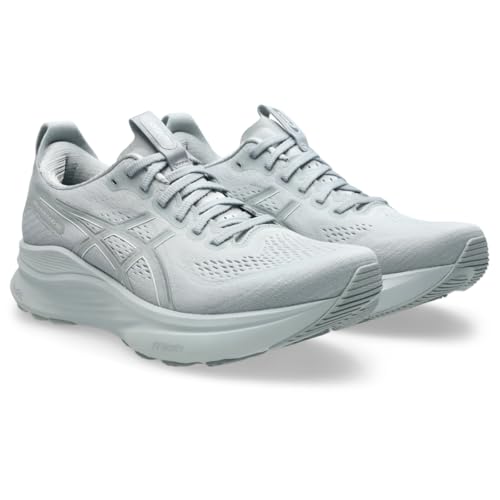
You can, in a pinch, but it’s risky—tennis shoes protect better.
If you’re asking can you wear running shoes for tennis, you’re not alone. I’ve coached rec players, tested shoes on hard courts, and logged hundreds of match hours. I’ll break down what happens when you play in runners, when it’s okay, when it’s not, and how to choose safer options. By the end, you’ll know exactly where running shoes fit into tennis and how to protect your feet, ankles, and game.
The Real Movement Demands Of Tennis
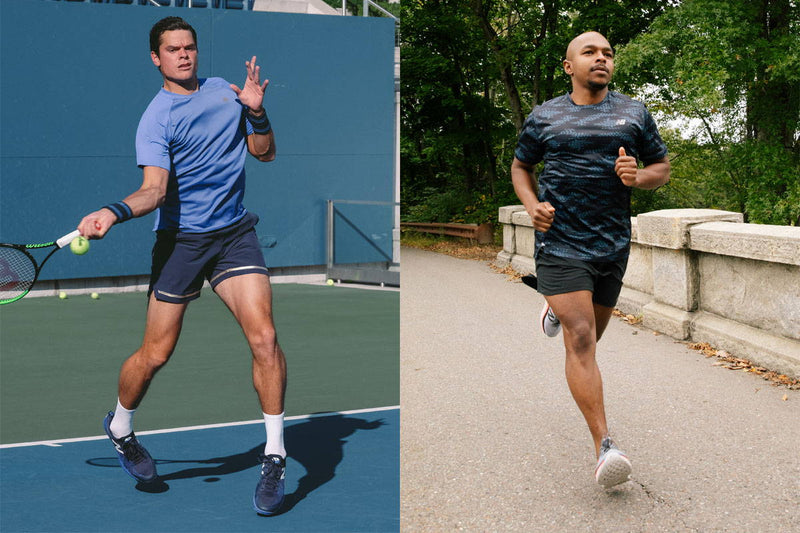
Tennis is stop-start, side-to-side, and full of quick changes. You push off laterally, split step, and pivot a lot. Your foot has to lock in and resist sliding inside the shoe.
Those moves load the ankle and knee in ways running does not. Running is linear. Tennis is multi-direction. The shoe’s job is to support your foot in all those angles. This is the core reason the answer to can you wear running shoes for tennis is complicated.

Running Shoes vs Tennis Shoes: Key Design Differences
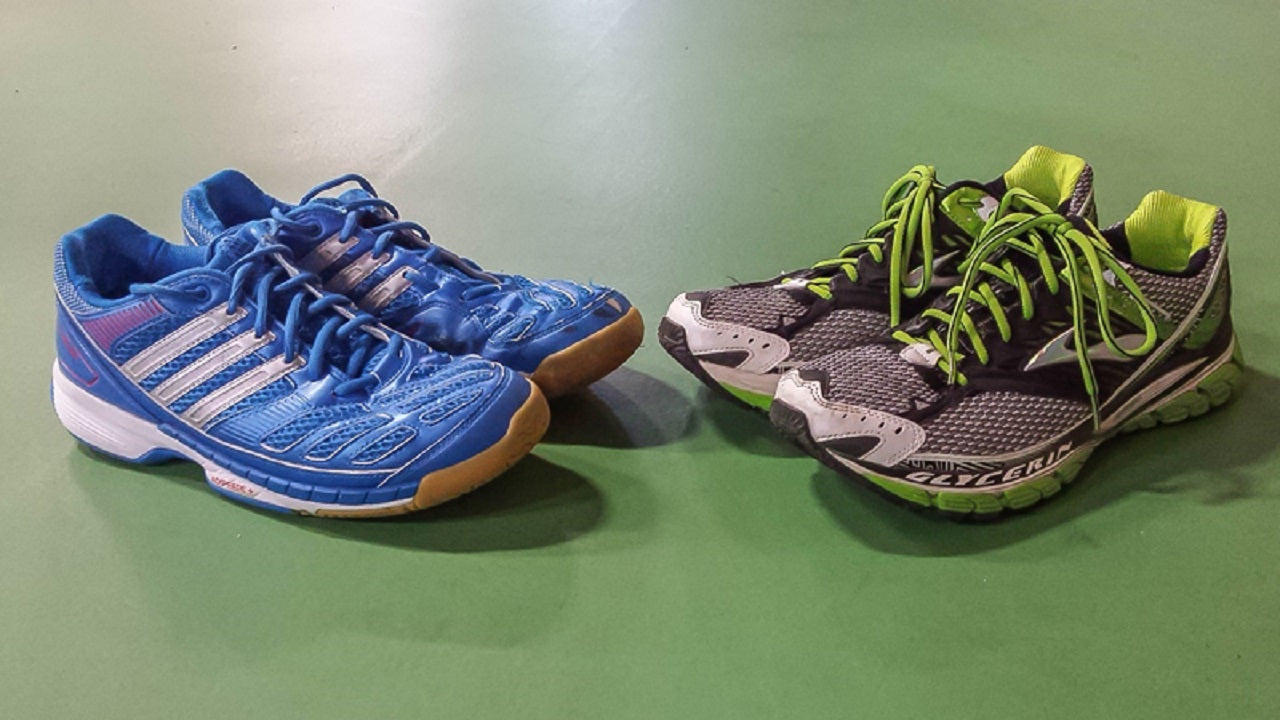
Running shoes are tuned for forward motion and cushion. Tennis shoes are tuned for stability and traction. Here’s where they differ most:
- Upper support Tennis shoes use stronger sidewalls, more overlays, and a locked heel. Running uppers flex more to allow an easy stride.
- Midsole feel Tennis shoes are firmer, with a wide base and shanks for torsion control. Running shoes often have higher stack and softer foam.
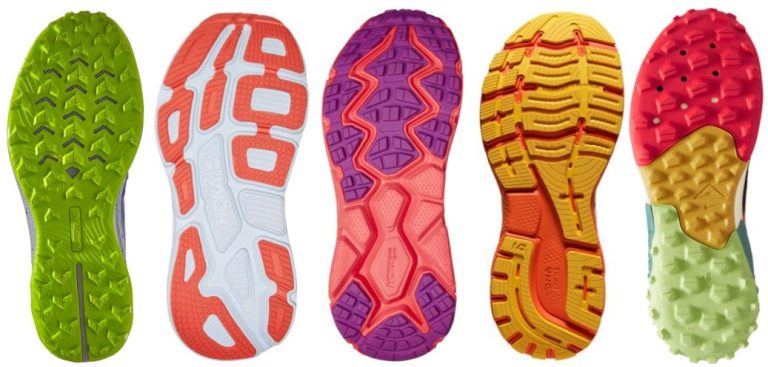
- Outsole pattern Tennis shoes use durability rubber and pivot-friendly tread. Running shoes focus on road grip and may scuff courts.
- Toe and medial protection Tennis shoes reinforce drag zones. Running shoes leave those spots vulnerable.
- Court rules Many clubs require non-marking soles. Some running shoes leave marks.
If you wonder can you wear running shoes for tennis, these design gaps show why they struggle on court.

Risks Of Wearing Running Shoes For Tennis
There are real tradeoffs with runners on court. I’ve seen these issues first-hand when players show up in soft, high-stack trainers.
- Higher chance of ankle rolls Softer foam and a narrow base can tip during hard lateral stops.
- Slippage on hard changes Running treads are not built for aggressive pivots.
- Faster upper blowouts Side loads can pop eyelets or stretch mesh.
- Less confidence You feel “floaty,” which can slow footwork and timing.
- Possible court damage Dark, carbon-heavy rubber can mark courts. Some clubs will stop play.
This is why can you wear running shoes for tennis is not a simple yes. The risk climbs as your pace and intensity rise.
When You Can Use Running Shoes For Tennis And When You Shouldn’t
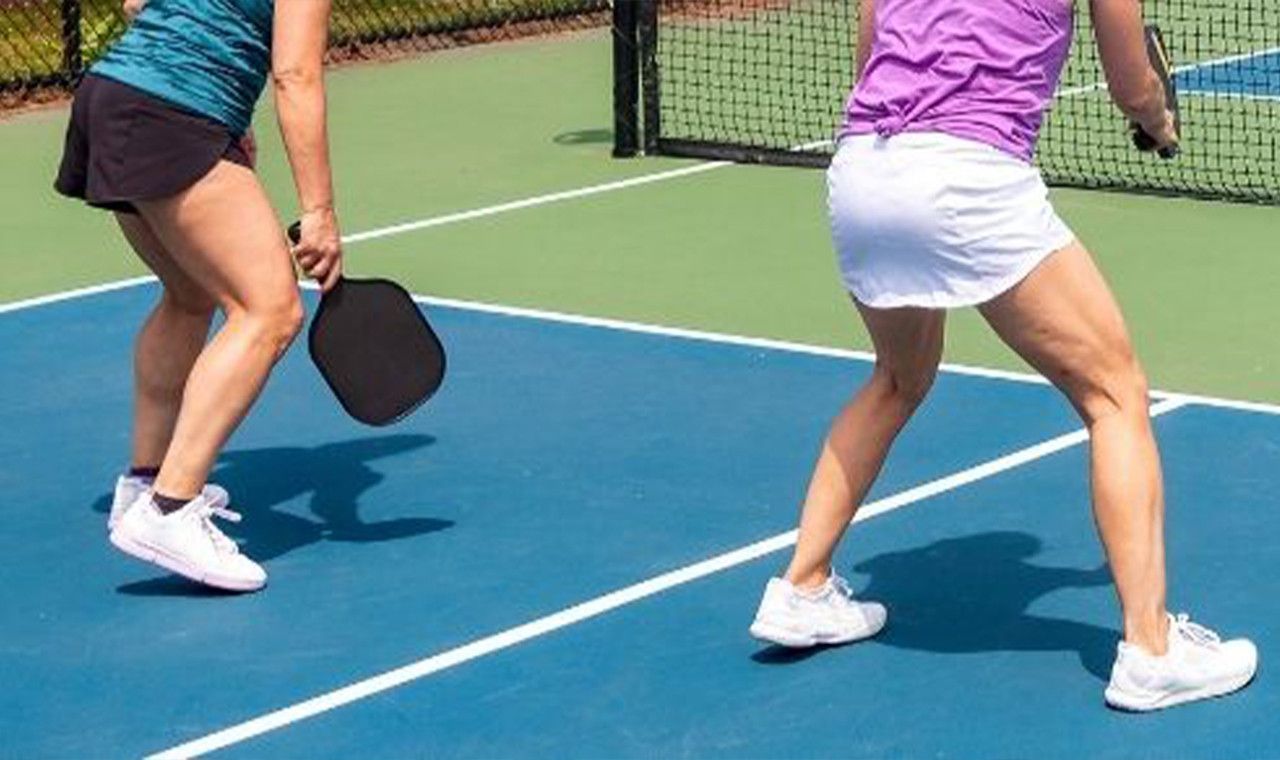
There are times you can get away with it. But you need to choose the moment.
You probably can:
- Casual hits, basket drills, or mini-tennis with friends
- First lessons or tryouts before you buy gear
- Low-intensity play on carpet or gym floors with non-marking soles
You probably shouldn’t:
- Competitive match play or league nights
- Hard-court sessions with heavy sliding or toe-drags
- Clay sessions where tread edges matter for grip
- If your shoes have dark, marking outsoles
So, can you wear running shoes for tennis at the park? Yes, for light hits. For real points and hard cuts, use tennis shoes.
If You Must, Here’s How To Make Running Shoes Safer For Tennis
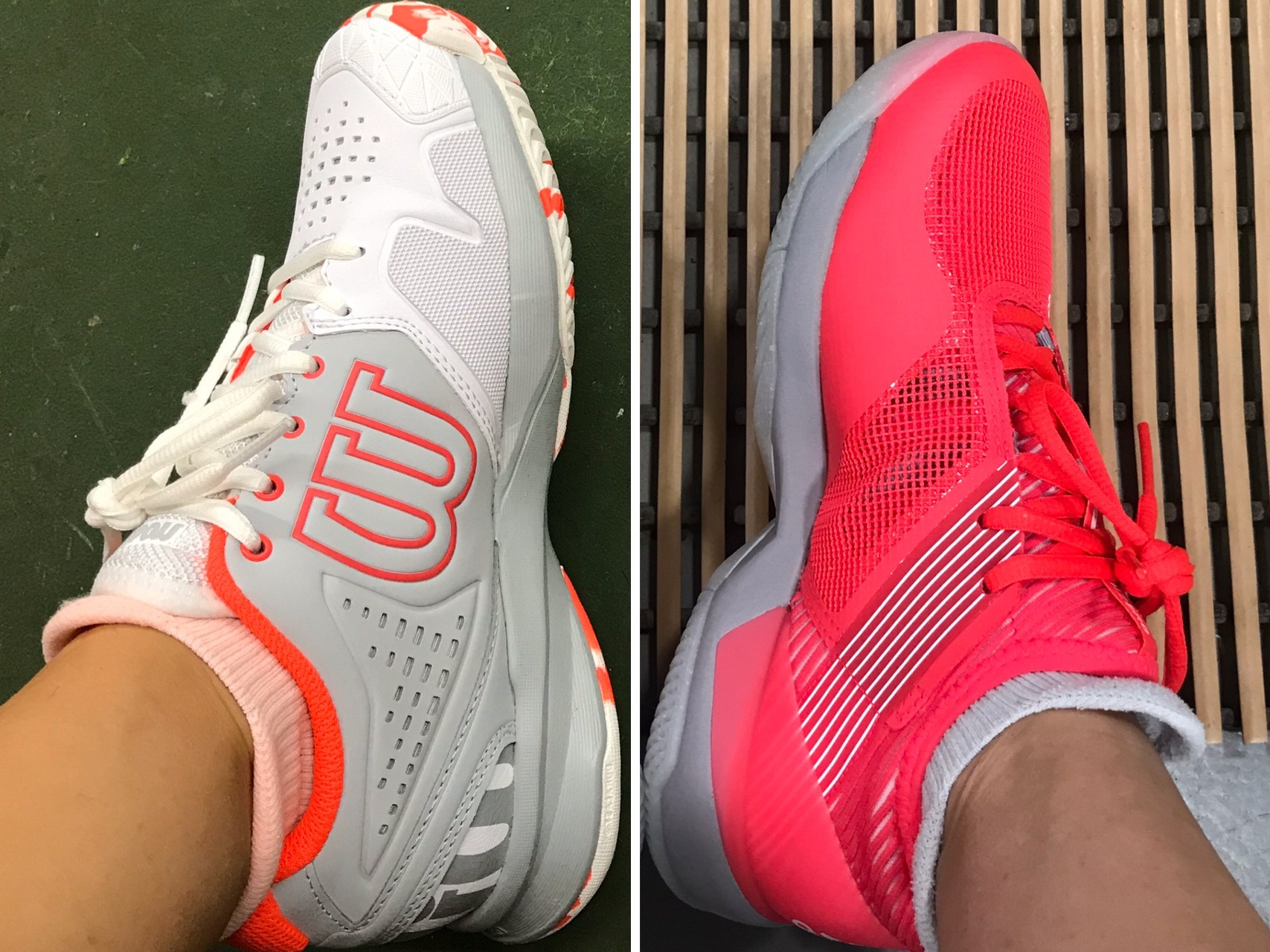
Some days, runners are all you have. Do this to lower risk:
- Pick low or moderate stack height Avoid tall, soft “max cushion.”
- Choose a firm midsole with a wide base You want lateral stability.
- Check the heel counter Squeeze it. It should feel stiff and secure.
- Lace for lockdown Use the top eyelet with a runner’s loop.
- Wear grippy, padded socks Reduce internal foot slide.
- Add a light ankle brace if you have a roll history
- Keep the pace low Focus on control, not open-stance power.
If you ask can you wear running shoes for tennis in a last-minute pinch, follow these steps to get through the session more safely.
Choosing The Right Tennis Shoe For Your Game
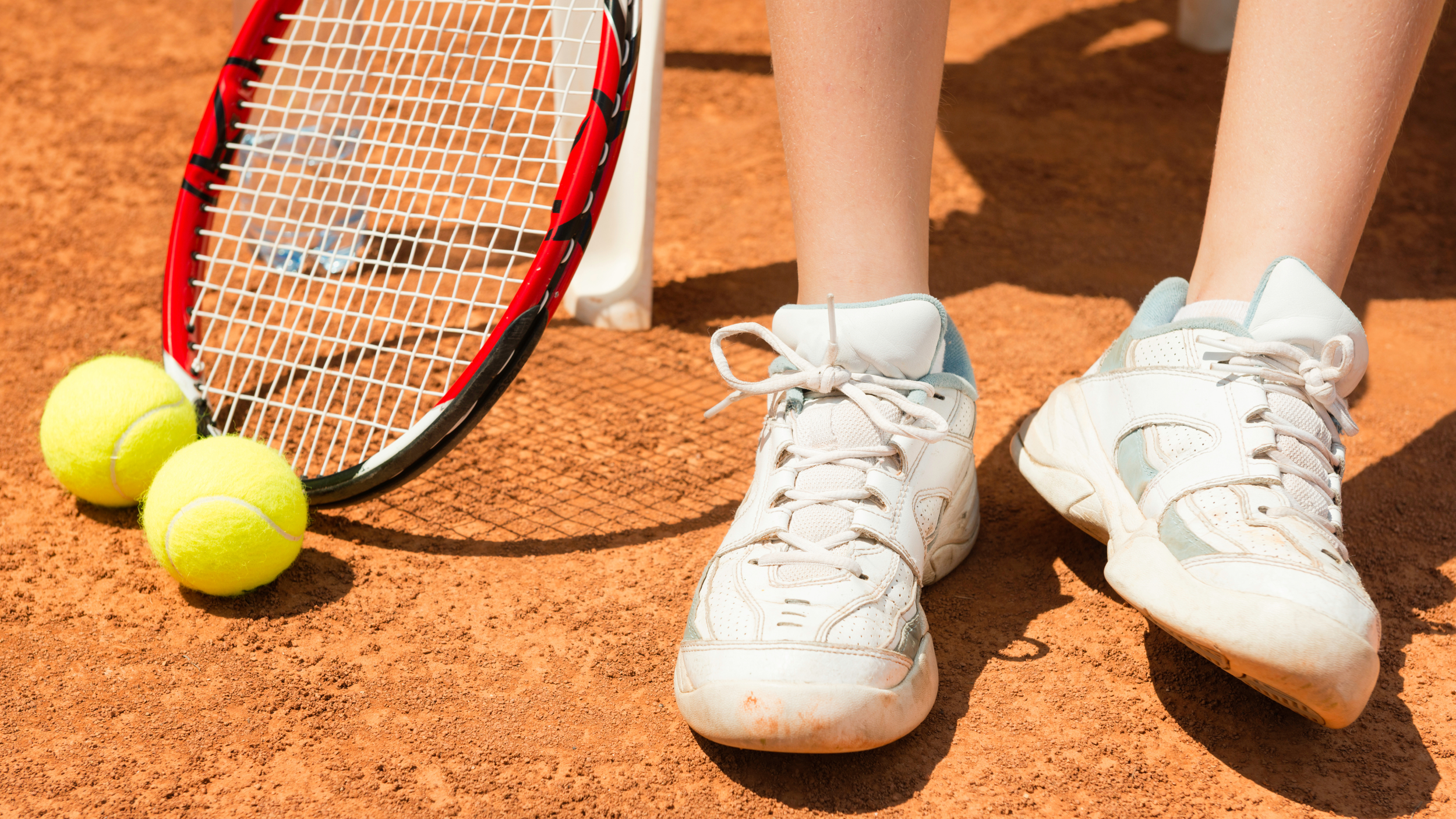
If you’re ready to switch, match the shoe to your needs.
- Surface Hard-court shoes are durable and stable. Clay shoes use full herringbone tread for grip and release. Grass shoes use nubs for traction.
- Fit You want a snug heel, locked midfoot, and wiggle room up front.
- Support vs speed Heavier shoes add stability and life. Lighter shoes feel quick but may wear faster.
- Foot type If you overpronate, look for solid midfoot shanks and sidewalls. Flat feet may like a firmer arch or a supportive insole.
- Break-in Plan a short practice first. Let the upper mold to you.
This is the best answer to can you wear running shoes for tennis in the long run: get a tennis shoe that matches your court and style.
Court Surfaces And Traction: What Matters Most
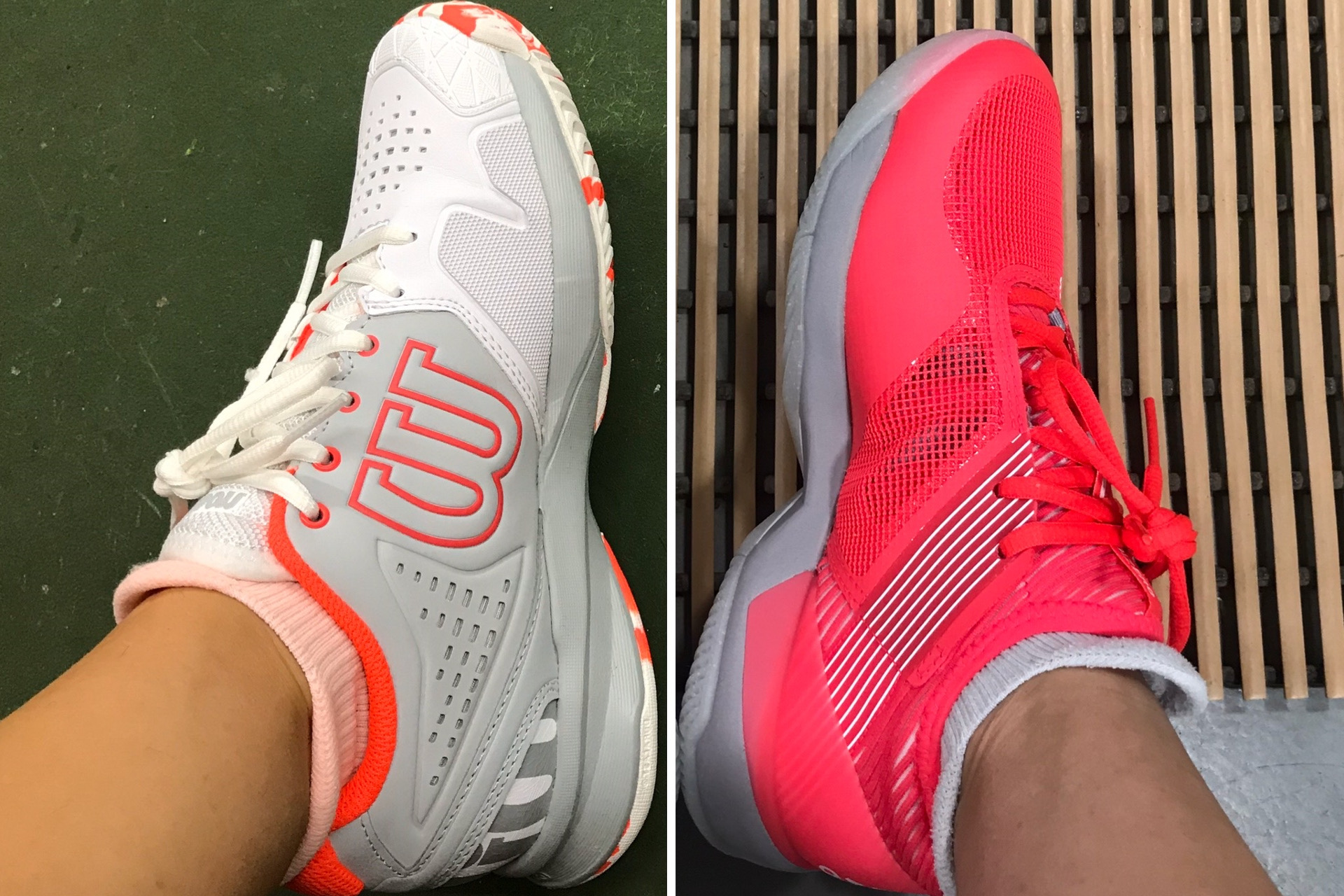
Grip needs change by surface. Your shoe should match.
- Hard court Needs tough rubber and a durable toe. Too much grip can feel sticky, so pivot zones help.
- Clay Full herringbone lets clay clear out and keeps movement smooth.
- Grass Lower, wider base helps you stay planted on slick blades.
Ask yourself can you wear running shoes for tennis on clay or grass. You can, but you’ll lose the tuned traction that makes movement feel safe and clean.
Care, Maintenance, And Replacement Timing
Shoes break down fast under tennis stress.
- Rotate pairs If you play often, two pairs let foam rebound and last longer.
- Check wear points Look at the toe drag area, the lateral forefoot, and the heel edge.
- Replace by feel If the shoe feels flat, slides more, or the upper stretches, it’s time.
- Lifespan A typical rec player gets 45 to 60 on-court hours per pair. Big toe-draggers get less.
When friends ask can you wear running shoes for tennis for months, I tell them to plan a switch as soon as their schedule gets serious.
Budget Tips And Smart Shopping Advice
You do not need a top pro model to stay safe.
- Start with last year’s colorways They go on sale with the same tech.
- Match your need Buy stability models if you cut hard. Choose lighter models if you’re quick and careful.
- Try before you buy Walk, cut, and pivot in-store if possible.
- Keep receipts Some brands offer limited durability warranties on outsole wear.
If you’re tight on cash and still wonder can you wear running shoes for tennis while you save, aim for an entry-level tennis shoe first. It will outlast many runners on court and protect you better.
Frequently Asked Questions of can you wear running shoes for tennis
Can you wear running shoes for tennis on hard courts?
You can for light hits, but it’s not ideal. Hard courts punish soft foam, and you risk slips or an ankle roll.
Can you wear running shoes for tennis if you’re a beginner?
Yes for first lessons or casual rallies. As you speed up, move to tennis shoes for support and safer cuts.
Will running shoes damage tennis courts?
Some do. Dark, carbon-heavy outsoles can leave marks, and clubs may ban them, so check your soles.
Are cross-training shoes better than running shoes for tennis?
Often yes. Many cross-trainers have firmer midsoles and wider bases, which handle lateral moves better than typical runners.
How do I know if my shoes are non-marking?
Rub the outsole on white paper and check the color transfer. Non-marking soles usually have a softer, lighter rubber and do not scuff.
Can you wear running shoes for tennis on clay courts?
You can, but you’ll lose the herringbone grip that clears clay. Expect more sliding and less control on stops.
Do I need an ankle brace if I use running shoes for tennis?
It can help, especially if you have a history of sprains. Use it as a backup, not a replacement for proper shoes.
Can you wear running shoes for tennis if you never drag your toes?
It helps, but you still load the sides on cuts and stops. Tennis shoes offer better side support even without toe-dragging.
Are minimalist running shoes safer for tennis than max-cushion ones?
Minimal shoes sit lower and can feel more stable than tall foam stacks. But they still lack tennis-specific sidewalls and outsoles.
How often should I replace tennis shoes compared to running shoes?
For regular players, plan on 45 to 60 hours per pair. Hard court hitters and toe-draggers may need a new pair sooner.
Conclusion
You can wear running shoes for tennis in a pinch, but they are not built for sharp, lateral play. Tennis shoes add the side support, traction, and durability your game needs. Save the runners for the road, and let your tennis shoes handle the court.
If today is a quick hit, you’ll be fine. If you care about comfort, safety, and confidence on every cut, invest in a pair designed for the sport. Ready to dial in your footwork? Try a tennis shoe that fits your surface and style, then share your experience or questions in the comments!


One Comment