Roomy Toe Box Running Shoes: Boost Comfort and Performance

Finding the right running shoe is not just about style or brand—it’s about comfort, health, and performance. For many runners, the shape and space of the toe box can make a huge difference in how they feel during and after a run. If you’ve ever felt your toes cramped or noticed blisters after a workout, you might need a roomy toe box running shoe. More runners and foot specialists are recognizing the importance of toe splay and proper foot alignment. This article dives deep into why toe box width matters, who needs more space, how to choose the right shoe, and which models stand out today. Whether you’re a beginner or a marathoner, understanding the value of a roomy toe box can help you run healthier and happier.
What Is A Roomy Toe Box?
The toe box is the front part of a shoe that surrounds your toes. In running shoes, a roomy toe box means there’s extra space around the toes—side-to-side and top-to-bottom—so they can move and spread naturally. This design is different from traditional, narrow-toed shoes that squeeze the toes together. A good roomy toe box allows your toes to splay out, which is what your foot does when you walk or run barefoot.
Why Toe Box Width Matters
When your toes have enough space, you get:
- Better balance and stability
- Less risk of blisters, black toenails, or bunions
- Improved blood flow
- Natural foot movement
Runners with wider feet, bunions, or other toe issues often struggle with standard shoes. But even runners with average feet can benefit from extra space, especially on long runs when feet swell.
The Difference From Regular Running Shoes
Many mainstream running shoes are built for looks or weight savings, not foot health. They often have a tapered toe box that pinches the toes. Roomy toe box shoes typically have a more rounded or even squared shape at the front, sometimes looking a bit unconventional. This focus on function helps your toes do their job—absorbing impact and giving you a stable push-off.
Who Needs Roomy Toe Box Running Shoes?
Anyone can benefit, but certain groups need them most:
- Wide-footed runners: Standard shoes pinch or rub.
- Runners with bunions or hammertoes: Pressure worsens these conditions.
- People with Morton’s neuroma: Nerve pain is triggered by squeezing.
- Trail runners or ultramarathoners: Swelling is common in long or hot runs.
- Runners prone to black toenails or blisters: Usually due to friction.
- Natural running enthusiasts: Those who want a barefoot-like feel with protection.
Even runners without current foot problems sometimes choose a roomy toe box to prevent future issues. Foot shape can also change over time, especially with age or pregnancy.
Health Benefits Of A Roomy Toe Box
A wider toe box isn’t just about comfort—it can help prevent and even reverse some foot problems.
Reduced Risk Of Foot Problems
Wearing shoes that allow your toes to spread can lower your risk of:
- Blisters and calluses: Less rubbing between toes and against the shoe.
- Bunions: Less pressure on the big toe joint.
- Hammertoes: Toes aren’t forced upward or inward.
- Neuromas: Nerve compression is reduced.
Better Stability And Performance
When your toes can spread, your foot is more stable. Think of your toes as the “roots” of your body—they help balance you with every step. This can mean better running form and even faster times for some athletes.
Improved Circulation
Tight shoes can restrict blood flow, especially during long runs when feet swell. A roomy toe box allows for normal circulation, which means less numbness and faster recovery.
Enhanced Natural Movement
The human foot is designed to move freely. Shoes that give space to your toes allow a more natural gait cycle—your foot flexes and pushes off as it was meant to. This can reduce injury risk not just in the foot, but also the knees and hips.
How To Tell If You Need A Roomy Toe Box
You might need more room if you notice:
- Toes touch or overlap inside the shoe
- Your toenails hit the front or top of the shoe
- Blisters or calluses appear on or between your toes
- Numbness or tingling during runs
- Shoe feels tight across the forefoot
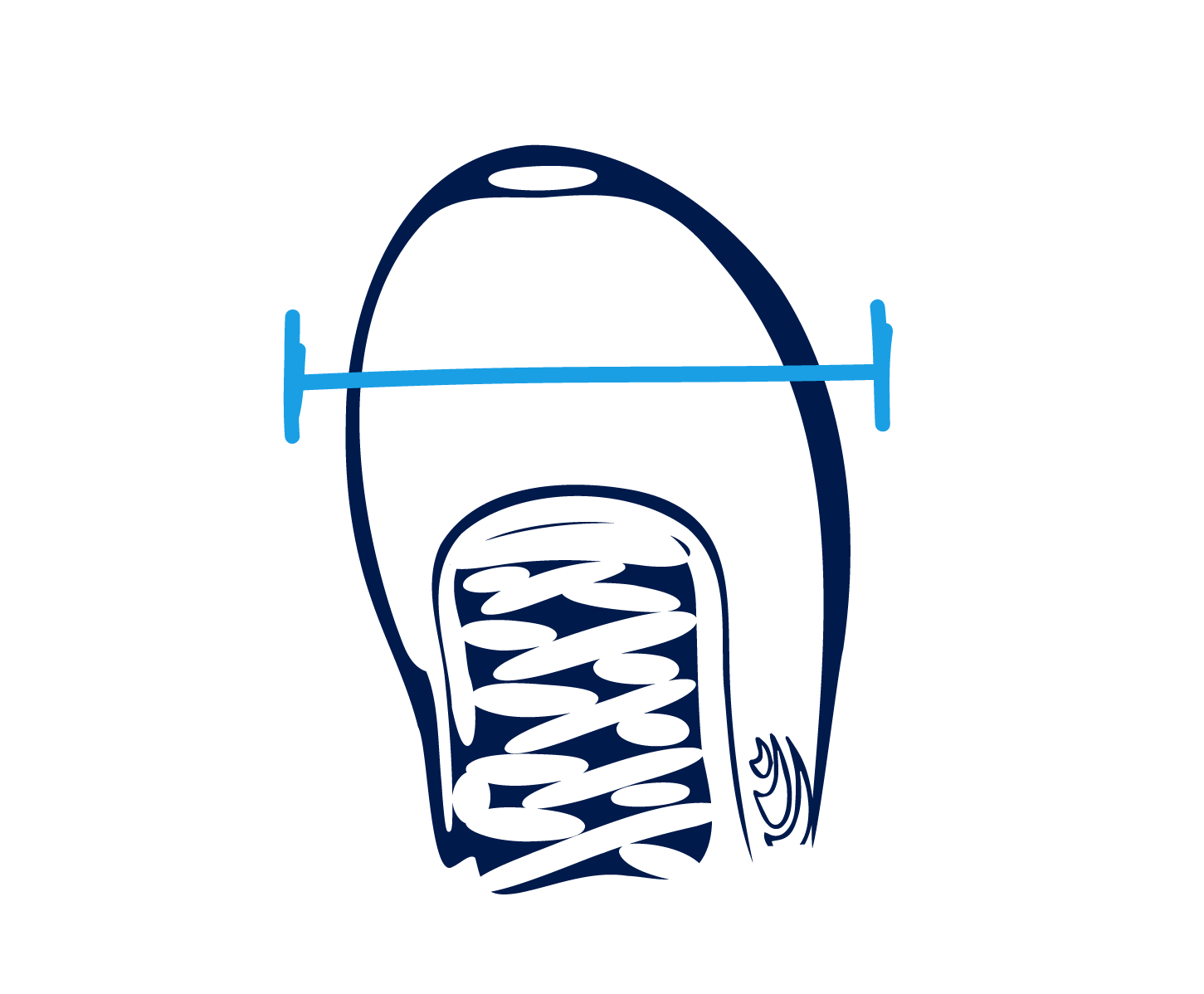
Try removing the shoe’s insole and standing on it. If your toes hang over the edge, the shoe is too narrow. Also, try on shoes at the end of the day—feet swell after activity, so this gives a more accurate fit.
Key Features Of Roomy Toe Box Running Shoes
Not all “wide” shoes are the same. Look for these features:
1. Anatomical Shape
The best roomy toe box shoes mimic the natural shape of the foot—wide at the toes, snug at the heel. Avoid shoes that taper sharply from the ball of the foot to the tip.
2. Sufficient Forefoot Width
Check both the width and depth. Your toes should move freely, not just fit. Some brands offer “wide” or “extra wide” sizes, but others use a natural foot-shaped design.
3. Flexible Upper Material
Shoes with mesh or knit uppers stretch to accommodate swelling. Avoid stiff overlays or heavy seams that can rub.
4. Low Toe Spring
The “toe spring” is how much the front of the shoe curves upward. Less toe spring means your toes stay flat and have more space to move.
5. Removable Insoles
Being able to swap or remove insoles lets you customize fit, add orthotics, or create more room.
6. Proper Volume
Some shoes are wide but shallow—your toes may hit the top. Check both width and vertical space.
7. Secure Heel Fit
A wide toe box should not mean a loose heel. Look for shoes that lock your heel in place so your foot doesn’t slide forward.
Popular Brands For Roomy Toe Box Running Shoes
Some brands are known for making shoes with more space in the toe box. Here’s a comparison of four popular options:
| Brand | Toe Box Shape | Widths Offered | Best For |
|---|---|---|---|
| Altra | Foot-shaped (very wide) | Standard | Barefoot feel, all distances |
| Topo Athletic | Rounded (wide) | Standard, Wide | Natural movement, versatile |
| New Balance | Roomy (varies) | Narrow–Extra Wide | Custom fit, wide feet |
| Brooks | Moderate | Standard, Wide | Comfort, everyday running |
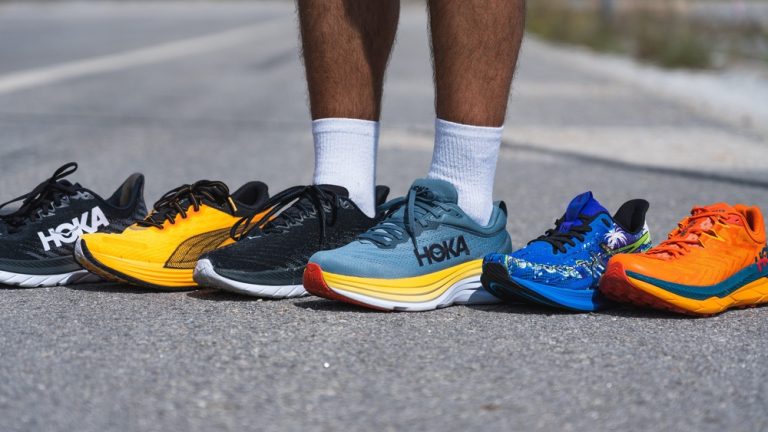
Other brands like Saucony, Hoka, and Merrell also offer select models with generous toe boxes. Always try before you buy, as fit can vary within brands.
Top 10 Roomy Toe Box Running Shoes For 2024
Here are ten of the most recommended models, with a focus on toe box comfort:
1. Altra Escalante 3
Zero drop, very wide toe box, lightweight. Great for daily training and races.
2. Topo Athletic Ultrafly 4
Natural foot shape, moderate cushion, secure heel. Good for road and light trail.
3. New Balance Fresh Foam 1080v13 (wide/extra Wide)
Plush cushioning, available in multiple widths, soft upper.
4. Brooks Ghost 15 (wide)
Reliable, classic daily trainer. Good toe box in wide version.
5. Hoka Clifton 9 (wide)
Max cushion, surprisingly roomy toe box for a Hoka.
6. Altra Torin 7
Zero drop, balanced cushion, foot-shaped design. Comfortable for longer distances.
7. Saucony Echelon 9 (wide/extra Wide)
Stable, deep forefoot, accommodates orthotics.
8. Topo Athletic Magnifly 4
Zero drop, wide fit, excellent for those transitioning to natural running.
9. Merrell Vapor Glove 6
Minimalist, barefoot feel, wide fit. Best for experienced minimalist runners.
10. Nike Air Zoom Vomero 17 (wide)
Surprisingly roomy in wide version, plush ride.
Each model fits a bit differently. If you’re in-between sizes or need extra space, always try both standard and wide options.
How To Choose The Best Roomy Toe Box Shoe For You
Finding your perfect shoe depends on your needs, running style, and foot shape. Here’s a step-by-step approach:
1. Measure Your Feet
Use a Brannock device or get measured at a running store. Measure both feet—most people have one foot larger. Always fit to the bigger foot.
2. Consider Your Foot Type
- Wide feet? Look for wide/extra-wide options.
- High arches? You may need more volume, not just width.
- Bunions or hammertoes? Look for shoes with soft uppers and no seams in problem areas.
3. Think About Your Running
- Road, trail, or both? Some shoes are better for trails or rough terrain.
- Distance? Longer runs need more room for swelling.
- Speed? Lighter shoes often have less space but some new models balance both.
4. Try Shoes On Late In The Day
Feet swell after activity. Shop or try shoes after a workout for the most realistic fit.
5. Test For Toe Room
Stand up and wiggle your toes. You should have about a thumb’s width between your longest toe and the end of the shoe. Toes should not touch the top or sides.
6. Walk And Run In The Store
Don’t just stand—jog or run a few steps. Notice any pressure points or rubbing.
7. Don’t Rely On Size Alone
Different brands and models fit differently. A “wide” in one shoe may be narrower than “standard” in another. Always prioritize fit over the number on the box.
Credit: www.topoathletic.com
Comparison: Roomy Toe Box Vs. Traditional Running Shoes
Here’s a direct comparison to make the differences clear:
| Feature | Roomy Toe Box | Traditional Shoe |
|---|---|---|
| Toe Space | Wide, allows splay | Narrow, toes squeezed |
| Forefoot Shape | Rounded or squared | Tapered to a point |
| Foot Health | Lower risk of bunions/blisters | Higher risk of foot problems |
| Performance | Better balance, natural stride | May restrict natural movement |
| Looks | Foot-shaped, sometimes “boxy” | Sleek, traditional shape |
Common Mistakes When Choosing A Roomy Toe Box Shoe
Even with the right information, it’s easy to go wrong. Watch out for these common errors:
1. Assuming “wide” Is Always Wide Enough
Some brands’ “wide” is only slightly wider than their standard. Always try shoes on and check the actual fit.
2. Ignoring Upper Material
A shoe may be wide at the sole but tight because of stiff upper material. Choose shoes with soft, flexible uppers for the best comfort.
3. Focusing Only On Length
Many runners size up for width, but shoes that are too long can cause heel slip and instability. Get the right width and length.
4. Overlooking Heel Fit
A roomy toe box shouldn’t mean a loose heel. Make sure your heel stays snug and doesn’t lift.
5. Not Accounting For Swelling
Feet expand during runs, especially in heat or over long distances. Fit shoes for how your feet feel after activity, not just at rest.
6. Forgetting About Socks
Socks change fit. Try shoes with the socks you plan to wear while running.

Credit: alpine-footwear.com
Tips For Transitioning To Roomy Toe Box Shoes
If you’ve been using narrow shoes, your feet and running style may need time to adapt to the new space.
1. Start Slowly
Don’t switch all at once. Alternate between your old and new shoes for a few weeks. This gives your foot muscles and tendons time to adapt.
2. Watch For Soreness
You may notice new muscle soreness, especially in your arches and toes. This is normal but ease back if you feel pain.
3. Practice Toe Splaying
Try spreading your toes out when barefoot at home. Strengthening these muscles can improve your running form.
4. Monitor Wear Patterns
Check the soles of your new shoes after a few runs. Uneven wear can signal fit or form issues.
5. Seek Advice If Needed
If you have foot pain or pre-existing conditions, check with a sports podiatrist or running shoe expert for guidance.
Advanced Insights: What Most Beginners Miss
Many runners focus only on comfort or brand reputation when choosing shoes. But there are two less obvious factors:
1. Toe Box Height (not Just Width)
Most people check width, but toe box height matters too. Shoes with a shallow toe box can press down on your toenails, causing discomfort or even black toenails. Always check that your toes have vertical space as well as side-to-side.
2. Midsole Shape And Insole Thickness
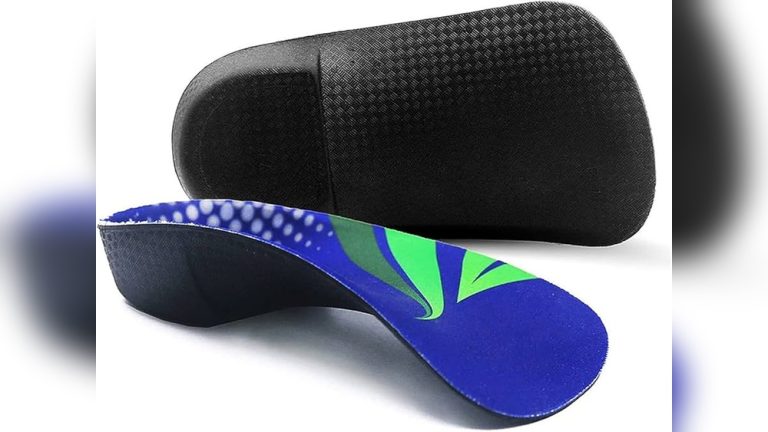
The base of the shoe (midsole) and the insole can affect how much usable space you have. Some shoes have thick insoles that eat up room. Removing or replacing the insole with a thinner one can create extra space if needed.
How Roomy Toe Box Shoes Affect Running Technique
Wearing shoes with more toe space can change the way you run, often for the better.
- Stride changes: Your toes can grip and push off more naturally, leading to a more efficient stride.
- Landing pattern: Some runners shift from a heavy heel strike to a midfoot or forefoot landing.
- Muscle engagement: Small muscles in your feet and lower legs do more work, which can improve strength over time.
However, these changes can take time. If you’re switching from traditional shoes, give your body a few weeks to adapt.
Care And Maintenance Of Roomy Toe Box Running Shoes
Taking care of your shoes will keep them comfortable and extend their life.
Cleaning
- Remove insoles and laces before washing.
- Hand wash with mild soap and water.
- Air dry; never use direct heat or dryers.
Storage
- Avoid leaving shoes in hot cars or direct sunlight.
- Use shoe trees or stuff with paper to maintain shape.
Rotation
- Alternate between two pairs to let shoes dry out between runs.
- This helps prevent odor and extends shoe life.
Check For Wear
- Inspect the toe box regularly for stretching or tearing.
- Replace shoes when the outsole is worn or the cushioning feels flat (typically 300–500 miles).
When Not To Choose A Roomy Toe Box
While roomy toe boxes are great for most, some runners may prefer a snug fit:
- Track sprinters: Need a secure, locked-in feel for speed.
- People with very narrow feet: May feel their foot slides inside.
- Those with certain orthotic needs: Some orthotics require a specific shoe shape.
Always prioritize what feels best for your unique feet and running goals.
Roomy Toe Box Shoes: The Science
Research supports the benefits of a wider toe box for many runners. Studies show that runners in wider shoes report fewer foot injuries, especially blisters and bunions. A 2018 study published in the Journal of Foot and Ankle Research found that toe box width impacts forefoot pressure, with wider shoes reducing harmful pressure on the toes.
Brands like Altra and Topo Athletic have even worked with podiatrists to design their shoe shapes based on actual foot scans, not just fashion trends.
For more in-depth research, you can visit National Institutes of Health.
Credit: runtothefinish.com
Frequently Asked Questions
What Is The Best Running Shoe For Wide Feet And Bunions?
Altra and Topo Athletic are often recommended because of their natural foot shape and wide toe boxes. New Balance also offers extra-wide options with soft uppers that reduce pressure on bunions.
Can A Roomy Toe Box Prevent Black Toenails?
Yes, a wider and higher toe box gives your toes space to move, reducing the chance they’ll hit the top or front of the shoe. This helps prevent black toenails, especially on long runs.
Do Roomy Toe Box Shoes Last As Long As Regular Running Shoes?
In general, yes. Lifespan depends more on midsole and outsole wear than toe box size. However, softer uppers may stretch over time if you have a very wide foot.
Are There Minimalist Shoes With A Roomy Toe Box?
Yes. Shoes like the Merrell Vapor Glove and Altra Escalante offer a barefoot feel with plenty of toe space. Minimalist shoes are best for runners who have transitioned gradually from traditional shoes.
Should I Size Up To Get A Roomier Toe Box?
Not always. Sizing up gives more length, not width. It’s better to choose shoes designed with a wider toe box or that come in “wide” or “extra wide” versions.
Choosing the right running shoe is a personal journey. A roomy toe box can make running more comfortable, reduce injuries, and support your foot’s natural function. Test out different models, listen to your body, and don’t settle for discomfort. The perfect fit is out there—and your toes will thank you every mile.