
How to Stretch Running Shoes for a Perfect Fit Every Time

Finding the right running shoes is essential for every runner, but sometimes even the best pair doesn’t fit perfectly. Shoes that are too tight can cause blisters, numbness, or even long-term foot problems. If you’ve ever wished your running shoes were just a bit roomier, you’re not alone.
Many runners face this problem, especially when shoes feel snug after a run or don’t have enough space in the toe box. The good news is, there are proven ways to stretch running shoes safely at home. By learning these methods, you can improve comfort, prevent injuries, and even extend the life of your favorite pair.
Let’s explore everything you need to know about stretching running shoes effectively, including practical techniques, common mistakes, and real-world tips from experienced runners.
Why Stretching Running Shoes Matters
Wearing shoes that fit correctly is crucial for both comfort and performance. Tight running shoes can lead to several issues:
- Foot pain: Pressure on toes or sides of the foot can cause soreness.
- Blisters and calluses: Friction from a tight fit often leads to skin problems.
- Nail damage: Toenails can bruise or become ingrown if shoes are too small.
- Reduced performance: Discomfort can distract you and slow you down.
Most shoes stretch naturally with use, but sometimes they need extra help—especially if made of synthetic materials or if your feet swell during long runs. Knowing how to stretch running shoes gives you more control over your gear and helps you get the most from every mile.
Understanding Running Shoe Materials
Before you start stretching, it’s important to know what your shoes are made of. Different materials react differently to stretching techniques.
| Material | Stretchability | Best Stretching Method |
|---|---|---|
| Mesh | Moderate | Heat or mechanical stretchers |
| Synthetic leather | Low to moderate | Shoe stretchers, sprays |
| Genuine leather | High | Wear-in, sprays, freezing |
| Knitted fabric | Moderate | Moisture + wear-in |
| Plastic overlays | Very low | Avoid heat, gentle stretching only |
Mesh and knit uppers are common in running shoes today. These materials can stretch a bit, but not as much as leather. Synthetic overlays or plastic areas should be treated with care, as they may crack if forced.
When To Stretch Running Shoes
Not all discomfort means you need to stretch your shoes. Sometimes, a break-in period is enough. Consider stretching if:
- Shoes feel tight even after several wears
- Toes hit the front or sides feel compressed
- You have wide feet or bunions
- Swelling is common during or after runs
On the other hand, if shoes are just slightly snug, wearing them around the house with thicker socks for a few days might solve the problem.
Preparing To Stretch Your Shoes
Before you begin any stretching method, it’s important to prepare:
- Clean your shoes: Remove dirt and debris to avoid stains or damage.
- Check the material: Read the label or manufacturer’s info to know what you’re working with.
- Remove insoles and laces: This ensures even stretching and prevents stress on seams.
- Test fit: Wear the shoes with your usual running socks to see where the tightness is.
If you have sensitive skin or foot conditions, consider using protective bandages or consulting a podiatrist before stretching.
Credit: www.nike.com
Diy Methods To Stretch Running Shoes
You don’t always need professional tools to make your shoes more comfortable. Here are some effective home methods:
1. The Thick Sock Method
Wearing thick socks can help stretch the shoe gently. Here’s how:
- Put on one or two pairs of thick athletic socks.
- Wear your running shoes and lace them up.
- Walk around your house for 20–30 minutes.
- Repeat daily for several days.
This method works well for mesh and knit shoes. For stubborn spots, try using a hairdryer (low heat) to warm the tight areas as you walk—the heat helps the fabric relax.
Beginner tip: Don’t overdo the heat. Too much can damage glue or melt synthetic parts.
2. Shoe Stretchers
A shoe stretcher is a simple device you insert into the shoe. Most allow you to adjust width, length, or specific pressure points.
How to use:
- Insert the stretcher and turn the knob to expand it until snug.
- Leave it in for at least 8 hours, or overnight.
- For extra stretch, use a shoe stretching spray on the inside before inserting the stretcher.
Shoe stretchers work especially well for leather or synthetic leather running shoes. Some models come with bunion plugs to target problem spots.
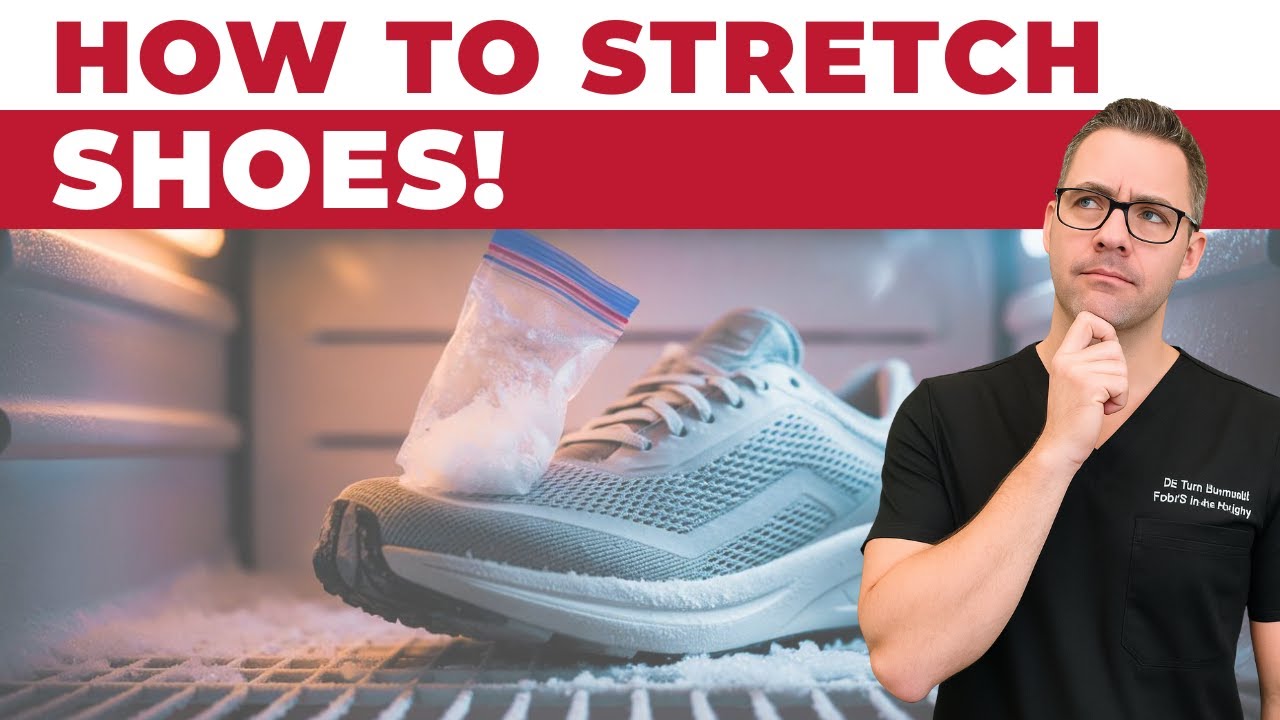
3. Freezer Bag Method
Cold can expand certain materials. This method uses water’s expansion as it freezes.
Steps:
- Fill a resealable plastic bag halfway with water.
- Seal tightly and place inside the shoe (targeting the tight area).
- Put the shoe in the freezer overnight.
- Remove, let thaw for 20 minutes, then take out the bag.
The expanding ice gently pushes outward. This is best for shoes with durable uppers; avoid for shoes with lots of mesh or glued seams.
4. Heat And Wear
A hairdryer can help soften synthetic or fabric shoes:
- Wear thick socks and put on the shoes.
- Use a hairdryer (medium heat) for 20–30 seconds on tight areas.
- Flex your feet and wiggle your toes.
- Keep the shoes on as they cool.
Heat loosens fibers, and your foot helps shape the shoe.
Non-obvious insight: Always keep the dryer moving to prevent hot spots and never use high heat—this can warp the shoe or damage adhesives.
5. Shoe Stretch Spray
Commercial sprays are designed to relax shoe fibers:
- Spray inside the tight area until damp.
- Wear the shoes immediately with thick socks.
- Walk around for 20–30 minutes.
Most sprays are safe for both fabric and leather, but check the label first. This method can be repeated as needed.
6. Newspaper Packing
This old-school trick works for minor stretching:
- Dampen newspaper (not soaking wet).
- Stuff tightly into the shoe, focusing on the tightest areas.
- Let the shoes sit overnight.
- Remove the newspaper and allow shoes to dry.
Pro tip: Don’t let shoes dry near direct heat, as this can cause shrinking or cracking.
7. Professional Stretching
If DIY methods don’t work, a cobbler or shoe repair shop can stretch your running shoes using professional machines. This is usually quick, affordable, and safe for most materials.
Stretching Different Parts Of The Shoe
Sometimes only part of the shoe is tight. Here’s how to target specific areas:
Toe Box
If your toes feel cramped:
- Use a two-way shoe stretcher with a bunion plug.
- Focus a hairdryer on the toe box, then flex your toes upward and outward.
- Pack damp newspaper only in the toe area.
Width
For a narrow fit:
- Use a shoe stretcher designed to widen shoes.
- Wear shoes with thick socks and walk indoors.
- Spray stretch spray along the sides before stretching.
Instep
A high instep can cause pressure on the top of your foot:
- Place a rolled-up sock or towel under the tongue before using a stretcher.
- Focus heat or spray on the instep area.
Heel
If the heel feels tight:
- Use a ball-and-ring stretcher (found in shoe stores).
- Flex the shoe gently by hand, applying slight outward pressure.
Dos And Don’ts Of Stretching Running Shoes
Stretching shoes isn’t risk-free. Avoid common mistakes for best results.
Dos
- Go slow: Stretch in small increments, checking fit often.
- Use gentle heat or cold: Extreme temperatures can ruin shoes.
- Follow material guidelines: Different fabrics need different care.
- Test on old shoes first: If you’re unsure, try the method on a pair you don’t mind damaging.
Don’ts
- Don’t soak shoes in water: This can weaken glue and cause odors.
- Don’t use direct sunlight or ovens: High heat can warp and shrink shoes.
- Don’t overstretch: Shoes can become too loose and lose support.
Comparing Stretching Methods
Choosing the right method depends on your shoe material, where the tightness is, and what tools you have. Here’s a quick comparison:
| Method | Best For | Time Needed | Risk Level |
|---|---|---|---|
| Thick Sock & Heat | Mesh, fabric | 1–3 days | Low |
| Shoe Stretcher | Leather, synthetic | 8–24 hours | Very low |
| Freezer Bag | Leather, some synthetics | Overnight | Moderate |
| Shoe Stretch Spray | Most materials | 1–2 hours | Low |
| Professional Stretch | All materials | Same day | Very low |
How Much Can You Actually Stretch Running Shoes?
A common question is how much extra space you can realistically gain.
- Width: Most shoes can be stretched up to half a size (about 3–5 mm) in width.
- Length: Only a tiny increase is possible (1–2 mm); shoes too short may need replacing.
- Toe box: Up to 4 mm extra room is common.
Experienced runners often use stretching just to ease pressure, not to make a small shoe fit a much larger foot. If you need more than half a size, it’s safer to buy new shoes.
When Not To Stretch Running Shoes
While stretching helps in many cases, it’s not the answer if:
- Shoes are more than one size too small
- The sole feels short or your toes curl inside
- There are hard plastic or carbon fiber parts that won’t give
- The shoe is already stretched out and lacks support
Using shoes that are too tight or too loose can increase injury risk. Comfort and fit should always come first.
Real-world Examples And Tips
Experienced runners and shoe fitters often share practical advice:
- Break in new shoes gradually: Don’t run a marathon in them right after stretching. Start with short walks or easy runs.
- Use stretching to solve hot spots: If only one area is tight, target it with a spot stretcher or spray.
- Rotate shoes: Have two pairs and alternate. This helps shoes recover shape and keeps them lasting longer.
- Monitor wear patterns: If shoes always feel tight in the same spot, consider a different brand or a wider model.
A study from the American Orthopaedic Foot & Ankle Society found that 72% of people wear shoes that don’t fit properly. This is a reminder to always check sizing, especially when buying online.
How To Avoid The Need For Stretching
Prevention is better than cure. Here’s how to avoid fit problems:
- Measure your feet regularly: Feet can change with age, weight, or pregnancy.
- Shop in the afternoon: Feet swell during the day, so try on shoes when your feet are largest.
- Wear running socks when trying shoes: This ensures the fit is realistic.
- Check the return policy: Buy from stores that allow exchanges if the fit isn’t perfect.
- Understand your foot shape: Wide feet, high arches, or bunions may need specialty models.
Some brands offer running shoes in multiple widths. Don’t be afraid to ask for a wide or extra-wide version if you need more space.
How Long Does It Take To Stretch Running Shoes?
Time needed depends on the method and material:
- Sock and wear-in: 2–5 days for noticeable change
- Shoe stretcher: 8–24 hours per stretch
- Freezer bag or spray: Overnight to two days
- Professional stretching: Same day, with instant results in most cases
Be patient. Stretching too quickly can damage the shoe.
Caring For Stretched Running Shoes
Once you’ve achieved a better fit, take care to keep your shoes in good shape:
- Let shoes dry fully after use: Moisture can shrink materials back.
- Use a shoe tree: Helps maintain the new shape.
- Clean regularly: Dirt and sweat can stiffen fabrics.
- Store properly: Keep shoes out of direct sunlight and away from heaters.
If you need to stretch shoes again in the future, repeat the process gently.
Buying Shoes With Stretch In Mind
If you know you’ll need more space, look for these features:
- Flexible uppers: Mesh or knit materials adapt better to stretching.
- Removable insoles: Allows for extra space if needed.
- Wide toe box: More room for natural toe spread.
- Minimal overlays: Fewer stiff parts that resist stretching.
Common mistake: Many runners size up instead of choosing a wider or roomier model. This can lead to slipping and blisters.
Stretching And Foot Health
Wearing shoes that fit well isn’t just about comfort—it can protect your feet from long-term damage. Common issues caused by tight shoes include:
- Bunions: Bony bumps on the side of the big toe.
- Morton’s neuroma: Nerve pain between toes.
- Plantar fasciitis: Heel pain due to poor support.
- Black toenails: Caused by repeated pressure.
If you notice numbness, tingling, or persistent pain, stop running and check your shoes. Sometimes stretching helps, but sometimes it’s best to replace the shoes entirely.

Credit: thefitville.uk
Stretching Running Shoes: Myths Vs. Facts
Let’s clear up a few misunderstandings:
| Myth | Fact |
|---|---|
| All running shoes can be stretched easily | Only certain materials stretch well; hard plastics or extensive overlays won’t give much |
| Stretching ruins shoes | Gentle, controlled stretching actually extends shoe life by preventing hot spots and splits |
| Soaking shoes in water is safe | Water can break down glue and lead to faster wear and tear |
| Heat is always best | Too much heat can damage synthetic fabrics and adhesives; use with care |
When To Seek Professional Help
If you’ve tried several methods and your shoes still hurt, it may be time to visit a professional. A podiatrist or shoe fitter can:
- Assess your foot shape
- Recommend insoles or modifications
- Suggest the best brands for your foot type
In some cases, a custom orthotic or a specialty running shoe is a better investment than continued stretching.
Credit: www.youtube.com
The Environmental Impact Of Replacing Vs. Stretching Shoes
Every year, millions of shoes end up in landfills. Stretching your running shoes to get more life out of them isn’t just good for your wallet—it’s good for the planet. One pair of shoes can take 30–40 years to decompose.
By making shoes last longer, runners can reduce waste and save resources.
If shoes are truly too small, donate them to a local charity or recycling program. Many organizations accept gently used running shoes for those in need.
For more on shoe recycling and sustainability, visit the EPA’s official recycling page.
Frequently Asked Questions
How Do I Know If My Running Shoes Are Too Tight?
If you feel pressure on your toes, sides, or top of your foot, or if you get blisters, numbness, or tingling during or after runs, your shoes are likely too tight. There should be about a thumb’s width of space between your longest toe and the front of the shoe, and the sides should not pinch.
Can I Stretch Shoes That Are Waterproof Or Have Gore-tex Liners?
Waterproof shoes or those with Gore-Tex liners are harder to stretch, as the membrane doesn’t give easily. Use gentle methods (like shoe stretchers or thick socks) and avoid direct heat or soaking. Excess force can damage the waterproof layer.
Is It Safe To Use A Hairdryer Or Heat Gun To Stretch Running Shoes?
A hairdryer on low or medium heat can help stretch shoes, but always move it around and don’t hold it too close. Never use a heat gun or high heat, as this can melt glue, warp plastic, or damage the upper.
How Many Times Can I Stretch The Same Pair Of Shoes?
Most running shoes can be stretched 1–2 times for a small increase in space. Stretching too often can weaken materials, reduce support, and shorten the shoe’s lifespan. If you need to stretch more than once or twice, consider a different model or size.
Will Stretching My Shoes Make Them Less Supportive?
If done gently and in small amounts, stretching should not reduce support. Overstretching, however, can cause shoes to lose shape and structure, which affects performance and increases injury risk. Always check the fit and feel after stretching.
Stretching your running shoes is a smart way to improve comfort, prevent injury, and get more value from your investment. With the right method, a bit of patience, and proper care, you can make almost any pair of running shoes fit perfectly for many miles to come.

One Comment