Trail Running Shoes With Ankle Support: Top Picks for Stability

Trail running is more than just jogging on a dirt path. It means climbing rocky hills, jumping over roots, and moving fast on uneven ground. Your feet, ankles, and legs must work together to keep you upright. One wrong step can twist your ankle or send you tumbling. That’s why choosing the right trail running shoes is critical—especially if you want extra ankle support.
Many runners believe all trail running shoes are the same. But if you have weak ankles or run on rough trails, the right shoe with proper ankle support can protect you from injuries and boost your confidence outdoors. This guide will help you understand what makes a trail running shoe supportive, how to pick the best one for your needs, and which models are the top choices today.
Whether you’re new to trail running or a seasoned athlete looking for more stability, you’ll find clear, practical advice here.
Why Ankle Support Matters In Trail Running
Trail running puts your ankles at risk in ways that road running does not. Trails are full of rocks, loose gravel, tree roots, and steep inclines. Each of these can make your foot land at an angle, twisting your ankle.
Even strong runners can get hurt if their shoes do not offer enough support.
Ankle injuries are the most common type of injury for trail runners. Research shows that up to 30% of trail running injuries involve the ankle, most often sprains. These injuries can keep you off the trail for weeks or even months.
If you have had an ankle injury before, you’re at higher risk of hurting it again. People with naturally loose joints or flat feet also need more support. Good ankle support in your shoes can:
- Reduce the chance of rolling or twisting your ankle
- Help your foot stay in place during quick turns
- Make you feel more stable on loose or uneven ground
But what does “ankle support” really mean? It’s more than just a high collar or thick padding. True support comes from a mix of shoe design, fit, and the right materials.
Key Features Of Trail Running Shoes With Ankle Support
Trail shoes with solid ankle support share several design features. If you know what to look for, you can spot a supportive shoe quickly.
1. Shoe Collar Height
Shoes with a mid or high collar wrap around your ankle. This design helps keep your foot steady and prevents your ankle from rolling. Low-cut shoes do not offer much direct ankle support, but some use special materials or straps to add stability.
2. Heel Counter
The heel counter is the stiff part at the back of the shoe. A firm heel counter cups your heel and keeps it from moving side to side. This reduces unwanted ankle movement.
3. Lacing System
A secure lacing system lets you adjust the fit around your ankle and midfoot. Some shoes use extra eyelets or special locking laces to keep your ankle snug and stable.
4. Midsole Structure
A firm midsole made from EVA foam or polyurethane supports your arch and helps control how your foot moves. Some shoes have extra sidewalls or posts to stop your foot from rolling in or out.
5. Outsole Grip
The outsole is the bottom of the shoe. Deep, aggressive lugs (the rubber “teeth” or bumps) grip the ground and stop your foot from slipping. Less slipping means less chance of twisting an ankle.
6. Upper Material
A strong, supportive upper (the fabric part of the shoe) holds your foot in place. Reinforced mesh or overlays add structure and protect your ankles from bumps.
7. Weight
Supportive trail shoes are often a bit heavier than minimal shoes. The extra weight comes from added materials that stabilize your foot and ankle. However, new designs use lightweight, strong fabrics to reduce this difference.
Below, you’ll see a comparison of common features in trail running shoes designed for ankle support.
| Feature | High Ankle Support | Low Ankle Support |
|---|---|---|
| Collar Height | Mid/High | Low |
| Heel Counter | Firm, structured | Flexible, minimal |
| Lacing System | Extra eyelets, locks | Standard laces |
| Midsole | Dense foam, sidewalls | Soft, flexible |
| Outsole | Deep, grippy lugs | Shallow tread |
Who Needs Trail Running Shoes With Ankle Support?
Not every trail runner needs maximum ankle support. Some runners prefer lightweight, flexible shoes. But certain people benefit a lot from extra stability:
- Runners with a history of ankle sprains
- People with flat feet or overpronation (their feet roll inwards)
- Trail runners on rocky, root-filled, or steep terrain
- Heavier runners who put more force on their joints
- Beginners who are still building muscle strength and balance
If you recognize yourself in these groups, choosing shoes with strong ankle support can help you avoid injury and enjoy your runs more.
Choosing The Right Trail Running Shoe For Ankle Support
With so many models on the market, it’s easy to feel lost. Here’s a step-by-step process to help you choose the best trail running shoe for ankle support.
Step 1: Know Your Foot Type
Your foot shape affects how much support you need. Visit a running store for a simple gait analysis or try the “wet test” at home: wet your foot, step on a paper bag, and look at the shape. Flat feet or a very straight footprint mean you need more support.
Step 2: Match The Shoe To Your Trail
Think about the trails you run most often:
- Smooth, packed dirt: Less aggressive shoes are fine.
- Rocky, technical trails: Choose shoes with more support, a rugged outsole, and toe protection.
- Wet or muddy trails: Look for shoes with deep lugs for grip and water-resistant uppers.
Step 3: Try On Several Models
Fit is personal. The best shoe for you may not work for someone else. When you try on shoes:
- Check for a snug heel (no slipping)
- Make sure the midfoot feels secure but not tight
- Leave a thumb’s width of space in the toe box
- Walk and twist your foot—your ankle should feel “locked in”
Step 4: Test The Support
Stand on one foot in the shoe. Try rocking side to side. Do you feel stable? Good ankle support should reduce wobbly feelings.
Step 5: Consider Your Running Style
If you like fast, short runs, you might want a lighter shoe with moderate support. For long, slow runs or carrying a pack, more ankle support is better.
Here’s a quick side-by-side of the top support features to look for:
| Support Feature | Why It Matters |
|---|---|
| Mid/high collar | Prevents ankle rolling |
| Firm heel counter | Locks heel in place |
| Structured midsole | Controls foot motion |
| Secure lacing | Adjusts ankle fit |
| Reinforced upper | Protects against bumps |
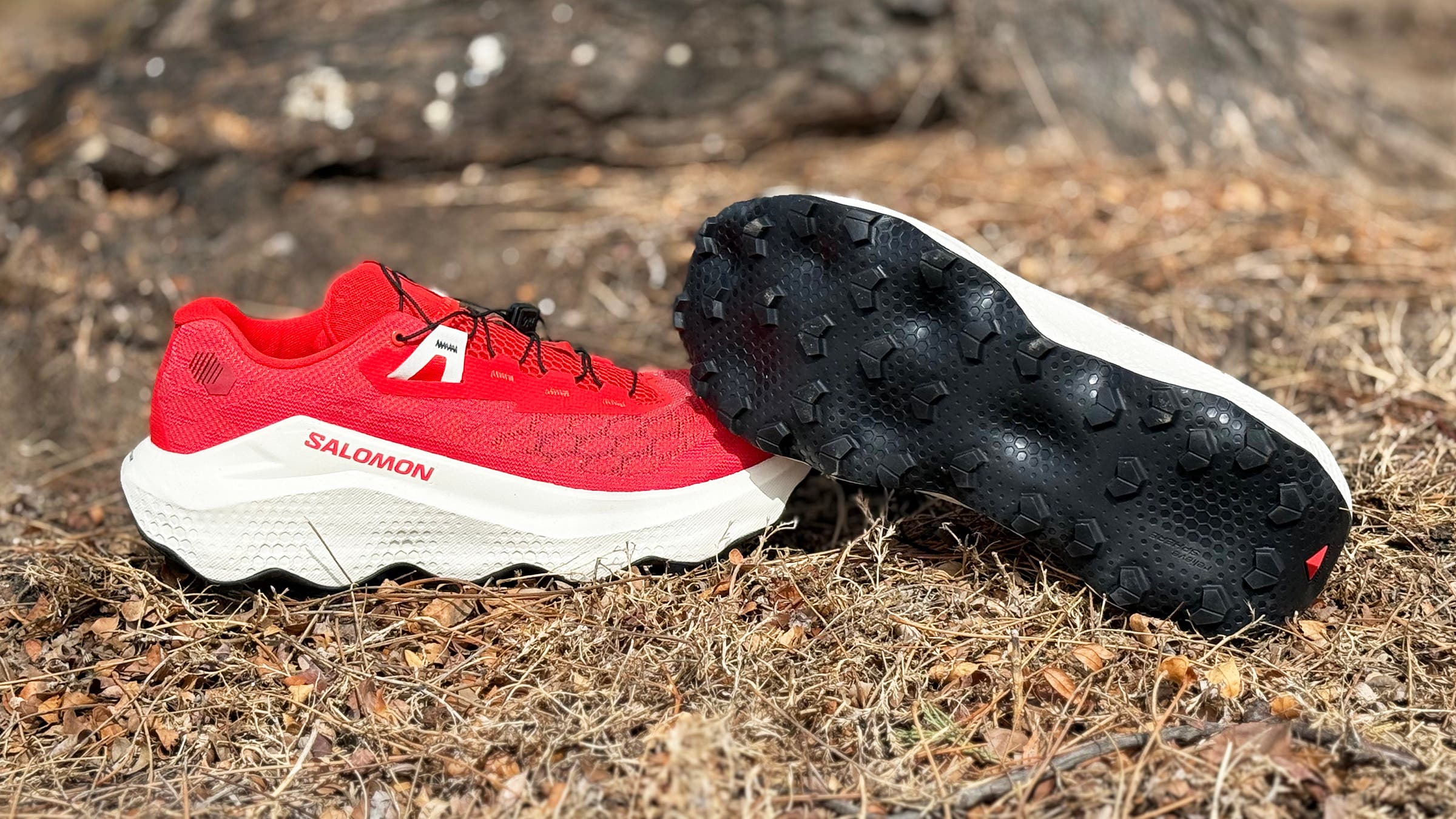
Credit: www.outsideonline.com
Top Trail Running Shoes With Ankle Support (2024 Picks)
The market changes every year, but some models stand out for their excellent ankle support. Here are ten of the best trail running shoes for ankle support, with a short description of what makes each unique.
1. Salomon X Ultra 4 Mid Gtx
A top choice for hikers and runners who want a boot-like feel. The mid-height collar and firm chassis give strong ankle support. The Gore-Tex upper keeps feet dry. Great for rocky, technical trails.
2. La Sportiva Ultra Raptor Ii Mid Gtx
Loved for its stable base and tough upper. The heel is locked in, and the high collar protects ankles from twists and scrapes. Works well for long distances and mountain trails.
3. Hoka One One Speedgoat 5 Mid Gtx
HOKA’s signature cushioning meets a mid-height collar. The extra foam absorbs impact, while the Vibram Megagrip outsole provides serious traction. Perfect for runners needing both support and comfort.
4. Adidas Terrex Swift R3 Mid Gtx
Aggressive tread and a snug, padded collar. The heel support is strong, and the lacing system lets you adjust the fit easily. Feels secure on steep, muddy climbs.
5. Altra Lone Peak All-wthr Mid
Unique “foot-shaped” design lets toes splay, but a firm heel and mid collar support the ankle. Zero drop for natural running, but with solid protection and grip.
6. Merrell Moab Speed Mid Gtx
A blend of running shoe comfort and hiking boot support. The mid-cut design and firm sole stabilize the ankle, while the mesh upper keeps things light and breathable.
7. Oboz Sawtooth X Mid
Built with a supportive heel cup and a rugged outsole. The collar is soft but holds the ankle well. Good for wide feet and rough, rocky trails.
8. Brooks Cascadia 17
A classic trail runner, now with better stability. The heel and midfoot are secure, and the new outsole gives excellent grip. Not as high-cut, but supportive enough for many runners.
9. Salewa Ultra Flex Mid Gtx
Designed for speed and agility, but with a supportive collar and strong heel grip. The outsole flexes well on uneven ground without sacrificing stability.
10. Columbia Facet 75 Mid Outdry
A modern look with a high, padded collar. The OutDry membrane keeps feet dry, and the tough heel counter offers reliable ankle protection. Good for wet, rocky trails.
Comparing Trail Running Shoes With Ankle Support
It’s hard to pick a shoe from a list of names. Here’s a comparison of three top models, showing how they match up in key features.
| Model | Collar Height | Weight (Men’s US 9) | Waterproof | Outsole Grip | Best For |
|---|---|---|---|---|---|
| Salomon X Ultra 4 Mid GTX | Mid | 15.5 oz (440g) | Yes | Very High | Technical, rocky trails |
| HOKA Speedgoat 5 Mid GTX | Mid | 13.5 oz (384g) | Yes | High | Long distances, mixed terrain |
| Altra Lone Peak ALL-WTHR Mid | Mid | 13.9 oz (395g) | Yes | High | Natural stride, wide feet |
Real-world Advice: What Beginners Miss
Most beginners focus only on the collar height, thinking a higher collar equals better support. But true ankle support comes from the whole shoe design. For example, a low-cut shoe with a super-stiff heel and dense midsole may feel more stable than a high-collar shoe with a sloppy fit.
Another common mistake: choosing a shoe that’s too tight. A snug fit is good, but if your toes are squeezed or your foot feels numb, you’ll lose control and risk blisters or worse. Always try shoes on at the end of the day, when your feet are slightly swollen, to get a more accurate fit.
Also, don’t forget to break in your shoes. Even the best trail running shoe may feel stiff at first. Wear them for short walks before a long run to let the materials mold to your foot.
Extra Tips For Ankle Safety On The Trail
Shoes are important, but they’re only part of the solution. Here are other ways to protect your ankles while trail running:
- Warm up before running. Gentle ankle circles and calf stretches wake up your joints.
- Strengthen your ankles. Simple exercises like toe raises, single-leg stands, and balance board drills build muscle support.
- Use ankle braces if needed. For runners with a history of sprains, a soft brace can add extra protection.
- Watch your step. Scan the trail ahead for rocks, holes, or roots.
- Listen to your body. If your ankle feels weak or painful, stop and rest.
Caring For Trail Running Shoes With Ankle Support
Supportive shoes last longer if you take care of them. Here’s how to keep yours in top shape:
- Clean after muddy runs. Use a brush and water to remove dirt. Avoid harsh soaps.
- Dry naturally. Stuff shoes with newspaper and let them air dry. Don’t use direct heat—it can damage the materials.
- Check for wear. Replace shoes if the outsole lugs are worn down or if the support feels loose.
- Rotate pairs. If you run often, having two pairs helps each last longer and gives the foam time to recover.
When To Replace Trail Running Shoes
Supportive features lose power over time. Most trail running shoes last 300–500 miles (480–800 km), but rocky trails can wear them out faster. Signs it’s time for new shoes include:
- The sole is flat or smooth
- The heel collar feels floppy or loose
- Your feet or ankles hurt during or after runs
- The midsole feels “dead” or less bouncy
Replacing shoes on time is one of the best ways to protect your ankles.

Credit: vauban-avocats.com
Common Mistakes When Buying Trail Running Shoes With Ankle Support
Even experienced runners make errors when choosing new shoes. Here are mistakes to avoid:
- Ignoring your real needs: Don’t buy the highest or most “advanced” shoe just because it looks strong. Choose based on your trail, foot type, and running style.
- Focusing only on brand: Big brands offer great shoes, but lesser-known brands can fit you better.
- Assuming waterproof means better: Waterproof shoes are heavier and less breathable. For dry climates, non-waterproof may be a better choice.
- Not testing the fit: Walk, jog, and twist in the store before buying. Fit matters more than any feature.
- Forgetting about socks: Thick or thin socks can change how the shoe fits. Bring your running socks when you try shoes on.
The Role Of Socks And Insoles In Ankle Support
You might not think about socks and insoles, but they make a big difference in stability and comfort.
Socks
Choose socks with a snug fit and some compression around the ankle. Avoid loose, slippery socks that can bunch up and cause blisters.
Insoles
If your shoes feel unstable, try swapping the insole. Supportive insoles can add arch support and help control ankle motion. Look for insoles made for running, not just walking.
Trail Running Shoes Vs Hiking Boots For Ankle Support
Some runners wonder if they should use hiking boots for extra ankle support. Here’s a quick comparison:
- Hiking boots: Offer the most ankle support, but are heavy, stiff, and less flexible. They can slow you down and tire your legs.
- Trail running shoes with ankle support: Lighter, more flexible, and designed for running. Provide enough support for most runners, but allow natural movement.
For most runners, a supportive trail shoe is the best balance of protection and speed.
How Much Should You Spend On Trail Running Shoes With Ankle Support?
Prices vary widely. You can find good trail shoes with ankle support for $120–$180. More expensive shoes may have better waterproofing or lighter materials, but even mid-priced models offer strong support. Don’t feel pressured to buy the most expensive shoe—fit and comfort matter most.
If you’re on a budget, last year’s models often go on sale at big discounts. Just make sure you try them on, as sizing and fit can change between years.

Credit: vauban-avocats.com
Trail Running Shoes With Ankle Support For Women
Women’s feet are shaped differently than men’s. Many brands offer women-specific models with a narrower heel and wider forefoot. Don’t just size down a men’s shoe—choose a women’s version for a better fit and support.
Sustainability And Eco-friendly Options
A growing number of brands now make trail running shoes from recycled materials. These shoes offer the same support and durability as traditional models. Look for shoes with recycled uppers, natural rubber outsoles, or responsible manufacturing practices. For more on sustainable options, visit REI’s eco-friendly footwear guide.
Frequently Asked Questions
What Is The Best Trail Running Shoe For Ankle Support?
The Salomon X Ultra 4 Mid GTX is often rated top for ankle support because of its firm heel, mid-height collar, and stable sole. But the best shoe for you depends on your foot shape and the type of trail you run. Always try on several models before buying.
Are High-top Shoes Always Better For Ankle Support?
Not always. While a higher collar can help prevent ankle rolls, the overall structure—heel counter, midsole, and fit—matters just as much. Some low or mid-cut shoes offer excellent support through strong design.
Can I Use Ankle Braces With Trail Running Shoes?
Yes, but make sure your shoes have enough room for a brace. Some braces are bulky and can change the fit. Test the shoe and brace together before buying.
How Do I Know If My Shoes Have Enough Ankle Support?
If your heel stays in place, your ankle feels stable during side-to-side moves, and you feel confident on uneven ground, your shoes have good support. If your ankle wobbles or you feel insecure, try a different model.
Do Supportive Trail Shoes Prevent All Ankle Injuries?
No shoe can guarantee zero injuries. Supportive shoes greatly reduce the risk, but you still need to watch your step and build ankle strength through training.
Trail running is an adventure, but the right shoes can make it safer and more fun. Take your time, try on several pairs, and listen to your body’s needs. With proper ankle support, you can run farther, climb higher, and enjoy every mile of the trail.