Volleyball Shoes for Badminton? Proven Best

Can you use volleyball shoes for badminton? While not ideal, volleyball shoes can be a decent temporary substitute for badminton if you prioritize court grip and ankle support. However, they lack the specific lateral agility and lightweight feel crucial for badminton’s quick directional changes. For optimal performance and injury prevention in badminton, dedicated badminton shoes are highly recommended.
Stepping onto the court, whether for a friendly game of volleyball or a competitive badminton match, always brings up questions about the right gear. One question that pops up often is: “Can I just use my volleyball shoes for badminton?” It’s a fair question, especially when you’re just starting out or looking to save a few bucks. The truth is, while both sports are played indoors on similar courts, the demands on your footwear are surprisingly different. Don’t worry, though! We’re here to break down exactly why this question arises and what you need to know to make the best choice for your feet and your game. Let’s dive into the nitty-gritty of volleyball shoes and badminton, and figure out what works best.
Volleyball Shoes vs. Badminton Shoes: What’s the Difference?
At first glance, volleyball and badminton shoes might look pretty similar. They’re both designed for indoor courts, offering cushioning and grip. But when you get down to the nitty-gritty, the specific movements and demands of each sport lead to some key design differences. Understanding these distinctions is crucial for both performance and preventing injuries.
Key Design Features to Consider
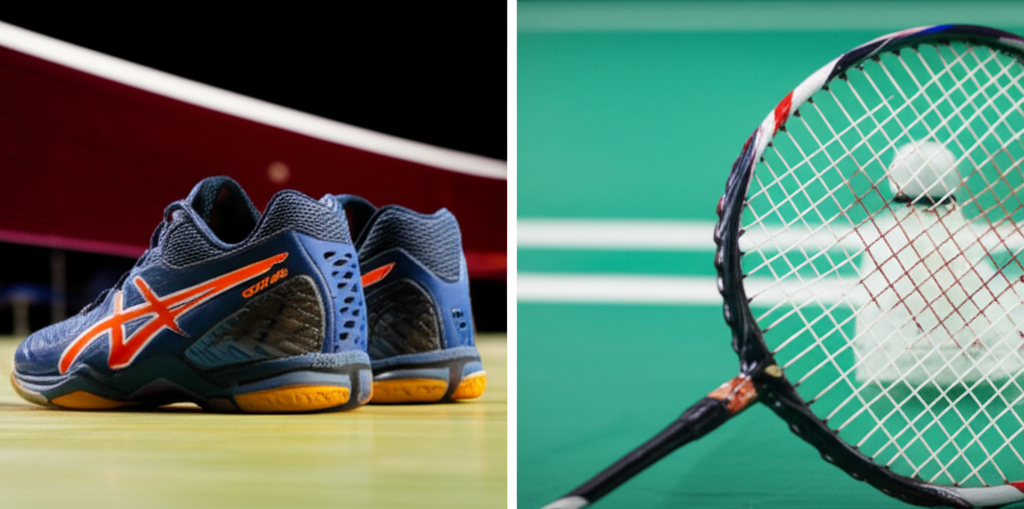
Let’s break down the main areas where these shoes differ:
- Traction and Grip: Both sports require excellent grip, but the type of grip differs.
- Cushioning: Impact absorption is vital in both, but the way it’s delivered can vary.
- Ankle Support: Stability is key for quick movements.
- Weight and Flexibility: Agility is paramount in both sports.
- Durability: How well do they hold up?
Traction and Grip: The Foundation of Movement
The most significant difference lies in the sole. Both sports require non-marking soles to protect indoor courts. However, the tread patterns are optimized for different movements:
- Volleyball Shoes: These typically feature a herringbone or circular pattern designed for multidirectional movement. Think about the quick lateral shuffles, jumps, and landings involved in blocking, hitting, and digging. The grip needs to be strong in all directions. Many volleyball shoes use gum rubber soles, which provide excellent grip on polished indoor courts.
- Badminton Shoes: Badminton involves extremely rapid, short bursts of movement, often involving quick changes in direction and explosive lateral steps. Badminton shoes usually have a more focused tread pattern, often with circular pivot points, to facilitate these sharp turns without sticking or slipping. The rubber compound might be slightly softer to offer a more sensitive feel for the court, allowing for quicker reactions.
Why it matters: Using volleyball shoes for badminton might mean your grip is a little too sticky during sharp turns, potentially leading to ankle twists. Conversely, if badminton shoes lack the robust grip for strong vertical jumps, you might feel less stable when landing from a spike.
Cushioning: Absorbing the Impact
Both sports involve jumping, but the nature of the jumps and landings differs:
- Volleyball Shoes: Volleyball players often perform powerful, repeated vertical jumps for spiking and blocking. This means volleyball shoes typically have more robust cushioning, particularly in the heel and forefoot, to absorb the impact of these high-impact landings. Technologies like GEL or air units are common.
- Badminton Shoes: While badminton players also jump, their movements are often more about agility and quick, low-impact footwork. Badminton shoes offer cushioning, but it’s usually more focused on providing a responsive feel and shock absorption for constant, rapid movements rather than absorbing the force of massive vertical leaps. They prioritize a low-profile feel for better court connection.
Why it matters: Volleyball shoes might feel a bit too bulky or offer too much cushioning for the delicate footwork of badminton, potentially hindering your speed and agility. Conversely, badminton shoes might not provide enough cushioning for the repeated high-impact landings in volleyball, increasing the risk of stress injuries.
Ankle Support: Staying Stable
Ankle stability is critical in both sports:
- Volleyball Shoes: Many volleyball shoes come in mid-top or high-top designs, offering enhanced ankle support. This is vital for preventing ankle rolls during aggressive jumps, blocks, and dives.
- Badminton Shoes: Badminton shoes often focus on a snug fit and a stable base rather than extreme ankle wrapping. While some mid-tops exist, the emphasis is on a locked-down feel around the foot to support lateral movements.
Why it matters: If your volleyball shoes are high-tops, they can restrict the quick ankle articulation needed for badminton. However, the inherent stability of a well-fitting volleyball shoe can still offer good protection.
Weight and Flexibility: Agility Matters
Speed and quickness are essential in both sports:
- Volleyball Shoes: While designed to be lightweight, volleyball shoes can sometimes be slightly heavier and less flexible than dedicated badminton shoes due to the extra cushioning and support features.
- Badminton Shoes: Badminton shoes are typically designed to be extremely lightweight and flexible. This allows players to move swiftly and change direction with minimal resistance, enhancing their agility on the court.
Why it matters: The added weight of volleyball shoes, though minor, could slightly slow down your reaction time in badminton. The reduced flexibility might also make those sharp lateral cuts feel a bit more cumbersome.
Can You Actually Use Volleyball Shoes for Badminton? The Pros and Cons
So, can you get away with using your volleyball shoes on a badminton court? The short answer is: yes, you can, but it’s not the ideal scenario. Let’s weigh the advantages and disadvantages.
Potential Benefits of Using Volleyball Shoes for Badminton
- Availability: If you already play volleyball, you likely have a pair of volleyball shoes readily available. This saves you from buying a separate pair just for badminton, especially if you’re a beginner.
- Ankle Support: Many volleyball shoes offer good ankle support, which can be beneficial for preventing injuries, especially if you’re prone to ankle sprains.
- Cushioning: The cushioning in volleyball shoes can provide comfort and absorb some of the impact from jumping and landing, which is still relevant in badminton.
- Court Grip: Volleyball shoes generally have good traction, which is essential for any indoor court sport.
Potential Drawbacks of Using Volleyball Shoes for Badminton
- Reduced Agility: Volleyball shoes can be slightly heavier and less flexible than badminton shoes. This might hinder the quick, sharp movements and rapid directional changes that are fundamental to badminton.
- Traction Issues: The tread pattern on volleyball shoes is designed for multidirectional movement, which is good, but it might be too grippy for the very specific, sharp pivots in badminton. This can sometimes lead to ankle strain if the shoe doesn’t release cleanly from the court.
- Court Feel: The more substantial cushioning in volleyball shoes might reduce your “court feel”—the ability to sense the ground beneath your feet. This can make it harder to react quickly and precisely in badminton.
- Durability: While durable, volleyball shoes are built for volleyball movements. Constant lateral stress from badminton might wear them out faster in specific areas.
When is it Okay to Use Volleyball Shoes for Badminton?
There are definitely situations where using your volleyball shoes for badminton makes sense:
- Casual Play: If you’re playing badminton very casually, perhaps once in a while with friends, and not in a competitive setting, your volleyball shoes will likely be perfectly fine.
- Beginner Stage: As you’re just learning the basics of badminton and your movements aren’t yet explosive or highly technical, volleyball shoes won’t significantly hold you back.
- Budget Constraints: If buying a dedicated pair of badminton shoes isn’t feasible right now, using your volleyball shoes is a sensible temporary solution.
- Limited Options: If you don’t have any other suitable athletic shoes available, volleyball shoes are a much better choice than running shoes or casual sneakers.
When Should You Invest in Badminton Shoes?
As you progress in badminton, you’ll notice the limitations of volleyball shoes more acutely. Here’s when it’s time to consider a dedicated pair:
- Competitive Play: If you start playing in leagues, tournaments, or even serious club matches, the performance edge from proper badminton shoes becomes significant.
- Frequent Play: If you’re practicing or playing badminton regularly, the cumulative effect of suboptimal footwear can lead to fatigue or minor injuries.
- Developing Advanced Skills: When you start focusing on advanced footwork, sharp turns, and explosive lunges, dedicated badminton shoes will support these movements more effectively.
- Preventing Injuries: If you’ve experienced ankle rolls or foot fatigue while playing badminton in volleyball shoes, it’s a clear sign you need specialized footwear.
Key Features of Good Badminton Shoes
To help you understand what to look for when you do decide to buy badminton shoes, here are the critical features:
- Lightweight Construction: Reduces fatigue and allows for faster footwork.
- Excellent Lateral Support: Designed to handle side-to-side movements without compromising stability.
- Non-Marking Outsole with Specific Grip: Optimized tread for quick pivots and stops on indoor courts. Often features a slightly softer rubber for better court feel.
- Responsive Cushioning: Provides shock absorption without being overly soft, allowing for quick reactions.
- Breathable Upper: Keeps your feet cool and comfortable during intense play.
- Secure Fit: A snug fit prevents your foot from sliding inside the shoe, which is crucial for control.
For more information on the technical aspects of sports footwear, you can refer to resources from organizations like the USA Volleyball (though they focus on volleyball, the principles of athletic shoe design are similar) and the Badminton World Federation (BWF), which sets the standards for the sport.
Popular Volleyball Shoe Brands (and how they might fare in Badminton)
Many top volleyball shoe brands also produce excellent badminton shoes. However, let’s consider their volleyball offerings and how they might perform for a badminton player:
| Brand | Popular Volleyball Shoe Models | Volleyball Shoe Characteristics | Likely Badminton Performance (Using Volleyball Shoes) |
|---|---|---|---|
| ASICS | GEL-Netburner Ballistic, GEL-Rocket | Excellent cushioning (GEL technology), good multidirectional grip, often mid-top for ankle support. | Good cushioning and ankle support. Might feel slightly heavy or less agile for sharp badminton pivots due to sole design and cushioning. |
| Mizuno | Wave Momentum, Wave Lightning | Known for their Wave Plate technology for stability and cushioning, lightweight feel, excellent traction. | Very good option. Wave Plate offers good stability. Might still be slightly less specialized for badminton’s extreme lateral cuts compared to dedicated badminton models. |
| Nike | Zoom Hyperspeed Court, React Hyperset | Responsive cushioning (Zoom Air), lightweight, good court feel, often a sleeker profile. | Potentially a better crossover option due to lighter feel and responsive cushioning. Still, the tread pattern might not be optimized for badminton pivots. |
| Adidas | Crazyflight, Stabil | Boost or Bounce cushioning, lightweight, good energy return, supportive fit. | Similar to Nike, the lighter feel and responsive cushioning can be advantageous. The multidirectional grip is generally effective. |
It’s worth noting that brands like Mizuno and ASICS are particularly strong in both sports, and their dedicated badminton lines are excellent. If you like the feel of a particular brand’s volleyball shoe, their badminton line is often a great place to start looking for specialized footwear.
Volleyball Drills that Can Help Badminton Players
While not directly about shoes, improving your overall athleticism will make any footwear choice feel better. Here are a few volleyball drills that can enhance skills beneficial for badminton:
- Lateral Shuffle Drill: Mimics the side-to-side movement needed for court coverage.
- Jump and Land Practice: Focus on soft landings and quick recovery, similar to defensive stances in badminton.
- Reaction Drills: Have a partner call out directions (left, right, forward, back) for you to react to quickly.
Remember to always perform drills in appropriate footwear to avoid injury.
Frequently Asked Questions (FAQ)
Q1: Are volleyball shoes okay for indoor court use in general?
Yes, volleyball shoes are designed for indoor courts and provide excellent grip and support for activities like basketball, racquetball, and general court training. Their non-marking soles and multidirectional traction are suitable for many indoor sports.
Q2: What’s the biggest difference between volleyball and badminton shoes?
The biggest difference is the optimization for movement. Volleyball shoes are designed for powerful vertical jumps and multidirectional shuffling, with more emphasis on cushioning and stability. Badminton shoes are built for extreme agility, rapid directional changes, and quick footwork, often being lighter and more flexible with specialized pivot-point traction.
Q3: Can I wear running shoes for badminton or volleyball?
It is strongly discouraged. Running shoes are designed for forward motion and lack the lateral support and specific court grip needed for sports like volleyball and badminton. Wearing them can lead to ankle injuries and reduced performance.
Q4: How do I know if my volleyball shoes are too heavy for badminton?
If you feel your feet getting fatigued quickly, if your movements feel sluggish, or if you struggle to make sharp, quick turns without feeling like your shoes are sticking, they might be too heavy or stiff for badminton.
Q5: Should I buy separate shoes if I play both volleyball and badminton?
If you play both sports regularly or competitively, investing in separate shoes is highly recommended. Dedicated badminton shoes will enhance your agility and reduce the risk of injury in badminton, while your volleyball shoes will provide optimal support for volleyball’s demands.
Q6: Do higher-top volleyball shoes help in badminton?
While higher-top volleyball shoes offer more ankle support, they can sometimes restrict the ankle flexibility needed for the quick, precise footwork in badminton. Lower-profile, more flexible shoes are generally preferred for badminton, though some players might still benefit from the extra support if they have a history of ankle issues.
Q7: What are the best brands for badminton shoes?
Some of the most reputable brands for badminton shoes include Yonex, Li-Ning, Victor, ASICS, and Mizuno. These brands specialize in sports footwear and offer models specifically engineered for the demands of badminton.
Conclusion: Making the Right Footwear Choice
Ultimately, while you can use volleyball shoes for badminton, especially for casual play or when you’re just starting, they are not a perfect substitute. The subtle but important differences in design, particularly regarding agility, specific traction, and court feel, mean that dedicated badminton shoes offer a significant advantage for performance and injury prevention as you progress.
Think of it this way: you wouldn’t use a hammer to drive a screw, even though both are tools. Similarly, while both shoes and sports are related, specialization matters. If you’re serious about improving your badminton game, investing in a good pair of badminton shoes is a smart move. It’s a step that shows you’re committed to your sport and your well-being on the court. Happy playing!