Volleyball Shoes for Running? Essential Guide

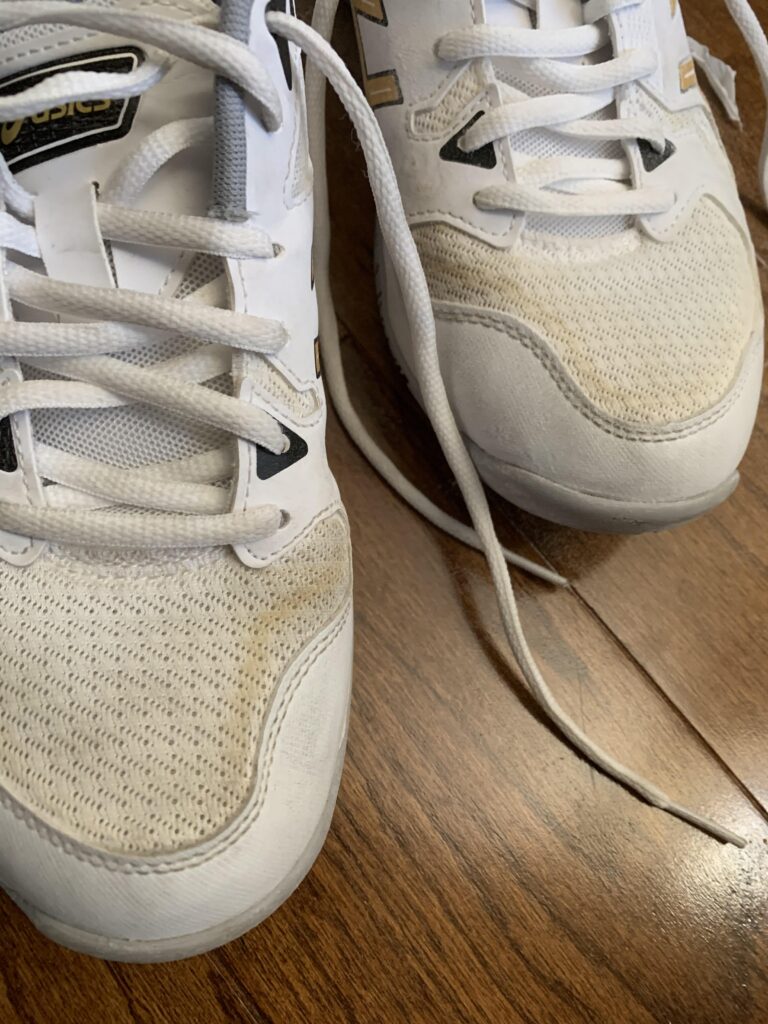
Can you use running shoes for volleyball? While you can technically wear running shoes for volleyball, it’s generally not recommended. Running shoes are designed for forward motion and cushioning, lacking the lateral support, grip, and ankle stability crucial for quick, multidirectional movements on the volleyball court. Using them can increase your risk of injury. This guide will explain why and what to look for in proper volleyball shoes.
Stepping onto the volleyball court for the first time is exciting! You’re ready to bump, set, and spike. But then you look down at your feet. Do those comfy running shoes you wear for jogs around the park work for volleyball too? It’s a super common question for newcomers to the sport. Many players wonder if they can save a few bucks by using gear they already own. Don’t worry, we’ve all been there!
The truth is, while your running shoes might feel good, they aren’t built for the unique demands of volleyball. This post will break down exactly why and guide you toward choosing the best footwear to keep you safe, supported, and playing your best. Let’s get your feet ready for the court!
Why Running Shoes Aren’t Ideal for Volleyball
Imagine trying to play soccer in basketball shoes, or basketball in cleats. It just wouldn’t work, right? Volleyball is similar – it has its own specific needs when it comes to footwear. Running shoes, while fantastic for their intended purpose, fall short when it comes to the dynamic, multidirectional movements of volleyball.
The Science Behind the Slam
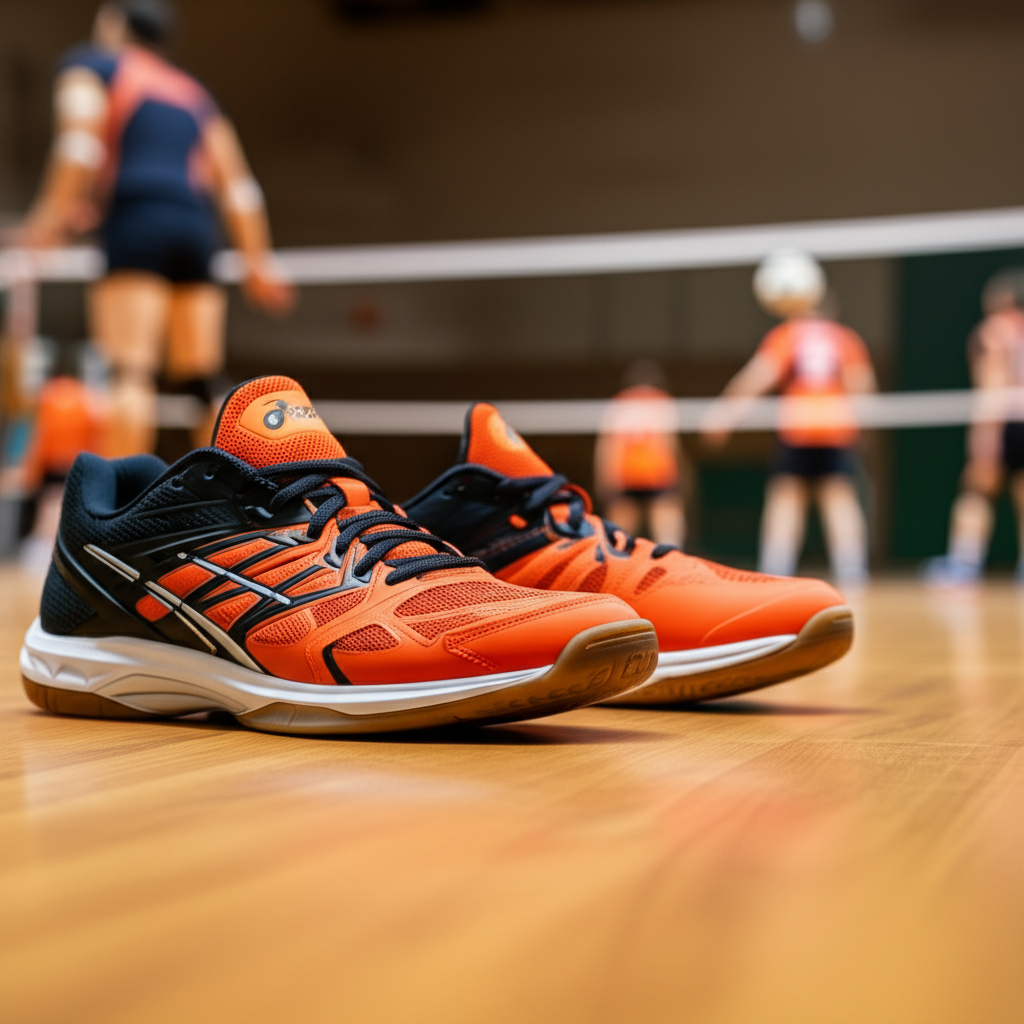
Volleyball isn’t just about jumping. It involves a lot of quick stops, starts, lateral shuffles, and sudden changes in direction. Think about a defender diving for a ball or a setter moving quickly to get under a pass. These actions put different stresses on your feet and ankles than simply running in a straight line.
Running shoes are primarily designed to absorb impact and provide cushioning for forward motion. They have softer soles and are built to handle the repetitive pounding of running on surfaces like asphalt or treadmills. This design, however, can be a disadvantage on the volleyball court.
Key Differences in Shoe Design:
- Lateral Support: Volleyball requires constant side-to-side movement. Proper volleyball shoes have reinforced sidewalls and a wider base to prevent your foot from rolling over the edge of the sole during quick cuts and dives. Running shoes often lack this crucial lateral stability.
- Grip and Traction: The indoor volleyball court surface is typically a smooth, often polished wood or synthetic material. Volleyball shoes feature non-marking rubber outsoles with specific tread patterns designed to provide maximum grip and prevent slipping during explosive movements. Running shoe outsoles, while grippy on other surfaces, might not offer the same traction on a court and could even leave marks.
- Ankle Stability: Players often land from jumps in awkward positions. Volleyball shoes, especially high-top models, offer enhanced ankle support to help prevent sprains and other injuries. Running shoes, typically low-cut, offer minimal ankle protection.
- Cushioning vs. Responsiveness: Running shoes prioritize soft cushioning to absorb impact over long distances. Volleyball shoes offer a balance of cushioning for landings and responsiveness to allow for quick, explosive movements and jumps. Too much soft cushioning in running shoes can make you feel “bogged down” and reduce your court feel.
- Weight and Flexibility: Volleyball shoes are generally lighter and more flexible in the forefoot, allowing for agile footwork. Running shoes can sometimes be bulkier and less flexible in ways that hinder rapid court movement.
Wearing the wrong shoes can not only affect your performance by limiting your agility and grip but, more importantly, can significantly increase your risk of injuries like ankle sprains, stress fractures, and knee problems. As a beginner, building a solid foundation with the right gear is essential for long-term enjoyment and progress in the sport.
What Makes a Great Volleyball Shoe?
Now that we know why running shoes aren’t the best fit, let’s talk about what you should be looking for. Volleyball shoes are engineered with the sport’s specific demands in mind. They are your best allies on the court, providing the support, grip, and agility you need to play at your best.
The Anatomy of a Volleyball Shoe:
- Outsole: This is the bottom part of the shoe. Look for non-marking rubber soles with a multi-directional tread pattern for excellent traction on indoor courts. Some shoes feature a pivot point on the sole to aid in quick turns.
- Midsole: This layer provides cushioning and shock absorption. Volleyball midsoles are designed to be responsive, offering a good balance between comfort for landings and energy return for jumps. Materials like EVA (ethylene-vinyl acetate) or specialized foam compounds are common.
- Upper: This is the part of the shoe that encloses your foot. Uppers are typically made from breathable mesh and synthetic materials to keep your feet cool and comfortable. They also incorporate supportive overlays and structures to enhance stability during lateral movements.
- Support Features: Many volleyball shoes include features like a shank (a stiffening element in the midsole) for torsional stability, reinforced toe caps to protect against impact, and padded collars for ankle comfort and support.
- Fit: A snug, comfortable fit is paramount. Your heel should not slip, and there should be enough room in the toe box for your toes to splay slightly without feeling cramped.
Key Features to Prioritize:
- Excellent Grip: This is non-negotiable for quick stops and changes of direction.
- Lateral Stability: Features that prevent your foot from rolling outwards during side-to-side movements.
- Cushioning for Landings: Enough shock absorption to protect your joints from the impact of jumps.
- Ankle Support: Especially important if you’re prone to ankle rolls or play a position that involves a lot of jumping.
- Lightweight Design: To help you move quickly and feel agile on the court.
- Breathability: To keep your feet cool and dry during intense play.
Choosing the right shoe is an investment in your performance and your physical well-being. Don’t underestimate the impact your footwear can have on your game!
Types of Volleyball Shoes
The world of volleyball shoes might seem vast at first, but they generally fall into a few categories based on the primary focus of their design. Understanding these can help you narrow down your choices based on your playing style and position.
All-Around Performance
These are the workhorses of the volleyball shoe world. They offer a balanced blend of cushioning, support, and agility, making them suitable for most players and positions. If you’re a beginner or unsure of your primary position, an all-around shoe is a safe and excellent starting point.
Lightweight and Agile
Designed for players who rely on speed and quickness, these shoes often feature a lower profile and less bulk. They prioritize maximum court feel and responsiveness, allowing for rapid changes in direction. Liberos and setters often gravitate towards these lighter options.
Maximum Cushioning and Support
For players who jump frequently and need extra impact protection, these shoes offer enhanced midsole cushioning and often more ankle support. Middle blockers and outside hitters who spend a lot of time attacking and blocking might prefer this type of shoe.
Key Considerations by Position:
While many shoes are versatile, some players might find certain features more beneficial depending on their role on the court.
| Position | Primary Needs | Recommended Shoe Features |
|---|---|---|
| Setter | Agility, quick footwork, court feel | Lightweight, flexible, good grip, moderate cushioning |
| Hitter (Outside/Opposite) | Explosive jumps, strong landings, lateral movement | Good cushioning for landings, stable base, responsive midsole, moderate ankle support |
| Middle Blocker | Frequent jumping, quick lateral movement for blocking, stability | Excellent cushioning, high ankle support, stable platform, good grip |
| Libero/Defense Specialist | Speed, agility, quick dives and recoveries, low-to-the-ground movement | Lightweight, flexible, superior grip, low profile, good court feel |
| All-Around Player | Balance of all needs | Versatile design with good cushioning, support, and grip |
Remember, these are general guidelines. The most important factor is finding a shoe that fits well and feels comfortable and supportive for your feet and your playing style.
How to Choose the Right Volleyball Shoes
Picking out the perfect pair of volleyball shoes can feel like a big decision, but it doesn’t have to be overwhelming. By focusing on a few key factors, you can confidently choose footwear that will enhance your game and protect your feet.
1. Fit is King (or Queen!)
This is the most crucial step. Even the most technologically advanced shoe is useless if it doesn’t fit properly.
- Try Them On: Always try shoes on before buying, preferably later in the day when your feet are slightly swollen.
- Wear Your Socks: Bring the type of socks you typically wear for volleyball to get an accurate feel.
- Check the Length: You should have about a thumb’s width of space between your longest toe and the end of the shoe.
- Check the Width: Your foot should feel snug but not constricted. Your toes should be able to wiggle slightly.
- Heel Lock: Your heel should stay put when you walk or jump. If it slips, the shoe is too big or the lacing needs adjustment.
- No Pinching or Rubbing: Pay attention to any pressure points or areas that feel uncomfortable.
2. Consider Your Playing Style and Position
As we discussed, different positions have slightly different needs. While most beginner-friendly shoes offer good all-around support, if you know you’re a speedy libero or a powerful middle blocker, you might lean towards shoes with specific features that cater to those demands.
3. Grip and Traction Test
Once you have a shoe on, give it a little test on a smooth floor if possible. Can you pivot easily without your foot sticking? Do your toes feel secure when you push off?
4. Cushioning and Support
Jump up and down a few times. Do you feel adequate cushioning? Does the shoe feel stable when you land? Can you comfortably move side-to-side?
5. Breathability
Volleyball can be a sweaty sport! Check if the shoe has mesh panels or other features that promote airflow to keep your feet cool.
6. Brand and Model Research
Many reputable sports brands offer excellent volleyball-specific shoes. Some popular brands known for their volleyball footwear include:
- ASICS: Widely regarded for their excellent cushioning, stability, and durability. Models like the GEL-Rocket, GEL-Netburner, and GEL-Volley Elite are popular.
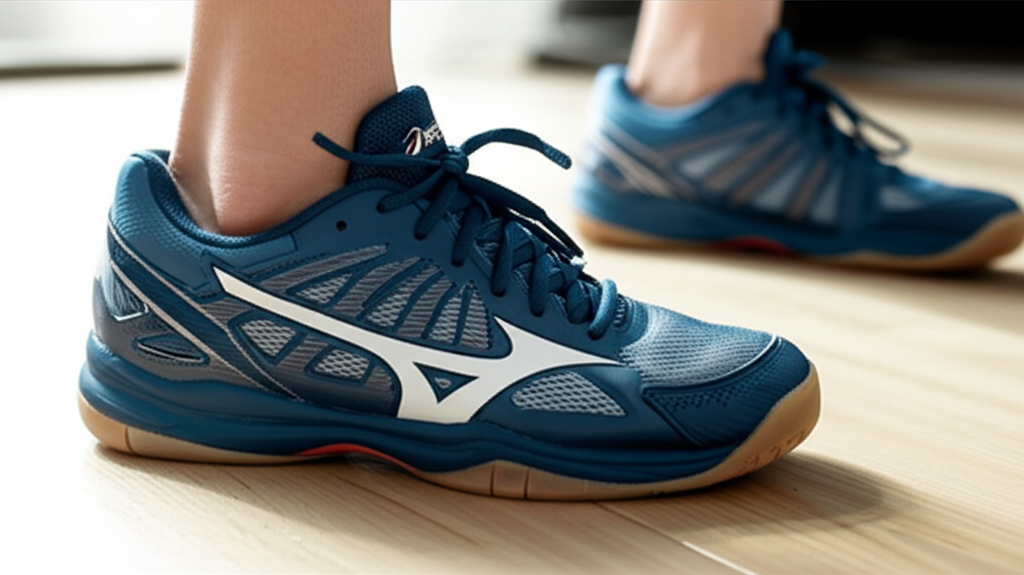
- Mizuno: Known for their lightweight designs, responsive cushioning, and good court feel. The Wave Lightning and Wave Momentum series are highly recommended.
- Nike: While they don’t have as many dedicated volleyball lines as ASICS or Mizuno, their basketball shoes often have features that translate well to volleyball, particularly for players needing more ankle support.
- Adidas: Offers a range of athletic shoes that can be suitable, with a focus on comfort and performance.
Read reviews from other volleyball players and consult with coaches or experienced players if you have the opportunity. Online resources like USA Volleyball or specialized sports equipment review sites can also offer valuable insights.
7. Budget
Volleyball shoes can range in price. While it’s tempting to go for the cheapest option, remember that investing in good quality shoes is an investment in your health and performance. Look for sales or consider slightly older models from reputable brands, which can offer excellent value.
Ultimately, the “best” shoe is the one that fits your feet, supports your play, and feels comfortable. Don’t be afraid to try on several pairs!
Tips for Beginners: Getting Started on the Right Foot
Starting a new sport is all about building good habits and understanding the fundamentals. When it comes to volleyball, your footwear is a crucial part of that foundation. Here are some tips to help you get started with confidence:
1. Don’t Be Afraid to Ask for Help
Coaches, experienced teammates, or even staff at a sports store can offer valuable advice. They’ve likely been in your shoes (pun intended!) and can guide you toward suitable options.
2. Start with a Versatile Shoe
As a beginner, you might not know your preferred position yet, or your playing style might still be developing. Opt for an all-around volleyball shoe that offers a good balance of cushioning, support, and grip. This will serve you well as you explore the game.
3. Prioritize Fit Over Brand Name
While popular brands are popular for a reason, a shoe from a lesser-known brand that fits you perfectly is always better than a top-tier shoe that doesn’t. Comfort and proper fit are paramount for injury prevention.
4. Break Them In Gradually
Before a big game or intense practice, wear your new shoes for a few shorter sessions or casual play. This allows them to mold to your feet and prevents blisters or discomfort.
5. Keep Them Clean
Indoor court floors can be dusty. Wipe down the soles of your shoes after play to maintain optimal grip. Store them in a well-ventilated area to prevent odor and prolong their life.
6. Consider Mid-Top or High-Top Options
If you have a history of ankle injuries or are concerned about stability, consider volleyball shoes with mid-top or high-top designs. These offer additional ankle support, which can be a confidence booster for beginners.
7. Focus on Footwork Fundamentals
While good shoes are important, they are only one piece of the puzzle. Practice your basic movements: controlled landings, quick shuffles, and proper jumping techniques. Your shoes will help you execute these movements safely and effectively.
8. Look for Sales and Discounts
Sports equipment can be an investment. Keep an eye out for end-of-season sales, holiday promotions, or student discounts on athletic footwear. Reputable online retailers often have competitive pricing.
By following these tips, you’ll be well on your way to enjoying your volleyball journey with the right gear and a solid understanding of how to care for your feet on the court.
Common Volleyball Shoe FAQs
What is the main difference between running shoes and volleyball shoes?
Running shoes are designed for forward motion and cushioning, with softer soles. Volleyball shoes are built for quick, multidirectional movements, offering superior lateral support, high-traction non-marking outsoles, and a balance of cushioning and responsiveness for jumps and landings.
Can I wear basketball shoes for volleyball?
Basketball shoes can be a better alternative than running shoes for volleyball because they offer more lateral support and often better grip. However, basketball shoes can sometimes be heavier and have more cushioning than ideal for volleyball, potentially affecting court feel. Dedicated volleyball shoes are still the best option.
Do I need special socks for volleyball?
While not strictly “special,” wearing moisture-wicking athletic socks (often made of polyester or nylon blends) is highly recommended. These socks help manage sweat, prevent blisters, and provide a comfortable layer between your foot and the shoe, improving overall feel and hygiene.
How do I know if my volleyball shoes fit correctly?
Your volleyball shoes should fit snugly but comfortably. There should be about a thumb’s width of space between your longest toe and the shoe’s end. Your heel should not slip when you move, and your toes should have a little room to wiggle without being cramped. Try them on with your usual volleyball socks.
How often should I replace my volleyball shoes?
The lifespan of volleyball shoes varies depending on frequency of play, intensity, and player weight. Generally, if you notice a significant loss of cushioning, grip, or support, or if the soles show signs of wear and tear, it’s time for a new pair. For regular players, this might be every 6-12 months.
Are high-top volleyball shoes better for ankle support?
High-top volleyball shoes typically offer more ankle support than low-top or mid-top versions. This can be beneficial for players who have a history of ankle sprains or those who want extra confidence during jumps and landings. However, they can sometimes feel more restrictive. Mid-tops offer a good compromise for many players.
Where can I find reliable reviews for volleyball shoes?
You can find reliable reviews on sports equipment websites, athletic brand websites (e.g., ASICS, Mizuno), and specialized volleyball forums or communities. Websites like VolleyballMag.com or even general athletic review sites often feature in-depth shoe breakdowns. Reading reviews from players with similar positions or playing styles can be particularly helpful.
Conclusion: Step Up Your Game with the Right Shoes
As you