
Are Volleyballs Waterproof? Essential Guide

Volleyballs are generally not waterproof, but many are water-resistant enough for casual outdoor play. Exposure to prolonged water or harsh conditions can damage the ball’s material and stitching, affecting its performance. Proper care is key to maintaining your volleyball’s condition.
Ever wondered if your trusty volleyball can handle a little splash? Whether you’re playing on a beach, in the backyard, or just caught in an unexpected shower, understanding how your volleyball handles water is super important. Many players worry about damaging their ball, and that’s a totally valid concern! But don’t sweat it – we’re here to break down exactly what you need to know. Get ready to dive into the world of volleyballs and water, and you’ll be equipped with all the tips to keep your ball in top shape, no matter the weather.
Are Volleyballs Waterproof? The Truth Revealed
Let’s get straight to the point: Are volleyballs waterproof? The simple answer is no, most standard volleyballs are not truly waterproof. However, this doesn’t mean you can’t enjoy a game near water or in light damp conditions. The materials and construction of volleyballs vary, which dictates how well they can withstand moisture. Understanding these differences will help you choose the right ball for your needs and take care of it properly.
Understanding Volleyball Materials and Water Resistance
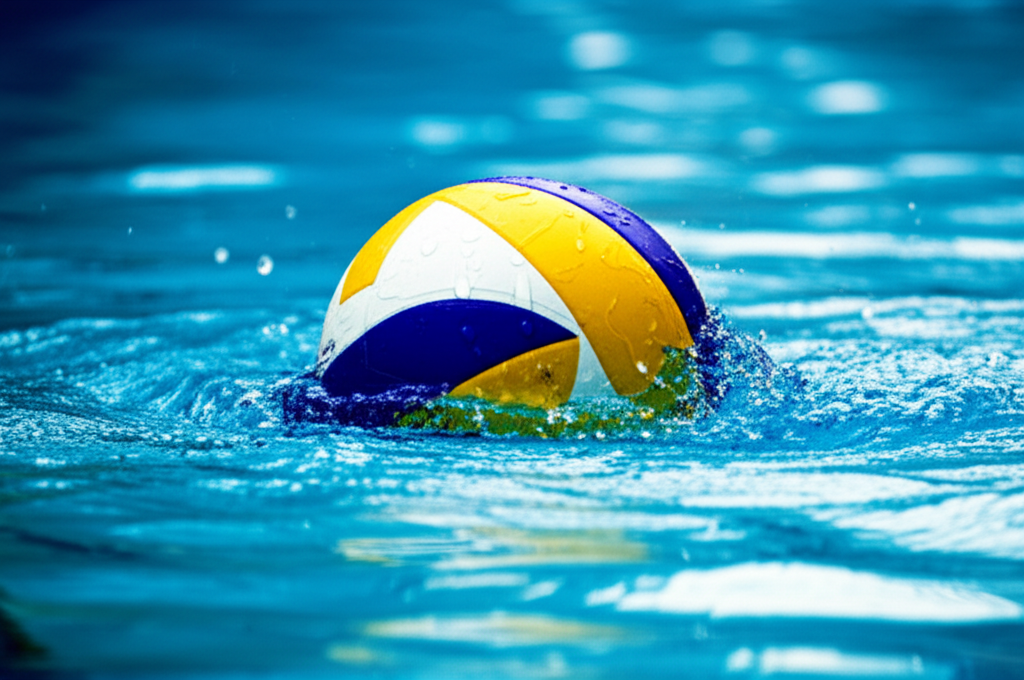
Volleyballs are typically made from synthetic leather (like polyurethane or PVC) or genuine leather. The type of material significantly impacts its interaction with water.
Synthetic Leather (Polyurethane/PVC): These materials are generally more water-resistant than genuine leather. They tend to repel water to a certain extent, making them suitable for beach volleyball and casual outdoor play. However, prolonged submersion or heavy rain can still saturate the ball and potentially damage the internal bladder or stitching.
Genuine Leather: While often used in indoor volleyballs for a premium feel, genuine leather is more absorbent. It can become heavy, lose its shape, and deteriorate if exposed to significant amounts of water. It’s best to keep leather volleyballs away from moisture.
The construction of the ball also plays a role. The stitching, adhesive used, and the quality of the bladder all contribute to how well the ball holds up against water.
Why Does Water Affect Volleyballs?
Water exposure can lead to several issues for your volleyball:
Material Degradation: Prolonged contact with water can break down the synthetic leather or damage genuine leather, making the ball feel sticky or rough.
Weight Changes: The ball can absorb water, becoming heavier and affecting its flight path and how you play with it.
Stitching Damage: Water can weaken the threads used to stitch the panels together, leading to seams splitting or unraveling.
Bladder Issues: The internal bladder, which holds the air, can be affected by moisture, potentially leading to leaks or a loss of air pressure.
Mold and Mildew: If a volleyball isn’t dried properly after getting wet, mold and mildew can grow on its surface, which is unhygienic and can damage the material.
Beach Volleyballs vs. Indoor Volleyballs: The Moisture Factor
There’s a key distinction between beach and indoor volleyballs when it comes to water.
Beach Volleyballs: These are specifically designed for outdoor conditions, which often include sand and the potential for moisture. They are typically made from softer, more durable synthetic materials that offer better water resistance. Beach volleyballs are engineered to be played in varying weather, making them the go-to choice for any sand-based games.
Indoor Volleyballs: These are crafted for controlled indoor environments. They are usually made from higher-quality synthetic leather or genuine leather, prioritizing grip and feel. They are not built to withstand moisture and can be easily damaged by water.
How to Protect Your Volleyball from Water Damage
Even if your ball isn’t fully waterproof, there are several steps you can take to protect it and extend its lifespan, especially if you play outdoors.
Choosing the Right Volleyball for Your Playing Environment
The first line of defense is selecting the appropriate ball.
For Outdoor/Beach Play: Opt for a ball explicitly labeled as a “beach volleyball” or one made from durable synthetic materials like PVC or polyurethane. These are designed to handle the elements.
For Indoor Play: Stick to balls designed for indoor use. These will typically have a softer touch and better grip, but they require careful handling to keep them away from moisture.
Proper Storage is Key
Where you store your volleyball matters significantly.
Keep it Dry: Always store your volleyball in a cool, dry place, away from direct sunlight and moisture. A sports bag or a closet is ideal.
Avoid Damp Areas: Never leave your ball in a damp basement, shed, or car trunk for extended periods, especially during humid or wet weather.
Cleaning Your Volleyball Safely
Accidents happen, and your ball might get dirty or damp. Here’s how to clean it:
1. Wipe Down: For light dirt or dampness, use a soft, damp cloth to wipe the surface of the ball. Avoid soaking it.
2. Mild Soap (If Necessary): If the ball is particularly dirty, you can use a very mild soap solution (like a drop of dish soap in water) on your cloth. Gently wipe the affected areas.
3. Rinse Carefully: If you use soap, wipe the ball again with a clean, damp cloth to remove any soap residue. Do not submerge the ball in water.
4. Dry Thoroughly: This is the most crucial step! Pat the ball dry immediately with a clean towel. Then, let it air dry completely in a well-ventilated area, away from direct heat or sunlight. Ensure all seams and panels are dry before storing or using it again.
What to Do If Your Volleyball Gets Wet
If your volleyball does get wet, act quickly to minimize potential damage.
Shake Off Excess Water: Gently shake the ball to remove as much surface water as possible.
Towel Dry Immediately: Use a soft, absorbent towel to dry the entire surface of the ball. Pay attention to the seams.
Air Dry Completely: Place the ball in a well-ventilated area to air dry. You can prop it up so air circulates around it. Avoid using hairdryers or placing it near heaters, as excessive heat can damage the materials.
Check for Damage: Once dry, inspect the ball for any signs of damage, such as loose stitching or material deformation.
Common Volleyball Scenarios and Water Concerns
Let’s address some common situations where you might encounter water with your volleyball.
Playing on the Beach
Beach volleyball is inherently played in a moist environment, with sand and proximity to water. Beach volleyballs are designed for this.
Sand: Sand can be abrasive and get into seams. After playing, it’s a good idea to brush off excess sand and wipe the ball with a damp cloth if needed.
Saltwater: Saltwater can be more corrosive than fresh water. If your ball gets wet with saltwater, rinse it with fresh water and dry it thoroughly as soon as possible.
Playing in the Backyard or Park
If you’re playing on grass after rain or during a humid day, your ball might get damp.
Damp Grass: A damp ball is usually fine for a short period, but avoid leaving it on wet grass overnight.
Light Sprinkles: Most synthetic volleyballs can handle light rain for a short game, but prolonged exposure is not recommended. Always dry it afterward.
Accidental Submersion
If your volleyball accidentally falls into a pool or a body of water, it’s essential to retrieve it quickly and follow the drying steps outlined above. The longer it stays submerged, the higher the risk of damage to the internal components and materials.
Volleyball Gear That Might Get Wet
Beyond the ball itself, other gear can also be affected by moisture.
Volleyball Shoes: Indoor volleyball shoes often have specialized cushioning and grip patterns that can be damaged by water. Beach volleyball shoes, if you use them, are usually more water-friendly. Always dry your shoes thoroughly after playing in damp conditions.
Knee Pads: Knee pads can get damp from sweat or external moisture. Wash and air dry them according to the manufacturer’s instructions to prevent odor and material breakdown.
Uniforms: Wash your volleyball uniforms as usual, but ensure they are dried properly to prevent mildew.
Essential Volleyball Training Drills (Even When It’s Damp!)
While you might need to be cautious with your ball when it’s wet, you can still keep up with your training. Here are some drills that are less reliant on perfect ball conditions or can be adapted.
Indoor Drills You Can Do Anywhere
Shadow Drills: Practice your footwork, approach, and arm swing without a ball. Focus on the proper technique and muscle memory.
Wall Drills: If you have a solid wall, you can practice passing and setting by hitting the ball against it. Keep the intensity low if the ball is damp.
Visualization: Close your eyes and visualize yourself executing perfect serves, spikes, and passes. This mental training is powerful!
Outdoor Drills with Caution
Light Passing: If the ball is only slightly damp, you can still do some light passing and setting. Focus on control rather than power.
Footwork Drills: Practice your defensive shuffles, approach steps, and quick feet drills on the court without the ball.
Serving Practice: If it’s just a light drizzle, you can practice your serving motion. Be mindful of the ball’s grip if it’s slick.
Tips for Maintaining Ball Performance
To ensure your volleyball performs its best, consider these maintenance tips:
Check Air Pressure Regularly: Use a reliable pressure gauge to ensure your ball is inflated to the manufacturer’s recommended PSI (pounds per square inch). Over-inflation can damage seams, while under-inflation affects playability.
Avoid Over-Inflation: Stick to the recommended pressure. Over-inflating can cause the ball to stretch and damage its structure.
Keep it Clean: Regularly wipe down your ball to remove dirt and sweat. A clean ball offers better grip and longevity.
Inspect Seams: Periodically check the seams for any signs of wear or fraying. Address small issues before they become major problems.
Choosing the Right Volleyball: A Quick Guide
Not all volleyballs are created equal, especially when it comes to water. Here’s a quick comparison to help you decide:
| Feature | Indoor Volleyball | Outdoor/Beach Volleyball |
| :—————- | :————————————————— | :—————————————————– |
| Material | Premium synthetic leather, genuine leather | Durable synthetic leather (PVC, Polyurethane) |
| Water Resistance | Low | Moderate to High |
| Durability | Designed for controlled environments; can be sensitive | Built for tougher conditions; more resilient |
| Grip/Feel | Softer, better grip for controlled indoor play | Slightly firmer, designed for handling in sand/elements |
| Best For | Indoor courts, school gyms, competitive leagues | Beaches, parks, backyard play, outdoor casual games |
| Water Care | Keep dry; wipe clean gently | Can handle dampness; rinse with fresh water if salty; dry thoroughly |
Popular Volleyball Brands and Their Water Handling
Many reputable brands offer volleyballs suitable for different environments.
Spalding: Offers a range of indoor and outdoor balls. Their TF-Series (like TF-1000) are top-tier indoor balls, while their beach volleyballs are designed for outdoor play.
Molten: Known for high-quality indoor balls (like the V5M5000) used in professional play. They also produce excellent beach volleyballs.
Wilson: Provides a wide selection, from recreational to official game balls. Their NCAA-approved balls are generally for indoor use, while their beach volleyballs are built for the elements.
Mikasa: Another major player with excellent indoor and outdoor options. Their V200W is a popular indoor choice, while their beach volleyballs are robust.
Always check the product description to confirm whether a ball is intended for indoor or outdoor use.
Frequently Asked Questions About Volleyballs and Water
Here are some common questions beginner volleyball players have about water and their balls.
Q1: Can I leave my volleyball outside overnight if it’s a little damp?
A1: It’s best not to. Even if the ball is designed for outdoor play, leaving it exposed to dew or overnight moisture can still lead to gradual degradation of the material and stitching over time. Always bring your ball inside to a dry place after playing.
Q2: What’s the best way to dry my volleyball?
A2: The best way is to air dry it completely. After towel drying, place the ball in a well-ventilated area away from direct sunlight or heat sources. Ensure all panels and seams are dry before storing it.
Q3: Can I use a hose to clean my volleyball?
A3: It’s generally not recommended to use a hose or submerge your volleyball in water. This can force water into the seams and internal components, potentially causing damage. Spot cleaning with a damp cloth is the safest method.
Q4: Does saltwater damage volleyballs more than freshwater?
A4: Yes, saltwater can be more damaging due to its corrosive properties. If your volleyball gets wet with saltwater, it’s crucial to rinse it thoroughly with fresh water as soon as possible and then dry it completely to prevent long-term damage.
Q5: How do I know if my volleyball is ruined from water exposure?
A5: Signs of water damage include seams splitting, panels peeling, the ball becoming excessively heavy or misshapen, or a persistent musty smell indicating mold or mildew. If you notice these issues, the ball’s performance will likely be compromised.
Q6: Are cheap volleyballs more or less waterproof than expensive ones?
A6: Price doesn’t always directly correlate with waterproofness. However, higher-quality volleyballs, regardless of price, are typically made with better materials and construction techniques that offer better overall durability and water resistance. Always check the product description for intended use (indoor vs. outdoor).
Q7: Can I use my indoor volleyball for a quick game on wet grass?
A7: While it might survive a very short game, it’s not ideal. Indoor volleyballs are not designed to handle moisture. The dampness can affect the ball’s grip and potentially damage the outer material. It’s best to use an outdoor-specific ball for any play on damp surfaces.
Conclusion: Keep Your Volleyball in Play
So, are volleyballs waterproof? The short answer remains no, but with the right knowledge and care, you can absolutely enjoy your volleyball in a variety of conditions. By understanding the materials, practicing proper storage and cleaning, and choosing the right ball for your environment, you’ll ensure your volleyball stays in great shape for countless games to come. Whether you’re a seasoned pro or just starting, protecting your gear is part of the game. Now go out there and play your best, knowing you’ve got your volleyball covered!