Are Volleyball & Tennis Shoes Same? Essential Guide

No, volleyball and tennis shoes are not the same, and wearing the wrong type can impact your performance and even lead to injuries. This guide will break down the key differences and help you choose the best footwear for the volleyball court.
Stepping onto the volleyball court for the first time can be exciting! As you get ready to bump, set, and spike, you might wonder about your gear. One common question that pops up is whether your tennis shoes will do the job on the volleyball court. It’s a smart question to ask, as the right footwear makes a big difference. Many players get confused because both sports involve quick movements and lateral shifts. But don’t worry, we’re here to clear things up! We’ll walk you through exactly why these shoes are different and what you should look for. Get ready to find the perfect fit for your feet!
Volleyball vs. Tennis Shoes: Understanding the Crucial Differences
While both volleyball and tennis demand agility and quick directional changes, the specific movements and court surfaces lead to distinct shoe designs. Understanding these differences is key to optimizing your performance and preventing injuries.
Lateral Support and Stability
Volleyball involves a lot of explosive jumping and quick, controlled landings. Players often need to move side-to-side rapidly to cover the court. Volleyball shoes are engineered with enhanced lateral support to prevent ankle rolls during these movements. They often feature reinforced sidewalls and a wider base for increased stability.
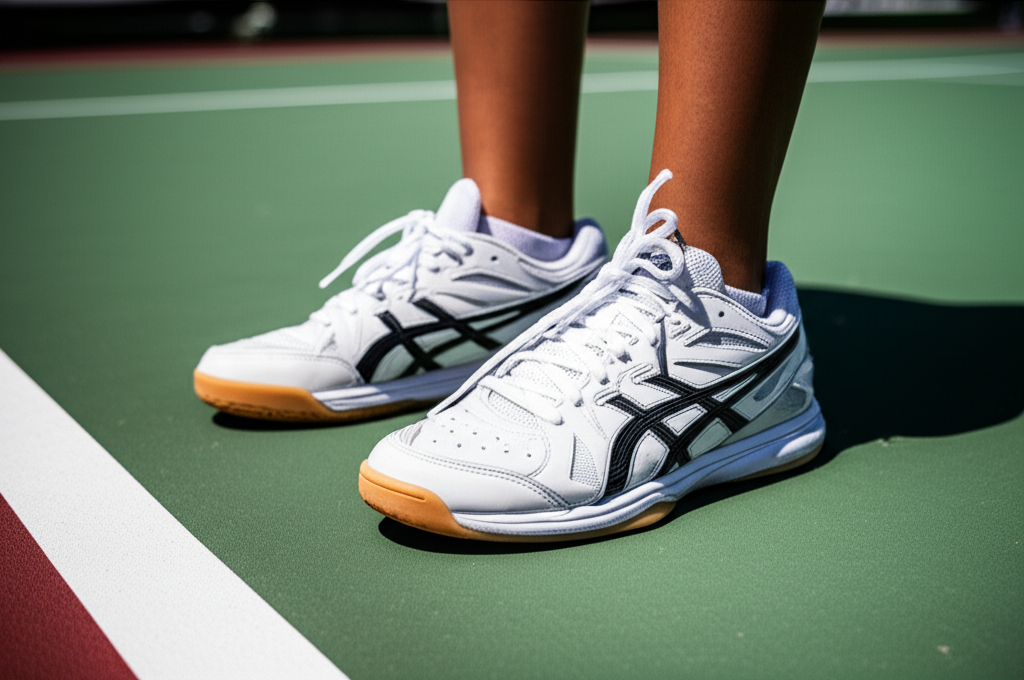
Tennis, on the other hand, involves a lot of side-to-side shuffling, lunging, and quick stops on often abrasive court surfaces like clay or hard courts. Tennis shoes prioritize durability and support for these linear and lateral movements. They typically have robust outsoles designed to withstand the friction of the court and offer excellent lateral stability, but their cushioning and ankle support might be different from what a volleyball player needs.
Cushioning and Shock Absorption
The impact of jumping repeatedly in volleyball can be significant. Volleyball shoes are designed with specialized cushioning in the midsole to absorb shock, particularly in the heel and forefoot. This helps reduce stress on your joints, like your knees and ankles, during serves, spikes, and blocks. The cushioning is often strategically placed to support the dynamic movements of the sport.
Tennis shoes also offer cushioning, but the focus might be slightly different. They often provide a balance of cushioning for comfort during long matches and responsiveness for quick court coverage. The type and placement of cushioning can vary depending on the specific tennis shoe design and the court surface it’s intended for.
Grip and Traction
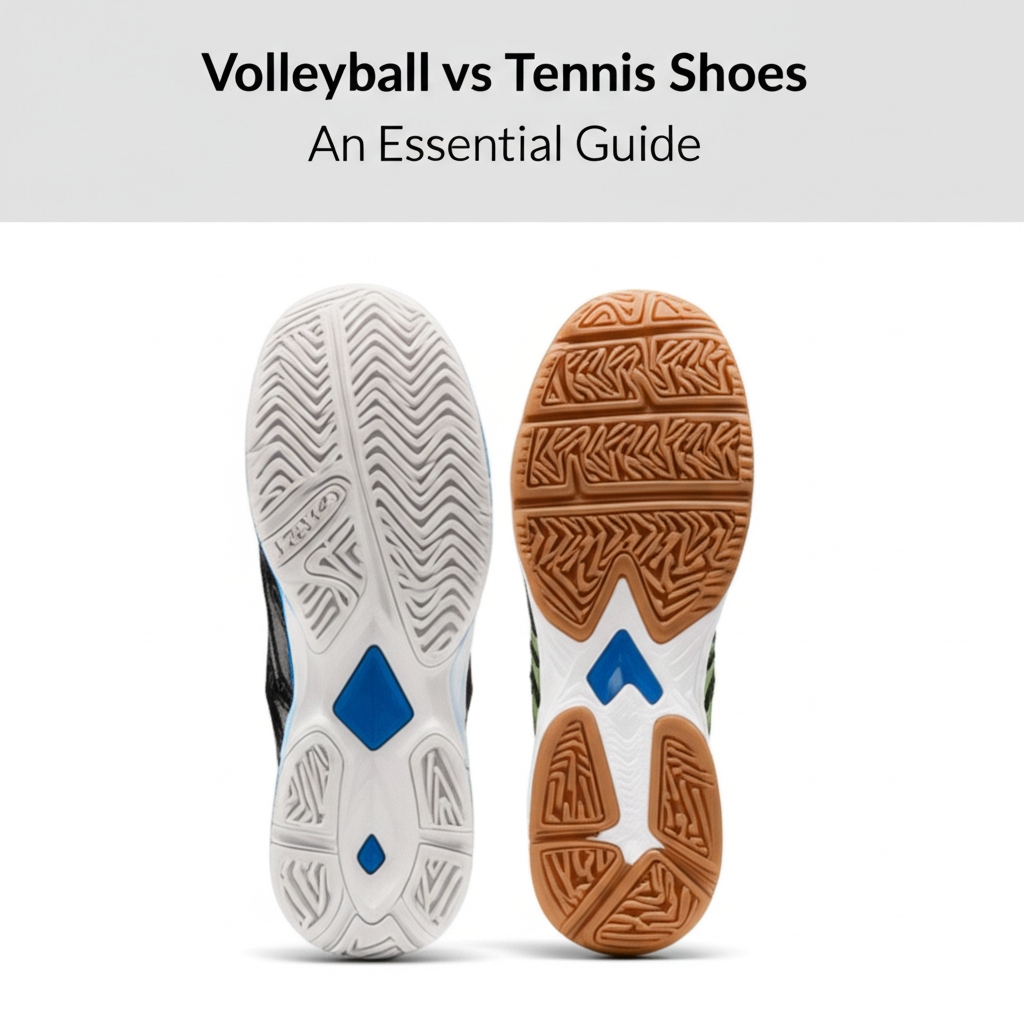
The indoor volleyball court surface is typically a smooth wood or synthetic material. Volleyball shoes feature non-marking rubber outsoles with specific tread patterns designed to provide excellent grip on these indoor surfaces. This allows for quick acceleration, sharp stops, and stable pivots without slipping.
Tennis shoes also require good traction, but their outsoles are designed for the specific demands of tennis courts. Hard court tennis shoes will have different tread patterns than clay court shoes, which might have a herringbone or even a smoother pattern to allow for sliding. While a tennis shoe might offer decent grip indoors, it may not provide the same level of specialized traction for volleyball-specific movements.
Weight and Flexibility
Volleyball shoes are generally designed to be lightweight to allow for maximum vertical leap and agility. They often offer good flexibility in the forefoot to aid in quick movements and push-offs. The lightweight design helps players feel quick and unburdened on the court.
Tennis shoes can also be lightweight, but their construction often prioritizes durability and support, which can sometimes add a bit more weight compared to specialized volleyball shoes. The flexibility in tennis shoes is usually focused on supporting the constant shuffling and lunging characteristic of the sport.
Ankle Support and Height
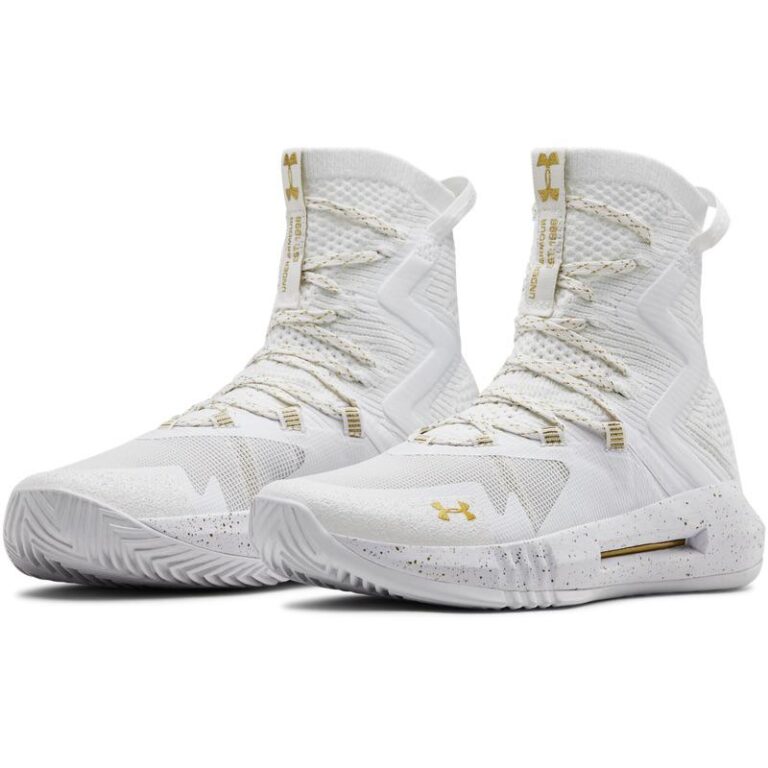
Many volleyball players opt for mid-top or high-top shoes for enhanced ankle support. This extra coverage can provide a sense of security and help prevent ankle sprains, which are common in a sport with frequent jumping and landing. However, low-top options are also available for players who prefer more freedom of movement.
Tennis shoes are also available in various heights, but the emphasis on ankle support might be less pronounced unless it’s a specific design for a particular type of tennis play or court. The support they offer is tailored to the lateral movements and stress points experienced in tennis.
Key Features to Look for in Volleyball Shoes
When you’re on the hunt for the perfect pair of volleyball shoes, keep these essential features in mind. They are designed to give you the edge on the court and keep you playing safely and comfortably.
Excellent Cushioning
Look for shoes with ample cushioning, especially in the heel and forefoot. This is crucial for absorbing the impact of repeated jumps and landings. Technologies like GEL or Air cushioning are often found in high-quality volleyball shoes.
Superior Grip and Traction
The outsole should be made of non-marking rubber with a tread pattern that provides maximum grip on indoor courts. This prevents slips and allows for quick, confident movements in any direction.
Lateral Stability
Shoes with reinforced sidewalls and a stable base will help prevent your ankles from rolling during quick lateral movements and landings. This is a critical feature for injury prevention.
Lightweight Design
Lighter shoes help you feel quicker on your feet, allowing for higher jumps and faster reactions. Avoid shoes that feel clunky or heavy.
Breathability
Your feet will get warm during intense play, so breathable materials like mesh help keep your feet cool and comfortable. This also helps prevent blisters.
Durability
Volleyball involves a lot of explosive movements, so your shoes need to be durable. Look for shoes with reinforced stitching and quality materials that can withstand the demands of the game.
Can You Wear Tennis Shoes for Volleyball? The Verdict
So, can you use your tennis shoes for a volleyball game? While it might be tempting to use a pair of tennis shoes you already own, especially if you’re just starting out or playing recreationally, it’s generally not recommended for serious play. Here’s why:
- Performance: Tennis shoes are designed for the specific movements of tennis. They might not offer the optimal cushioning, ankle support, or specialized grip needed for volleyball’s unique demands, like explosive vertical jumps and quick, controlled landings.
- Injury Risk: The lack of specialized support and cushioning in tennis shoes can increase your risk of injuries such as ankle sprains, knee pain, or stress fractures. The different types of stress placed on the feet in each sport are significant.
- Court Surface: While both are indoor sports, the specific surface interaction differs. Volleyball shoes are optimized for indoor wooden or synthetic courts, whereas tennis shoes are designed for hard courts, clay, or grass, which have different frictional properties.
For recreational play or a single casual game, using tennis shoes might be acceptable in a pinch. However, if you plan to play volleyball regularly, invest in a pair of dedicated volleyball shoes. Your feet and your performance will thank you!
Top Volleyball Shoe Brands and Models
When choosing volleyball shoes, certain brands consistently deliver quality and performance. Here are some of the most popular and well-regarded brands, along with what makes them stand out:
ASICS
ASICS is a powerhouse in the volleyball shoe market, known for its excellent cushioning and stability. Their shoes often feature GEL technology for superior shock absorption and designs that provide great support for lateral movements.
- Popular Models: GEL-Netburner Ballistic, GEL-Rocket, SKY ELITE FF
- Why they’re great: Known for their blend of cushioning, support, and durability.
Mizuno
Mizuno is another top contender, celebrated for its lightweight designs and responsive feel. They often incorporate Wave Plate technology for a combination of cushioning and stability, aiding in quick transitions and jumps.
- Popular Models: Wave Lightning, Wave Momentum, Wave Luminous
- Why they’re great: Offer a great balance of speed, cushioning, and court feel.
Adidas
Adidas offers stylish and functional volleyball shoes that often feature their signature Boost or Bounce cushioning for excellent energy return. They provide good grip and support for dynamic play.
- Popular Models: Crazyflight, Stabil
- Why they’re great: Known for responsive cushioning and modern designs.
Nike
While Nike is more dominant in basketball, they also produce excellent volleyball-specific shoes. Their models often focus on lightweight construction, responsive cushioning, and a secure fit, drawing on their expertise in athletic footwear.
- Popular Models: Zoom Hyperspeed, Air Zoom G.D.R.
- Why they’re great: Focus on lightweight feel and responsive cushioning.
Comparing Shoe Features: Volleyball vs. Tennis
To further illustrate the differences, let’s look at a comparative table:
| Feature | Volleyball Shoes | Tennis Shoes |
|---|---|---|
| Primary Movement Focus | Vertical jumping, quick lateral shifts, controlled landings | Lateral shuffling, lunging, quick stops, sliding (clay) |
| Cushioning | Enhanced for vertical impact, often in heel and forefoot | Balanced for court coverage and responsiveness |
| Lateral Support | High, with reinforced sidewalls for ankle stability | High, but designed for shuffling and lunging specific to tennis |
| Outsole Grip | Non-marking rubber, optimized for indoor court traction | Durable rubber, varied patterns for hard courts, clay, or grass |
| Weight | Generally lightweight for agility and verticality | Can vary, often balanced with durability |
| Ankle Support Options | Mid-top and high-top common for added support | Available in various heights, emphasis can differ |
| Durability Focus | Withstanding repeated jumps and landings | Withstanding court friction and lateral stress |
Choosing the Right Volleyball Shoes for Your Position
While most volleyball shoes are versatile, some players might find certain features more beneficial depending on their position. It’s not about drastically different shoes, but subtle preferences:
Outside Hitters and Opposite Hitters
These positions involve a lot of jumping and powerful attacking. Players in these roles often benefit from shoes with excellent cushioning and support to handle the high impact of landing after spiking. A good balance of lightweight feel and robust cushioning is ideal.
Middle Blockers
Middle blockers are constantly moving laterally along the net for blocks and also jump frequently. Shoes with superior lateral stability and responsive cushioning are crucial for quick adjustments and explosive jumps. They need to be able to plant their feet securely and spring up instantly.
Setters
Setters need to be quick on their feet, making rapid directional changes and often diving for loose balls. Lightweight shoes with good flexibility and a secure fit are advantageous. Excellent court feel and traction allow setters to move precisely to set up plays.
Liberos
Liberos are defensive specialists who cover a lot of ground and dive frequently. Shoes that are lightweight, flexible, and offer good court feel and traction are paramount. Enhanced ankle support can also be beneficial given the frequent changes in direction and low-stance movements.
Ultimately, the most important factor is finding a shoe that fits your foot comfortably and provides the necessary support and cushioning for your playing style.
Essential Volleyball Drills to Improve Footwork
Great shoes are only part of the equation! Sharpening your footwork will make you a more effective player. Here are some simple drills you can do:
- Lateral Shuffles: Stand in an athletic stance with knees bent. Shuffle side-to-side across the court, maintaining a low center of gravity. Focus on pushing off with your outside foot and landing softly.
- Forward and Backward Chassé: Practice moving forward and backward in a controlled manner, keeping your feet moving smoothly without crossing them. This mimics the movement needed for passing and defense.
- Explosive Jumps: Practice your vertical jump, focusing on a good approach and a powerful takeoff. Work on landing softly by bending your knees and absorbing the impact.
- Quick Feet Drills: Use agility ladders or cones to practice rapid foot movements. This improves your agility and reaction time.
- Defensive Ready Stance and Movement: Practice getting into your defensive ready stance quickly from various positions on the court and then moving to pass an imaginary ball.
Remember to perform these drills in your dedicated volleyball shoes to get the most benefit and avoid injury.
Frequently Asked Questions (FAQ)
What is the main difference between volleyball and tennis shoes?
The primary difference lies in their design for specific movements. Volleyball shoes prioritize explosive vertical jumps, controlled landings, and lateral stability with specialized cushioning. Tennis shoes are built for the constant shuffling, lunging, and directional changes common in tennis, often with a focus on outsole durability for court friction.
Can I wear my basketball shoes for volleyball?
Basketball shoes can sometimes be a closer option than tennis shoes, as they also feature good cushioning and ankle support for jumping. However, basketball shoes can be heavier and may have outsole patterns not ideal for indoor volleyball courts. Dedicated volleyball shoes are still the best choice for optimal performance and safety.
How do I know if my volleyball shoes fit properly?
Your shoes should feel snug but not tight, with about a thumb’s width of space between your longest toe and the front of the shoe. There should be no pinching or rubbing. Walk and do a few small jumps in them to ensure they feel comfortable and secure without slipping.
Are high-top volleyball shoes better than low-top?
High-top shoes offer more ankle support, which can be beneficial for players prone to ankle sprains or those who want extra security. Low-top shoes offer more freedom of movement and a lighter feel. The choice depends on personal preference, playing style, and any history of ankle injuries.
How important is the outsole grip for volleyball shoes?
Very important! The outsole grip is crucial for preventing slips on the court, allowing for quick acceleration, sharp stops, and stable pivots. Volleyball shoes use non-marking rubber with specific tread patterns designed for maximum traction on indoor court surfaces.
When should I replace my volleyball shoes?
You should consider replacing your volleyball shoes when the cushioning feels compressed, the tread is worn down, or you notice signs of wear and tear like fraying or sole separation. Typically, this is after 6-12 months of regular play, depending on usage and shoe quality.
Conclusion
While both volleyball and tennis demand athletic footwear, the specialized demands of each sport necessitate different shoe designs. Volleyball shoes are crafted to support explosive jumps, provide superior cushioning for landings, and offer the precise grip and stability needed for quick court movements. Tennis shoes, while offering excellent support for their sport, are designed with different court surfaces and movement patterns in mind.
Choosing the right volleyball shoes is an investment in your performance, comfort, and most importantly, your safety. By understanding the key differences and what features to look for, you can confidently select a pair that will help you jump higher, move faster, and play your best game. So, lace up those specialized volleyball shoes and get ready to dominate the court!