Volleyball Middle Blocker Drills: Elevate Your Blocking Skills

Volleyball middle blockers play a crucial role in both offense and defense. They need specific skills to excel.
Being a middle blocker requires agility, timing, and strong defensive skills. Drills help these players improve their reflexes and coordination. They focus on quick foot movements and powerful jumps. Practicing these drills enhances their ability to block and spike effectively.
Effective drills are essential for boosting a middle blocker’s performance. They target the unique demands of the position. Middle blockers need to react fast and move swiftly. This helps them block opponents’ attacks and execute quick plays. In this blog post, we will explore various drills. These will help middle blockers improve their game and contribute more to their team.
Importance Of Middle Blocker
Hey friends, today we’re diving into the role of the middle blocker in volleyball. The middle blocker is like the wall of your team. They play a key role in both defense and offense. Without a strong middle blocker, the team can feel like a ship without a captain. Let’s see why this position is so important.
Role In Team Defense
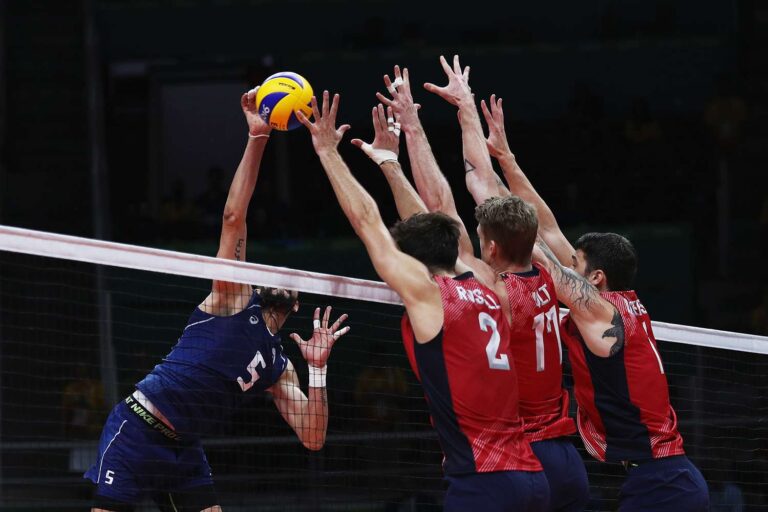
The middle blocker is a defensive powerhouse. They stand tall at the net and block the opponent’s hits. Think of them as the goalie in soccer. Here are some key responsibilities:
- Blocking Attacks: They jump and use their hands to stop the ball from crossing the net.
- Reading Opponents: They watch the opponent’s movements and anticipate where the ball will go.
- Quick Movements: They move side-to-side quickly to cover more ground at the net.
In a nutshell, the middle blocker must be quick, strong, and smart to keep the ball from hitting the ground on their side.
Impact On Opponent’s Offense
Now, let’s talk about how a middle blocker can mess with the opponent’s offense. A good middle blocker can make the other team nervous. Here’s how:
- Interrupting Plays: By blocking effectively, they force the opponent to change their attack.
- Creating Pressure: Their presence at the net can make hitters second-guess their shots.
- Forcing Mistakes: When the opponent is under pressure, they are more likely to make errors.
It’s like having a guard dog. Just being there and showing strength can make the other team think twice before attacking.
So, friends, the middle blocker is crucial in volleyball. They defend fiercely and disrupt the opponent’s game plan. If you’re a middle blocker or training one, focus on quickness, strength, and smart play. Your team will thank you for it!
Essential Skills For Middle Blockers
Hey friends, today we are going to talk about some essential skills for middle blockers in volleyball. If you play as a middle blocker, you know that your role is super important. You help your team with blocking and scoring points through quick attacks. Let’s dive into two key areas: timing and anticipation, and footwork and positioning.
Timing And Anticipation
Timing is everything for a middle blocker. You need to jump at the right moment to block the opponent’s spike. Too early or too late, and you miss the block. How can you improve your timing?
- Watch the Setter: Always keep an eye on the opposing team’s setter. They give clues about where they will set the ball.
- React Quickly: Once the ball is set, react fast. Move to the right position and get ready to jump.
- Practice: The more you practice, the better your timing gets. Set up drills that focus on blocking at the right time.
Anticipation is like a superpower for middle blockers. If you can guess what the other team will do, you can block more spikes.
- Study Opponents: Watch videos of the teams you will play against. Learn their patterns and habits.
- Communicate: Talk with your teammates. Share what you notice about the other team’s players.
- Stay Alert: Always be ready. Volleyball is a fast game, and things change quickly.
Footwork And Positioning
Good footwork helps you move quickly and be in the right place at the right time. Here are some tips:
- Stay Light on Your Feet: Don’t stand flat-footed. Be on your toes, ready to move in any direction.
- Side-to-Side Movement: Practice shuffling side to side. This helps you cover more ground quickly.
- Quick Steps: Take quick, short steps rather than long strides. This helps you maintain balance and speed.
Positioning is also crucial. You need to be in the right spot to block effectively.
- Read the Setter: Just like with timing, watch the setter to know where the ball is going.
- Cover Your Area: Know your zone. Stay within it and be ready to move as needed.
- Stay Low: Keep a low center of gravity. This helps you move quickly and stay balanced.
Improving these skills takes time and effort. But with practice, you can become a great middle blocker. Remember, the key is to stay focused and keep learning. Happy blocking!
Warm-up Drills
Warm-up drills are essential for volleyball middle blockers. These drills prepare the body for action. They also help prevent injuries and improve performance. A good warm-up routine includes dynamic stretching and plyometric exercises. Let’s explore these in detail.
Dynamic Stretching
Dynamic stretching involves active movements. These movements stretch the muscles and increase blood flow. For middle blockers, focus on leg, hip, and arm stretches. High knees are a great start. Lift your knees to your chest while jogging in place. Do this for 30 seconds.
Next, try arm circles. Extend your arms to your sides. Make small circles, then larger ones. Repeat for 30 seconds. Finally, do lunges with a twist. Step forward into a lunge. Twist your torso towards the front leg. This stretches your hips and core. Repeat 10 times on each leg.
Plyometric Exercises
Plyometric exercises build explosive power. This power is crucial for middle blockers. Start with squat jumps. Lower into a squat, then jump as high as you can. Land softly and repeat for 10 reps.
Another good exercise is the box jump. Find a sturdy box or platform. Jump onto the box with both feet. Step down and repeat for 10 reps. Finally, try lateral jumps. Jump side to side over a line or small obstacle. Do this for 30 seconds.
These exercises improve your speed and agility. They also help you jump higher and react faster. Include them in your warm-up routine for better performance on the court.

Credit: www.theartofcoachingvolleyball.com
Footwork Drills
Hey friends, today we are talking about footwork drills for volleyball middle blockers. Footwork is crucial for middle blockers. It helps them move quickly and efficiently across the court. The better your footwork, the more effective you are at blocking and attacking. Let’s dive into two essential footwork drills: Lateral Movements and Quick Steps.
Lateral Movements
Lateral movements are all about moving side-to-side quickly. This is important for middle blockers because you often need to get from one side of the net to the other in a hurry. Here are some easy drills to practice:
- Side Shuffles: Stand with your feet shoulder-width apart. Shuffle to the left for five steps, then shuffle to the right for five steps. Repeat this for a few minutes. This drill helps you get used to moving sideways quickly.
- Mirror Drill: Pair up with a teammate. One person leads, the other follows. The leader moves side-to-side, and the follower mirrors their movements. This drill helps you react quickly to changes in direction.
These drills are simple but very effective. They build up your lateral speed and agility. Plus, they are fun to do with a teammate!
Quick Steps
Quick steps are all about moving fast in small bursts. This helps you get into position quickly. Here are some drills to improve your quick steps:
- Box Drill: Set up four cones in a square. Start at one corner and move around the square as fast as you can. Use short, quick steps. This drill helps you practice changing direction quickly.
- Ladder Drills: Use an agility ladder. Step in and out of the squares as fast as you can. There are many patterns you can try. This drill improves your foot speed and coordination.
Practicing quick steps makes a big difference in your game. You will be able to move faster and get into position more efficiently. Trust me, these drills really help!
So, there you have it. Two essential footwork drills for volleyball middle blockers. Lateral movements and quick steps. These drills are easy to practice and can make a big impact on your performance. Give them a try and see the difference!
Hand Positioning Drills
Hey friends, today we’re diving into some essential drills for middle blockers in volleyball. One key area to focus on is hand positioning. This might sound simple, but it makes a huge difference in your game. Get ready to sharpen your skills with these easy-to-follow drills.
Wall Touches
Wall touches are a fantastic drill to improve your hand positioning. They help you get used to the right movements without the pressure of an actual game. Here’s how you can do it:
- Stand about an arm’s length from a wall.
- Raise your hands above your head, as if you’re going to block a shot.
- Touch the wall with your fingertips, maintaining your hand position.
- Repeat this motion quickly for 1-2 minutes.
This drill helps you practice keeping your hands in the right spot. It also builds muscle memory, so you react faster during a game.
Hand-eye Coordination
Improving hand-eye coordination is crucial for middle blockers. You need to track the ball and position your hands correctly. Let’s try a simple drill to enhance this skill:
- Grab a tennis ball or any small ball.
- Stand in front of a wall and throw the ball against it.
- As the ball bounces back, catch it with both hands in the blocking position.
- Repeat this for 5-10 minutes.
This drill helps you get better at watching the ball and moving your hands quickly. Plus, it’s a fun way to practice!
Remember, consistent practice is key. These drills might seem basic, but they lay the foundation for strong blocking skills. I recently asked a coach friend of mine for tips, and she swears by these drills for her team. So, get out there and give them a try. You’ll see improvement in no time!
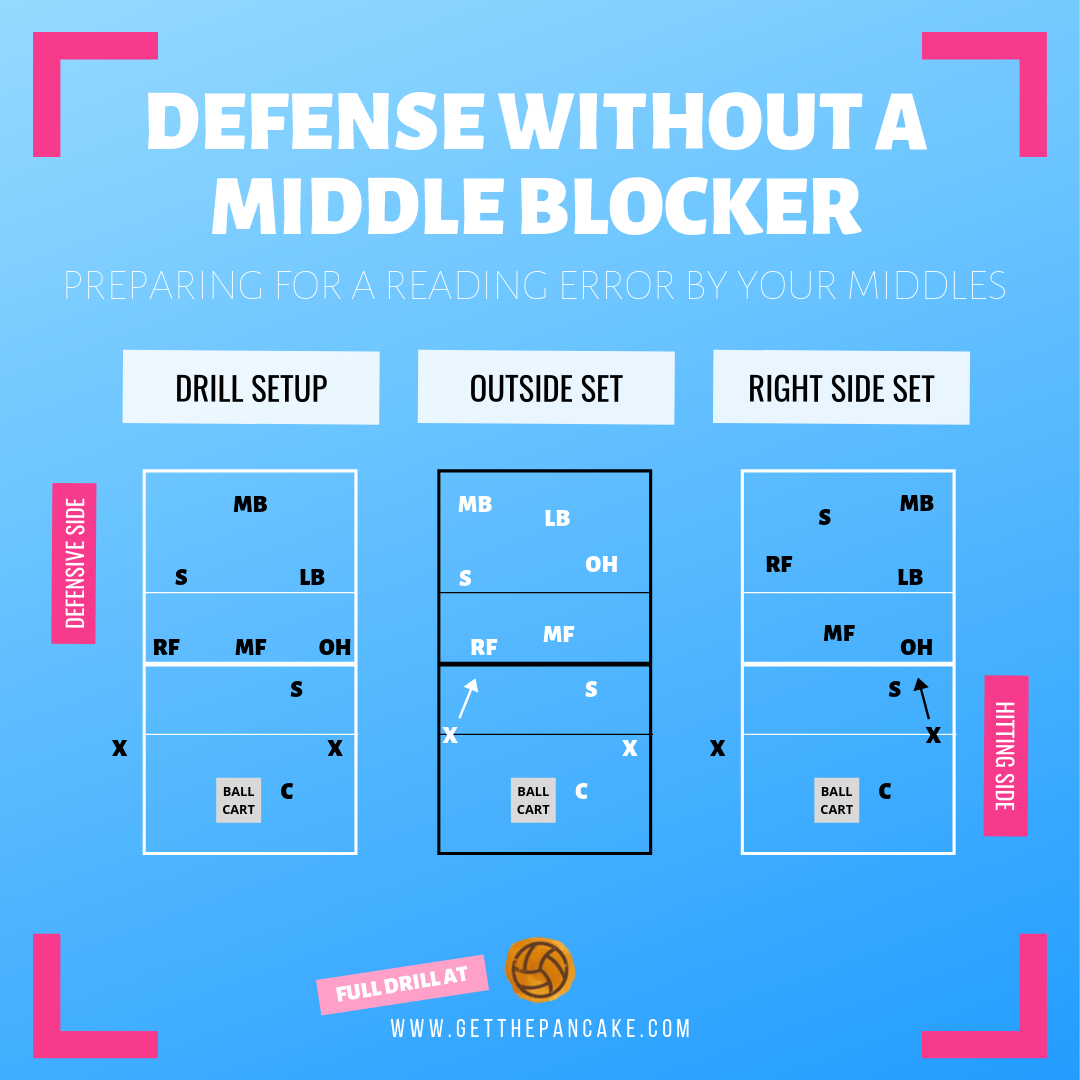
Credit: getthepancake.com
Reaction Time Drills
Improving reaction time is vital for any volleyball middle blocker. Quick responses can make a difference in blocking and defending. Practicing reaction time drills helps sharpen these crucial skills. Below are two effective drills to enhance reaction speed for middle blockers.
Partner Toss
The partner toss drill involves two players. One player stands in front with a volleyball. The other player, the middle blocker, stands ready to react. The first player tosses the ball randomly in different directions. The middle blocker must react quickly and move to catch or block the ball. This drill improves hand-eye coordination and quick reactions.
Reaction Ball
The reaction ball drill uses a special ball with an uneven shape. This ball bounces unpredictably. The middle blocker must stay alert and react swiftly to catch it. Stand in a ready position and have a partner bounce the reaction ball towards you. Focus on tracking the ball and moving quickly to catch it. This drill trains your reflexes and enhances reaction times.
Blocking Technique Drills
Blocking in volleyball requires skill and practice. Middle blockers play a critical role in defending against the opponent’s attacks. They need to master different blocking techniques to be effective on the court. This section covers essential blocking technique drills. These drills help middle blockers refine their skills and improve their timing and positioning.
Single Block
The single block drill focuses on individual blocking skills. Start by positioning the middle blocker near the net. Have a coach or teammate spike the ball towards them. The blocker should jump with arms extended, aiming to block the ball back into the opposing court. Emphasize quick footwork and proper hand positioning. Repeat this drill multiple times to build muscle memory.
Double Block
The double block drill involves two blockers working together. Position the middle blocker and an outside blocker near the net. The coach or teammate spikes the ball towards them. Both blockers should jump simultaneously, with their hands forming a solid wall. Communication is key in this drill. Ensure both players move in sync and cover the most area. This drill enhances teamwork and coordination.
Game-like Drills
Practicing game-like drills is essential for middle blockers. These drills mimic real game situations. They help players react quickly and improve their skills. Middle blockers need to be agile, strong, and strategic. Game-like drills ensure they are ready for any game scenario.
Scrimmage Simulation
Scrimmage simulations are a great way to practice blocking. Split your team into two. Let each team have a full rotation. This creates a real-game environment. It helps middle blockers work on timing and positioning. They learn to read the opponent’s setter and hitters. This drill enhances their decision-making skills.
During the scrimmage, coaches should focus on feedback. Point out good blocks and areas for improvement. Encourage players to communicate and work as a unit. This drill is also great for building team chemistry. It helps players understand each other’s strengths and weaknesses.
3-on-3 Blocking
3-on-3 blocking drills are intense and focused. They involve three players on each side. One side attacks while the other defends. This drill focuses on quick reactions and precise movements. It helps middle blockers practice blocking in tight situations. They learn to cover more ground with fewer players.
Coaches should emphasize technique during this drill. Proper hand positioning and footwork are crucial. Quick transitions between blocking and covering the court are key. Players should also practice reading the attacker’s body language. This helps them anticipate hits and make effective blocks.
3-on-3 blocking is a high-energy drill. It challenges players physically and mentally. It is an excellent way to build endurance and improve blocking skills.
Analyzing Performance
Hey volleyball enthusiasts! Today, we’re diving into an important aspect of improving your game: analyzing performance. If you play as a middle blocker, this is crucial. Why? Because it helps you understand what you’re doing right and where you can improve. Ready? Let’s get started.
Video Review
First up, let’s talk about video review. Watching yourself play is one of the best ways to learn. Think of it like watching a movie where you are the star. And who doesn’t want to be the star?
Here’s how you can do it:
- Record your games: Ask a friend or coach to record your matches. Make sure they capture the entire court.
- Watch the footage: Sit down and watch the video. Pay attention to your movements, positioning, and reactions.
- Take notes: Jot down what you did well and what needs improvement. Did you jump too late? Were you out of position?
By doing this, you can see things you might miss during the game. It’s like having a mirror that shows your strengths and weaknesses.
Feedback Sessions
Next, let’s discuss feedback sessions. These are moments when you sit down with your coach or teammates to talk about your performance. It’s like a mini meeting where everyone shares their thoughts.
Here’s a simple way to conduct feedback sessions:
- Schedule regular meetings: Set aside time after games or practices to talk. Keep it consistent.
- Be open to feedback: Listen to what others have to say. They might see things you don’t.
- Focus on improvement: Discuss specific areas where you can get better. Create a plan together.
Remember, feedback is not criticism. It’s a tool to help you grow. So, embrace it!
Analyzing your performance through video review and feedback sessions can greatly enhance your skills as a middle blocker. Just like how I improved my own game by listening to my coach and watching my plays. Trust me, it works!
So, grab that camera and start recording. And don’t forget to talk to your teammates. You’ll see the difference in no time.

Credit: getthepancake.com
Frequently Asked Questions
How Do You Become A Better Middle Blocker In Volleyball?
To become a better middle blocker in volleyball, focus on improving your footwork, timing, and jumping skills. Practice reading the setter, positioning yourself well, and blocking effectively. Strengthen your core and legs through targeted exercises. Communicate clearly with teammates for better coordination and coverage on the court.
What Are The Drills For Blocking In Volleyball?
Block jumps, mirror drills, and joust drills are effective for improving blocking in volleyball. Practice footwork and timing.
What Is The Big 3 Volleyball Drill?
The Big 3 volleyball drill focuses on hitting, setting, and passing. Players rotate through these positions to improve skills.
What Is The Difference Between Middle Blocker And Middle Hitter?
A middle blocker focuses on blocking opponents’ attacks. A middle hitter primarily attacks from the center of the net.
Conclusion
Middle blocker drills are vital for any volleyball team’s success. They improve skills and game awareness. Regular practice leads to better timing and blocking. Confidence grows with every drill. Consistency is key. Keep practicing these drills to see progress. Your team’s performance will benefit greatly.
Stay committed and watch your skills improve. Happy training!