Are Volleyball Shoes Good For Running? Discover the Truth

Volleyball shoes are not ideal for running. They are built for a different sport and a different set of movements.
Running calls for shoes with specific cushioning, sole design, and motion control. Volleyball shoes shine on indoor courts. They give excellent grip, quick lateral support, and padding for jumps. But running shoes focus on forward motion, shock absorption, and long-distance comfort. Wearing volleyball shoes for regular running can cause discomfort and raise injury risk.
Picking the right shoe for each activity matters. Below, I share a clear comparison of volleyball shoes vs running shoes, plus tips from my experience. Read on to learn which shoe fits your fitness needs and when a multi-use shoe might work.
Introduction To Volleyball Shoes
Hey friends, let’s talk volleyball shoes. I play and train often, so I notice how shoes feel during drills and short sprints. Volleyball shoes are made for quick moves, jumps, and fast stops. They have features tuned to court play. But can they double as running shoes? I’ll explain what makes them special and when you might use them off the court.
Design Features
Volleyball shoes have clear, purposeful design choices. Here are the main points I pay attention to:
- Lightweight: They are light. This helps you move fast and stay agile.
- Grip: The soles give strong traction on indoor courts. You slip less when you cut or jump.
- Cushioning: The midsole absorbs landing shock from repeated jumps.
- Support: They often support the ankle and midfoot for side-to-side moves.
Primary Uses
Volleyball shoes are built for the court. That is where they perform best:
- Indoor Courts: Soles are tuned for gym floors and sport-specific traction.
- Quick Movements: They help with short bursts, cuts, and pivots.
- Jumping: Cushioning is positioned to handle repeated landings.
For short runs around the gym or quick cardio between sets, volleyball shoes are fine. For sustained running, however, running shoes are designed to carry you farther with less impact on joints. Think of them as different tools for different jobs.
In short, volleyball shoes are great for their job. They give grip, bounce, and court stability. But if you plan to run often or far, a pair of running shoes is a smarter investment. It will reduce fatigue and lower injury risk.

Credit: www.volleyballtown.ca
Running Shoe Characteristics
Good running shoes are built for repeated forward motion. They protect your feet, knees, and hips. Below are the core traits to look for when you buy running shoes.
Cushioning And Support
Cushioning matters in a running shoe. Each stride creates impact forces. Foam, gel, or other midsole materials soak up that impact. This lowers stress on joints. Running shoes also give arch and heel support. This helps keep your gait stable. Proper support lowers the chance of overuse injuries.
Traction And Grip
Running shoes need reliable traction for varied surfaces. Road runners use different outsole rubbers than trail runners. The pattern on the sole helps with grip in wet or uneven spots. A running shoe’s outsole is built to last on pavement, dirt, or gravel. This differs from indoor court soles that are not meant for long-term outdoor wear.
Comparing Volleyball And Running Shoes
Choosing the right shoe requires knowing the key differences. Below I break down materials, soles, and how those affect performance for running and court play.
Material Differences
Volleyball shoes use breathable, lightweight mesh and synthetic uppers. This keeps feet cool and aids quick movement. They focus on freedom of motion and low weight.
Running shoes use more shock-absorbing midsoles. Materials like EVA foam, Boost, or gels are common. These help for long runs. The uppers are also durable to handle repeated flex and outdoor wear.
In short: volleyball shoes favor agility and breathability. Running shoes favor cushioning and durability. Using volleyball shoes for long runs may leave your feet under-supported.
Sole Construction
The sole is where the shoes really differ. Volleyball shoes have non-marking, gum-rubber soles. They are flat and made to grip polished courts. This is ideal for sideways moves and fast stops.
Running shoes use a cushioned midsole and a tougher rubber outsole. They often have a higher heel-to-toe drop to encourage forward motion. The pattern and materials on running shoe outsoles handle road and trail abrasion better than court soles.
Because of these differences, volleyball shoes will not match the shock absorption or wear life of running shoes. They suit short bursts, not long steady miles.
| Feature | Volleyball Shoes | Running Shoes |
|---|---|---|
| Materials | Lightweight, breathable mesh or synthetic fabrics | Cushioned, durable foam and gel |
| Sole | Non-marking rubber, flat, gum texture | Cushioned midsole, tougher rubber outsole, higher heel-to-toe drop |
Summary: volleyball shoes are great on the court. Running shoes are built to protect you during repeated forward motion on many surfaces. Choose the right shoe for the job.
Performance On Different Terrains
Volleyball shoes excel indoors. But how do they hold up outdoors? I’ll cover indoor and outdoor performance and what to expect.
Indoor Surfaces
On gym floors, volleyball shoes do very well. The gum rubber grips wood and polished surfaces. The cushioning helps with repeated jumps and landings. The design supports quick lateral moves. For short jogs around the gym, they work fine. For long treadmill miles, they may lack arch support and long-run cushion.
Outdoor Conditions
Outside, volleyball shoes show their limits. The soft gum soles wear down fast on concrete and asphalt. Grip on wet, uneven ground is poor. They offer less traction on trails and grass. For road or trail running, a running shoe or trail shoe is safer. Choose shoes built for outdoor durability and traction.
Potential Risks Of Using Volleyball Shoes For Running
Using the wrong shoe can add risk. Volleyball shoes are not designed for long, repetitive forward motion. Below are the main concerns I’ve seen in players who use court shoes for running.
Injury Concerns
Volleyball shoes usually lack the long-run cushioning found in running shoes. Over time, this can cause shin splints, knee pain, and stress injuries. The sole is not made for road or trail grip, so slips and falls are more likely on wet surfaces. If you have issues with pronation or a high arch, a running shoe with motion control or extra arch support is better.
Impact On Performance
Volleyball shoes can be heavier in places that matter for running stride. This may slow you and tire your legs sooner. They also may have less breathability for long runs. That can lead to hot, sweaty feet and blisters. Proper running shoes offer better airflow, cushioning, and a smoother gait.
When It Might Be OK
If you are doing a quick warm-up jog, short sprints, or short gym runs, volleyball shoes often work fine. For short, low-impact sessions or cross-training, they can suffice. But for regular running, long runs, or race training, use dedicated running shoes.
How To Reduce Risk If You Must Run In Them
If you only have volleyball shoes and need to run, take these steps:
- Limit distance and intensity.
- Use cushioned, supportive insoles made for running.
- Stick to flat, even surfaces to reduce slip risk.
- Listen to pain signals—stop if you feel persistent soreness.

Credit: www.javelinsportsinc.com
Expert Opinions
People ask whether one pair can do both. I checked athlete stories and podiatrist advice to give you practical guidance.
Athlete Experiences
Athletes I know split on this. Some use volleyball shoes for short runs or gym drills without issues. Others report pain after longer runs. One friend said, “They felt fine for a warm-up, but not for eight miles.” Another told me, “I jog in them occasionally and swap to running shoes for training.” Use is personal, but most agree volleyball shoes are not ideal for long runs.
Podiatrist Recommendations
Podiatrists focus on foot health. Many will tell you that volleyball shoes do not have the shock absorption needed for running. That can cause shin splints, tendon pain, or plantar fasciitis. The common advice: pick shoes that match your gait, terrain, and training volume. For frequent running, choose running shoes with proper cushioning and support.
The takeaway? Short jogs in volleyball shoes might be fine. For regular running, follow expert advice and use running shoes. Your feet and joints will thank you.
Alternatives For Multi-purpose Footwear
If you need one shoe for many activities, you have options. I use cross-trainers a lot for gym days and short runs. Here are smart alternatives and tips.
Cross-training Shoes
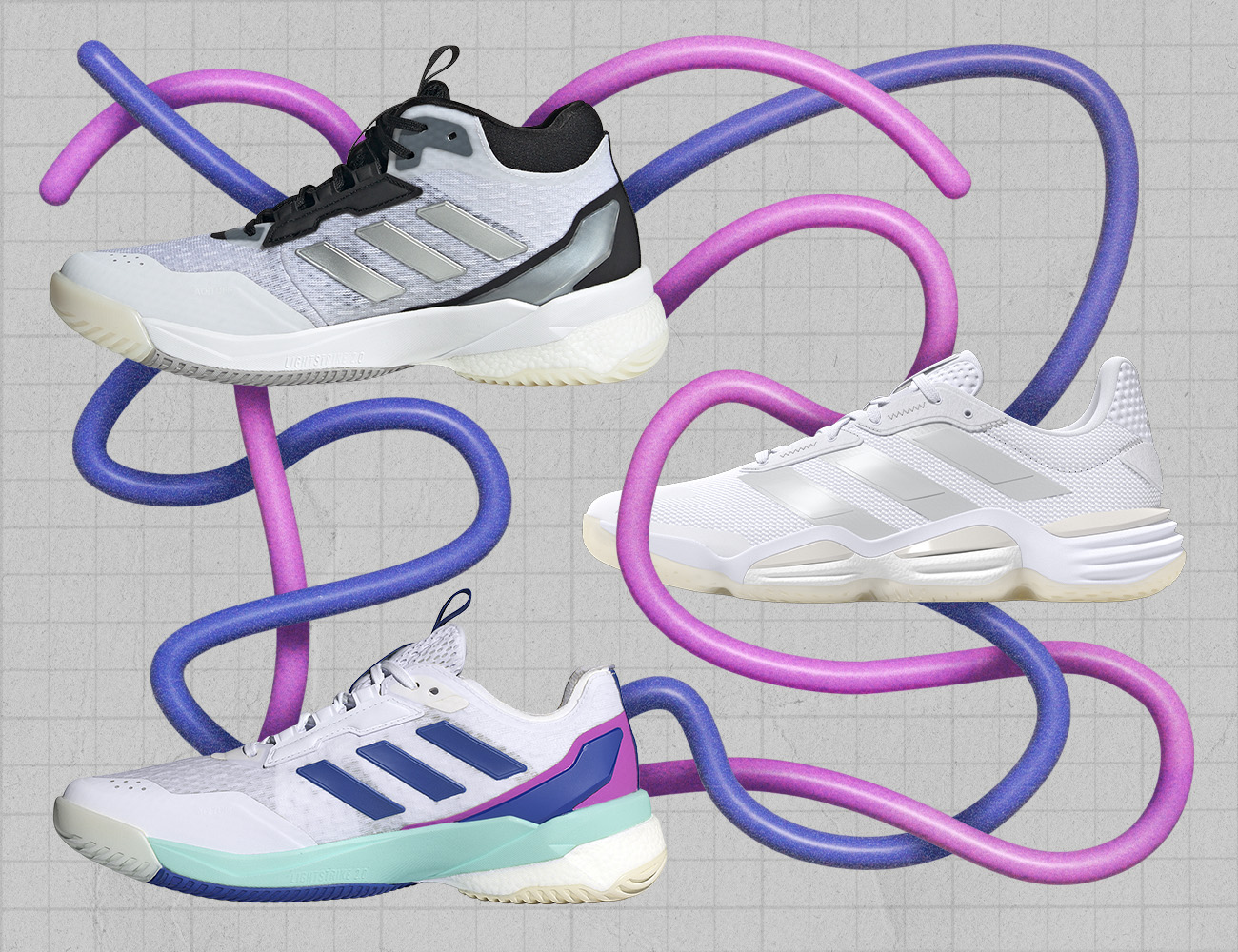
Cross-trainers are built for varied movement. They give lateral support for court work and enough cushioning for short runs. They are a solid choice if you do gym workouts, classes, and light running. If you run often, pick a model with stronger midsole cushioning.
Custom Insoles
Custom or semi-custom insoles can change how a shoe fits and feels. They add arch support and cushion where you need it. I often use aftermarket insoles when I switch shoes between sports. They help reduce pain and improve comfort for mixed workouts.
Credit: www.adidas.com
Frequently Asked Questions
Can Volleyball Shoes Be Used As Running Shoes?
Volleyball shoes are not ideal for running. They lack the cushioning and long-run support you get in running shoes. Use running shoes if you plan to run regularly or for distance.
Can You Workout In Volleyball Shoes?
Yes, you can workout in volleyball shoes. They give good traction, lateral support, and cushioning for court sports and many gym exercises. For long treadmill runs, swap to running shoes.
What Are The Benefits Of Volleyball Shoes?
Volleyball shoes offer enhanced grip on indoor courts, stable support for quick cuts, targeted cushioning for jumps, and a design that reduces the chance of court-related injuries. They are tuned for short bursts and agile play.
Can You Run In Volleyball?
Yes, you can run in volleyball during play. Players sprint and move often in-game. But that kind of running is short, reactive, and different from steady running training.
Conclusion
Volleyball shoes can handle short runs and gym work. They are designed for grip, quick motion, and jump cushioning. But they are not built for long-distance running. Running needs more shock absorption, forward-motion support, and durable soles.
If you plan to run regularly, choose dedicated running shoes. If you need one pair for mixed sessions, consider cross-trainers or use custom insoles to boost comfort. Match the shoe to the activity. That keeps you safe and helps you perform better. Happy running and smart training!