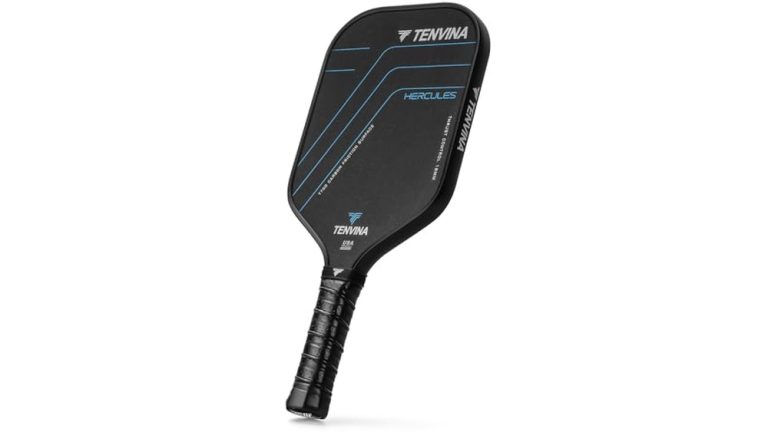
How to Regrip a Pickleball Paddle: Easy Steps for Better Grip

Regripping a pickleball paddle is essential for better control and comfort. It can greatly improve your game.
Knowing how to regrip your paddle is a simple yet valuable skill. Playing pickleball with a worn grip can affect your performance. A new grip ensures a firm hold, reducing the risk of slipping. This guide will show you how to regrip your pickleball paddle step by step.
You will find that it’s easier than you think and only takes a few minutes. By the end, you will have a paddle that feels brand new. Ready to play your best game? Let’s get started!
Credit: pickleballkitchen.com
Introduction To Regripping
Regripping your pickleball paddle is essential for maintaining control and comfort during play. A fresh grip can significantly enhance your performance. This section will guide you through the importance of a good grip and when to regrip your paddle.
Importance Of A Good Grip
A good grip on your pickleball paddle ensures better control and reduces the risk of slippage. It enhances your ability to execute precise shots. A worn-out grip can lead to discomfort and affect your game negatively. Therefore, maintaining a good grip is crucial for optimal performance.
When To Regrip Your Paddle
You should consider regripping your paddle if you notice any of the following signs:
- The grip feels slippery or smooth.
- There are visible signs of wear and tear.
- The grip feels uncomfortable or loose in your hand.
- You experience hand fatigue or blisters more frequently.
Regularly inspecting your grip and addressing these issues promptly can help you maintain a consistent and enjoyable playing experience.

Credit: www.justpaddles.com
Gathering Materials
Regripping a pickleball paddle can improve your game. It offers better control and comfort. To start, gather all the materials you need. This ensures a smooth process.
Essential Tools Needed
You need a few basic tools. First, get a sharp pair of scissors. You will also need a small screwdriver or a flat tool. This helps you remove the old grip. Have a clean cloth on hand. This cleans the paddle handle.
Choosing The Right Grip Tape
Pick the right grip tape. This is crucial. Look for grip tape designed for pickleball paddles. It should be durable and moisture-wicking. The tape should also have good cushioning. This provides comfort during long games.
Grip tape comes in different textures. Some are tacky, and others are smooth. Choose one that feels best in your hand. The right grip tape can make a big difference in your gameplay.
Removing The Old Grip
Maintaining your pickleball paddle is essential for optimal performance. One key aspect is regripping the paddle. The first step in this process is removing the old grip. This step ensures that you have a clean surface for the new grip. Let’s dive into the detailed steps to make this process easy and efficient.
Peeling Off The Old Tape
Start by locating the end of the old grip tape. This is usually secured with a piece of finishing tape. Use a small tool, like a flathead screwdriver, to gently lift the edge of this tape.
Once lifted, slowly peel off the finishing tape. Be careful not to damage the handle. After removing the finishing tape, begin to unwrap the grip tape from the handle. Peel it off gently, ensuring you don’t leave any residue behind.
Cleaning The Handle Surface
After removing the old grip tape, you need to clean the handle surface. This step is crucial for the new grip to adhere properly. Use a damp cloth or a mild cleaner to wipe down the handle.
Make sure to remove any adhesive residue left by the old tape. This will ensure a smooth surface for the new grip. Let the handle dry completely before applying the new grip.
If the handle feels sticky, you can use a small amount of rubbing alcohol. This will help in removing any stubborn residue. Ensure the handle is completely dry before proceeding to the next steps.

Credit: www.youtube.com
Preparing The New Grip
Preparing the new grip for your pickleball paddle is a crucial step. A well-prepared grip can improve your game and comfort. Follow these steps to ensure your new grip is ready for action.
Measuring The Grip Tape
Start by measuring the length of the grip tape. Use a ruler or measuring tape for accuracy. Measure from the bottom of the paddle handle to the top. This ensures you have enough tape to cover the entire handle.
Cut the grip tape to the desired length. It’s better to have a little extra tape than not enough. Make sure the tape is cut evenly to avoid any uneven wrapping.
Starting The Application
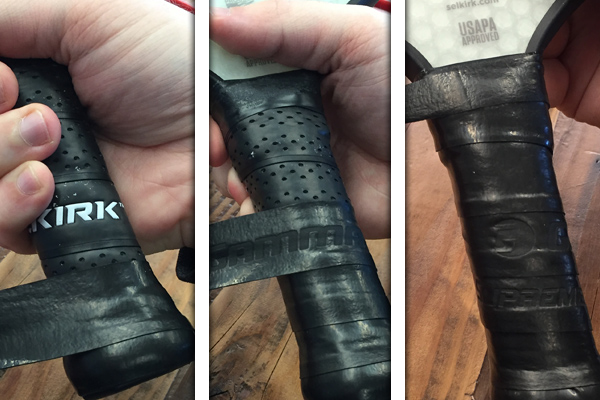
Begin wrapping the grip tape at the bottom of the handle. Hold the paddle securely with one hand. Use your other hand to start applying the tape. Wrap the tape tightly to ensure a snug fit.
Overlap the tape slightly as you wrap upwards. This prevents any gaps and provides a smooth surface. Continue wrapping until you reach the top of the handle. Secure the end of the tape with the adhesive strip provided.
Check the grip for any loose sections. If needed, adjust the tape to ensure a tight and comfortable fit. Your new grip is now ready for use.
Applying The New Grip
Applying the new grip to your pickleball paddle is crucial. It ensures comfort and control during your game. A well-applied grip can make a significant difference in your performance. This section will guide you through the process step-by-step.
Wrapping Techniques
Start by placing the end of the grip at the bottom of the paddle handle. Hold it firmly with your thumb. Begin wrapping the grip around the handle. Overlap each wrap slightly to ensure full coverage. Keep the grip smooth and free of wrinkles.
Maintaining Even Tension
Maintaining even tension is key to a secure grip. Pull the grip tightly, but not too tight. Consistent tension prevents the grip from slipping. It also avoids creating gaps or bubbles. Take your time and adjust as needed. A well-wrapped grip feels firm and comfortable in your hand.
Securing The Grip
Learn how to regrip a pickleball paddle to improve control. Remove the old grip, then wrap the new grip tightly. Secure it in place for better performance.
Securing the grip is crucial for enhancing your pickleball game. Without a secure grip, your paddle might slip during intense matches. This section will guide you through the final steps. We will cover finishing the wrap and using tape to secure the end.Finishing The Wrap
Carefully wrap the grip around the paddle handle. Ensure there are no gaps or overlaps. Keep the grip tight but not too tight. Continue wrapping until you reach the end of the handle. Make sure the grip covers the entire handle evenly.Using Tape To Secure The End
Use finishing tape to secure the end of the grip. Cut a small piece of tape. Place it at the end of the grip. Wrap the tape around the handle tightly. Ensure the tape secures the grip without any loose ends. This step ensures the grip stays in place during play. “`Final Adjustments
Final adjustments are crucial for ensuring your pickleball paddle feels just right. You’ve done the hard part of regripping, now it’s time to make sure everything is perfect. This step ensures maximum comfort and performance during play.
Checking For Comfort
Hold the paddle as you normally would during a game. Pay attention to how it feels in your hand. The grip should feel snug and secure without being too tight. If it feels slippery or loose, adjustments are needed.
Making Necessary Adjustments
Unwrap a small section of the grip if it’s too tight or overlapping. Smooth out any wrinkles in the grip material. If the grip is too loose, you might need to rewrap it tighter.
- Ensure the grip is evenly wrapped.
- Check for any gaps or overlaps.
- Make sure the end of the grip is secured.
Once adjustments are made, test the paddle again. Repeat the process until the grip feels perfect. A well-gripped paddle can make a big difference in your game.
Maintenance Tips
Maintaining your pickleball paddle grip is crucial for optimal performance. A well-maintained grip can improve your game and extend the life of your paddle. Follow these simple maintenance tips to keep your grip in top shape.
Extending Grip Life
One way to extend your grip’s life is by keeping it dry. Sweat and moisture can cause the grip to wear out faster. Use a towel to wipe your hands and the grip regularly during play. This simple step can significantly increase the grip’s lifespan.
Another tip is to store your paddle in a cool, dry place. Extreme temperatures can damage the grip material. Avoid leaving your paddle in the car or under direct sunlight. Proper storage helps maintain the grip’s integrity.
Regularly Inspecting Your Grip
Check your grip for signs of wear and tear often. Look for fraying, peeling, or loss of cushioning. These are indicators that it’s time to replace the grip.
Keep an eye on the grip’s texture. A smooth or slippery grip can affect your control. If you notice any changes in texture, it might be time for a new grip. Regular inspections ensure you always have a reliable grip.
Frequently Asked Questions
How Often Should I Regrip My Pickleball Paddle?
You should regrip your pickleball paddle every 3-6 months. This depends on how often you play. Frequent players may need to regrip sooner. Regularly check your grip for wear and tear.
What Materials Do I Need To Regrip A Paddle?
To regrip a paddle, you’ll need a new grip, scissors, and finishing tape. These items ensure a secure and comfortable grip. Optional items include grip solvent and a utility knife.
Can I Use Tennis Grip Tape For A Pickleball Paddle?
Yes, you can use tennis grip tape for a pickleball paddle. Both grips are similar in texture and function. Ensure the tape is compatible with your paddle’s handle size.
How Do I Remove The Old Grip?
To remove the old grip, start at the top and unwind it. Use scissors to cut stubborn sections. Clean the handle before applying a new grip.
Conclusion
Regripping a pickleball paddle is simple and effective. Fresh grips improve control. Consistent maintenance extends paddle life. Follow the steps carefully. Enjoy better performance with a new grip. Keep your paddle in top shape. Happy playing!