How to Become a Pickleball Instructor: Step-by-Step Guide

Becoming a pickleball instructor is a rewarding path. It combines passion and skill.
Pickleball’s popularity is rising fast. Many seek skilled instructors to guide them. If you love the sport and want to teach, becoming an instructor is a great choice. You need to understand the game deeply. Effective communication and teaching skills are crucial too.
This guide will show you the steps to become a certified pickleball instructor. From gaining experience to certification, we cover it all. Ready to share your love for pickleball with others? Let’s explore the journey to becoming a pickleball instructor.

Credit: www.tiktok.com
Introduction To Pickleball
Pickleball is gaining popularity around the world. It’s a fun and social sport. As a result, many people want to learn it. Becoming a pickleball instructor can be rewarding. But first, let’s understand the basics of this exciting game.
History And Popularity
Pickleball started in 1965. Three dads invented it. They wanted to create a new game for their kids. It began on Bainbridge Island, near Seattle. The game quickly spread across the United States.
Today, pickleball is played globally. It attracts players of all ages. Its popularity continues to rise. Many schools, parks, and clubs now offer pickleball. This growth creates a demand for skilled instructors.
Basics Of The Game
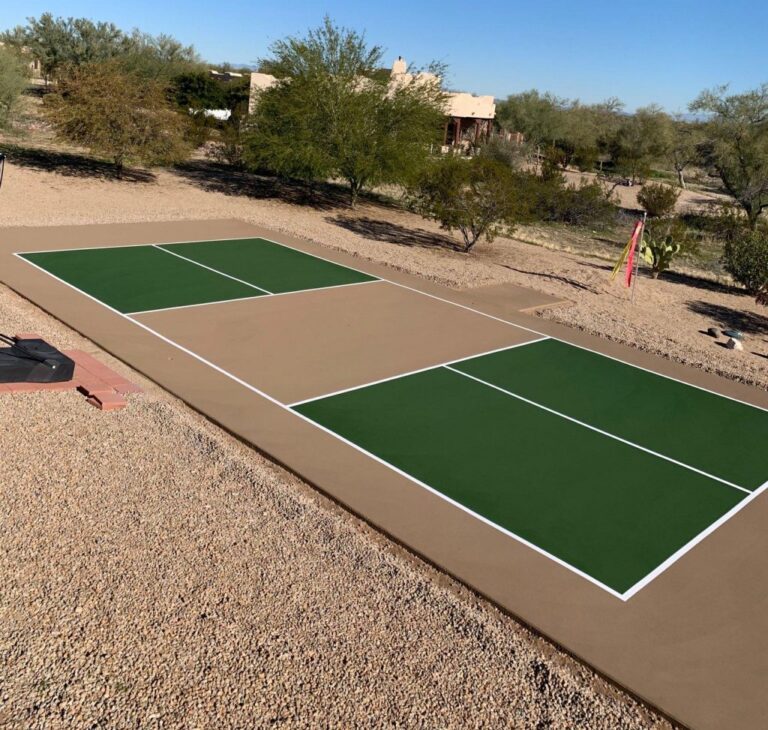
Pickleball is easy to learn. The game combines elements of tennis, badminton, and ping-pong. It uses a paddle and a plastic ball. The court is smaller than a tennis court. The net is lower than a tennis net.
Players can play singles or doubles. The game starts with an underhand serve. Points are scored when the opponent fails to return the ball. The first player or team to 11 points wins, but they must lead by two points.
Pickleball’s simple rules make it accessible. It is a great way to stay active. Many people enjoy its social aspect. As an instructor, you will teach these basics to new players.
Credit: www.thedinkpickleball.com
Benefits Of Teaching Pickleball
Teaching pickleball comes with numerous perks that can enrich your life. It improves your health, fosters community bonds, and provides personal satisfaction. If you love pickleball, sharing your passion can be very rewarding.
Physical Benefits
Becoming a pickleball instructor keeps you physically active. Regularly teaching classes helps you maintain a healthy lifestyle. It improves your stamina, flexibility, and coordination. The physical demands of teaching pickleball also help you stay fit and energized.
| Benefit | Description |
|---|---|
| Improved Stamina | Frequent movement and drills increase your endurance. |
| Enhanced Flexibility | Stretching and dynamic movements boost your flexibility. |
| Better Coordination | Teaching different skills sharpens your hand-eye coordination. |
Community Engagement
Teaching pickleball fosters strong community connections. As an instructor, you meet many people and build lasting friendships. Your classes create a fun, social environment where everyone feels welcome.
- Builds strong relationships with students
- Creates a sense of belonging
- Encourages teamwork and cooperation
Community engagement also brings a sense of purpose. Helping others learn and enjoy the game is fulfilling. You become a valued part of the local sports community, which can be very gratifying.
Skills Needed
Becoming a pickleball instructor requires a diverse set of skills. Teaching this fun and dynamic sport goes beyond knowing the rules. It includes technical skills, communication skills, and the ability to engage students. Let’s dive into the essential skills needed.
Technical Skills
A strong foundation in pickleball techniques is crucial. You must know how to serve, volley, and perform dinks. Demonstrating these skills clearly is vital. Understanding different playing strategies helps you guide students effectively. Keeping up with the latest trends and rules in pickleball will also benefit you.
Communication Skills
Effective communication is key to being a good instructor. You need to explain techniques in simple terms. This helps students understand and apply what they learn. Listening is just as important. Pay attention to your students’ concerns and questions. Providing constructive feedback can improve their game.
Patience and encouragement are part of good communication. Every student learns at their own pace. Motivating them through positive reinforcement will make the learning process enjoyable.
Certification Process
Becoming a certified pickleball instructor is a rewarding journey. It involves gaining the right skills and credentials. This process ensures you can teach others effectively. The certification process includes several important steps.
Choosing A Program
First, you need to choose the right certification program. There are many programs available. Each has its own strengths. Research the options carefully.
Look for programs recognized by major pickleball organizations. Check for reviews from past participants. Ensure the program offers comprehensive training. Some popular programs include:
- Professional Pickleball Registry (PPR)
- International Pickleball Teaching Professional Association (IPTPA)
- USA Pickleball Association (USAPA)
Select a program that fits your goals and schedule. A well-chosen program sets the foundation for your success.
Requirements And Exams
Different programs have different requirements. Generally, you need to have a basic understanding of pickleball. Some programs may require you to have some teaching experience.
Most certification programs involve exams. These exams test your knowledge and skills. They often include:
- Written Test: Covers pickleball rules and teaching methods.
- Practical Test: Assesses your ability to teach and demonstrate skills.
Prepare thoroughly for these exams. Use study materials provided by the program. Practice teaching with friends or local clubs. Passing these exams is crucial to becoming certified.
Meeting the requirements and passing the exams can be challenging. But it’s worth the effort. You will gain the credentials needed to teach pickleball professionally.
Building Experience
Gaining experience is vital to becoming a successful pickleball instructor. It helps you understand the nuances of the game and how to teach others effectively. Here are two important ways to build your experience:
Volunteering
Volunteering is a great way to start. You can help organize local pickleball events or assist in community classes. This allows you to observe and learn from experienced instructors.
Volunteering provides several benefits:
- Gains practical experience
- Builds a network with other players and coaches
- Improves your communication skills
Start by contacting local pickleball clubs or community centers. Offer your help. Be proactive and eager to learn.
Assistant Coaching
Becoming an assistant coach is another effective way to gain experience. You get to work closely with a senior coach. Learn how they plan and conduct their sessions.
Here are some key benefits of assistant coaching:
- Direct mentorship from experienced coaches
- Hands-on teaching experience
- Opportunity to observe different coaching styles
Reach out to local pickleball programs and express your interest in assisting. Show your enthusiasm and willingness to learn. This experience will be invaluable as you progress in your journey to become a pickleball instructor.

Credit: pickleballunion.com
Finding Your First Job
Becoming a pickleball instructor is an exciting journey. One of the first steps is finding that initial job. A good strategy can help you land your first position. Let’s explore how to do this effectively.
Networking
Networking can open many doors. Connect with local pickleball clubs. Attend games and meet people. Introduce yourself to other instructors. They might know of job openings. Join online pickleball communities. These groups often share job postings. Building relationships can lead to job offers.
Job Hunting Tips
Start by creating a strong resume. Highlight your pickleball skills and any teaching experience. Tailor your resume for each job application. Look for job postings on sports job boards. Many clubs post openings there. Check local community centers as well. They often hire instructors for pickleball classes. Be proactive. Reach out to clubs even if they don’t have posted openings. Show your interest and enthusiasm.
Creating Lesson Plans
Crafting lesson plans is essential for aspiring pickleball instructors. Effective planning ensures students grasp techniques and enjoy the learning process. Keep lessons engaging and varied to maintain interest.
Creating effective lesson plans is essential for a successful pickleball instructor. A well-structured plan ensures students gain the necessary skills and knowledge. It also keeps the lessons organized and engaging. Below, we explore how to create lesson plans for both beginner and advanced students.Beginner Lessons
For beginners, focus on the basics. Start with the rules of the game. Explain the court layout and scoring system. Demonstrate how to hold the paddle correctly. Show the basic strokes, like the forehand and backhand. Next, introduce simple drills. These help students practice their strokes. For example, have them hit the ball back and forth. Keep the drills short to maintain their interest. Use positive reinforcement to build their confidence. Finish the lesson with a friendly game. This helps beginners apply what they learned. It also keeps the atmosphere fun and relaxed.Advanced Techniques
Advanced students need more challenging content. Start by refining their basic skills. Focus on improving their accuracy and consistency. Introduce advanced strokes, like the overhead smash and spin shots. Include strategy in your lessons. Teach them how to position themselves on the court. Explain how to anticipate their opponent’s moves. Use video analysis to show them their strengths and weaknesses. Add complex drills to their practice. For example, create scenarios that simulate real matches. This helps them apply advanced techniques in a game setting. Encourage them to play competitive games to test their skills. By creating structured lesson plans, you ensure students progress steadily. Tailor each lesson to the skill level of your students. This approach keeps them engaged and motivated.Marketing Yourself
Marketing yourself as a pickleball instructor can set you apart. Effective marketing helps you attract students, build a reputation, and grow your business. Focus on using the right tools and strategies to reach your audience.
Social Media
Social media platforms offer great opportunities for promotion. Create profiles on platforms like Facebook, Instagram, and LinkedIn. Share engaging content related to pickleball. Post tips, instructional videos, and success stories of your students. Engage with your followers by responding to their comments and messages.
Use visually appealing images and videos. They catch attention and make your posts more engaging. Regularly update your profiles to keep your audience interested. Social media can help you reach a larger audience and establish your brand.
Building A Client Base
Building a client base is crucial for your success. Start by offering free or discounted sessions. This can attract new students and give them a taste of your teaching style. Word of mouth is powerful. Encourage satisfied students to refer their friends and family.
Attend local events and tournaments. Networking can help you connect with potential clients. Collaborate with community centers and schools. Offer to run workshops or clinics. This can introduce you to a wider audience and help you gain new clients.
Create a professional website. Include information about your services, rates, and contact details. Having an online presence adds credibility and makes it easier for potential clients to find you.
Continuing Education
Continuing education is key to becoming a successful pickleball instructor. Staying informed on new techniques, trends, and teaching methods will ensure you provide the best training to your students. Let’s explore some ways to continue your education as a pickleball instructor.
Workshops And Seminars
Attending workshops and seminars can be very beneficial. These events provide hands-on learning and direct interaction with experts. You can learn new drills, strategies, and improve your teaching techniques. Plus, it’s a great opportunity to network with other instructors and players.
Many workshops offer certifications which can boost your credibility. Look for local or national events in your area. Online seminars are also a great option if travel is difficult. They offer flexibility and convenience while still delivering valuable content.
Staying Updated With Trends
Pickleball is an evolving sport with new trends emerging regularly. Staying updated with these trends is essential. Follow reputable pickleball blogs, websites, and social media pages. Engage with the community to learn about the latest equipment, rules, and playing styles.
Subscribe to newsletters from pickleball organizations. They often share updates and insights. Watching professional matches can also give you a sense of current trends. Implementing these trends into your teaching can make your lessons more relevant and engaging.
Conclusion And Next Steps
Becoming a pickleball instructor is a rewarding journey. It allows you to share your love for the sport. It also helps others improve their game. This section will outline the next steps. You will set goals and explore long-term career paths.
Setting Goals
Goals help you stay focused. Start by identifying what you want to achieve. Do you want to teach beginners? Or advanced players? Write down your goals. Review them often. It helps to stay on track.
Consider short-term goals. These could include getting certified. Or gaining experience by assisting a seasoned instructor. Long-term goals might involve opening your own pickleball academy. Or becoming a well-known coach in your community.
Long-term Career Paths
Teaching pickleball offers various career paths. You can become a full-time instructor. Or work part-time while maintaining another job.
Another option is to specialize. Focus on teaching a specific age group. Or specialize in doubles strategy. This can make you a sought-after expert in your field.
Some instructors also branch out. They write books or create online courses. They share their knowledge with a broader audience.
Here is a table of potential career paths:
| Career Path | Description |
|---|---|
| Full-Time Instructor | Teach pickleball as your main job. |
| Part-Time Instructor | Teach while keeping another job. |
| Specialist | Focus on a specific aspect of the game. |
| Author/Content Creator | Write books or create courses. |
Choose the path that fits your goals. Each path offers unique opportunities. Enjoy the journey of becoming a pickleball instructor.
Frequently Asked Questions
What Qualifications Do You Need To Become A Pickleball Instructor?
To become a pickleball instructor, you typically need certification from a recognized organization. Experience in playing and teaching sports is beneficial.
How Long Does Pickleball Instructor Certification Take?
Certification programs vary, but most can be completed in a few days to a week.
Can You Make A Living As A Pickleball Instructor?
Yes, many instructors offer private lessons, group classes, and clinics. Earnings depend on location and demand.
What Skills Are Essential For A Pickleball Instructor?
Key skills include knowledge of pickleball rules, effective communication, and the ability to teach techniques and strategies.
Conclusion
Becoming a pickleball instructor is a rewarding journey. It blends passion and teaching. Start by gaining solid playing skills. Take certification courses to boost credibility. Practice patience and clear communication. Build a supportive community around you. Share your love for the game with others.
Stay updated with new techniques. Keep learning and improving. Remember, your enthusiasm will inspire your students. Enjoy the process and make a positive impact on players’ lives. Happy teaching!