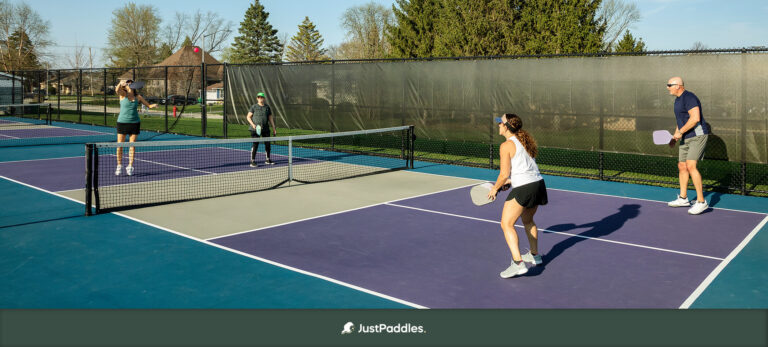
How Many Pickleball Courts Fit on a Tennis Court: Explained Clearly

You can fit four pickleball courts on a single tennis court. This is possible because pickleball courts are smaller in size compared to tennis courts.
Pickleball is gaining popularity fast. Many tennis players and newcomers enjoy this fun game. So, it’s natural to wonder how many pickleball courts can fit on a tennis court. A tennis court’s size allows for multiple pickleball courts, making it a versatile space for different sports.
This means communities and clubs can offer more playing options. Understanding how to convert tennis courts to pickleball courts can maximize space and enjoyment for players. This guide will explain the details and benefits of this conversion. Let’s dive into the specifics.
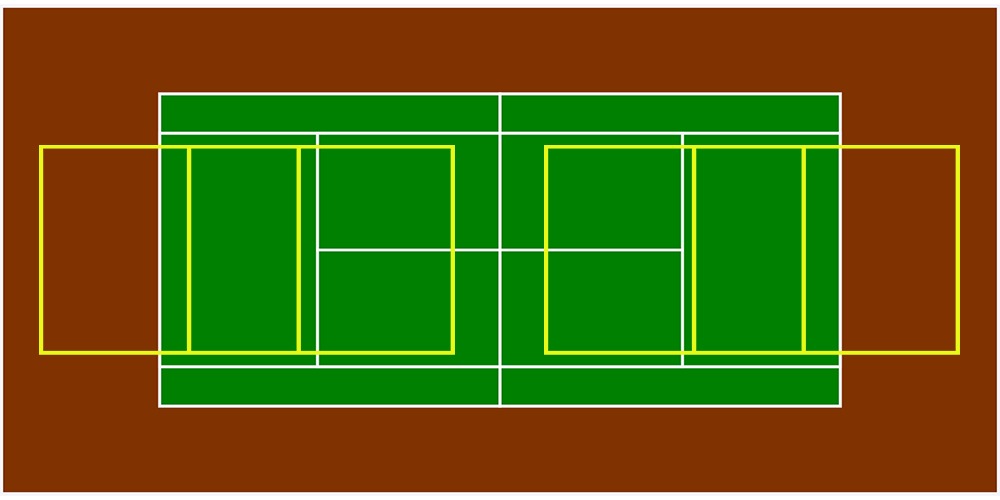
Credit: northstateresurfacing.com
Court Dimensions
Understanding how many pickleball courts fit on a tennis court requires knowing the court dimensions of both sports. This knowledge helps in planning court conversions and optimizing athletic facility design for multi-sport courts. Let’s dive into the specifics of tennis and pickleball court dimensions to see how they compare.
Tennis Court Size
A standard tennis court measures 78 feet in length and 36 feet in width. This size includes the playing area and the outer boundaries. For singles matches, the width is reduced to 27 feet, but the overall dimensions remain the same.
The court is divided into several key areas:
- Baseline: The back boundary line of the court.
- Service Box: The area where the serve must land.
- Net: Positioned in the center, it’s 3 feet high at the center and 3.5 feet high at the posts.
These dimensions are designed to provide ample space for movement and play. Below is a table summarizing the key measurements:
| Area | Measurement |
|---|---|
| Overall Length | 78 feet |
| Overall Width (Doubles) | 36 feet |
| Overall Width (Singles) | 27 feet |
| Net Height (Center) | 3 feet |
| Net Height (Posts) | 3.5 feet |
Pickleball Court Size
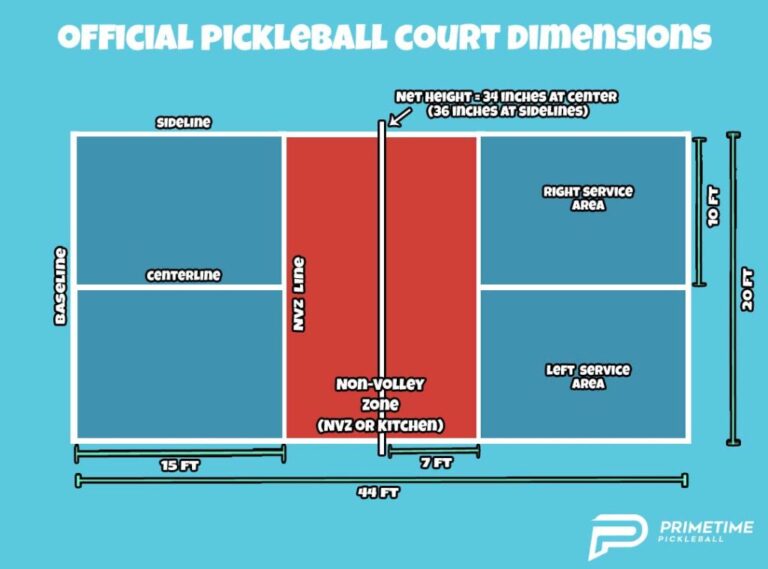
Pickleball courts are smaller, making them easier to fit within the space of a tennis court. A standard pickleball court measures 44 feet in length and 20 feet in width. These dimensions include the playing area and the non-volley zone, also known as the kitchen.
Key areas of a pickleball court include:
- Baseline: The back boundary line of the court.
- Non-Volley Zone (Kitchen): A 7-foot area on both sides of the net where volleys are not allowed.
- Service Areas: Divided into left and right, where serves must land.
Pickleball court dimensions allow for multiple courts to fit within a single tennis court. This makes court conversions and multi-sport courts more feasible. The table below summarizes the main measurements:
| Area | Measurement |
|---|---|
| Overall Length | 44 feet |
| Overall Width | 20 feet |
| Non-Volley Zone | 7 feet |
| Net Height (Center) | 34 inches |
| Net Height (Posts) | 36 inches |
With these court dimensions in mind, it’s clear that a tennis court can accommodate multiple pickleball courts. This makes it a popular option for recreational sports and athletic facility design. The growing pickleball popularity has led many to explore how to optimize their existing sports court layout for this fun and engaging game.
Court Layout
Pickleball has become a popular sport in recent years, and many recreational sports facilities are exploring ways to accommodate the game. A common question is how many pickleball courts fit on a tennis court. Understanding the court layout is essential for effective court conversion and sports facility planning. This section will discuss the layout for both single and multiple court configurations.
Single Court Setup
To set up a single pickleball court on a tennis court, it’s important to understand the differences in dimensions. A standard tennis court is 78 feet long and 36 feet wide, while a pickleball court is 44 feet long and 20 feet wide. This size difference allows for an efficient use of space.
Here’s a simple breakdown:
- Tennis Court Size: 78 feet by 36 feet
- Pickleball Court Dimensions: 44 feet by 20 feet
To create a single pickleball court within a tennis court, the pickleball court can be placed in the center of the tennis court. This central placement ensures enough surrounding space for players to move comfortably. The following table illustrates the layout:
| Sport | Length (feet) | Width (feet) |
|---|---|---|
| Tennis | 78 | 36 |
| Pickleball | 44 | 20 |
This setup is ideal for facilities focusing on multi-sport court design and court space optimization. Adding clear lines and temporary nets is essential for an effective single court setup.
Multiple Court Configuration
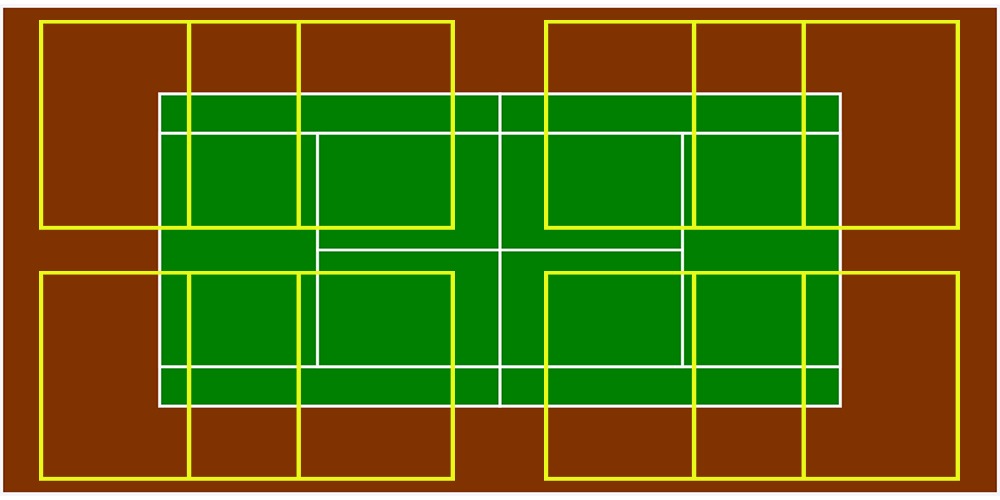
For facilities looking to maximize their space, multiple pickleball courts can fit on a single tennis court. The standard size of a tennis court allows for up to four pickleball courts. This configuration is useful for recreational sports facilities with high pickleball popularity.
To achieve this, the courts are placed side by side, allowing for efficient use of the tennis court’s width and length. Here’s a step-by-step guide:
- Mark the Courts: Divide the tennis court into four equal sections.
- Set Up Nets: Place temporary nets in each section.
- Ensure Space: Leave enough space between each court for player movement.
Here’s a visual representation of the multiple court configuration:
| Configuration | Number of Pickleball Courts | Notes |
|---|---|---|
| Single Tennis Court | 4 | Side by side layout |
Using this method, sports facilities can accommodate more players and host more games simultaneously. This approach to court conversion is practical and enhances the overall functionality of the space.
Whether setting up a single or multiple court configuration, understanding pickleball court layout and tennis court size ensures efficient planning and optimal use of space.
Space Utilization
Maximizing space is crucial for recreational sports. When converting tennis courts to pickleball courts, understanding space utilization is key. Tennis courts are larger than pickleball courts, so you can fit multiple pickleball courts on one tennis court. This conversion optimizes the use of existing sports facilities, promoting both sports without needing extra space.
Optimal Court Placement
Optimal court placement is essential for effective space utilization. Tennis and pickleball compatibility allows you to fit up to four pickleball courts on a single tennis court. This layout uses the space efficiently, ensuring players have enough room to play comfortably.
Here’s how you can place the courts:
- Place two pickleball courts side by side: Positioning two courts horizontally within the tennis court width.
- Place two more courts above them: Stack the remaining two courts vertically.
Here is a simple table showing the dimensions involved:
| Court Type | Dimensions (ft) |
|---|---|
| Tennis Court | 60 x 120 |
| Pickleball Court | 20 x 44 |
This arrangement ensures efficient court utilization while maintaining the necessary space for safe play. The smaller pickleball court dimensions fit well within the larger tennis court size, making this an ideal setup for multi-sport facilities.
Spacing Requirements
Spacing requirements are crucial for player safety and game integrity. According to pickleball regulations, each court needs a buffer zone for player movement. This zone ensures players have enough space to move without crossing into another court.
Here are the court spacing guidelines:
- Minimum of 10 feet between adjacent courts
- Safety buffer of at least 5 feet behind each baseline
- Side buffer of at least 3 feet on each side
Following these guidelines ensures a safe and enjoyable playing environment. The table below summarizes the necessary spacing:
| Buffer Zone | Recommended Space (ft) |
|---|---|
| Between Courts | 10 |
| Behind Baseline | 5 |
| Side Buffer | 3 |
Proper spacing in sports facility design enhances player experience and safety. By adhering to these guidelines, facilities can support recreational sports effectively. The transition from tennis to pickleball courts is seamless, ensuring that both sports can coexist in shared spaces. This approach maximizes the use of existing resources while promoting a diverse range of activities.
Conversion Techniques
Pickleball’s rising popularity has led many tennis enthusiasts to repurpose their tennis courts. Understanding how to convert a tennis court into multiple pickleball courts can save space and resources. This blog post explores various conversion techniques, ensuring that your recreational sports facilities can accommodate both sports efficiently.
Temporary Lines
Temporary lines offer a flexible solution for those who want to use their tennis court for both tennis and pickleball. This method uses removable or non-permanent markings to create pickleball courts over the existing tennis court surface.
Advantages of Temporary Lines:
- Flexibility to switch between sports
- Low cost and easy installation
- No permanent alterations needed
Materials for Temporary Lines:
- Chalk or tape: Easy to apply and remove
- Vinyl strips: Durable and reusable
- Portable nets: Can be set up and taken down quickly
Setting Up Temporary Lines:
- Measure the tennis court dimensions (78 feet by 36 feet)
- Mark four pickleball courts within the tennis court using chalk or tape
- Ensure each pickleball court measures 20 feet by 44 feet
- Place portable nets at the center of each pickleball court
Using temporary lines allows for a seamless transition between sports, catering to the diverse needs of recreational sports facilities.
Permanent Modifications
Permanent modifications involve altering the tennis court to create dedicated pickleball courts. This method is ideal for facilities focusing primarily on pickleball due to its growing popularity.
Advantages of Permanent Modifications:
- Dedicated pickleball courts without overlap
- Professional appearance and durability
- Enhanced player experience
Steps for Permanent Modifications:
- Remove existing tennis court markings
- Resurface the court if needed
- Apply permanent pickleball court dimensions and layout (20 feet by 44 feet per court)
- Install permanent nets and posts
Cost Considerations:
| Modification Type | Estimated Cost |
|---|---|
| Resurfacing | $4,000 – $8,000 |
| Permanent Markings | $500 – $1,500 |
| Nets and Posts | $500 – $1,000 |
Permanent modifications are suitable for facilities experiencing a significant increase in pickleball popularity, ensuring a top-notch experience for players.
Player Experience
Understanding how many pickleball courts fit on a tennis court is crucial for enhancing the player experience. The transition from a single tennis court to multiple pickleball courts allows for more people to enjoy the game simultaneously. This setup also provides a unique dynamic and playability factor that can impact the overall enjoyment and effectiveness of the sport. Let’s dive into the specifics of how this conversion affects the player experience.
Game Dynamics
When discussing game dynamics, the focus is on how the court conversion impacts the flow and style of play. A standard tennis court is larger than a pickleball court. This means that multiple pickleball courts can fit within the dimensions of a single tennis court.
A typical tennis court measures 78 feet by 36 feet. In contrast, a pickleball court is 44 feet by 20 feet. The court capacity of a tennis court, therefore, can accommodate up to four pickleball courts. This is done by dividing the playing area into smaller sections.
- Tennis Court Size: 78 feet x 36 feet
- Pickleball Dimensions: 44 feet x 20 feet
- Number of Pickleball Courts: Up to 4
These new dynamics change how players interact during the game. With more courts, more matches can occur simultaneously. This increases the social aspect and engagement of recreational sports. Players can enjoy shorter waiting times and more time on the court.
Playability Factors
The playability factors of pickleball courts within a tennis court involve several considerations. The court conversion process requires precise tennis court markings to ensure accurate pickleball court layout. Ensuring proper spacing and positioning is key to maintaining game integrity.
Here are some important factors to consider:
- Playing Area: Ensure each pickleball court has adequate space for movement.
- Game Setup: Properly mark the boundaries and net positions.
- Multi-Sport Facilities: Consider the needs of both tennis and pickleball players.
Each pickleball court within a tennis court should have at least 10 feet of clear space around it. This allows players to move freely without interference. Proper pickleball court layout ensures that the game setup is fair and enjoyable for all participants.
Additionally, the surface of the tennis court must be suitable for pickleball. This ensures consistent ball bounce and player safety. Maintaining the integrity of both sports within a single facility can be challenging but highly rewarding. This approach maximizes the use of available space and encourages a diverse range of recreational sports activities.
Benefits Of Dual Use
Transforming a tennis court into a multi-use sports area allows for more inclusive sports environments. This transformation can fit multiple pickleball courts within a single tennis court, enhancing community sports engagement. Dual-use sports facilities provide several benefits, such as increased accessibility and fostering community engagement.
Increased Accessibility
Converting a tennis court for multi-use sports can significantly increase accessibility for various sports enthusiasts. Tennis court size typically measures 78 feet by 36 feet for doubles, which allows space for more than one pickleball court dimension. A standard pickleball court measures 20 feet by 44 feet.
Here’s a table to demonstrate the layout:
| Tennis Court Size | Pickleball Court Dimensions | Number of Pickleball Courts |
|---|---|---|
| 78 feet x 36 feet | 20 feet x 44 feet | 2 courts |
This conversion allows more individuals to participate in sports, promoting recreational space utilization. Some key benefits include:
- Increased use of existing sports facilities
- More opportunities for people with different skill levels
- Lower costs for building new courts
Sports facility optimization through dual-use courts means more community members can engage in activities without needing separate spaces. This can be especially beneficial in urban areas where space is limited.
Community Engagement
Creating multi-use sports courts also fosters community sports engagement. When tennis courts are converted to accommodate pickleball, it opens up new avenues for social interaction and community building.
Pickleball popularity has been on the rise, and more people are looking for places to play. By converting tennis courts, communities can meet this demand without investing in new infrastructure. This approach supports athletic facility planning that includes diverse sports.
Benefits of increased community engagement through dual-use courts:
- Brings people of different ages and backgrounds together
- Encourages a healthy, active lifestyle
- Promotes social connections and teamwork
Residents can benefit from inclusive sports environments, as shared spaces often lead to new friendships and stronger community bonds. Tennis court conversion for pickleball use encourages more frequent and diverse use of local recreational areas.
By optimizing existing facilities, communities can enhance their recreational offerings without significant additional costs. This strategy supports a more inclusive approach to community sports, benefiting everyone involved.
Challenges Faced
Introduction paragraph about How Many Pickleball Courts Fit on a Tennis Court and Challenges Faced…
Court Maintenance
Maintaining a multi-sport facility can be complex. A tennis court is bigger than a pickleball court, leading to unique maintenance needs. Tennis court size is about 78 feet by 36 feet, while pickleball court dimensions are 20 feet by 44 feet. This difference means one tennis court can fit up to four pickleball courts. But managing this setup creates challenges.
Sports facility management must consider:
- Surface wear and tear: Tennis and pickleball have different impacts on the court surface. Tennis is more demanding due to larger player movement areas.
- Net adjustments: Switching between sports means changing net heights. Tennis nets are set at 3.5 feet, while pickleball nets are 3 feet high.
- Line markings: Multiple sports require distinct court lines. Regular repainting and accurate measurements are essential for ensuring compliance with pickleball rules and tennis regulations.
| Aspect | Tennis | Pickleball |
|---|---|---|
| Court Size | 78′ x 36′ | 20′ x 44′ |
| Net Height | 3.5′ | 3′ |
| Player Movement | Larger area | Smaller area |
Scheduling Conflicts
Another challenge in a multi-sport facility is scheduling conflicts. Tennis and pickleball are both popular recreational sports. Balancing court utilization is key. Different groups may want to play at the same time, leading to conflicts.
Considerations for sports facility management include:
- Peak hours: Both sports have peak times. Often in the evening or weekends. Managing time slots for each sport helps optimize court utilization.
- Reservations: Offering an online reservation system can help. Players can book their preferred times, reducing overlap and conflicts.
- Tournaments: Hosting events for both sports requires careful planning. Ensure enough courts are available for each event.
- Communication: Clear communication with players about court availability and schedules helps reduce misunderstandings.
Creating a fair court layout and schedule is crucial. It ensures both tennis and pickleball players have access to the facilities. Utilizing software for sports facility management can aid in organizing schedules and minimizing conflicts.
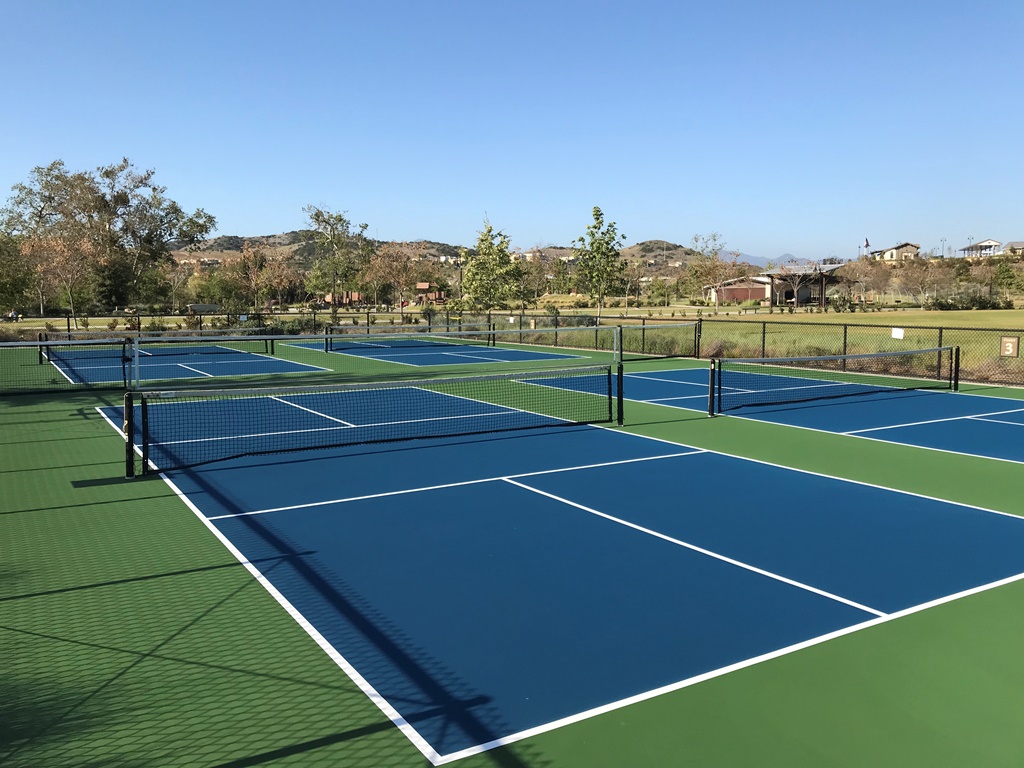
Credit: www.sportmaster.net
Future Trends
Pickleball is growing fast. Many wonder how many pickleball courts fit on a tennis court. Future trends show exciting changes. The sport is expanding. People are adapting tennis courts to fit more pickleball courts. Let’s explore these trends.
Growing Popularity
Pickleball’s popularity is growing. This trend impacts how spaces are used. A standard tennis court is 78 feet long and 36 feet wide. Pickleball courts are 44 feet long and 20 feet wide. Four pickleball courts can fit on one tennis court.
Communities are noticing this trend. They see the benefits of converting tennis courts. This change supports more players and activities. Here are some reasons for the growth:
- Pickleball is easy to learn.
- It’s a social sport.
- People of all ages can play.
Outdoor sports trends show more people playing recreational sports. Pickleball courts are popping up in parks and schools. This shift promotes community engagement. It also makes good use of existing spaces.
Let’s look at a comparison:
| Sport | Court Size | Players per Court |
|---|---|---|
| Tennis | 78 x 36 feet | 2-4 |
| Pickleball | 44 x 20 feet | 2-4 |
This trend highlights the pickleball popularity growth. More courts mean more players. Communities are adapting to meet this demand.
Innovative Designs
Innovative designs are shaping the future of sports courts. Multi-sport facilities are becoming common. These spaces adapt to different sports. Court design innovation is key. It maximizes the use of available space.
Modern designs allow quick changes between sports. One area can host tennis, pickleball, and other activities. This flexibility benefits everyone. Pickleball court dimensions fit well in these plans.
Here are some features of innovative court designs:
- Adjustable net systems.
- Multi-lined courts.
- Portable equipment.
These designs help with community engagement. People enjoy more sports options. It also promotes outdoor sports trends. Recreational sports are more accessible. People can play different sports in one place.
Pickleball regulations also influence designs. Courts must meet specific standards. This ensures fair play. It also helps with planning. Communities can create spaces that meet these rules.
Sports court comparison shows the benefits of these designs:
| Feature | Tennis Court | Multi-Sport Court |
|---|---|---|
| Usage | Tennis only | Tennis, Pickleball, more |
| Flexibility | Low | High |
| Community Engagement | Moderate | High |
Innovative designs enhance community spaces. They support various activities. This trend is shaping the future of recreational sports.
Credit: northstateresurfacing.com
Frequently Asked Questions
How Many Pickleball Courts Fit On A Tennis Court?
Typically, four pickleball courts can fit on one tennis court. This is possible by dividing the tennis court into two halves, with each half containing two pickleball courts placed side by side.
What Are The Dimensions Of A Pickleball Court?
A standard pickleball court measures 20 feet wide and 44 feet long. This size includes both the playing area and the non-volley zone, commonly called the “kitchen. “
Can You Play Pickleball On A Tennis Court?
Yes, you can play pickleball on a tennis court. By using portable pickleball nets and temporary boundary lines, a tennis court can be easily converted for pickleball play.
What Is The Difference Between Pickleball And Tennis Courts?
The primary difference is size. A pickleball court is smaller, measuring 20 feet by 44 feet. A tennis court is larger, measuring 60 feet by 120 feet. Additionally, the net height and non-volley zones differ between the two sports.
Conclusion
You now know how many pickleball courts fit on a tennis court. It’s clear that a standard tennis court can accommodate multiple pickleball courts. This setup allows for more players to enjoy the sport simultaneously. Remember, proper court markings ensure a great playing experience.
Try converting a tennis court in your area. Enjoy the fun and excitement of pickleball with friends and family. Happy playing!