
Pickleball has gained massive popularity recently. It’s a mix of tennis, badminton, and ping-pong.
Understanding pickleball terms is crucial if you’re new to the game or want to improve. Knowing the lingo can enhance your play and make it more enjoyable. This blog will introduce you to essential pickleball terms. By the end, you’ll speak and understand pickleball like a pro.
Let’s dive into the world of pickleball language and boost your game knowledge.

Credit: www.pinterest.com
Contents
Introduction To Pickleball
Pickleball is a fun and fast-paced sport. It combines elements of tennis, badminton, and ping-pong. The game is played on a small court with a paddle and a plastic ball. Pickleball is simple to learn, making it perfect for all ages and skill levels.
Brief History
Pickleball was invented in 1965. Three dads, Joel Pritchard, Bill Bell, and Barney McCallum, created it. They wanted to entertain their bored children. The game started on Bainbridge Island, near Seattle, Washington. They used a badminton court, lowered the net, and made paddles from plywood. The name “pickleball” came from the Pritchard’s dog, Pickles, who loved to chase the ball.
Why It’s Popular
Pickleball is popular for several reasons. It is easy to learn and play. The small court size means less running, which is great for older players. Pickleball is also very social. You can play with friends or meet new people at the courts. The game is affordable, too. You only need a paddle, a ball, and a court.
- Social aspect: Great way to meet new people.
- Easy to learn: Simple rules and quick to pick up.
- Low impact: Suitable for all ages.
- Affordable: Minimal equipment needed.
In summary, Pickleball is a fun, accessible, and social sport. Its history and growing popularity make it a favorite for many. Whether you are young or old, it is a game that everyone can enjoy.

Credit: www.amazon.com
Basic Equipment
Pickleball is a sport that mixes elements of tennis, badminton, and ping-pong. To play, you need the right equipment. Understanding the basic equipment will help you enjoy the game better.
Paddle Types
Pickleball paddles come in different materials. Wooden paddles are durable and budget-friendly. Composite paddles are lighter and offer better control. Graphite paddles are the lightest and most expensive. Choose a paddle that feels comfortable in your hand. The weight and grip size can affect your game.
Ball Characteristics
Pickleball balls have unique features. They are made of plastic and have holes. Indoor balls are lighter and have larger holes. They are easier to control but bounce less. Outdoor balls are heavier and have smaller holes. They are designed to handle wind and rough surfaces. The ball’s color can also impact visibility. Choose a bright color for better visibility.
Court Layout
Understanding the court layout is vital for every pickleball player. The court is where all the action happens. Knowing the dimensions and net specifications will help you play better.
Dimensions
The pickleball court is 20 feet wide and 44 feet long. These dimensions are the same for both singles and doubles matches. The court is divided into different sections:
- Baseline: The line at each end of the court.
- Sideline: The lines on each side of the court.
- Non-volley zone: The area 7 feet from the net on both sides.
The non-volley zone is also called the kitchen. Players cannot volley a ball while standing in this zone.
Net Specifications
The net divides the court into two halves. It is 36 inches high at the sidelines and 34 inches high in the middle. The net should be tightly stretched across the court. Here is a simple table for clarity:
| Measurement | Value |
|---|---|
| Net Height at Sideline | 36 inches |
| Net Height at Center | 34 inches |
The net should be made of mesh material. It should allow the ball to pass through easily if hit into it.
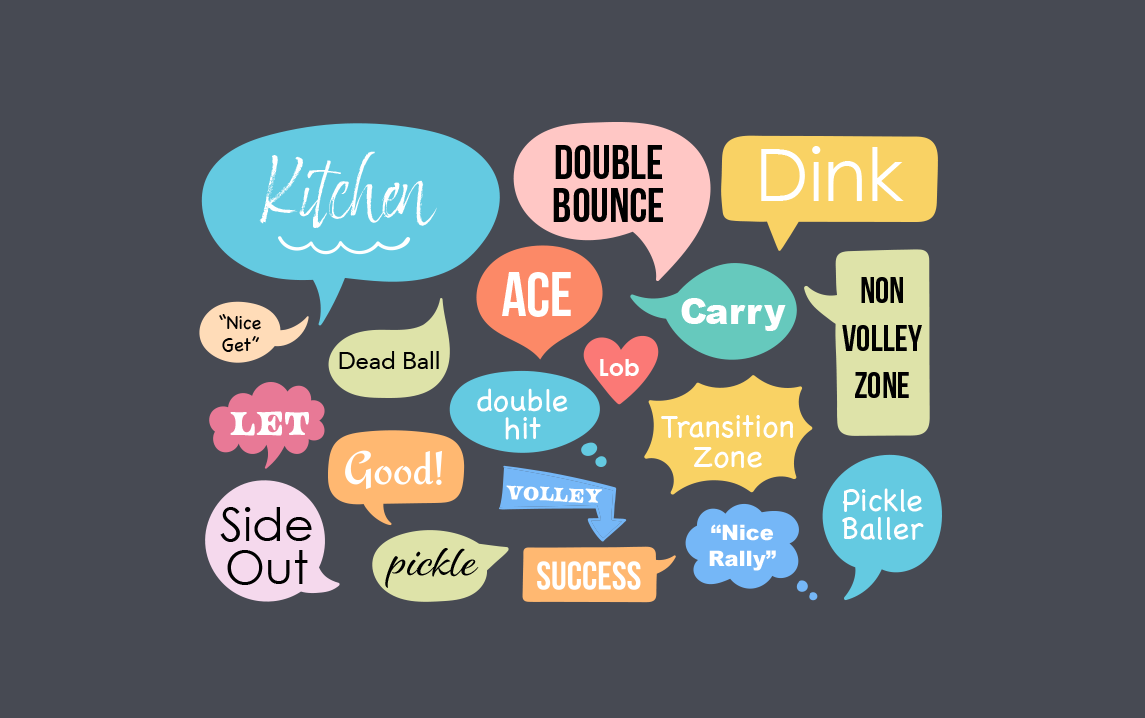
Credit: peppickleball.com
Serving Rules
Understanding the serving rules in pickleball is crucial for both beginners and seasoned players. A proper serve sets the tone for the entire game. Let’s delve into the key aspects of serving rules in pickleball.
Legal Serve
A legal serve in pickleball must follow specific guidelines. The server must have both feet behind the baseline. The ball must be hit underhand. The paddle must be below the waist at contact. The server must hit the ball diagonally across the court. The serve must land in the opposite diagonal court, within the boundaries.
Ensuring all these criteria helps maintain fair play and consistency in the game. A good serve gives the server an initial advantage. It also challenges the opponent right from the start.
Faults
Faults occur if the serve does not meet the required standards. A common fault is stepping over the baseline before hitting the ball. Another fault is hitting the ball above the waist. If the ball lands outside the service court, it is also a fault.
Double bouncing the ball before serving is not allowed. The server must hit the ball in one fluid motion. Ensuring these rules are followed keeps the game fair and competitive. Knowing the faults helps players avoid mistakes and improve their serving technique.
Scoring System
The scoring system in pickleball is unique and easy to grasp. Understanding it can enhance your enjoyment and performance in the game. This section will cover the points structure and winning criteria.
Points Structure
Points in pickleball can only be scored by the serving team. Each game starts at 0-0, often called “zero-zero-start.” The server calls the score before each serve. The score includes the serving team’s points, the receiving team’s points, and the server number.
Games are usually played to 11 points. The winning team must have at least a two-point lead. For instance, if the score is 10-10, play continues until one team achieves a two-point lead.
Winning Criteria
To win a game, a team must score 11 points with a two-point margin. If the score is tied at 10-10, the game continues until one team leads by two points. This ensures the game is fair and competitive.
Matches often consist of the best two out of three games. This means the first team to win two games wins the match. Each game follows the same scoring rules, ensuring consistency throughout the match.
Common Terms
Pickleball has its own unique set of terms. Understanding these terms can help you play better and enjoy the game more. This section will cover some of the most common terms you will encounter on the court.
Dink
A dink is a soft shot. It lands in the opponent’s non-volley zone. The goal is to make the ball hard to return. A good dink can change the pace of the game. It keeps your opponents guessing.
Volley
A volley is when you hit the ball before it bounces. This is done while you are at the net. Volleys can be fast and powerful. They often end the point quickly. Knowing how to volley well is key to winning points.
Advanced Techniques
Advanced techniques in pickleball can elevate your gameplay. These techniques require practice and precision. Mastering them can give you an edge over your opponents.
Spin Shots
Spin shots add a twist to your game. They make the ball curve. This can confuse your opponent. Use your wrist to create spin. Aim for their weaker side. This will make it harder for them to return the ball. Practice different spins like topspin and backspin. Each has its own advantages.
Drop Shots
Drop shots require finesse. They are soft and just clear the net. Drop shots make your opponent run forward. This can tire them out. Use them when your opponent is far back. The key is to use a gentle touch. Keep the ball low and slow. Practice makes perfect.
Game Etiquette
Game etiquette in pickleball is crucial. It ensures fair play and respect among players. Understanding the basic rules and manners can elevate your game experience. Let’s explore some key aspects of game etiquette in pickleball.
Sportsmanship
Sportsmanship is the cornerstone of any game. Always show respect to your opponents. Celebrate their good shots and acknowledge their efforts. Avoid arguing over line calls or points.
A handshake or a friendly tap of the paddle after a match shows good sportsmanship. It reinforces respect and camaraderie. A positive attitude on the court makes the game enjoyable for everyone.
Communication
Effective communication is vital in pickleball. Clearly call out scores before serving. This avoids confusion and keeps the game flowing smoothly.
If playing doubles, communicate with your partner. Let them know when you are taking a shot or if they need to cover a part of the court. Good communication can prevent collisions and improve teamwork.
Also, be polite and use respectful language. This sets a positive tone and helps maintain a friendly atmosphere on the court.
Frequently Asked Questions
What Is A Dink In Pickleball?
A dink in pickleball is a soft shot. It is executed from the non-volley zone. It lands in the opponent’s non-volley zone.
How Is A Pickleball Serve Performed?
A pickleball serve is performed underhand. The paddle contacts the ball below the waist. It must land in the diagonal service court.
What Is A Kitchen In Pickleball?
The kitchen in pickleball is the non-volley zone. It is a seven-foot area on both sides of the net. Players cannot volley from this zone.
What Does Volley Mean In Pickleball?
In pickleball, a volley is a shot. It is hit before the ball bounces. Volleys are usually hit near the net.
Conclusion
Understanding pickleball terms can boost your game. These terms are simple yet vital. They help in strategy and communication. Now, you can confidently join any game. Plus, you will grasp the basics quickly. Keep playing and learning. The more you play, the better you get.
Enjoy your time on the court!
