
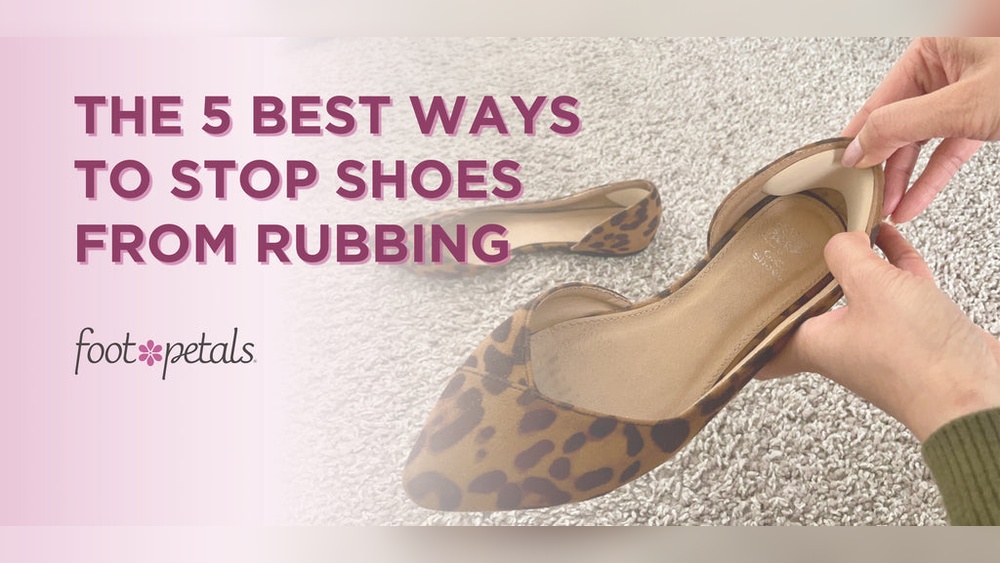
Are your shoes constantly digging into your heels and causing pain? It’s frustrating when your favorite footwear leaves you with blisters or sore spots.
You don’t have to suffer through discomfort every time you step out. Imagine walking confidently without that nagging irritation holding you back. You’ll discover simple, effective ways to stop shoes from hurting your heels—so you can enjoy every step you take.
Keep reading to find out how to make your shoes feel like they were made just for you.

Credit: www.reddit.com
Contents
Causes Of Heel Discomfort
Heel discomfort often starts with small issues in shoe fit and design. Understanding what causes shoes to dig into your heels helps you find better solutions. Several factors play a role, including how the shoe fits, its heel design, and the materials used.
Common Shoe Fit Issues
Shoes that are too tight or too loose cause heel pain. Tight shoes press hard on the heel, creating blisters or soreness. Loose shoes allow your foot to slide, causing friction. Wrong shoe size or shape often leads to discomfort.
Heel Design Factors
Some heel shapes and heights increase pressure on the heel area. Sharp or rigid heel counters dig into the skin. High heels push weight forward but can still cause heel pain. Poor heel padding reduces comfort and protection.
Material And Construction Impact
Hard or stiff materials irritate the heel skin. Lack of cushioning inside the shoe increases impact on the heel. Seams or rough stitching may rub and cause blisters. Flexible, soft materials help reduce heel discomfort.
Quick Fixes For Heel Pain
Heel pain from shoes digging into your skin can ruin your day. Quick fixes help ease the discomfort fast. These simple solutions improve comfort without needing new shoes. Keep your feet happy and pain-free with easy steps.
Using Heel Cushions
Heel cushions add soft padding inside shoes. They reduce pressure on your heels. Cushions come in gel, foam, or silicone forms. Place them at the back of your shoe. They stop friction and protect your skin. Cushions are affordable and easy to use.
Applying Moleskin Or Padding
Moleskin is a soft fabric with sticky backing. Cut a small piece and stick it where your shoe rubs. This creates a smooth barrier on your heel. It prevents blisters and soothes sore spots. Padding can also be added to straps for extra comfort.
Adjusting Shoe Laces And Straps
Loosen tight laces or straps to reduce heel pressure. Try different lacing patterns to release tension at the back. Use straps to hold your foot in place without squeezing. Proper adjustment stops shoes from digging into your skin. It improves fit and comfort quickly.
Choosing The Right Shoes
Choosing the right shoes is key to stopping them from digging into your heels. Shoes that fit well and support your feet prevent pain and blisters. This section covers how to pick shoes that keep your heels comfortable all day.
Proper Fit And Sizing Tips
Shoes must fit your feet perfectly. Measure your feet before buying shoes. Try shoes on later in the day when feet swell. Leave about a half-inch space between your longest toe and the shoe end. Avoid shoes that feel tight or pinch anywhere.
Heel Support Features To Look For
Strong heel support keeps your feet stable and stops slipping. Look for shoes with cushioned heel pads or collars. A firm heel counter helps lock your heel in place. Avoid shoes with soft or floppy heel backs. These cause rubbing and pain.
Best Materials For Comfort
Soft, flexible materials reduce pressure on your heels. Leather and mesh are good choices. They allow your feet to breathe and move naturally. Avoid stiff or rough materials that cause friction. Choose shoes with padded lining to add extra comfort.

Credit: footpetals.com
Breaking In New Shoes
Breaking in new shoes is key to stop them from digging into your heels. Shoes often feel stiff and tight at first. Softening them makes walking easier and pain-free. Taking time to break in shoes saves your feet from blisters and soreness.
Start by using gentle methods to make the shoes more flexible. Wear them for short periods to let your feet adjust. Moisture can help soften the material, making the fit more comfortable. These simple steps reduce pressure on your heels.
Effective Softening Techniques
Use a shoe stretcher to gently widen tight areas. Rub leather shoes with a leather conditioner. This makes the material softer and more pliable. For fabric shoes, try bending and twisting them by hand. Avoid harsh methods that can damage your shoes.
Wearing Shoes Gradually
Wear new shoes for short times at first. Start with 15 to 30 minutes indoors. Increase the time each day as the shoes loosen up. Use thick socks to protect your heels during the break-in. This method helps your feet get used to the fit.
Using Moisture To Ease Fit
Lightly dampen the inside of the shoes with a wet cloth. Wear the shoes while they dry on your feet. The moisture softens the material and shapes it to your heel. Avoid soaking the shoes, as too much water can ruin them.
Long-term Comfort Strategies
Long-term comfort is key to stopping shoes from digging into your heels. Small fixes help, but lasting solutions keep feet pain-free every day. Focus on ways to support your feet and protect your skin. Smart choices help your shoes fit better and feel softer.
Custom Insoles And Orthotics
Custom insoles shape to your feet. They add extra cushioning where you need it most. Orthotics correct foot alignment, reducing pressure on your heels. Both options improve shoe fit and comfort. Visit a podiatrist to get the right type for your feet.
Foot Care And Maintenance
Healthy feet feel better in shoes. Keep your skin soft with regular moisturizing. Remove dead skin gently to avoid rough patches. Trim nails properly to prevent discomfort. Check your feet often for blisters or redness. Clean and dry feet reduce irritation inside shoes.
When To Replace Shoes
Old shoes lose their shape and support. Worn-out heels cause rubbing and pain. Replace shoes after 300-500 miles of use or when they look damaged. New shoes provide fresh cushioning and prevent heel chafing. Regularly check your shoes to keep feet happy and healthy.

Credit: footpetals.com
Frequently Asked Questions
How Can I Prevent Shoes From Digging Into My Heels?
Use cushioned heel pads or silicone inserts to reduce friction. Ensure your shoes fit well and avoid tight laces. Break in new shoes gradually to soften them before full use.
What Home Remedies Soothe Heel Pain From Shoes?
Apply ice to reduce swelling and inflammation. Use aloe vera gel or coconut oil for soothing relief. Wear soft, padded socks to cushion your heels.
Are Heel Grips Effective For Stopping Shoe Discomfort?
Yes, heel grips create a barrier that prevents slipping and friction. They improve shoe fit and reduce heel pain. Choose grips made from gel or foam for best comfort.
How Does Shoe Fit Impact Heel Digging Issues?
Poorly fitting shoes, especially loose or tight ones, cause heel rubbing. Properly fitted shoes distribute pressure evenly, preventing discomfort. Always measure feet and try shoes on both feet.
Conclusion
Preventing shoes from digging into your heels is easy with these tips. Choose shoes that fit well and use cushioned inserts for comfort. Adjust straps or laces to stop rubbing. Break shoes in slowly to avoid pain. Softening stiff areas helps too.
These small steps keep your feet happy all day. Enjoy wearing shoes without discomfort or blisters. Take care of your feet; they carry you everywhere. Simple changes make a big difference in comfort. Your heels will thank you.
