
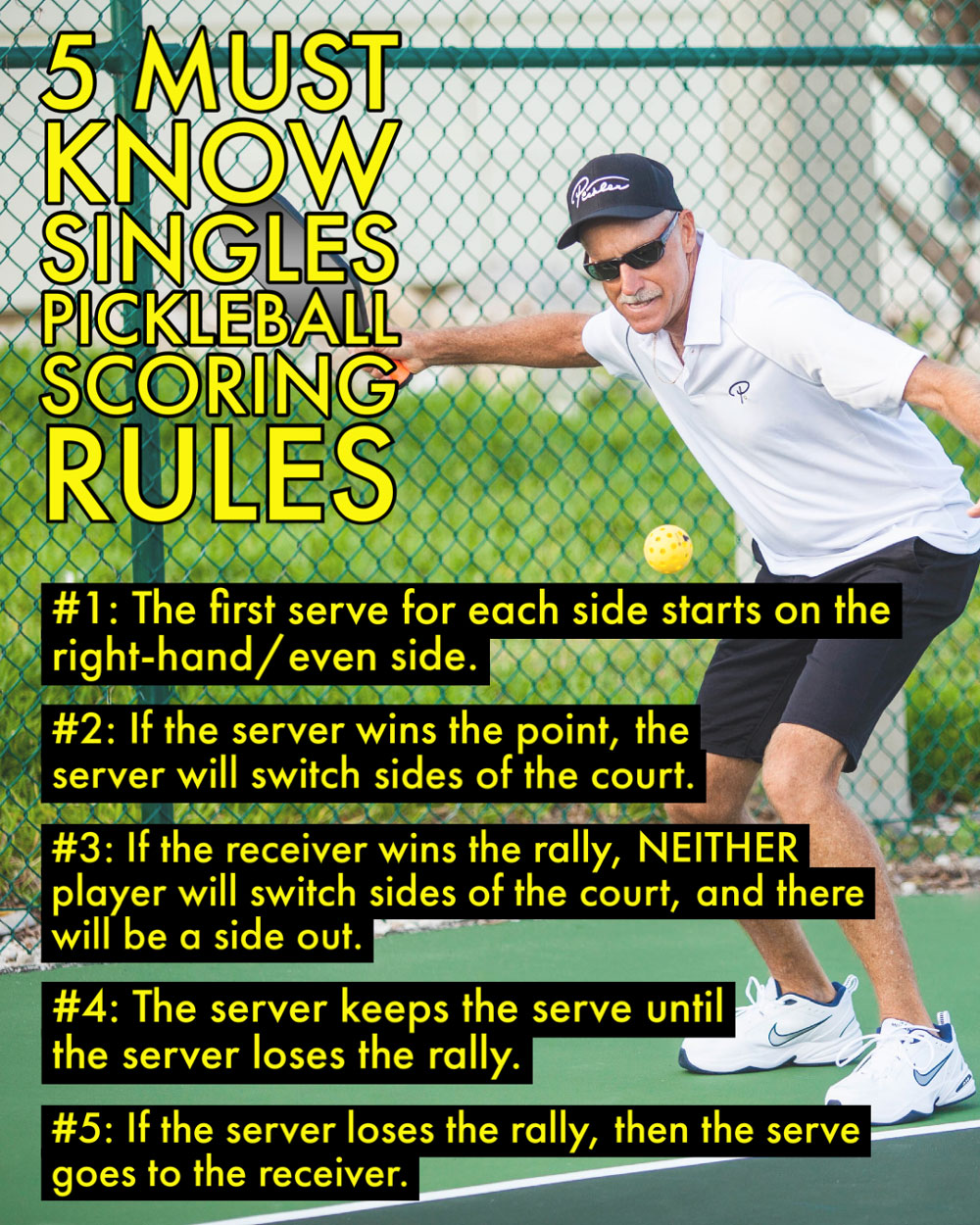
Singles pickleball is a fast-paced, exciting sport. It combines elements of tennis, badminton, and ping-pong.
Learning how to play singles pickleball can be both fun and rewarding. Singles pickleball requires agility, strategy, and quick reflexes. Unlike doubles, singles is more about individual skill and endurance. This sport is gaining popularity for its simplicity and the health benefits it offers.
Whether you’re new to the game or looking to improve your skills, understanding the basics is key. In this guide, we will explore the essential rules, techniques, and tips to help you get started. By the end, you will be ready to hit the court with confidence and enjoy the thrill of singles pickleball.
Contents
- 1 Introduction To Singles Pickleball
- 2 Essential Equipment
- 3 Court Layout And Rules
- 4 Serving Techniques
- 5 Mastering Groundstrokes
- 6 Net Play Strategies
- 7 Developing A Winning Strategy
- 8 Physical Conditioning And Training
- 9 Mental Game And Focus
- 10 Advanced Techniques And Tips
- 11 Common Mistakes And How To Avoid Them
- 12 Resources For Continued Learning
- 13 Frequently Asked Questions
- 14 Conclusion
Introduction To Singles Pickleball
Singles pickleball is a thrilling and fast-paced game. It offers a unique challenge compared to doubles. Playing singles requires agility, precision, and strategic thinking. This game is perfect for those who enjoy one-on-one competition. In this section, we will explore the basics of singles pickleball and how it differs from doubles.
Basics Of The Game
In singles pickleball, each player stands on opposite sides of the net. The game starts with a serve. The server must hit the ball diagonally across the court. Points are scored only by the serving player. The game continues until one player reaches 11 points. There must be a two-point lead to win. Players switch sides after each game. This ensures fairness in case of wind or other factors.
Differences From Doubles
Singles pickleball has some key differences from doubles. In singles, there are only two players on the court. This means more ground to cover for each player. The strategies used in singles can vary greatly. Players must rely more on speed and accuracy. Positioning is crucial in singles. There is no partner to back you up. The game tends to be faster and more physically demanding. Overall, singles pickleball offers a different but exciting experience.
Essential Equipment
Playing singles pickleball can be thrilling and challenging. To excel, having the right equipment is crucial. This section covers the essential equipment you need to play singles pickleball effectively. Let’s dive into the details.
Choosing The Right Paddle
The paddle is a key piece of equipment in pickleball. Choosing the right paddle can greatly impact your game. Here are a few tips:
- Weight: A lighter paddle offers more control, while a heavier one provides more power.
- Material: Paddles come in composite, graphite, and wood. Composite and graphite paddles are popular due to their light weight and durability.
- Grip Size: A comfortable grip size is essential. Measure your hand to find the right fit.
A good paddle can enhance your performance. Choose wisely.
Importance Of Proper Footwear
Proper footwear is essential in pickleball. It provides support, stability, and comfort. Here’s what to consider:
- Support: Shoes with good arch support prevent injuries.
- Traction: Non-marking soles provide the best grip on the court.
- Comfort: Cushioned insoles reduce fatigue during long matches.
Wearing the right shoes can make a big difference. Invest in quality footwear.
| Feature | Benefit |
|---|---|
| Lightweight Paddle | Enhanced control and quicker reactions |
| Composite Material | Durability and better performance |
| Proper Grip Size | Comfort and less strain on the hand |
| Arch Support Shoes | Prevents injuries and provides comfort |
| Non-Marking Soles | Better traction and court safety |
| Cushioned Insoles | Reduced fatigue and increased comfort |
Court Layout And Rules
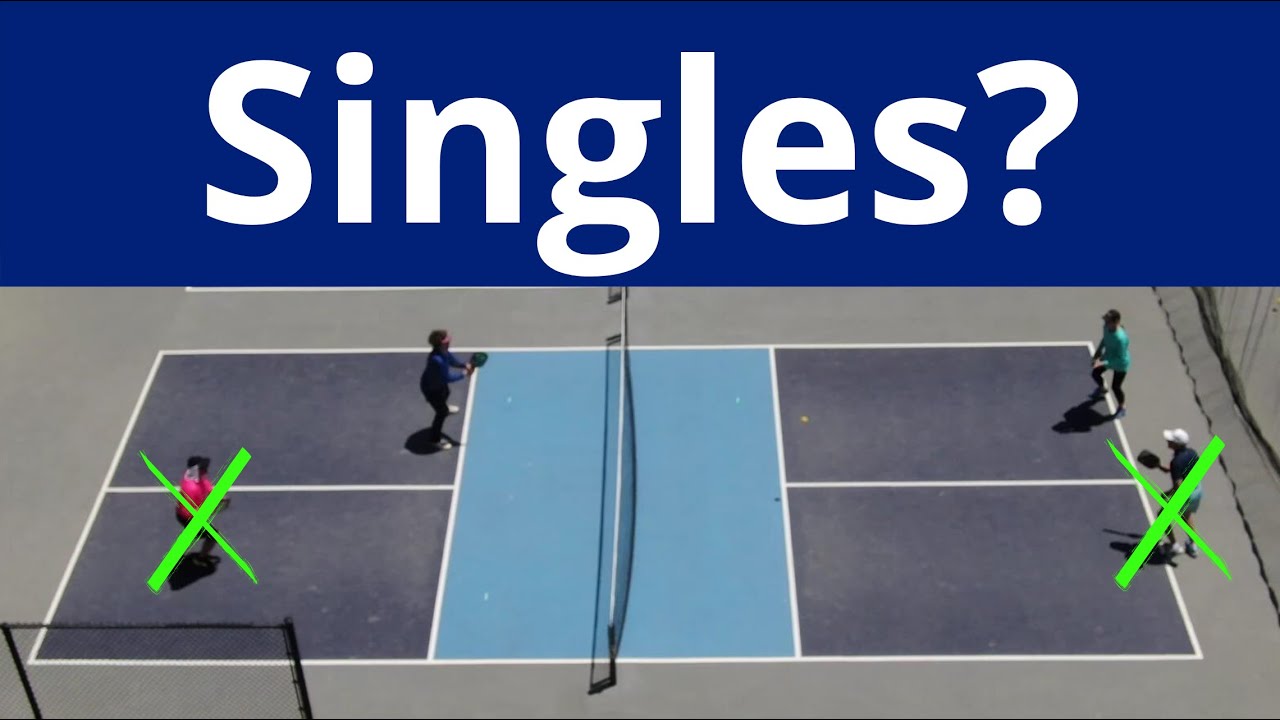
Singles Pickleball is fun and challenging. Understanding the court layout and rules is essential for success. This guide will help you grasp the basics of the court and key rules in singles pickleball.
Understanding The Court
A pickleball court is similar to a badminton court in size. The dimensions are 20 feet wide and 44 feet long. The court is divided into two halves by a net, which is 36 inches high at the sidelines and 34 inches high in the middle.
Key areas on the court include:
- Non-Volley Zone: Also known as the “kitchen,” this area extends 7 feet from the net on both sides.
- Service Courts: These are the two rectangular areas on either side of the net, each measuring 10 feet by 15 feet.
- Baseline: The line at the back of the court, 22 feet from the net.
Key Rules To Know
Understanding the rules is vital for enjoying singles pickleball. Here are some key rules:
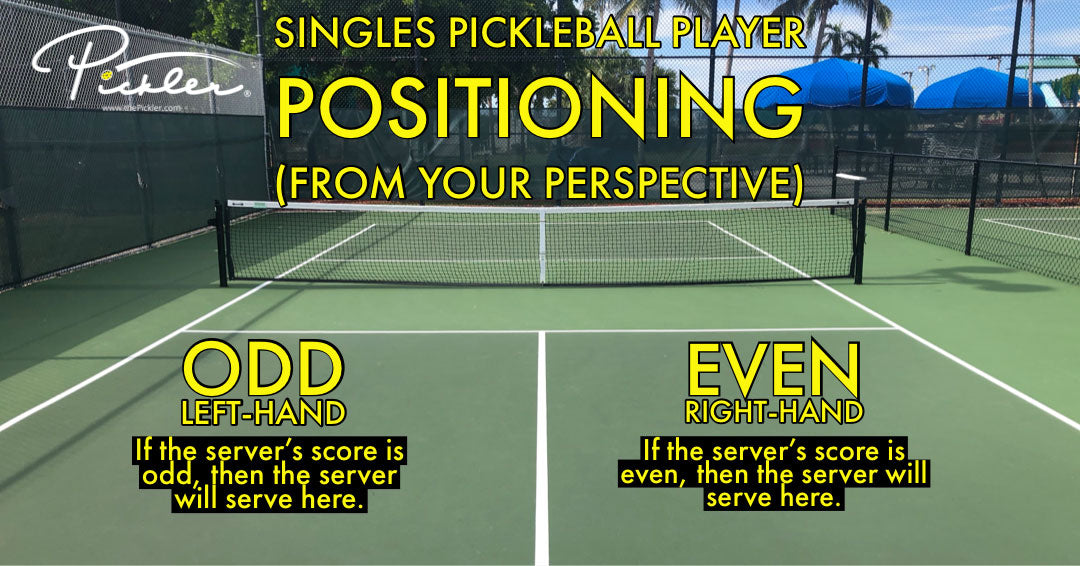
- Serving: The serve must be underhand. The server stands behind the baseline and hits the ball diagonally into the opponent’s service court.
- Double Bounce Rule: The ball must bounce once on each side before players can volley it (hit it out of the air).
- No Volley Zone: Players cannot volley the ball while standing in the “kitchen.” They must wait for the ball to bounce if they are inside this zone.
- Scoring: Points are scored only by the serving player. Games are usually played to 11 points, and a player must win by 2 points.
- Faults: A fault occurs when the ball lands out of bounds, the ball does not clear the net, or a player steps into the non-volley zone and volleys the ball.
By knowing these key rules and understanding the court layout, you are ready to enjoy singles pickleball.
Credit: www.youtube.com
Serving Techniques
Serving is a crucial part of singles pickleball. A good serve sets the tone for the game. It can put your opponent on the defensive right away. Let’s explore the best serving techniques for singles pickleball.
Types Of Serves
There are several types of serves in pickleball. The most common is the underhand serve. It’s easy to learn and effective. Another type is the topspin serve. This serve adds a spin to the ball, making it hard to return. The third type is the lob serve. It sends the ball high and deep into the opponent’s court. Each serve has its own advantages. Choose the one that fits your style.
Effective Serve Strategies
Effective serving can give you an edge. First, aim for your opponent’s weak side. This makes it hard for them to return the ball. Next, vary your serves. Mix up the speed and spin. This keeps your opponent guessing. Also, keep your serves deep. Deep serves limit your opponent’s options. Finally, practice consistency. A reliable serve wins games.
Mastering Groundstrokes
Groundstrokes are the backbone of singles pickleball. They are the shots made after the ball bounces on the court. Mastering these strokes helps keep the ball in play and puts pressure on your opponent. This section will cover essential techniques for both forehand and backhand groundstrokes.
Forehand Techniques
The forehand is often the most powerful shot in pickleball. To hit a solid forehand:
- Stand sideways to the net with your feet shoulder-width apart.
- Hold the paddle with a firm but relaxed grip.
- As the ball approaches, rotate your shoulders and bring the paddle back.
- Step into the shot with your front foot.
- Make contact with the ball in front of your body.
- Follow through with a smooth motion, finishing high.
Practice these steps regularly to improve your forehand groundstrokes. Consistency is key. Focus on making clean contact with the ball.
Backhand Techniques
The backhand shot can be more challenging but is just as important. To execute an effective backhand:
- Stand sideways to the net with your feet shoulder-width apart.
- Hold the paddle with a firm but relaxed grip.
- Rotate your shoulders and bring the paddle back across your body.
- Step into the shot with your front foot.
- Make contact with the ball in front of your body.
- Follow through with a smooth motion, finishing high.
Practicing these steps will make your backhand more reliable. Remember to keep your eyes on the ball throughout the shot.

Credit: www.youtube.com
Net Play Strategies
In singles pickleball, mastering net play can give you a significant advantage. The strategies involved in net play can turn the tide of a match. Focus on two key aspects: Approaching the Net and Executing Volleys.
Approaching The Net
Approaching the net requires timing and precision. You must move forward after a well-placed shot. This ensures your opponent is on the defensive.
Keep these tips in mind:
- Observe your opponent’s position.
- Hit a deep shot to push them back.
- Move to the net quickly.
- Stay balanced and ready.
Being at the net puts you in control. You can then execute volleys with greater ease.
Executing Volleys
A volley is a shot hit before the ball bounces. Executing volleys effectively requires practice and technique.
Here are some key points to consider:
- Keep your paddle up and ready.
- Use a short and controlled swing.
- Focus on placement over power.
- Aim for your opponent’s feet.
Practicing these skills will make you a better player at the net. This can lead to more points and, ultimately, more wins.
Developing A Winning Strategy
Developing a winning strategy in singles pickleball can elevate your game. It’s not just about hitting the ball; it’s about outsmarting your opponent. You need to think ahead, plan your moves, and stay flexible. Let’s dive into the key areas that can help you craft a solid strategy.
Analyzing Opponents
Understanding your opponent is crucial. Observe their play style and patterns. Do they prefer their backhand or forehand? Notice their weak spots. This can give you an edge.
Pay attention to their positioning. Are they quick to the net? Or do they hang back? This helps you decide where to place your shots. Keep watching and learning throughout the match.
Adapting Your Game Plan
Flexibility is key in singles pickleball. Start with a basic strategy, but be ready to change it. If your opponent adapts, you should too. Staying unpredictable can keep them off balance.
Mix up your shots. Use both power and placement. Hit deep, then drop a shot short. This variety keeps your opponent guessing. Stay alert and adjust based on what’s working.
Remember, a good strategy is dynamic. Keep refining it as you play. This approach can lead you to success on the court.
Credit: thepickler.com
Physical Conditioning And Training
Physical conditioning and training are key to excelling in singles pickleball. Proper conditioning helps you stay agile, strong, and ready for long matches. It involves strength training, agility exercises, and endurance workouts. This section will cover essential exercises to enhance your performance on the court.
Strength And Agility Exercises
Strength and agility are crucial for success in singles pickleball. Focus on exercises like squats and lunges. These build lower body strength. Include push-ups and planks to strengthen your core and upper body. Agility drills are important too. Ladder drills, cone drills, and side shuffles improve your quickness and coordination. Practicing these exercises consistently will boost your game.
Endurance Training
Endurance training keeps you active and competitive throughout the match. Start with simple activities like jogging or brisk walking. Gradually increase the intensity. Include interval training in your routine. Alternate between high-intensity bursts and low-intensity recovery. This mimics the stop-and-go nature of pickleball. Cycling and swimming are also great for endurance. They provide full-body workouts and reduce the risk of injury.
Mental Game And Focus
Playing singles pickleball is not just about physical skills. The mental game and focus are just as important. Staying concentrated and handling pressure can make a big difference in your performance.
Staying Concentrated
Concentration is key in singles pickleball. Keep your mind on the game. Avoid distractions. Focus on the ball and your opponent’s movements. Short-term goals can help. Aim for one point at a time. This keeps you in the moment.
Here are some tips to maintain concentration:
- Take deep breaths between serves.
- Visualize your next shot.
- Avoid overthinking past mistakes.
Handling Pressure
Singles pickleball can be intense. Handling pressure well is crucial. Stay calm during high-stress points. Pressure can cause mistakes. Develop a routine to stay cool.
Consider these strategies:
- Practice under pressure conditions.
- Use positive self-talk. Remind yourself of past successes.
- Keep your body language positive. Even if you’re behind.
Managing pressure and staying focused can help you win more games. Your mental game is just as important as your physical skills.
Advanced Techniques And Tips
Playing singles pickleball requires mastering advanced techniques and strategies. To gain an edge over your opponent, focus on spin, placement, and footwork. These elements can significantly impact your game and improve your performance.
Spin And Placement
Spin adds a new dimension to your shots. Use topspin to make the ball bounce higher and faster. Backspin can slow the ball down and make it drop quickly. Sidespin can curve the ball, making it harder for your opponent to predict its path. Combine spin with precise placement for maximum effect. Aim for the corners or near the sidelines. Keep your opponent moving and off balance.
Advanced Footwork
Good footwork is crucial in singles pickleball. Stay light on your feet. Move quickly and efficiently. Use small, quick steps to adjust your position. Anticipate your opponent’s shots. Position yourself where you can reach the ball easily. Practice side-to-side shuffling. Maintain a low center of gravity. This helps you stay balanced and ready to react. Proper footwork can give you a significant advantage.
Common Mistakes And How To Avoid Them
Playing singles pickleball can be challenging. Many players make common mistakes that affect their game. Knowing these mistakes can help you improve your skills. This section will cover the main areas to watch out for. Learn how to play better and win more matches.
Technique Errors
One common mistake is poor footwork. Good footwork is crucial for positioning. You need to move quickly and efficiently. Practice drills to improve your movement.
Another technique error is an inconsistent serve. A strong serve can set the tone of the game. Spend time practicing different types of serves. This will make you more versatile on the court.
Improper paddle grip is also a common issue. A correct grip ensures better control and power. Hold the paddle firmly but not too tight. Experiment with grips until you find what works best for you.
Strategic Mistakes
Many players lack a clear game plan. Always have a strategy before starting the game. Know your strengths and weaknesses. Use them to your advantage.
Another strategic mistake is playing too defensively. Aggressive play can catch your opponent off guard. Mix your shots to keep your opponent guessing.
Forgetting to analyze your opponent is another mistake. Observe their playing style and adjust your strategy. This can give you a significant edge in the game.
Resources For Continued Learning
Learning singles pickleball can be a fun journey. The right resources can help you improve your skills. This section will cover some essential resources to continue your learning. Below, you will find useful books, videos, and tips on joining a community. These resources will help you play better and enjoy the game more.
Books And Videos
Books about singles pickleball can offer great insights. They often cover strategies, techniques, and tips from experts. Some popular titles include “Pickleball: The Complete Guide” and “The Art of Pickleball.” These books can help you understand the game better and improve your skills.
Watching videos is another excellent way to learn. Many experts share their knowledge through online tutorials. YouTube channels like “Pickleball Channel” and “PrimeTime Pickleball” offer valuable content. These videos can show you techniques, drills, and match play. Watching them can give you a better understanding of singles pickleball.
Joining A Community
Joining a pickleball community can be very beneficial. Being part of a group allows you to learn from others. You can find local clubs or groups through social media or websites like Meetup. Playing with others can help you practice and improve faster.
Online forums and groups are also a great resource. Websites like PickleballCentral and Reddit have active communities. These platforms allow you to ask questions, share tips, and connect with fellow players. Joining a community can make learning singles pickleball more enjoyable and effective.
Frequently Asked Questions
What Are The Basic Rules For Singles Pickleball?
In singles pickleball, each player serves diagonally and must keep score. The game is played to 11 points.
How Do You Serve In Singles Pickleball?
To serve, stand behind the baseline and hit the ball underhand. The serve must be diagonal.
What Is The Non-volley Zone In Singles Pickleball?
The non-volley zone, or kitchen, is the area near the net where volleys are not allowed.
How Do You Score Points In Singles Pickleball?
You score points only on your serve. Games are typically played to 11 points, win by 2.
Conclusion
Playing singles pickleball is fun and rewarding. Focus on your positioning and shots. Practice regularly to improve your skills. Remember to stay active and enjoy the game. Watching other players can provide useful tips. Always warm up before playing to prevent injuries.
With these steps, you’ll become a better pickleball player. So, grab your paddle and hit the court! Keep learning and have a great time playing.
