

Passing is a crucial skill in volleyball. Improving it can enhance your game significantly.
In volleyball, passing is the foundation for setting up successful plays. Whether you’re a beginner or a seasoned player, refining your passing skills is essential for your overall performance. Consistent and accurate passing ensures that your team can execute effective attacks.
This means fewer errors and more points scored. Understanding the techniques and practicing regularly will help you get better at passing. In this blog post, we’ll explore key tips and drills that can elevate your passing game. From positioning to hand placement, these insights will guide you to become a more reliable player on the court. Let’s get started on your journey to better passing in volleyball!
Contents
Importance Of Passing
Passing in volleyball is crucial. It sets the stage for the entire play. A well-executed pass can turn defense into offense. Players often overlook this skill, focusing on more glamorous aspects of the game. Yet, without strong passing, a team’s chances of winning drop significantly.
Foundation Of The Game
Passing is the foundation of volleyball. Every point starts with a pass. If the pass is accurate, it allows for a smooth transition. The setter can then set up the hitter effectively. A bad pass disrupts the flow. The team may struggle to recover, leading to lost points.
Team Dynamics
Good passing enhances team dynamics. It builds trust among players. Teammates can rely on each other. This trust fosters better communication. Players can anticipate each other’s moves. The team becomes more cohesive. A well-coordinated team is a formidable opponent.
Proper Passing Technique
Passing is a crucial skill in volleyball. Proper technique helps you control the ball. It also supports your team in setting up successful plays.
Hand Positioning
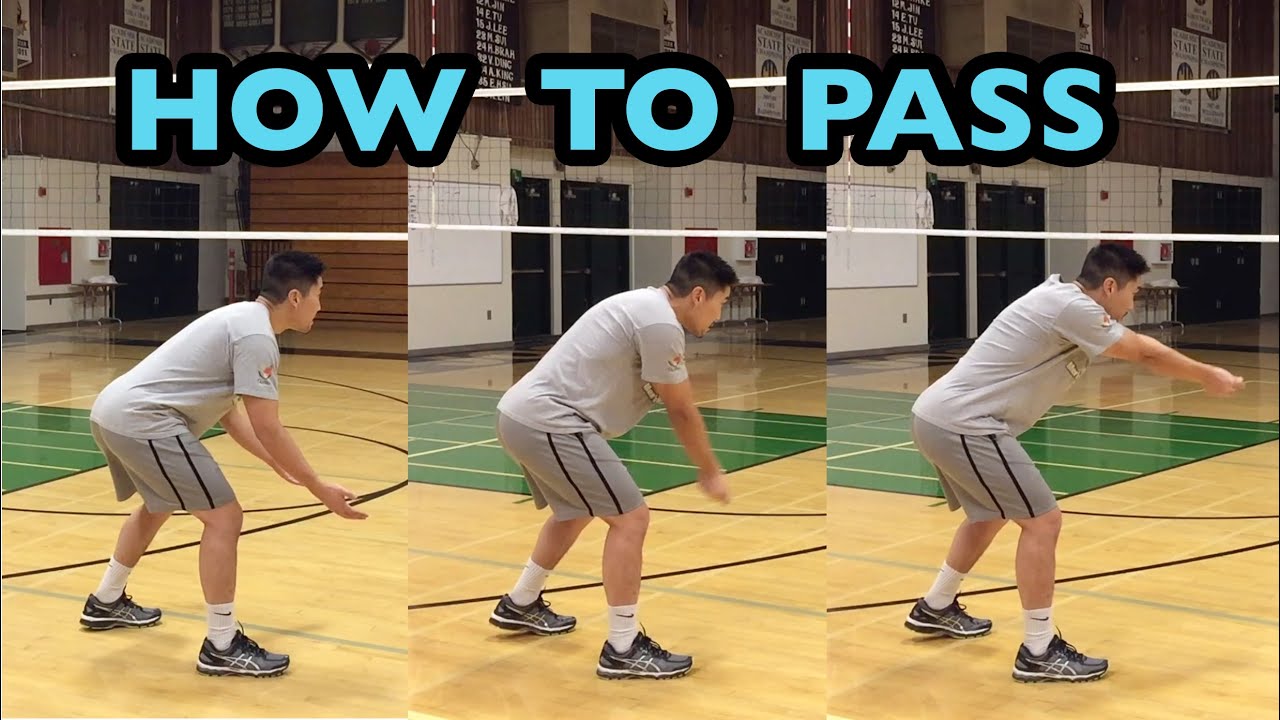
Focus on your hands. Keep your fingers together. Your thumbs should point down. This creates a flat surface. The ball should hit your forearms. Avoid using your palms.
Maintain a straight line from your wrists to your elbows. This ensures better control. Your hands should not move separately. They must act as one unit.
Body Posture
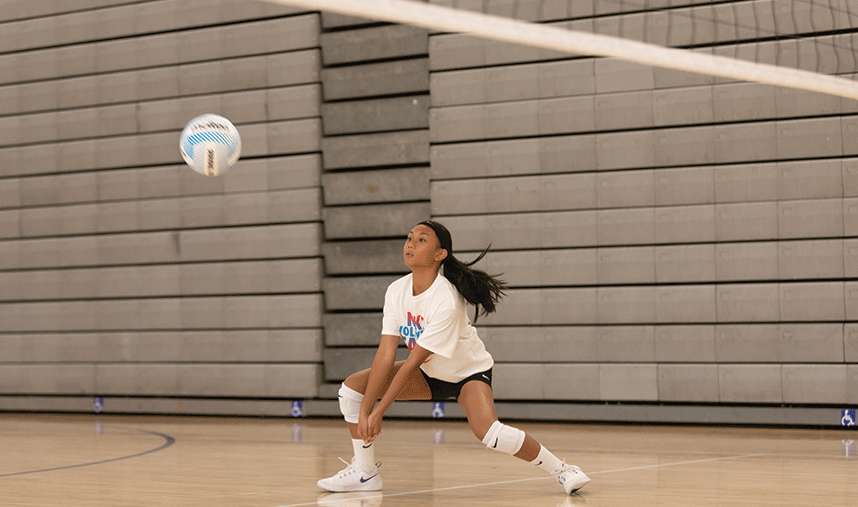
Stand with your feet shoulder-width apart. Bend your knees slightly. This gives you balance. Lean forward from your hips. Keep your back straight. Your weight should be on the balls of your feet.
Keep your eyes on the ball. Track its movement. Be ready to adjust your position. Your shoulders should face your target. This helps direct the ball accurately.
Developing Ball Control
Developing ball control is crucial for improving your passing skills in volleyball. Good ball control ensures accurate passes to your teammates. This skill requires practice and focus on specific techniques. Let’s dive into two important aspects: soft touch and consistent contact.
Soft Touch
A soft touch helps you manage the ball better. It reduces the chances of the ball bouncing away. To develop a soft touch, practice using your fingertips. This gives you more control and precision. Keep your hands relaxed, not tense. Imagine you are catching an egg. This mindset helps you stay gentle and smooth.
Consistent Contact
Consistent contact with the ball is key. Your contact point should be the same every time. This builds muscle memory and improves accuracy. Focus on using the same part of your hands. Whether it’s your forearms or fingers, be consistent. Practice passing drills to enhance this skill. Repetition will make your contact more reliable.
Credit: m.youtube.com
Effective Communication
Effective communication is essential for better passing in volleyball. Good communication ensures teammates work together seamlessly. It helps avoid errors and increases the chances of winning. Without proper communication, players may collide or miss the ball. There are two main types of communication in volleyball: verbal and non-verbal. Both are crucial for a successful game.
Calling The Ball
Calling the ball is a key verbal communication skill in volleyball. Players should loudly and clearly call “mine” when going for the ball. This prevents confusion among teammates. Consistent calling builds trust and improves team coordination. Each player knows their role and area on the court. This reduces the risk of errors and improves overall performance.
Non-verbal Cues
Non-verbal cues are also important in volleyball. Players use body language and hand signals to communicate. Eye contact with teammates can signal readiness or intent. Hand signals can indicate play strategies or positions. Good non-verbal communication helps in noisy environments where verbal communication may fail. It creates a silent understanding between players and improves teamwork.
Essential Passing Drills
Passing is a crucial skill in volleyball. Perfecting your passing technique requires consistent practice. Essential passing drills help improve your accuracy, control, and confidence. Here, we will explore some fundamental drills that are vital for anyone aiming to get better at passing in volleyball.
Partner Passing
Partner passing is a basic yet effective drill. Start by standing a few feet apart from your partner. Focus on passing the ball back and forth using a proper platform. Aim for smooth, controlled passes. Gradually increase the distance between you and your partner. This will help improve your control and consistency. Communication is key. Call for the ball to enhance teamwork and coordination.
Wall Drills
Wall drills are excellent for solo practice. Stand facing a wall and pass the ball against it. Aim to maintain a steady rhythm. The wall will return the ball at different angles. This helps improve your reflexes and reaction time. Focus on using your legs and keeping a strong platform. Vary your distance from the wall to challenge yourself. This drill enhances your accuracy and consistency in passing.
Improving Reaction Time
When it comes to volleyball, having quick reaction times can make a world of difference. Imagine a powerful spike coming your way – you need to react in a split second to make that perfect pass. Enhancing your reaction time not only helps in these high-pressure moments but also improves your overall game performance. Let’s delve into some practical ways to enhance your reaction time in volleyball.
Quick Reflex Exercises
One of the best ways to improve your reaction time is through quick reflex exercises. Reflexes are like muscles; the more you train them, the better they get. Here are a few exercises that can help:
- Bouncing Ball Drill: Stand with a partner and throw a tennis ball to each other. Try to catch the ball with one hand to enhance your hand-eye coordination.
- Wall Ball: Stand close to a wall and throw a ball against it. Try to catch it as it bounces back. The unpredictability of the bounce will sharpen your reflexes.
- Shuttle Runs: Set up cones or markers and practice running between them as quickly as you can. Change directions frequently to simulate the quick movements needed in a game.
Anticipation Training
Anticipation is about predicting what will happen next and preparing for it. This skill is crucial in volleyball, where the game moves quickly and unpredictably. Here are some techniques to boost your anticipation skills:
- Watch the Game: Spend time watching volleyball matches. Pay attention to players’ movements and how they react to different plays.
- Read the Opponent: During practice, focus on reading your opponent’s body language. Notice their positioning and movements to predict where the ball might go.
- Simulated Drills: Work with your coach to set up drills that mimic game scenarios. The more you practice these, the better you’ll get at anticipating plays during actual matches.
By incorporating these exercises and techniques into your training routine, you’ll find yourself reacting faster and more effectively on the court. Remember, improving reaction time takes practice and patience, but the payoff is well worth it. So, why not start today?
Building Strength And Stamina
Are you looking to improve your volleyball passing skills? Building strength and stamina is key to not just passing better, but also boosting your overall game performance. Whether you’re a beginner or looking to up your game, focusing on core workouts and endurance training will provide you with the edge you need. Let’s dive into these essential aspects.
Core Workouts
The core is the powerhouse of your body. A strong core helps you maintain balance, control, and precision while passing. Here are some simple yet effective core workouts:
- Plank: Hold the plank position for 30 seconds to 1 minute. This exercise strengthens your abs and back.
- Bicycle Crunches: Lie on your back, lift your legs, and perform a cycling motion with your legs while touching your opposite elbow to your knee. Aim for 20 reps per side.
- Russian Twists: Sit on the floor with your knees bent, lean back slightly, and twist your torso from side to side while holding a weight or a ball. Do 3 sets of 15 twists each.
Endurance Training
Endurance training is about building the stamina needed to keep your energy levels high throughout the game. Here are some endurance-building exercises:
- Running: Incorporate jogging and sprinting intervals into your routine. Try running for 30 minutes, alternating between 2 minutes of jogging and 1 minute of sprinting.
- Jump Rope: Skipping rope is a fantastic way to improve cardiovascular endurance. Start with 5 minutes and gradually increase your time.
- High-Intensity Interval Training (HIIT): Perform short bursts of intense exercise followed by brief rest periods. For example, 20 seconds of burpees followed by 10 seconds of rest, repeated for 10 minutes.
Integrating these workouts into your routine will significantly improve your strength and stamina, making you a better passer in volleyball. Remember, consistency is key. You won’t see results overnight, but with regular practice, you will notice a remarkable improvement in your game.
So, are you ready to elevate your volleyball skills? Get started with these exercises and watch your performance soar!

Credit: www.youtube.com
Mental Preparation
Passing in volleyball isn’t just about physical prowess; it’s a mental game too. Mental preparation is key to refining your passing skills. This involves focusing techniques, building confidence, and maintaining a positive mindset. Let’s explore how you can mentally prepare to excel at passing in volleyball.
Focus Techniques
Staying focused during a game can be challenging, but it’s crucial for effective passing. Here are some techniques to help you stay in the moment:
- Visualization: Picture yourself successfully passing the ball. Imagine the feel of the ball and the perfect pass. This can prepare your mind and body for the real thing.
- Breathing Exercises: Deep, controlled breaths can calm your nerves and sharpen your focus. Before the game, take a few moments to breathe deeply and center yourself.
- Mindfulness: Being fully present in the moment can significantly improve your focus. Try mindfulness exercises to keep distractions at bay and stay in the game.
Confidence Building
Confidence is a game-changer in volleyball. When you believe in your abilities, it shows in your performance. Here are ways to build confidence:
- Practice, Practice, Practice: The more you practice passing, the more confident you’ll become. Repetition builds muscle memory and boosts your self-assurance.
- Positive Self-Talk: Replace negative thoughts with positive affirmations. Remind yourself of your skills and past successes. A little self-encouragement goes a long way.
- Set Small Goals: Achieving small, manageable goals can build your confidence over time. Celebrate each success, no matter how minor it may seem.
Remember, volleyball is as much a mental game as it is a physical one. By focusing your mind and building your confidence, you can improve your passing skills and become a valuable player on your team. So, take a deep breath, visualize your success, and get ready to pass like a pro!
Credit: www.ussportscamps.com
Frequently Asked Questions
How To Get Good At Passing In Volleyball?
Practice regularly with a focus on technique. Maintain a low stance and keep your arms steady. Watch the ball closely. Communicate with teammates effectively. Seek feedback and adjust accordingly.
Why Am I So Bad At Passing Volleyball?
You might be struggling with passing volleyball due to lack of practice, poor technique, or weak hand-eye coordination. Focus on improving these areas for better performance.
How Can I Improve My Passing?
Practice regularly, focus on technique, and maintain strong body positioning. Work on accuracy, speed, and timing. Watch professional players and learn from their techniques.
What Is The 3 Pass Rule In Volleyball?
The 3 pass rule in volleyball involves three touches: pass, set, and attack. Each team uses these touches before returning the ball.
Conclusion
Improving your volleyball passing takes practice and patience. Focus on proper technique. Consistently work on your footwork and hand positioning. Communication with teammates is key. Watch videos to learn from the best players. Keep practicing and stay dedicated. Over time, you will see progress.
Remember, every great player started as a beginner. Enjoy the journey and have fun. Practice regularly and you’ll get better at passing in volleyball. Happy playing!
