
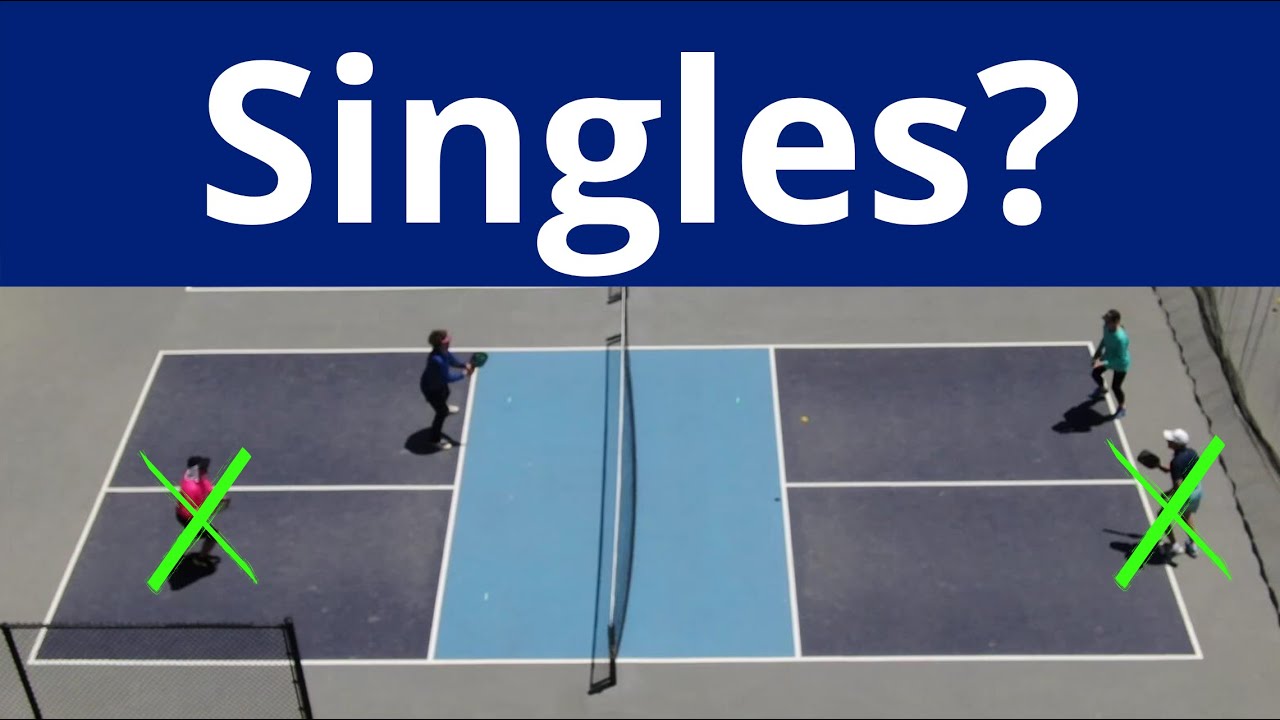
Yes, you can play pickleball singles. It’s similar to doubles but with a few differences.
Singles pickleball is a fun and challenging way to enjoy the game. It offers a faster pace and more intense workout compared to doubles. Whether you are a beginner or a seasoned player, singles pickleball can improve your skills and stamina.
In this blog post, we will explore the rules, strategies, and tips for playing singles pickleball. Get ready to dive into the exciting world of pickleball singles and discover why it’s gaining popularity among players of all levels.
Contents
Introduction To Pickleball Singles
Pickleball is a unique sport that combines elements of tennis, badminton, and ping-pong. It can be played in both doubles and singles formats. While doubles is more common, singles pickleball offers a different set of challenges and rewards. This section will delve into the history and recent popularity surge of pickleball singles.
Brief History
Pickleball was invented in 1965 by Joel Pritchard, Bill Bell, and Barney McCallum. They created the game to entertain their families during the summer. Initially, it was a backyard game using makeshift equipment. Over the years, pickleball evolved, gaining structured rules and official equipment.
Singles pickleball emerged as players sought more intense and personalized gameplay. The smaller court and unique paddle create a fast-paced, strategic game. Despite its simplicity, pickleball singles requires agility and quick reflexes.
Popularity Surge
In recent years, pickleball’s popularity has soared, particularly in North America. According to the Sports & Fitness Industry Association, pickleball participation grew by nearly 21% from 2019 to 2020. This surge includes both doubles and singles formats.
Several factors contribute to this rise. The game is easy to learn, making it accessible to all ages. It also offers a good workout without being overly strenuous. As more people discover pickleball, the demand for singles matches has increased.
Local clubs and national organizations now host singles tournaments. These events attract players looking for competitive and social opportunities. The growth of online communities and instructional videos also help new players improve their skills and find matches.
Basic Rules Of Singles Pickleball
Playing pickleball singles offers a unique challenge. The rules for singles pickleball are simple but important to understand. This section will guide you through the basic rules, focusing on court dimensions and the scoring system.
Court Dimensions
The court dimensions for singles pickleball are the same as for doubles. The court measures 20 feet wide and 44 feet long. The net divides the court in half, standing at 36 inches high at the sidelines and 34 inches high in the middle. Each side of the court has a non-volley zone, also known as the kitchen. This zone extends 7 feet from the net on both sides. The remaining area is divided into two service courts, left and right.
Scoring System
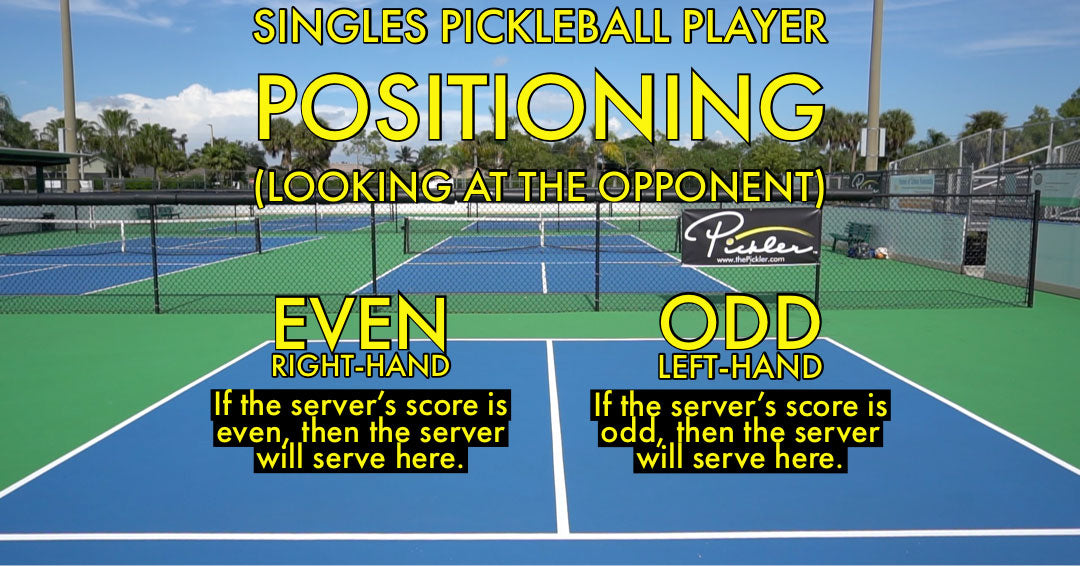
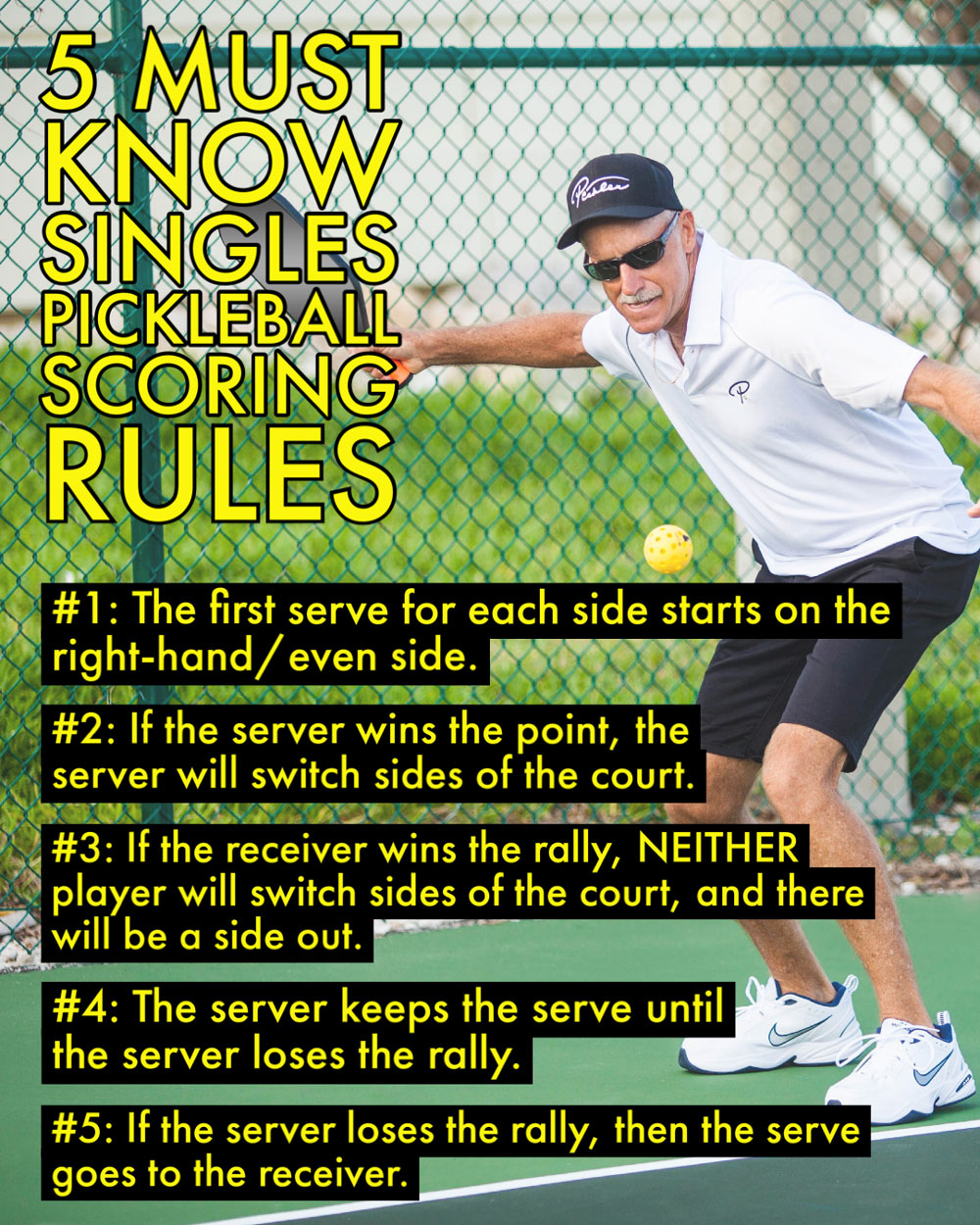
In singles pickleball, only the server can score points. The game is usually played to 11 points, and a player must win by 2 points. The server starts on the right side of the court. If the server wins the point, they switch sides and serve again. If the server loses the point, the opponent gets the serve. Keeping track of the score is easy. Call out the server’s score first, then the receiver’s score. For example, if the server has 3 points and the receiver has 2, the score is called “3-2”.
Essential Equipment
Playing pickleball singles requires the right equipment. The right gear can impact your performance and enjoyment. Let’s explore the essential equipment needed for pickleball singles.
Paddle Types
The paddle is the most crucial piece of equipment in pickleball. There are different types of paddles available. Wooden paddles are affordable and durable. They are heavier, making them less suitable for quick reactions. Composite paddles are lighter and offer better control. They have a mix of materials, providing a balance between power and control. Graphite paddles are the lightest and most expensive. They provide excellent control and are preferred by many players.
Ball Specifications
Pickleball balls come in two main types: indoor and outdoor. Indoor balls are lighter and have larger holes. They provide better control and are easier to spin. Outdoor balls are heavier and have smaller holes. They are designed to withstand wind and rough surfaces. Choosing the right ball depends on where you play. Always check the ball’s specifications for the best performance.
Credit: thepickler.com
Serving Techniques
When playing pickleball singles, mastering serving techniques is crucial. A good serve can help you gain an advantage. Proper stance and serve variations can make a huge difference in your game.
Proper Stance
The correct stance is the foundation of a good serve. Stand with your feet shoulder-width apart. Place your non-dominant foot forward. Keep your knees slightly bent. Hold the paddle in your dominant hand. Your body should be relaxed yet ready to move.
Position your body sideways to the net. Keep your eyes on the ball. This stance helps you stay balanced. It also allows you to generate more power in your serve.
Serve Variations
Different serve types can surprise your opponent. Here are some key serve variations:
- Topspin Serve: This serve adds a forward spin to the ball. It makes the ball bounce higher and faster.
- Slice Serve: This serve adds a side spin. The ball curves to the side, making it tricky for your opponent.
- Lob Serve: This serve goes high and deep. It forces your opponent to move back and gives you time to get ready.
- Power Serve: This is a fast and strong serve. It aims to overpower your opponent with speed.
Each serve type has its own advantages. Practicing these variations will help you become a more versatile player.
Effective Strategies
Playing pickleball singles is both fun and challenging. It needs agility, quick thinking, and smart planning. Below are some effective strategies to improve your game. Let’s dive into key areas like court positioning and shot selection.
Court Positioning
Proper court positioning is crucial in singles pickleball. Stay near the centerline. This positioning allows you to cover both sides of the court easily. Always be ready to move quickly. Your stance should be light and balanced.
Use the following tips to improve your court positioning:
- Stay Centered: Position yourself close to the middle.
- Ready Stance: Keep your knees slightly bent.
- Watch the Ball: Focus on the opponent’s paddle.
Shot Selection
Choosing the right shot at the right time can change the game. Mix your shots to keep your opponent guessing. Use drives, dinks, and lobs effectively. A good mix of shots keeps your opponent on their toes.
Consider these shot selection tips:
- Drive: Use powerful shots to push your opponent back.
- Dink: Soft shots that barely clear the net.
- Lob: High shots to move your opponent away from the net.
Remember, each shot has its place. Use them wisely based on your opponent’s position and weaknesses.
Credit: thepickler.com
Improving Footwork
Playing pickleball singles requires more than just good hand-eye coordination. Footwork plays a crucial role. Good footwork helps you cover the court better and reach the ball quicker. This section will cover some drills and exercises to enhance your footwork. It also highlights common mistakes to avoid.
Drills And Exercises
Practicing specific drills can significantly improve your footwork. Here are a few to try:
- Side Shuffles: Stand at the center of the court. Shuffle to one side, touch the line, and return to the center. Repeat on the other side.
- Ladder Drills: Use an agility ladder for quick, precise steps. Move through the ladder as fast as you can without stepping on the rungs.
- Split Step: Just before your opponent hits the ball, perform a small hop. This prepares you to move in any direction quickly.
Common Mistakes
Improving footwork also involves avoiding common mistakes. Here are some to watch out for:
- Standing Flat-Footed: Always stay on the balls of your feet. This helps in quick movements.
- Crossing Feet: Avoid crossing your feet when moving. This slows you down and affects balance.
- Not Returning to Center: After each shot, return to the center of the court. This prepares you for the next shot.
By focusing on these drills and avoiding common mistakes, you can significantly enhance your footwork. This will improve your overall performance in pickleball singles.
Mental Toughness
Mental toughness is a crucial skill for playing pickleball singles. It helps players stay focused, manage pressure, and maintain a positive attitude throughout the game. Developing mental strength can give you an edge over your opponent and improve your overall performance on the court.
Focus And Concentration
Focus and concentration are key in pickleball singles. Every shot and movement requires your full attention. Distractions can lead to mistakes and lost points. Train your mind to block out external noise and stay present in the game. Practice mindfulness techniques to improve your concentration. Visualize your shots and plan your strategies before each point.
Handling Pressure
Handling pressure is essential in pickleball singles. Close matches and high-stakes points can test your nerves. Learn to stay calm and composed under pressure. Deep breathing exercises can help you relax and maintain control. Focus on your strengths and trust your skills. Remember, every player feels pressure; it’s how you handle it that sets you apart.
Advanced Tips For Competitive Play
Pickleball is more than just fun. It can also be very competitive. Playing singles requires skill, strategy, and consistency. To elevate your game, you need to focus on various aspects. This section shares advanced tips for competitive play. These tips will help you improve and outplay your opponents.
Analyzing Opponents
One key to winning in singles is understanding your opponent. Watch their movements closely. Observe their strengths and weaknesses. Do they favor a particular side? Do they have trouble with certain shots? Use this information to plan your strategy. Exploit their weaknesses. Keep them on their toes. This way, you can control the game.
Consistent Practice
Practice is essential for success in pickleball singles. Regular practice helps you refine your skills. Focus on your footwork, strokes, and serves. Practice different shots and angles. Consistency is crucial. Make sure every practice session has a goal. Measure your progress. Adjust your training as needed.
Consistency in practice leads to consistency in matches. You will feel more confident and prepared. This will give you a competitive edge. Stay dedicated to your practice routine. Improvement will follow.
Common Mistakes To Avoid
Playing singles in pickleball can be challenging. Even experienced players make mistakes. Knowing common errors helps improve your game. Avoid these mistakes to enhance your performance on the court.
Unforced Errors
Unforced errors often occur during a match. These mistakes happen without pressure from the opponent. They include:
- Hitting the ball out of bounds
- Failing to clear the net
- Double faults on serves
To reduce unforced errors, focus on accuracy. Practice consistent, controlled shots. Don’t rush. Take your time to set up each shot.
Poor Shot Choices
Poor shot choices can cost points. They include:
- Attempting low-percentage shots
- Playing too aggressively
- Ignoring the opponent’s positioning
Consider these tips to improve shot selection:
- Assess the situation before each shot
- Aim for high-percentage targets
- Use strategic placement over power
Evaluate your opponent’s weaknesses. Exploit them with smart shot choices. Stay patient. Wait for the right opportunity to attack.

Credit: www.youtube.com
Frequently Asked Questions
Can You Play Pickleball Singles?
Yes, you can play pickleball singles. The game follows similar rules to doubles, but with a smaller court. It’s a fast-paced and intense version of the game, making it great for improving skills and fitness.
What Are The Pickleball Singles Rules?
In singles, each player serves diagonally and alternates sides after each point. The game is played to 11 points, and you must win by 2 points. The court dimensions and equipment are the same as doubles.
How To Improve In Singles Pickleball?
To improve, practice footwork, focus on accuracy, and maintain a strategic mindset. Consistent practice, drills, and playing with diverse opponents can also help enhance your skills and performance in singles pickleball.
What Are The Benefits Of Singles Pickleball?
Singles pickleball offers a great workout, improving cardiovascular health and agility. It also helps to sharpen skills, enhance focus, and increase overall fitness. Additionally, it provides an opportunity for intense, competitive play.
Conclusion
Playing pickleball singles offers a fun and challenging experience. It improves your skills and keeps you active. Singles pickleball requires quick reflexes and strategic thinking. Anyone can enjoy this sport, regardless of age. Try it out on your next visit to the court.
You might find yourself loving the intensity and excitement. Remember to practice regularly for the best results. Grab your paddle, and start playing today. Enjoy the thrill of singles pickleball.
