
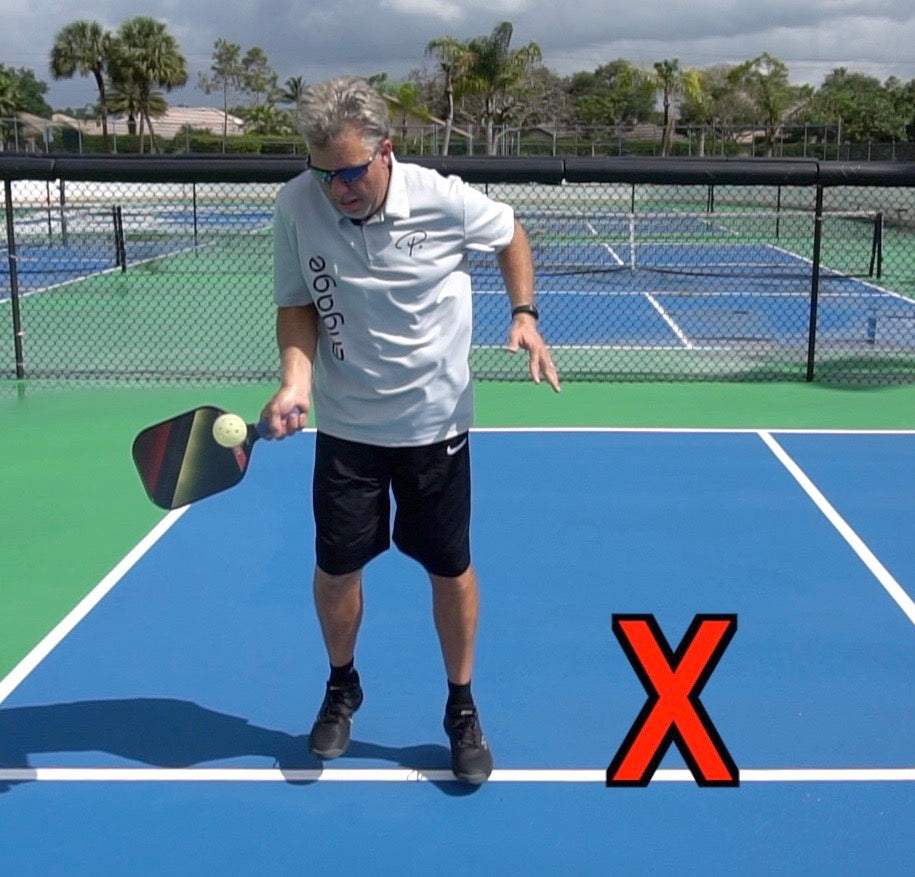
No, you cannot jump and land in the kitchen in pickleball. According to the rules, players cannot volley or step into the kitchen unless the ball has bounced.
Pickleball is a fast-paced, fun sport that combines elements of tennis, badminton, and ping-pong. One of its unique aspects is the “kitchen” or non-volley zone. This area, close to the net, has special rules that players must follow. The kitchen rule is designed to keep the game fair and challenging.
Understanding these rules is important for both beginners and seasoned players. This blog post will explain why you cannot jump and land in the kitchen, and how this rule impacts your play strategy. Let’s dive into the details to improve your pickleball skills.

Credit: www.paddletek.com
Contents
Introduction To Pickleball
Pickleball is a fun and fast-paced sport combining elements of tennis, badminton, and ping-pong. It’s played with a paddle and a plastic ball with holes. The game can be enjoyed by people of all ages and skill levels. Let’s dive into the fascinating world of pickleball.
Brief History
Pickleball was created in 1965 on Bainbridge Island, Washington. Three dads—Joel Pritchard, Bill Bell, and Barney McCallum—wanted to entertain their bored children. They improvised with ping-pong paddles and a perforated plastic ball. The sport quickly grew in popularity and spread across the United States.
Basic Rules
The game is played on a court similar to a doubles badminton court. The net is set at 36 inches at the ends and 34 inches in the middle. Here’s a brief overview of the basic rules:
- Serving: The serve must be underhand and hit diagonally to the opponent’s service court.
- Scoring: Points can only be scored by the serving team. The game is typically played to 11 points, and a team must win by 2 points.
- Double Bounce Rule: After the serve, each team must let the ball bounce once before volleys are allowed.
- Non-Volley Zone: Players cannot volley (hit the ball in the air) while standing in the non-volley zone, also known as the “kitchen,” which extends 7 feet from the net on each side.
Understanding these basic rules is crucial for enjoying the game. Remember, practice makes perfect.
Court Layout
The court layout in pickleball plays a crucial role in understanding the game. Knowing the dimensions and key areas helps players strategize better. This section will focus on the essential aspects of the court layout.
Dimensions
The standard pickleball court is 20 feet wide and 44 feet long. This size is consistent for both singles and doubles play. The net divides the court into two equal halves, standing 36 inches high at the sidelines and 34 inches high at the center.
Below is a table summarizing the key dimensions:
| Feature | Measurement |
|---|---|
| Court Width | 20 feet |
| Court Length | 44 feet |
| Net Height (Sidelines) | 36 inches |
| Net Height (Center) | 34 inches |
Key Areas
The court has several key areas. Understanding these areas is vital for gameplay.
- Baseline: The line at the back of the court, 22 feet from the net.
- Sidelines: The lines on the sides of the court, 20 feet apart.
- Non-Volley Zone: Also known as the kitchen, extends 7 feet from the net on both sides. Players cannot volley while standing in this zone.
- Service Areas: The court is divided into left and right service areas. These areas are used for serving and receiving.
Below is a simple diagram of the court layout:
Court Layout
--------------------
|                  |
|    Service       |
|    Area          |
|                  |
|----Net----       |
|                  |
|    Kitchen       |
|                  |
--------------------
Understanding the court layout improves game strategy. Familiarity with dimensions and key areas helps players make better decisions on the court.
The Kitchen In Pickleball
Pickleball is a fun and engaging sport that has grown in popularity. One unique aspect of the game is the kitchen, a special area on the court. Understanding the rules of the kitchen can improve your game and make it more enjoyable.
Definition
The kitchen, also known as the non-volley zone, is a marked area. It extends seven feet from the net on both sides of the court. Players cannot volley the ball while standing in this area. This means you can’t hit the ball in the air before it bounces.
Importance
The kitchen rule ensures fair play and adds strategy to the game. It prevents players from dominating the net area, making the game more challenging. Staying out of the kitchen when volleying keeps the game dynamic and exciting. Knowing the kitchen rule helps you avoid faults and play better.
Rules Of The Kitchen
Pickleball is a fun and fast-paced game. One of its unique areas is the “Kitchen” or the no-volley zone. Understanding the rules of the Kitchen is crucial. It can make the difference between winning and losing.
No-volley Zone
The Kitchen is a seven-foot area on both sides of the net. Players cannot volley the ball while standing in this zone. A volley means hitting the ball before it bounces.
Standing outside the Kitchen, you can volley. Your feet must not touch the Kitchen line. If you do, it is a fault. This rule keeps the game fair and prevents easy smashes.
Entry And Exit
Players can enter the Kitchen at any time. They can stand in it, move around, and hit balls that have bounced. But they must be careful when exiting the Kitchen.
After hitting a ball that has bounced, you must leave the Kitchen. You should not stay inside to wait for the next volley. This keeps the game dynamic and exciting.
In summary, the Kitchen rules are simple. No volleys allowed inside. Enter and exit wisely. Mastering these rules will enhance your game. Enjoy your time on the court!
Jumping Into The Kitchen
Pickleball players often ask if they can jump and land in the kitchen area. The kitchen, or non-volley zone, has specific rules that make this question interesting. Understanding these rules can enhance your gameplay and strategy. Let’s explore the details of jumping into the kitchen.
Allowed Actions
Certain actions are allowed while playing near the kitchen. You can enter the kitchen to hit a ball that has bounced. This is a common and strategic move.
Here are some actions you can do:
- Enter the kitchen after the ball bounces.
- Jump over the kitchen without touching it.
- Return to the court after playing a shot in the kitchen.
Prohibited Actions
Prohibited actions in the kitchen area can lead to faults. Knowing these can prevent penalties and improve your game.
Avoid these actions:
- Volleying while inside the kitchen.
- Touching the kitchen line during a volley.
- Jumping and landing in the kitchen while volleying.
These rules maintain fair play and add a strategic element to the game. Following them will help you avoid faults and stay competitive.

Credit: www.paddletek.com
Landing In The Kitchen
Landing in the Kitchen during a pickleball game can be a tricky move. The kitchen, also known as the non-volley zone, is a crucial area on the court. Understanding the rules about landing in the kitchen is essential for players.
When It’s Permissible
Landing in the kitchen is permissible under certain conditions. A player can only step into the kitchen after the ball has bounced. This means you must wait for the ball to hit the ground before entering the kitchen area. If you jump and land in the kitchen before the ball bounces, it will be considered a fault.
Here are some key points to remember:
- Wait for the ball to bounce before entering the kitchen.
- Always avoid making contact with the ball while in the air above the kitchen.
- Only step into the kitchen when you intend to return a ball that has bounced.
Common Mistakes
Players often make mistakes related to the kitchen rules. These mistakes can cost points and lead to frustrations. Here are some common errors:
- Stepping into the kitchen too early: Many players step into the kitchen before the ball bounces. This is a common fault and results in losing the point.
- Hitting the ball while in the air: Some players hit the ball while jumping over the kitchen. This is not allowed and counts as a fault.
- Not understanding the rules: New players often misunderstand the kitchen rules. They must learn the rules to avoid unnecessary faults.
To avoid these mistakes, practice patience and awareness on the court. Focus on your footwork and timing to ensure you only enter the kitchen when it is legal to do so.
Strategies Involving The Kitchen
Strategies involving the kitchen in pickleball are essential for success. The kitchen, or non-volley zone, plays a key role in both offensive and defensive maneuvers. Understanding how to navigate this area can give you an edge over your opponents. By using the right strategies, you can control the pace of the game and gain a competitive advantage.
Offensive Strategies
Aggressive play in the kitchen can put pressure on your opponents. One effective tactic is to aim for their feet. This makes it hard for them to return the ball with accuracy. Quick volleys also work well. Keep your shots low and fast. This limits their reaction time and forces errors.
Another strategy is to use dinks. These are soft shots that land just over the net. Dinks can make your opponent move forward, opening up space for a more powerful shot. Mix up your shots to keep them guessing. Variety is key in offensive play.
Defensive Strategies
Defensive strategies in the kitchen require patience and precision. A solid defense can turn the tide of the game. Focus on maintaining a low, balanced stance. This helps you react quickly to incoming shots. Always be ready to pivot and adjust your position.
Blocking is another important skill. Use your paddle to absorb the impact of fast volleys. This reduces the speed of the ball and gives you control. Soft blocks are effective for setting up your next move. Aim to place the ball in a difficult spot for your opponent.
Lastly, stay calm under pressure. A composed demeanor can unsettle your opponents. Keep your movements smooth and deliberate. This minimizes errors and maximizes your defensive capabilities.
Common Misconceptions
Pickleball is growing in popularity, but there are many misunderstandings about its rules. One common confusion is whether you can jump and land in the kitchen. Let’s clear up these misconceptions.
Clarifying Rules
The rules of pickleball are quite specific about the kitchen area. The kitchen, or non-volley zone, is the area within seven feet of the net on both sides. You are not allowed to volley the ball while standing in this zone. A volley means hitting the ball before it bounces. This rule is designed to prevent powerful smashes close to the net.
So, can you jump and land in the kitchen? The simple answer is no. You cannot jump and land in the kitchen after hitting a volley. Your momentum cannot carry you into the kitchen after hitting the ball in the air. This rule ensures fair play and safety.
Myths Vs Facts
Several myths persist about the kitchen rules in pickleball. Let’s separate myths from facts:
| Myth | Fact |
|---|---|
| You can land in the kitchen if you jump from outside. | False. You must stay outside the kitchen after a volley. |
| It’s okay to stand in the kitchen if the ball is in play. | True. You can stand in the kitchen, but not volley from there. |
By understanding these rules, players can avoid fouls and enjoy the game more. Clear up any confusion by learning the official pickleball rules.
Tips For Staying Out Of The Kitchen
Staying out of the kitchen in pickleball is key to winning. The kitchen, or non-volley zone, can trap players and force mistakes. Learning how to stay out of the kitchen helps you control the game better. Here are some tips to improve your footwork and practice drills to stay out of the kitchen.
Footwork Techniques
Good footwork helps you stay out of the kitchen. Balance is crucial. Always keep your weight on your toes. This helps you move quickly. Short, quick steps are better than long strides. They help you adjust your position easily. Also, keep your knees slightly bent. This position gives you better agility.
Watch your opponent’s moves. React quickly to their shots. Anticipate where the ball will land. Move to the ball’s position before it arrives. This keeps you ready to hit without stepping into the kitchen. Always be aware of the kitchen line. Train your mind to stop before stepping over it.
Practice Drills
Drills help you improve your game. The “shadow drill” is effective. Stand at the baseline and pretend to play. Move as if hitting the ball, but without a ball. Focus on your footwork and staying out of the kitchen. Repeat this drill daily.
The “partner drill” is also useful. Play with a partner and practice dinking. Aim to keep the ball low and close to the net. Focus on your footwork. Avoid stepping into the kitchen. Your partner can help by pointing out mistakes. Regular practice makes these movements natural.
Use cones or markers to define the kitchen area. Practice moving around these markers. This helps you visualize the kitchen during a real game. You can also use a video camera. Record your practice sessions. Review them later to see where you step. Correct your mistakes in the next session.

Credit: pickleballkitchen.com
Frequently Asked Questions
Can You Land In The Kitchen In Pickleball?
No, you cannot land in the kitchen in pickleball after a volley. It’s a fault.
What Is The Kitchen In Pickleball?
The kitchen is the non-volley zone in pickleball. It’s a 7-foot area on either side of the net.
Why Is The Kitchen Important In Pickleball?
The kitchen prevents players from volleying too close to the net. This rule ensures fair play and safety.
Can You Step In The Kitchen After A Volley?
No, stepping in the kitchen after a volley results in a fault. You must remain outside.
Conclusion
Jumping and landing in the kitchen during pickleball is not allowed. It’s essential to follow the non-volley zone rules. These rules keep the game fair and safe. Practice staying behind the kitchen line. This improves your skills and keeps you within the rules.
Remember, every player must respect these guidelines. They ensure an enjoyable game for everyone. Now, you know the importance of the kitchen in pickleball. Stay aware, play smart, and have fun on the court!
