
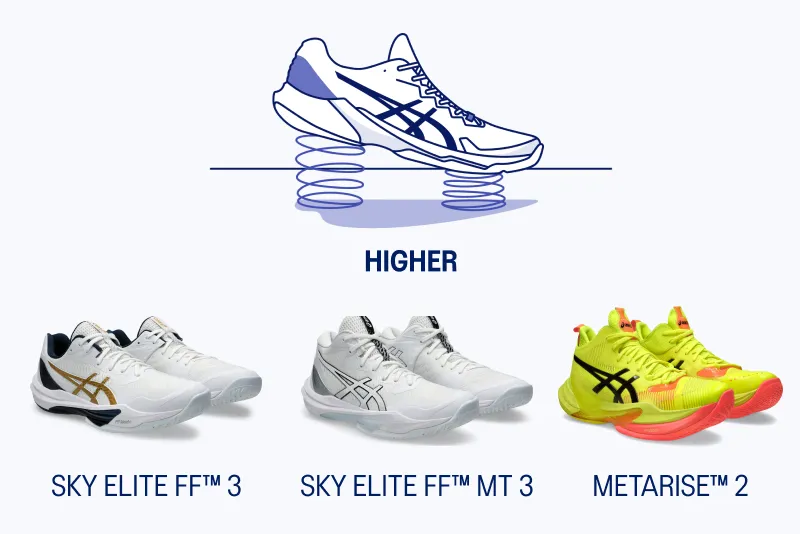
Volleyball shoes are not ideal for running. They are designed for a different purpose.
Running requires shoes with specific features. Volleyball shoes provide great support and grip on indoor courts. They are built to handle quick movements and jumps. However, running shoes have cushioning and stability for long-distance comfort. Using volleyball shoes for running can lead to discomfort or injury.
It is important to choose the right footwear for each activity. In this blog post, we will explore the differences between volleyball and running shoes, and why each is suited to its own sport. Understanding these differences can help you make better choices for your fitness needs.
Contents
Introduction To Volleyball Shoes
Hey friends, today let’s dive into the world of volleyball shoes. Whether you’re a seasoned player or just curious, understanding these shoes can be really helpful. Volleyball shoes are specially designed for the sport, providing features that cater to the quick movements and jumps of the game. But you might wonder, can these shoes be good for running? Let’s first look at what makes volleyball shoes unique.
Design Features
Volleyball shoes have some specific design features that set them apart from regular running shoes. Here are a few key points:
- Lightweight: Volleyball shoes are made to be light. This helps players move quickly and easily.
- Grip: The soles are designed to provide excellent grip on indoor courts. This helps prevent slipping.
- Cushioning: These shoes often have extra cushioning to absorb the impact from jumping and landing.
- Support: They provide good ankle support to help prevent injuries during lateral movements.
Primary Uses
Volleyball shoes are primarily used for, you guessed it, volleyball. Here’s why:
- Indoor Courts: The grip is perfect for indoor surfaces where most volleyball games are played.
- Quick Movements: They are designed to handle the quick sprints, jumps, and direction changes in volleyball.
- Jumping: The cushioning helps absorb the shock from repetitive jumping.
But what about running? Running shoes are built differently. They focus more on forward motion and long-distance comfort. So, while volleyball shoes offer great support and grip, they might not be the best for running long distances. However, for short runs or gym sessions, they can still be a good option.
In short, volleyball shoes are excellent for their intended use. They provide the right mix of support, grip, and cushioning for the game. But if you’re planning to take up running seriously, investing in a good pair of running shoes might be the better choice. Think of it like using a screwdriver for a nail. It might work, but a hammer is much better.

Credit: www.volleyballtown.ca
Running Shoe Characteristics
When it comes to running, the right shoes can make all the difference. Running shoes are specially designed to meet the unique demands of running. They are built with features that ensure comfort, safety, and performance. But what exactly makes a good running shoe? Let’s dive into some key characteristics.
Cushioning And Support
One of the most important features of running shoes is cushioning. Running involves a lot of impact on your feet and joints. Good cushioning helps absorb this impact, reducing the risk of injury. Think of it like shock absorbers in a car, making your ride smoother.
Support is another crucial aspect. Running shoes often have special designs to support your arches and ankles. This helps in keeping your feet stable and aligned. Ever tried running with flat shoes? It can be tough and painful. Proper support helps you run longer and with less strain.
Traction And Grip
Another key characteristic is traction. Running shoes need to grip the ground well to prevent slipping. This is especially important if you run on different surfaces like trails, roads, or even treadmills. Imagine running on a wet surface without good traction. Risky, right?
Grip is closely related to traction. The sole of a running shoe is designed to provide a good grip, ensuring you don’t lose your footing. This is why running shoes often have intricate patterns on their soles. They are not just for looks but for better performance and safety.
Comparing Volleyball And Running Shoes
When it comes to picking the right shoes for different sports, it’s important to understand the key differences between them. Volleyball shoes and running shoes are designed with specific features to support the unique demands of each activity. Let’s take a closer look at how these shoes differ in terms of material and sole construction.
Material Differences
First, let’s talk about the materials used in volleyball and running shoes. Volleyball shoes are typically made with lightweight, breathable materials. This helps keep your feet cool and comfortable during intense games. The upper part of the shoe is often made of mesh or synthetic fabrics, allowing for flexibility and quick movements.
On the other hand, running shoes are designed with cushioning and support in mind. They often use materials like foam and gel to absorb shock and provide comfort during long runs. The upper part is usually made of durable materials that can withstand repeated use on different terrains.
So, while volleyball shoes focus on agility and breathability, running shoes prioritize cushioning and durability. This means that using volleyball shoes for running might not give you the support you need for longer distances.
Sole Construction
The sole construction of volleyball and running shoes also differs significantly. Volleyball shoes have a non-marking rubber sole that offers excellent grip on indoor courts. This is crucial for quick lateral movements and sudden stops. The sole is usually flat and has a gum rubber texture to enhance traction.
Running shoes, however, are designed with a different type of sole. They have a cushioned midsole to absorb the impact of each step, reducing the strain on your joints. The outsole is often made of a tougher rubber that can handle various surfaces, from pavement to trails. Running shoes also feature a higher heel-to-toe drop, which helps with forward motion and reduces the risk of injuries.
Because of these differences, volleyball shoes might not provide the necessary cushioning and support for running. They are tailored for short, quick movements rather than sustained forward motion.
| Feature | Volleyball Shoes | Running Shoes |
|---|---|---|
| Materials | Lightweight, breathable mesh or synthetic fabrics | Cushioned, durable foam and gel |
| Sole | Non-marking rubber, flat, gum texture | Cushioned midsole, tougher rubber outsole, higher heel-to-toe drop |
In summary, while volleyball shoes are fantastic for quick, agile movements on indoor courts, they aren’t the best choice for running. Running shoes are specifically designed to provide the cushioning and support needed for longer distances and varied terrains. So, if you’re planning to go for a run, it’s best to stick with shoes made for that purpose.
Performance On Different Terrains
Volleyball shoes are specialized for indoor courts. But can they handle running on different terrains? Let’s look at their performance on indoor surfaces and outdoor conditions.
Indoor Surfaces
Volleyball shoes excel on indoor surfaces. Their rubber soles provide excellent grip on court floors. This helps players move quickly and change direction fast. The cushioning absorbs shock, protecting feet during jumps and landings. The lightweight design also aids in swift movements. For short indoor runs, they perform well. But long-distance running might be uncomfortable due to less arch support.
Outdoor Conditions
Volleyball shoes are not ideal for outdoor running. The soles wear out quickly on rough surfaces. They lack the durability needed for concrete or asphalt. The grip is not effective on wet or uneven ground. Running on trails or grass can be risky. The shoes do not provide enough stability on such terrains. For outdoor running, it’s better to choose shoes designed for those conditions.
Potential Risks Of Using Volleyball Shoes For Running
Volleyball shoes are designed for specific movements on the court. They offer great support for lateral movements and quick pivots. But using them for running poses several risks. The structure of volleyball shoes differs from running shoes. This can lead to potential problems for runners.
Injury Concerns
Volleyball shoes lack the cushioning required for long-distance running. Running without proper cushioning can strain your feet and joints. This increases the risk of injuries like shin splints and stress fractures. The soles are made for court grip, not road or trail traction. Slipping or falling can occur more easily on uneven surfaces.
Impact On Performance
Volleyball shoes are heavier than running shoes. This extra weight can slow you down. It can also make your legs tire faster. Poor ventilation is another issue. Running generates more heat and sweat. Your feet can become uncomfortable and blistered in volleyball shoes. Proper running shoes offer better breathability and support.

Credit: www.javelinsportsinc.com
Expert Opinions
So, you’ve got a pair of volleyball shoes and you’re wondering if you can use them for running. It’s a common question. Before you lace up and hit the pavement, let’s dive into what the experts have to say. We’ll look at what athletes think and hear from podiatrists too. This will give you a clear picture. Ready? Let’s go!
Athlete Experiences
Many athletes have their own stories about using volleyball shoes for running. Some find them comfortable, while others don’t. Volleyball shoes are designed for quick, side-to-side movements on the court. But what happens when you take them for a run?
One athlete shared: “I wore my volleyball shoes for a short run. They felt okay at first. But after a while, my feet started to hurt. They just didn’t have enough cushion.”
Another said: “I use my volleyball shoes for running sometimes. Especially if it’s just a quick jog. They work fine for me.”
So, opinions vary. It really depends on your personal comfort and running style.
Podiatrist Recommendations
Podiatrists, or foot doctors, have a lot to say about the right shoes for running. They focus on foot health and injury prevention. When it comes to volleyball shoes, they have some concerns.
Here’s what one podiatrist mentioned: “Volleyball shoes lack the necessary cushion for running. They are built for stability and support during quick movements on the court. Running shoes, however, are designed to absorb impact, which is crucial for running.”
Another podiatrist explained: “Using volleyball shoes for running can lead to issues like shin splints or plantar fasciitis. It’s better to use shoes specifically made for running to avoid these problems.”
Clearly, the experts suggest sticking to running shoes for your runs. They are made to protect your feet during those long, repetitive strides.
The takeaway? While you might get away with a short jog in volleyball shoes, it’s best to invest in a good pair of running shoes for regular running. Your feet will thank you!
Alternatives For Multi-purpose Footwear
Choosing the right footwear for different activities can be challenging. Volleyball shoes are designed for quick lateral movements and stability. Running requires different features, like cushioning and forward momentum. For those seeking multi-purpose footwear, several alternatives exist.
Cross-training Shoes
Cross-training shoes offer versatility for various activities. They provide a balance between support and flexibility. These shoes are good for gym workouts, light running, and sports. The design supports lateral movements and gives enough cushioning for short runs. They are an excellent choice for those who need one pair for multiple activities.
Custom Insoles
Custom insoles can enhance the comfort of your existing shoes. They can provide additional support and cushioning. Custom insoles are tailored to fit your foot shape and needs. You can use them in different types of shoes, including volleyball shoes. They help in reducing foot pain and improving overall comfort during various activities.
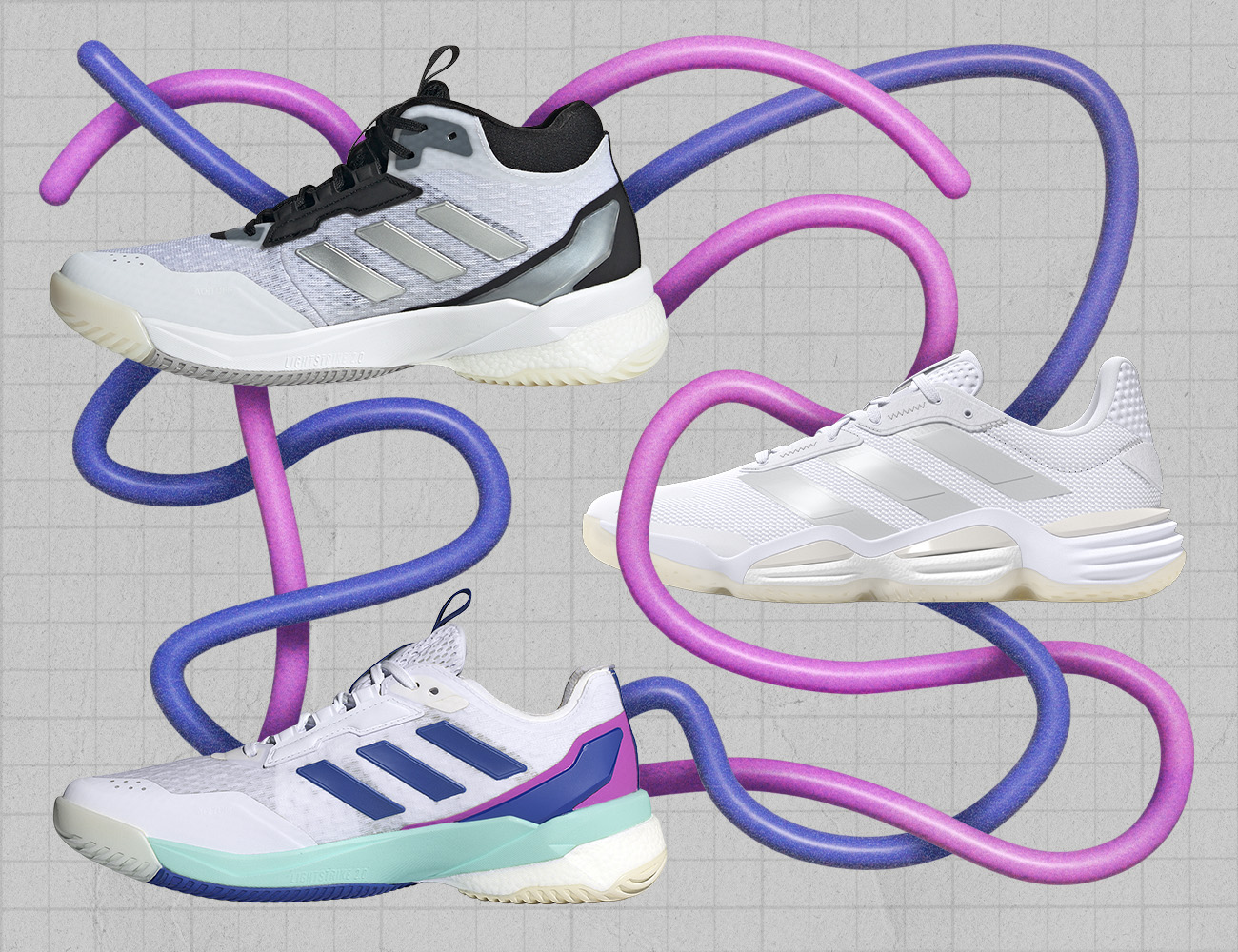
Credit: www.adidas.com
Frequently Asked Questions
Can Volleyball Shoes Be Used As Running Shoes?
Volleyball shoes are not ideal for running. They lack the necessary cushioning and support for long-distance running. Use running shoes for running instead.
Can You Workout In Volleyball Shoes?
Yes, you can workout in volleyball shoes. They provide good support and traction for various exercises.
What Are The Benefits Of Volleyball Shoes?
Volleyball shoes offer enhanced grip, better stability, improved cushioning, and reduced risk of injury. They support quick lateral movements and jumps.
Can You Run In Volleyball?
Yes, you can run in volleyball. Players often run to reach the ball and execute plays effectively.
Conclusion
Volleyball shoes can be used for running, but they’re not ideal. They provide good grip and support on indoor courts. Running requires different cushioning and support. Volleyball shoes lack the necessary shock absorption. They are designed for lateral movements, not forward motion.
For optimal running performance, use specialized running shoes. Your feet and joints will thank you. Choose the right gear for your activity. This ensures safety and comfort. Happy running!
