Can You Play Basketball In Running Shoes: Safety Tips

Yes — you can play basketball in running shoes, but expect trade-offs in grip, support, and injury risk.
I’ve tested shoes on courts and worked with players of all levels, so I know the common trade-offs. This article explains whether can you play basketball in running shoes, when it’s reasonable to do so, and how to reduce risk if you must. Read on for clear, practical advice, research-backed points, and simple tips you can use today.

Why shoe choice matters on the basketball court
Shoes affect how you move, stop, and land. Basketball puts stress on ankles, knees, and feet. The wrong shoe can lower your performance and raise injury risk.
If you ask can you play basketball in running shoes, the short answer is yes for casual play. For frequent play or competitive games, the wrong shoe can cause pain or injury. Knowing why shoes matter helps you pick the best option for your needs.
Key differences: basketball shoes vs running shoes
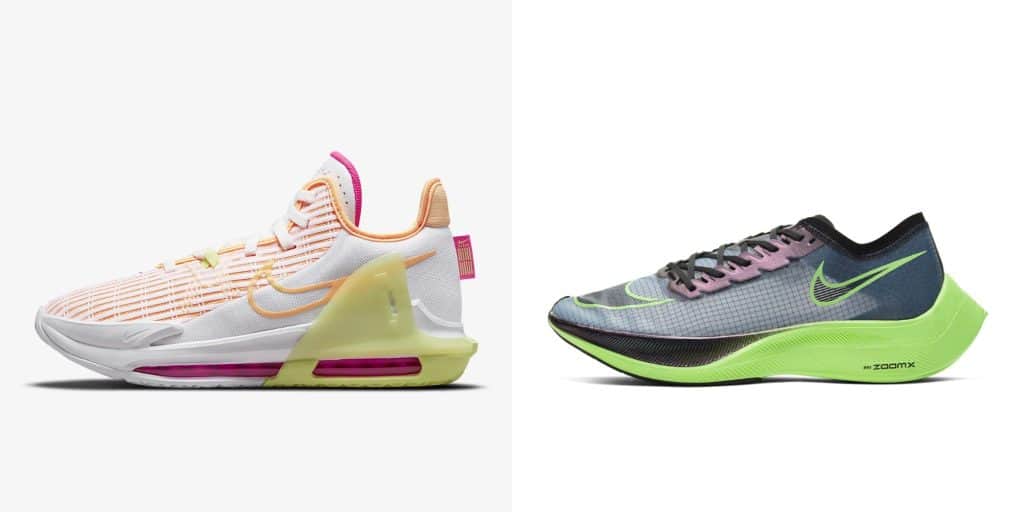
Understanding the differences helps answer can you play basketball in running shoes. Here are the main areas that matter.
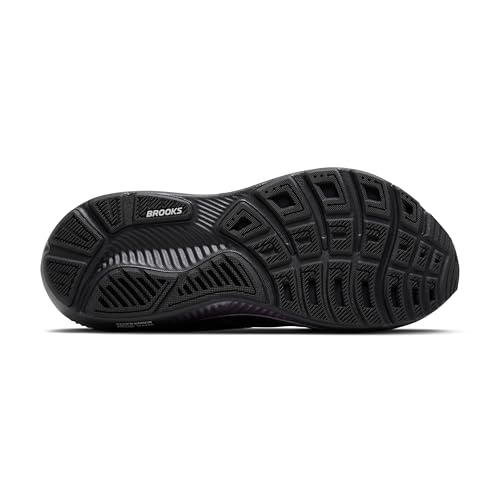
Traction and outsole
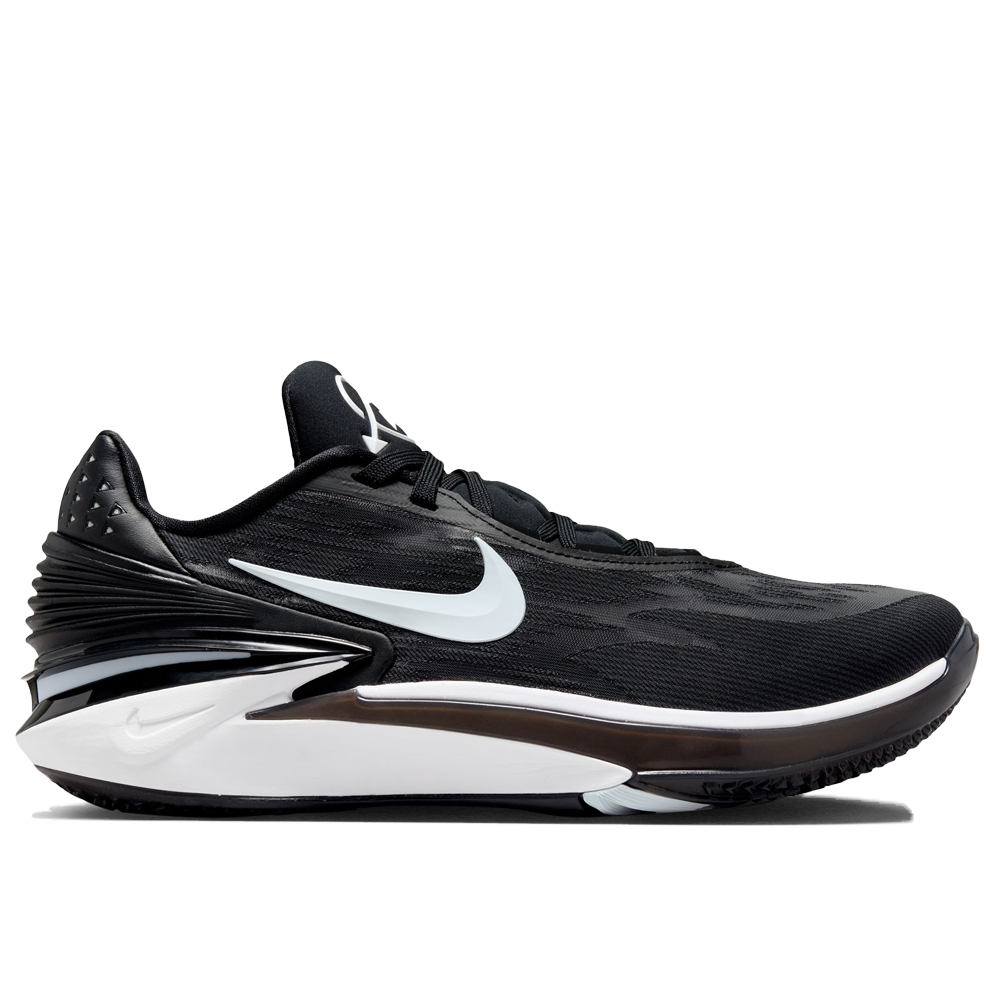
- Basketball shoes have flat, sticky soles for lateral cut and quick stops. Running shoes often have forward-moving tread and won’t grip the court as well.
- Poor traction can cause slips and weak foot placement.
Lateral support and ankle protection
- Basketball shoes add side support and ankle padding to reduce roll risk. Running shoes focus on straight-line motion and often lack that support.
- Missing lateral support can lead to sprains.
Cushioning and midsole design
- Running shoes cushion heel-to-toe impact for forward motion. Basketball shoes balance cushion with court feel for jumps and landings.
- The wrong cushion can change your balance and jump control.
Torsional stability and sole stiffness
- Basketball shoes often have stiffer midsoles to handle side-to-side stress. Running shoes can be too flexible for the quick pivots in basketball.
- Too much flex may reduce stability during cuts.
Weight and fit
- Lightweight running shoes feel quick, but they can compromise protection. Basketball shoes are heavier but protect feet during contact.
- Fit matters more than brand. A snug, secure fit helps control quick moves.
Risks of playing basketball in running shoes
When people ask can you play basketball in running shoes, they worry about safety. These are common risks.
Increased ankle sprain risk
- Lack of lateral support raises chance of rolling an ankle on a cut or rebound.
Reduced traction and slipping
- Running shoe tread can slip on polished courts, especially when making quick stops.
Poor court feel and control
- The wrong cushion and flex reduce your ability to jump and change direction.
Faster shoe wear and damage
- Running shoes wear fast on rough outdoor courts. They lose cushioning and grip sooner.
Higher fatigue and discomfort
- Running shoes designed for forward motion can make side-to-side play feel unstable and tiring.

When it’s acceptable to wear running shoes for basketball
You may still wonder can you play basketball in running shoes safely. There are times it makes sense.
Casual pickup games
- If you play once in a while and avoid risky moves, running shoes are fine.
Light drills and shooting practice
- For straight-line shooting drills or ball handling, running shoes work.
Temporary or emergency use
- If you forgot court shoes, a clean pair of running shoes is better than bare feet.
Outdoor practice on rough surfaces
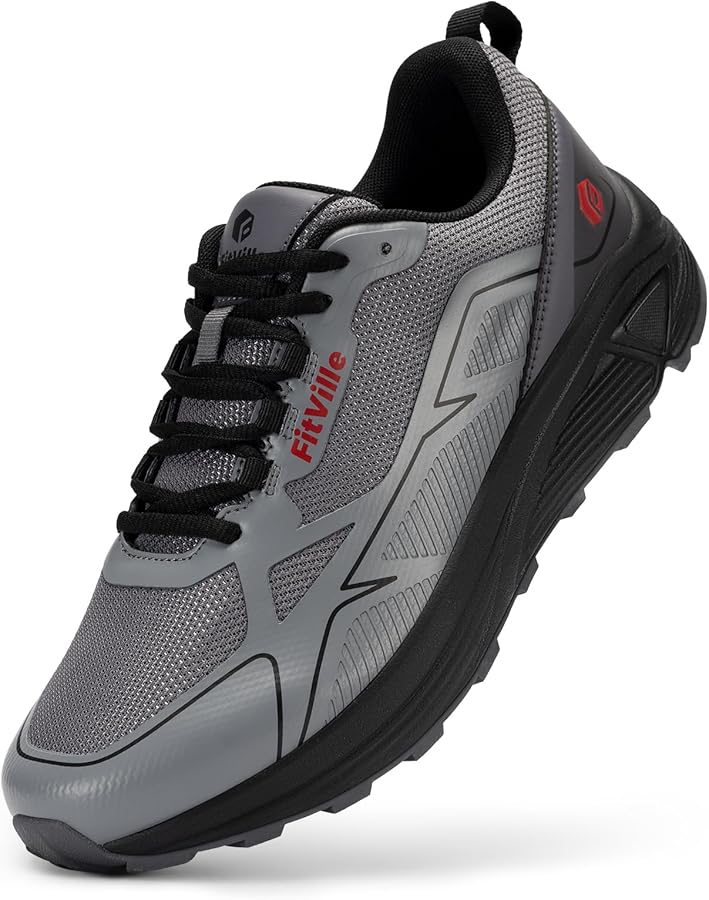
- Some runners wear trail-style running shoes outside because they last longer on asphalt.
Beginners or low-impact play
- New players who avoid pivoting and jumping can get by in running shoes.
PAA-style question: Will running shoes hurt my ankle when I pivot?
- Running shoes can increase ankle roll risk during pivots. Use caution and limit aggressive cuts.
PAA-style question: Can trail running shoes be better for outdoor courts?
- Trail shoes have tougher soles and may last longer outdoors. They still lack lateral support for hard cuts.
How to pick running shoes if you must play basketball
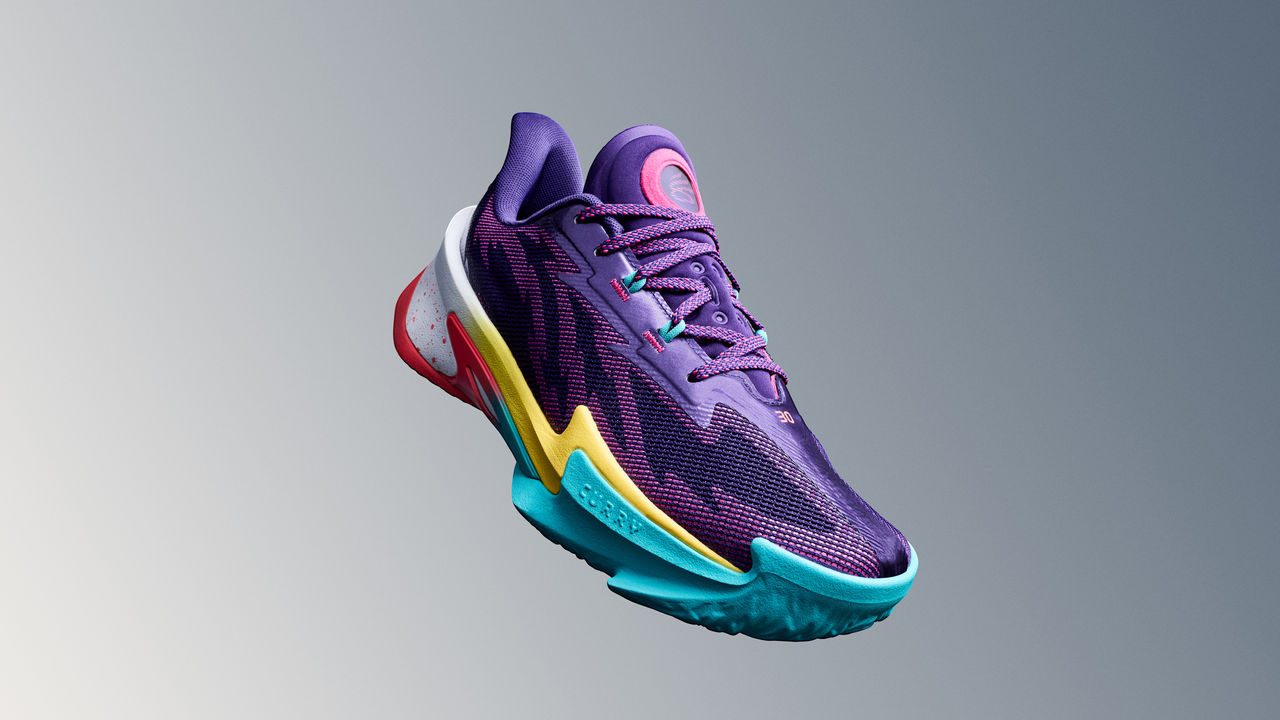
If you must use running shoes on the court, pick the best option. These points help answer can you play basketball in running shoes with less risk.
Look for low heel-to-toe drop
- Lower drop helps court feel and balance during jumps.
Choose firmer midsole cushioning
- Firmer midsoles offer more stability for cuts and landings.
Prioritize sticky, flat outsole patterns
- A flatter rubber sole grips courts better than aggressive running lugs.
Opt for a snug, secure fit
- Tight heel hold and good forefoot fit reduce sliding inside the shoe.
Avoid very flexible soles
- A slightly stiff sole helps control torsion during quick moves.
Try hybrid or cross-training models
- Cross-trainers or court-running hybrids give a better mix of support and grip.

Practical tips to reduce injury and improve play
Small steps can make playing in running shoes safer. These tips come from courtside experience and common practice.
Warm up and stretch
- Spend extra time warming ankles and hips. Strong muscles help protect joints.
Use ankle tape or a brace
- External support lowers sprain risk during cutting and landing.
Limit hard cuts and aggressive moves
- Play with style that fits your shoe. Avoid risky maneuvers.
Keep shoes clean and dry
- Dirt lowers traction. Clean soles help grip the court better.
Check shoes often
- If cushioning or tread wears out, replace shoes. Worn shoes raise injury risk.
Practice footwork slowly first
- Train cuts and pivots at low speed in running shoes before speeding up.
Personal experience and lessons learned
I’ve played pickup games in running shoes and trained players who did the same. Here’s what I learned.
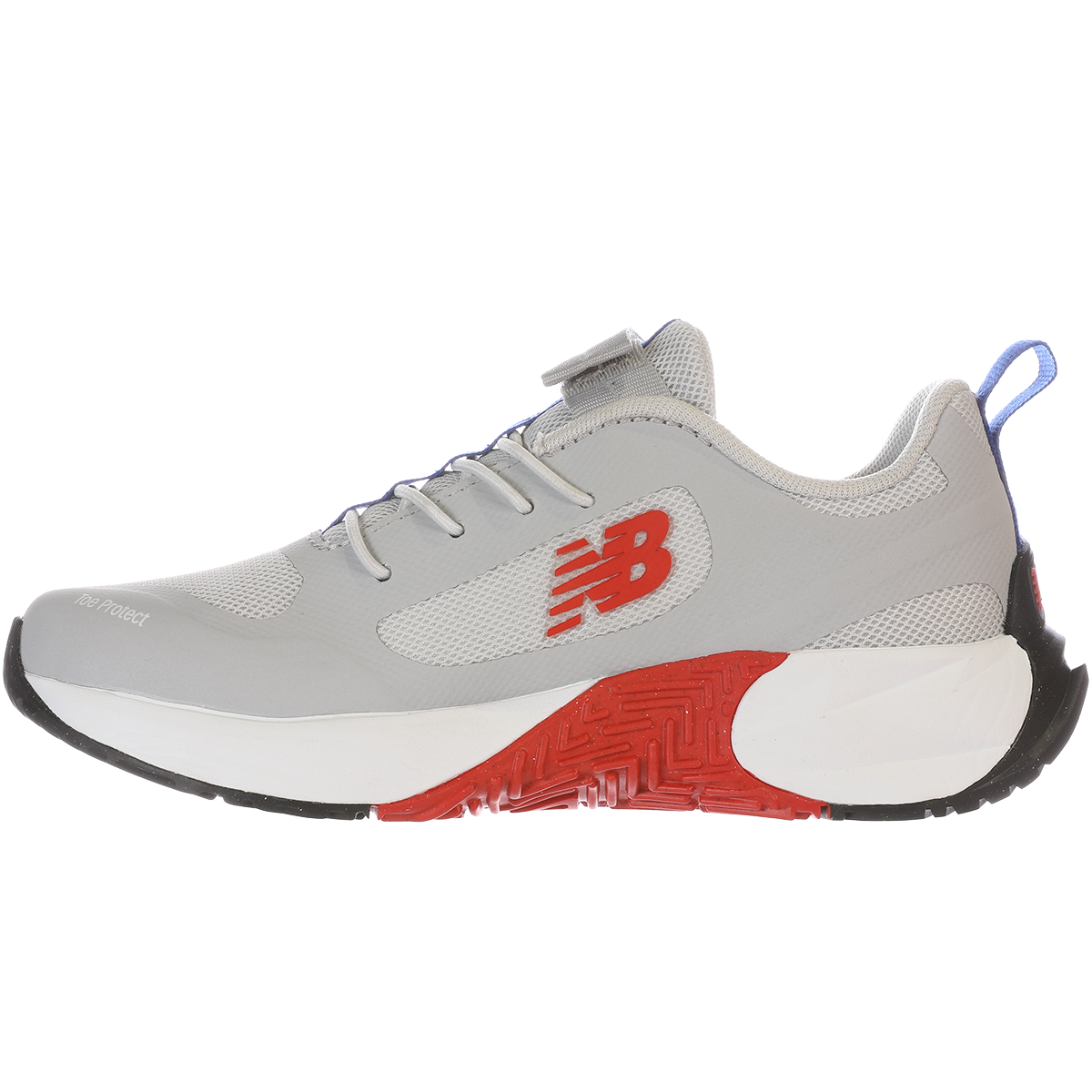
On the first day in running shoes I felt quick but a little unstable on cuts. After a few sessions the lack of lateral support showed up as ankle soreness. Switching to low-drop, firmer running shoes helped control movement, but I still missed the court feel of real basketball shoes.
I recommend using running shoes only for casual play or drills. If you are serious, invest in court shoes. My best tip: test a couple of pairs in practice. Small fit differences change comfort and safety a lot.
Frequently Asked Questions of can you play basketball in running shoes
Can you play basketball in running shoes without getting injured?
You can play, but the risk of ankle sprain and slipping is higher. Use caution, limit aggressive moves, and consider ankle support.
Will running shoes reduce my performance on the court?
Running shoes can reduce lateral control and court feel, which may lower quickness and jump stability. They may be fine for casual play but not ideal for competitive games.
Are there running shoes designed for court use?
Some running or cross-trainer models blend court-friendly features with running comfort. They are better than plain road runners but still not full replacements for basketball shoes.
How long can I use running shoes for basketball before they wear out?
Wear depends on surface and intensity, but running shoes often wear faster on hard, outdoor courts. Inspect tread and cushioning every few weeks with regular play.
Can ankle braces make running shoes safe enough for basketball?
Ankle braces reduce roll risk and can help, but they don’t replace the traction and stability of court shoes. Combine braces with careful play for the best safety.
Should kids wear running shoes for school gym basketball?
For most school gym classes, running shoes may be acceptable for casual play. If kids play competitively or jump a lot, a proper court shoe is safer.
Conclusion
You can play basketball in running shoes, especially for casual games and light drills, but expect trade-offs in grip, lateral support, and injury risk. For regular play or competitive games, choose shoes built for basketball to protect your ankles and keep performance high. Start by testing shoe fit, use ankle support if needed, and replace worn shoes promptly. Try these tips in your next session, leave a comment about your experience, or subscribe for more shoe and training advice.