Pickleball Versus Paddle Tennis: Key Differences Explained

Pickleball Versus Paddle Tennis: A Complete Guide
Pickleball and paddle tennis are two racquet sports growing fast in the United States and around the world. Both games look similar at first glance. Players hit a ball back and forth on a court, using paddles. But when you look closer, you notice big differences in rules, equipment, playing style, and even the culture around each sport.
If you’re wondering which sport suits you, or if you want to understand why pickleball is exploding in popularity while paddle tennis stays a niche activity, this guide will help. We’ll compare everything that matters: history, rules, gear, courts, skills, and social side. By the end, you’ll know how these two sports really differ—and which one might fit your style.
Origins And History
Understanding the roots of each sport helps explain their unique character.
Pickleball
Pickleball began in 1965 on Bainbridge Island, Washington. Three dads—Joel Pritchard, Bill Bell, and Barney McCallum—created the game as a way for their children to stay active during summer. They used a badminton court, improvised paddles from plywood, and a plastic ball.
The name “pickleball” came from the family dog, Pickles, who chased the ball.
Over time, pickleball spread to local communities, then across the country. The first official rulebook was published in 1976. Today, there are over 8.9 million players in the US (according to the Sports & Fitness Industry Association, 2023), making it one of the fastest-growing sports.
Paddle Tennis
Paddle tennis has a longer history. The game was invented in New York in 1898 by Frank Beal. It was designed to be easier and more accessible than traditional tennis, especially for urban settings. The first courts were built in playgrounds and parks.
Paddle tennis uses a depressurized tennis ball and a solid paddle, with rules adapted from tennis.
In the 1920s, paddle tennis became popular in California. The sport’s governing body, the American Paddle Tennis Association, was founded in 1940. Today, paddle tennis is played mainly in California and a few other regions. There are about 50,000–60,000 active players in the US—a much smaller base than pickleball.
Court Size And Layout
Court design is a key difference. Each sport’s court affects pace, tactics, and accessibility.
| Sport | Court Size | Net Height | Surface Type |
|---|---|---|---|
| Pickleball | 20 ft x 44 ft | 34 inches (center) | Hard or indoor |
| Paddle Tennis | 20 ft x 50 ft | 31 inches (center) | Hard or outdoor |
Pickleball Court
A pickleball court is smaller than a tennis court—20 feet wide and 44 feet long. The net stands at 34 inches in the center, slightly lower than tennis. There’s a special zone called the non-volley zone (the “kitchen”), 7 feet from the net on each side. Players can’t volley (hit the ball in the air) when standing in the kitchen.
Many pickleball games are played on converted tennis courts. Painted lines mark the boundaries. Surfaces are usually hard, but you also see indoor courts in gyms.
Paddle Tennis Court
A paddle tennis court is 20 feet wide and 50 feet long—about two-thirds the size of a standard tennis court. The net is 31 inches at the center, even lower than pickleball’s. There’s no kitchen zone, but the court layout resembles tennis more than pickleball.
Courts are usually outdoors, but indoor paddle tennis exists in cold regions. Some courts have glass or fence walls (especially in platform tennis, a variant), but standard paddle tennis courts have open boundaries.
Paddles And Balls
Equipment shapes the feel of both sports. Here’s how paddles and balls compare.
| Sport | Paddle Material | Paddle Size | Ball Type |
|---|---|---|---|
| Pickleball | Composite, graphite, wood | Up to 16 inches long | Plastic, perforated |
| Paddle Tennis | Solid wood, composite | Up to 17.5 inches long | Depressurized tennis ball |
Pickleball Paddles
Pickleball paddles are flat and solid. Most are made from composite materials or graphite, though basic paddles use wood. The typical size is 8 inches wide and 16 inches long. Weight ranges from 6 to 9 ounces. The surface is smooth, designed to strike a plastic ball.
The pickleball ball is a lightweight, hollow sphere made of plastic. It has 26–40 holes (“perforations”) to slow it down and make it bounce lower. Indoor balls are lighter and have fewer holes; outdoor balls are heavier and more durable.
Paddle Tennis Paddles
Paddle tennis paddles are slightly longer (up to 17.5 inches) and have a solid surface. Materials vary, but wood and composites are common. The paddle’s surface often has small holes (up to 87), which reduce air resistance and help with spin.
The ball is a depressurized tennis ball—the same size as a regular tennis ball but with less bounce. This makes rallies longer and the game slower than regular tennis.
Rules And Scoring
While both sports involve rallying a ball over a net, their rules make the experience very different.
Pickleball Rules
Pickleball is usually played doubles (two vs two), but singles is also popular. Here are some unique rules:
- Serve: Underhand, diagonally, and the ball must land in the opposite service box.
- Double Bounce Rule: After the serve, each team must let the ball bounce once before hitting it. After these two bounces, volleys are allowed.
- Non-Volley Zone: Players can’t hit a volley while inside the kitchen.
- Scoring: Only the serving side scores points. Games go to 11 points, and you must win by 2.
- Faults: Common faults include stepping into the kitchen while volleying, hitting out of bounds, or missing the ball.
Paddle Tennis Rules
Paddle tennis closely follows tennis, but with adjustments:
- Serve: Underhand or overhand, but must bounce once before being hit. The ball is served diagonally.
- Rally: Players can volley or let the ball bounce.
- Scoring: Standard tennis scoring (15, 30, 40, game) is used. Sets go to 6 games, with a tiebreaker if needed.
- Faults: Similar to tennis—hitting out, missing the ball, or double faults on serve.
Side-by-side Rule Comparison
| Rule | Pickleball | Paddle Tennis |
|---|---|---|
| Serve | Underhand only | Underhand/Overhand |
| Scoring | 11 points, win by 2 | Tennis scoring, sets/games |
| Non-volley zone | Yes (kitchen) | No |
| Ball bounce rules | Double bounce rule | No bounce rule |
Playing Style And Tactics
The way you play each sport changes everything—speed, movement, and strategy.
Pickleball Style
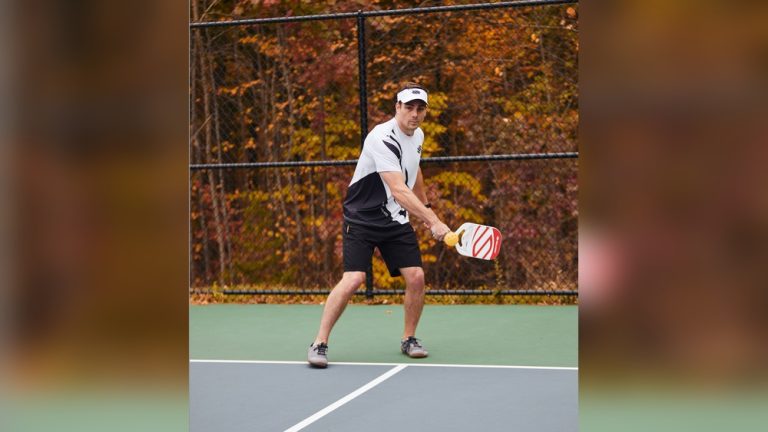
Pickleball is fast-paced but less physically demanding than tennis. The smaller court and slower ball make rallies longer and more accessible. Most points are won at the net, with quick volleys and clever angles. The kitchen zone creates unique tactics—players must move in and out, control their footwork, and use soft shots called “dinks.
”
Pickleball rewards precision, patience, and teamwork. Power is less important than placement and anticipation. Beginners often miss how the double bounce rule changes the opening rally, and underestimate the importance of kitchen play.
Paddle Tennis Style
Paddle tennis feels closer to tennis. The court is bigger, the ball bounces higher, and players move more. There’s more baseline play and longer rallies. Volleys are common, but groundstrokes and lobs are important. Spin is used to control the ball, thanks to the paddle’s holes.
Paddle tennis rewards agility, stamina, and shot variety. Players often hit the ball harder, use topspin, and play more aggressively from the baseline. Beginners sometimes miss how the lower net and depressurized ball affect tactics—shots that work in tennis may not work in paddle tennis.
Physical Demands And Accessibility
One reason pickleball is booming is its accessibility. Here’s how both sports compare.
Pickleball Accessibility
Pickleball is friendly for all ages and skill levels. The small court means less running, making it popular among older adults. Injuries are rare, and the game is easy to learn. Players with limited mobility or beginners can enjoy competitive play almost immediately.
Pickleball can be played indoors or outdoors, year-round. Many schools, retirement communities, and parks offer courts. Equipment is affordable—starter paddles cost as little as $20.
Paddle Tennis Accessibility
Paddle tennis is accessible, but more demanding. The court is larger, and rallies require more movement. The game suits players who enjoy tennis but want something faster and less formal. Paddle tennis is popular among youth and adults, but less so among seniors.
Finding paddle tennis courts can be harder outside California and a few cities. Equipment costs are similar to pickleball, but balls wear out faster and must be replaced often.

Credit: www.padelunitedsportsclub.com
Popularity And Growth
The numbers show a dramatic difference in popularity.
- Pickleball: Over 8.9 million US players (2023). Growth rate is over 158% in three years.
- Paddle Tennis: Around 50,000–60,000 US players. Growth is stable but slow.
Pickleball’s growth is driven by social play, easy learning, and broad accessibility. Paddle tennis has a dedicated following but struggles to expand outside its main regions.
Demographics
Pickleball attracts a mix of ages. About 40% of players are over 55, but youth participation is growing fast. Many cities host tournaments, leagues, and social events.
Paddle tennis is most popular among adults ages 20–40. The sport is often played at clubs or private courts, making it less visible to the wider public.
Health Benefits
Both sports offer physical and mental benefits, but with differences.
Pickleball Health Benefits
- Cardio Exercise: Moderate intensity, suitable for most fitness levels.
- Joint-Friendly: Low impact, reduces injury risk.
- Mental Health: Social play boosts mood and reduces stress.
- Skill Development: Improves coordination, reflexes, and balance.
Pickleball’s social nature is unique. Many players report feeling more connected and less isolated.
Paddle Tennis Health Benefits
- Higher Cardio: More running and movement.
- Strength: Stronger arm and leg muscles from bigger swings.
- Flexibility: Greater range of motion.
- Mental Focus: Requires strategy and concentration.
Paddle tennis is slightly more demanding physically, which can be positive for fitness but a barrier for older players.
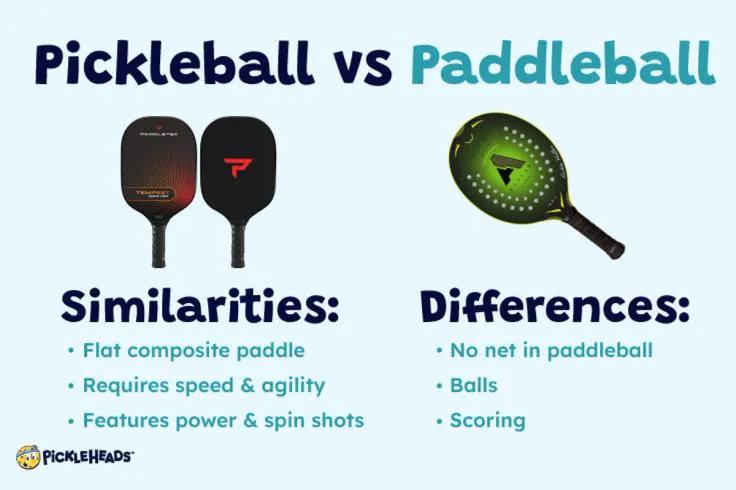
Credit: www.pickleheads.com
Culture And Community
The culture around each sport is a big factor in their popularity.
Pickleball Community
Pickleball is known for its welcoming, inclusive atmosphere. Players often greet newcomers, explain rules, and encourage friendly play. Clubs, leagues, and tournaments are easy to join. Many communities offer free lessons and equipment loans.
Social play is central. Pickleball is often played in groups, with quick games and rotating partners. The sport is seen as less competitive than tennis, though high-level tournaments do exist.
Paddle Tennis Community
Paddle tennis has a strong club culture. Many games are played at private clubs or parks, with regular tournaments. The community is tight-knit, with experienced players mentoring beginners. The sport has a reputation for being competitive, but also supportive.
In some regions, paddle tennis is seen as a “hidden gem,” with passionate players and local traditions.
Cost And Equipment Guide
If you’re deciding which sport to try, cost matters. Here’s what you need.
Pickleball Costs
- Paddle: $20–$150
- Balls: $10–$20 per 12-pack
- Court fees: Often free at public parks
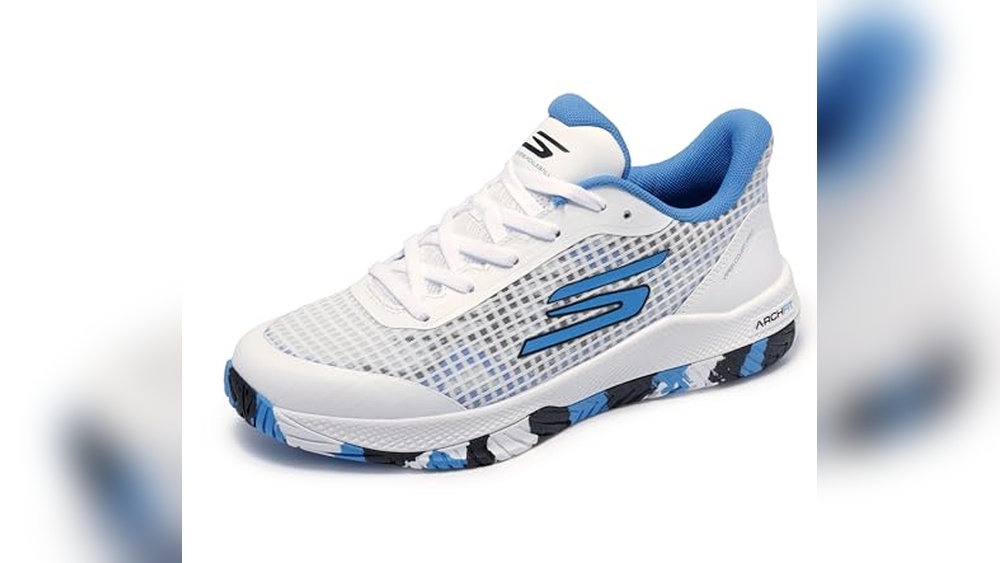
- Shoes: Any court shoe ($40–$120)
Total starter cost: $30–$200.
Paddle Tennis Costs
- Paddle: $25–$180
- Balls: $4–$8 per can (lasts less than tennis balls)
- Court fees: Often free, but some clubs charge ($5–$20 per session)
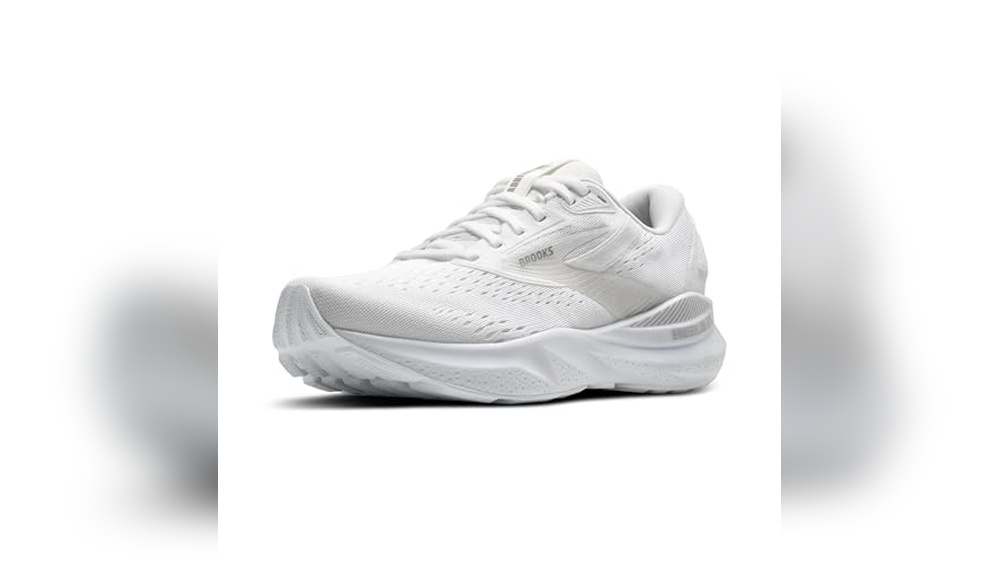
- Shoes: Tennis or court shoes ($50–$120)
Total starter cost: $40–$220.
Both sports have affordable entry points. But pickleball equipment lasts longer, and public courts are more common.
How To Choose: Which Sport Is Right For You?
Choosing between pickleball and paddle tennis depends on your goals, fitness, and local options.
- If you want easy learning and social play: Pickleball is ideal. The rules are simple, and games are quick.
- If you want a tennis-like experience: Paddle tennis offers more movement, power, and classic tennis tactics.
- If you have limited mobility or are older: Pickleball’s smaller court and low-impact play are best.
- If you enjoy intense rallies and longer games: Paddle tennis suits you.
- If you want to join a fast-growing community: Pickleball has more clubs, events, and players.
- If you live in California or New York: Paddle tennis courts are more common. Elsewhere, pickleball is easier to access.
Non-obvious insight: Many beginners overlook how the social side affects enjoyment. Pickleball’s rotating partner system means you meet more people and play more games in a session. Paddle tennis often involves set groups or club matches.
Another insight: The double bounce rule in pickleball changes how points start. It prevents “rush to the net” tactics, making the opening rally more strategic. Paddle tennis allows net play from the first shot, favoring aggressive players.
Common Mistakes Beginners Make
In Pickleball
- Ignoring the kitchen: Stepping into the non-volley zone while volleying is a fault.
- Underestimating dinks: Soft shots are crucial; power isn’t always the answer.
- Poor footwork: Moving too much or too little leads to missed shots.
In Paddle Tennis
- Using tennis balls: Standard tennis balls bounce too high and ruin the game.
- Overhitting: The lower net and depressurized ball require softer shots.
- Neglecting spin: The paddle’s holes allow unique spins that beginners often miss.
Major Tournaments And Events
Pickleball
- USA Pickleball National Championships: The largest tournament in the country.
- APP Tour: Professional pickleball circuit.
- Local leagues and festivals: Almost every city has regular events.
Paddle Tennis
- National Paddle Tennis Championships: Premier event for top players.
- Regional club tournaments: Held mainly in California and New York.
Pickleball’s pro scene is growing, with televised matches and sponsorships. Paddle tennis events are smaller but highly competitive.
Future Trends
Pickleball is predicted to keep growing, with new courts opening daily. Schools and parks are adding pickleball lines to tennis courts. Paddle tennis is stable but may see new interest if promoted more widely.
Technology is changing both sports. Smart paddles, analytics apps, and online coaching are becoming common. Pickleball has embraced these faster, making the sport more accessible to tech-savvy players.
Fun Facts
- Pickleball is played in over 30 countries.
- Paddle tennis is the ancestor of platform tennis and padel (popular in Spain).
- The fastest recorded pickleball serve is 61 mph.
- Paddle tennis paddles can have up to 87 holes.
- Some celebrities, like LeBron James, have invested in professional pickleball leagues.
Frequently Asked Questions
What Is The Main Difference Between Pickleball And Paddle Tennis?
The main difference is the court size, ball, and rules. Pickleball uses a smaller court and a plastic ball with holes, while paddle tennis uses a larger court and a depressurized tennis ball. Pickleball has unique rules like the kitchen (non-volley zone) and double bounce rule; paddle tennis follows tennis-style scoring and allows more aggressive play.
Is Pickleball Easier To Learn Than Paddle Tennis?
Yes, pickleball is easier to learn. The rules are simple, the court is small, and the ball moves slower. Most beginners can rally within minutes. Paddle tennis is more demanding physically and technically, especially for those used to tennis.
Can I Play Both Sports On A Tennis Court?
You can play pickleball on a tennis court by marking the smaller boundaries and lowering the net. Paddle tennis is harder to play on a tennis court because the ball and net height are different, but some clubs offer multi-purpose courts.
Which Sport Is Better For Seniors?
Pickleball is better for seniors due to its low-impact nature and smaller court. It’s popular among older adults and offers social benefits. Paddle tennis requires more running and is less common in senior communities.
Where Can I Find Official Rules And Resources?
You can find official pickleball rules at the USA Pickleball Association website and paddle tennis rules at the American Paddle Tennis Association. For more information, visit Wikipedia.

Credit: www.justpaddles.com
Final Thoughts
Pickleball and paddle tennis both offer fun, fitness, and friendly competition. But they serve different audiences and experiences. Pickleball is easy to learn, highly social, and growing fast. Paddle tennis is more physical, with deeper ties to tennis and a close-knit community.
Whether you choose pickleball, paddle tennis, or both, you’ll join a world of active players and new friends. Try each sport, see what fits, and enjoy the game.