Fantasy Football Draft Strategy: Winning Tips for 2026 Success

Ready to dominate your fantasy football league this season? Your draft strategy can make or break your chances of winning.
Knowing when to grab those elite running backs and wide receivers, and when to wait on quarterbacks and tight ends, is key to building a powerhouse team. You’ll discover proven tips to prioritize your picks, identify hidden gems, and avoid common mistakes that cost championships.
Stick with me, and you’ll learn how to craft a balanced, high-upside roster that’ll keep your rivals guessing—and your scoreboard lighting up week after week. Let’s get started!
Early Picks Focus
Early picks in a fantasy football draft set the tone for your entire team. Choosing the right players at the start can give you a solid base. Focus on positions that score the most points consistently. This approach helps build a strong and competitive roster. Avoid waiting too long on key players. Secure top talent early to maximize your team’s potential.
Prioritize Running Backs And Wide Receivers
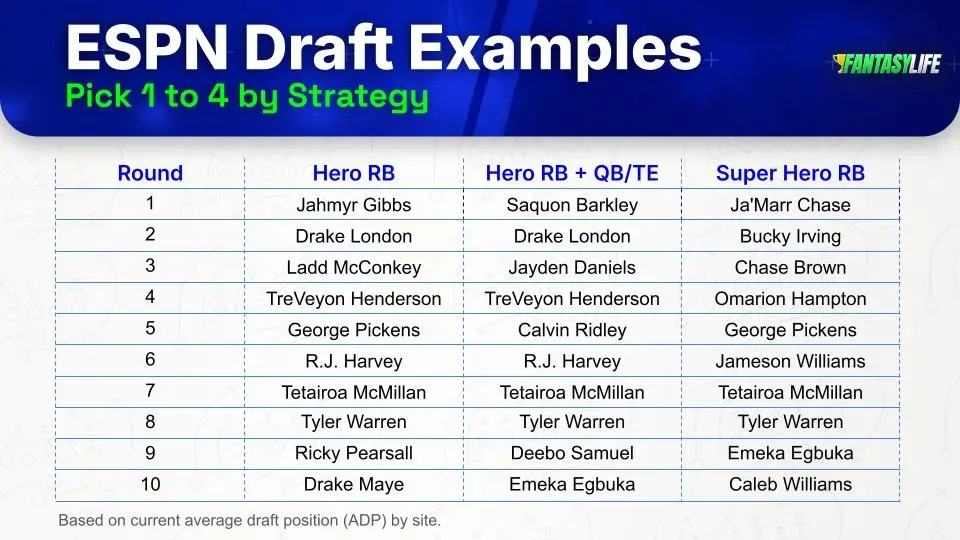
Running backs and wide receivers often score the most points. Their roles in both rushing and passing make them valuable. Drafting elite players in these positions early ensures steady points each week. These players are also scarce, so waiting risks losing top talent. Aim to pick at least two strong running backs or wide receivers in the first four rounds. This builds a reliable core for your team.
Secure Foundational Talent Quickly
Foundational talent means players who will start and play most games. Early picks should focus on these dependable athletes. They provide consistency and reduce risk during the season. Locking in these players early lets you plan the rest of your draft around them. Avoid reaching for less proven players too soon. A strong foundation makes it easier to add depth later.

Credit: www.reddit.com
Core Draft Strategies
Core draft strategies shape your entire fantasy football team. These plans help build a strong foundation. Choosing the right approach early makes later picks easier and smarter.
Two popular core strategies are the Anchor RB approach and the Zero RB approach. Each has clear strengths and fits different player styles.
Anchor Rb Approach
This strategy focuses on drafting a top running back early. Elite RBs score many points and handle many touches. Securing one early gives your team stability and a scoring edge.
After the first RB, you draft wide receivers and other positions to balance your roster. Later rounds add RB depth. This method minimizes risk and ensures a solid lineup.
Zero Rb Approach
The Zero RB method skips running backs in the early rounds. Instead, it prioritizes wide receivers, tight ends, and quarterbacks first. These players often have more predictable performance.
RBs are selected in middle or late rounds, aiming for high-upside or backup players. This approach can pay off if injuries hit other teams, allowing you to find value RBs later.
Mid-round Value Targets
Mid-round value targets are crucial for building a strong fantasy football team. These picks often decide your season’s success. Focus on players who offer solid production without high draft costs. This strategy balances risk and reward well. Mid-round picks allow you to find hidden gems and reliable starters. Use these rounds to add depth and balance to your roster.
Target Quarterbacks And Tight Ends
Quarterbacks and tight ends often provide great value in the middle rounds. Elite QBs usually go early, but many mid-round QBs can produce strong points. Look for QBs with good supporting casts and consistent play. Tight ends who catch many passes and score touchdowns are valuable picks here. Avoid reaching too early for these positions. Instead, wait for players with clear roles and upside.
Identify Rookies And Sleepers
Rookies and sleepers can surprise your league with big performances. Mid-round picks are perfect for selecting these players. Rookies often have high potential but uncertain roles. Sleepers are players overlooked by others but have a chance to break out. Research their team situations and preseason reports. Drafting these players adds upside to your team without much risk.
Late-round Tactics
Late-round tactics in fantasy football drafts help build a solid team without wasting early picks. These rounds offer chances to add depth and upside. Smart decisions here can boost your roster’s overall potential.
Focus on avoiding early picks for certain positions like defense and kickers. Instead, aim for players with growth potential and high reward chances. These moves can separate your team from others.
Draft Defense And Kickers Last
Defense and kickers usually score fewer points than skill players. Choosing them too early wastes valuable picks. Wait until the last rounds to select these positions.
Many fantasy players pick defenses and kickers based on recent performances. Instead, select units with favorable schedules or consistent history. This strategy gives you steady points without using high picks.
Use Lottery Tickets For Upside
Late rounds are perfect for taking risks on unknown or young players. These “lottery tickets” might become breakout stars. They cost little but can bring huge rewards.
Look for rookies or backups with a chance to start. Injuries or trades can push them into key roles. Adding these players increases your team’s upside and excitement.
Positional Considerations
Positional considerations play a key role in shaping a strong fantasy football team. Each position has a different value based on player scarcity and point potential. Balancing your picks across positions can help build a reliable and high-scoring roster. Understanding which positions need early attention and which can wait improves draft outcomes.
Manage Positional Scarcity
Running backs and wide receivers often face the highest scarcity. Top-tier players at these positions score the most points. Prioritize securing at least two elite RBs or WRs within the first four rounds. This approach ensures a solid foundation.
Quarterbacks and tight ends usually have more depth. Waiting to draft these positions until after securing RBs and WRs can yield better value picks. Defenses and kickers should be selected in the last rounds due to their unpredictable scoring.
Avoid Over-handcuffing
Handcuffing means drafting a backup for your star running back. This tactic can waste valuable picks if the backup sees little playtime. Instead, invest in depth at multiple positions to cover injuries and bye weeks.
Focus on players who offer standalone value rather than just insurance. Over-handcuffing limits your team’s upside and reduces roster flexibility. A balanced approach to depth helps maintain consistent scoring throughout the season.

Credit: www.fantasypros.com
League Adaptations
Every fantasy football league has unique rules and settings. These differences affect how you should draft your team. Adapting your strategy to your league increases your chances of success.
Understanding these variations helps you pick players who fit your league’s style. Adjusting to scoring and lineup requirements is key. This section covers two important adaptations to make before your draft.
Adjust For Scoring Formats
Scoring rules change player values. In PPR (Points Per Reception) leagues, wide receivers and pass-catching running backs gain more value. They earn points for each catch, not just yards or touchdowns.
Standard scoring favors running backs who rush for yards and touchdowns. Quarterbacks with strong passing stats also gain value in certain formats. Study your league’s scoring to prioritize the right players.
Some leagues use bonuses for long plays or milestones. These bonuses can boost the worth of certain players. Knowing these details lets you draft smarter and avoid overvaluing or undervaluing players.
Tailor To Starting Lineup Requirements
Lineup rules affect how many players you start at each position. Some leagues require two or three wide receivers, while others need extra running backs or tight ends.
Rosters with multiple starting spots for a position increase the value of players at that spot. For example, if your league starts three wide receivers, you need more depth there.
Flex positions add complexity. A flex spot might allow a running back, wide receiver, or tight end. This flexibility changes which players hold more draft value in your league.
Check your roster setup and plan your picks accordingly. Balancing starters and bench players helps maintain a strong team all season long.
Risk And Upside
In fantasy football, understanding risk and upside is key to a strong draft strategy. Every pick carries a balance between safe, steady players and those with high reward potential. Managing this balance helps build a team that scores consistently and surprises with breakout performances. Choosing players with high upside can win weeks, but too much risk can hurt your season early. A smart draft mixes dependable talent with players who offer big gains if they perform well.
Balance Risk With Stability
Start by securing reliable players early in the draft. These athletes have a proven track record and steady production. They form the foundation of your roster. Avoid reaching for risky picks too soon. Stability reduces the chance of early losses. Later rounds are better for taking chances on uncertain players. This method keeps your team competitive while still allowing room for upside. Consistent scoring wins leagues over time.
Draft For High Ceiling Players
Target players with the potential for big games in middle to late rounds. These high ceiling players can break out and boost your weekly points. Look for rookies, backups, or players returning from injury. Their lower cost makes the risk worth it. Balance these picks with your core stable players. This approach can lead to unexpected wins. Upside picks add excitement and value to your fantasy team.
Depth And Flexibility
Depth and flexibility are key to a strong fantasy football team. A deep roster allows you to handle unexpected changes. Flexibility lets you adjust your lineup based on matchups and player health. Both help maintain steady point production throughout the season.
Build Rb/wr Depth
Running backs and wide receivers make up most of your points. Draft multiple players at these positions to avoid weak spots. Focus on securing at least three quality RBs and WRs early. This protects your team from underperformance or injuries. Depth also gives you options to swap players on short notice.
Plan For Bye Weeks And Injuries
Each player has a bye week when they do not play. Plan your roster so you have backups for these weeks. Injuries happen often in football, so extra players are crucial. Having reliable substitutes ensures you never lose points due to missing starters. Always check bye week schedules before making your picks.
Credit: www.fantasylife.com
Frequently Asked Questions
What Is The Best Draft Strategy For Fantasy Football?
Prioritize elite running backs and wide receivers early. Target quarterbacks and tight ends later. Add rookies and sleepers mid-rounds. Draft defense and kickers last. Adapt strategy to your league’s scoring and roster settings for a balanced, high-upside fantasy football team.
What Positions Should I Draft First In Fantasy Football?
Draft elite running backs (RBs) and wide receivers (WRs) first for high point potential. Secure your RB/WR core early. Target quarterbacks (QBs) and tight ends (TEs) in middle rounds. Pick defense (DST) and kickers (K) last. Adjust based on your league’s scoring and roster needs.
Is It Better To Draft A Qb Or Rb First In Fantasy Football?
Draft running backs (RBs) before quarterbacks (QBs) in fantasy football. RBs have higher positional scarcity and point potential. Secure top-tier RBs early, then focus on wide receivers (WRs). Wait on QBs to find value later, balancing your roster for maximum scoring.
What Is The Best First Pick For Fantasy Football?
The best first pick in fantasy football is usually an elite running back or wide receiver with high scoring potential. Prioritize scarcity and consistent performance.
Conclusion
A strong fantasy football draft strategy sets your team for success. Focus on securing top running backs and wide receivers early. Build a solid core before drafting quarterbacks and tight ends. Target rookies and sleepers in middle rounds for added value.
Save defense and kickers for the final picks. Stay flexible and adjust based on your league’s rules. Smart choices lead to a balanced and competitive roster. Enjoy the draft and trust your plan throughout the season.