Are Volleyball Players Tall? Essential Facts

Yes, volleyball players are often tall, with height being a significant advantage, especially for front-row positions like hitters and blockers. However, shorter players can excel by focusing on agility, speed, and strategic play. This article explores the role of height in volleyball and how players of all sizes can succeed.
Ever watched a volleyball match and noticed how many players seem to reach incredible heights? It’s a common observation, and for good reason! Height is often seen as a golden ticket in volleyball, but is it the only ticket? Many beginners wonder if they’re too short to even try. We’re here to tell you that while height helps, it’s not the whole story. Let’s dive into why height matters, how different positions use it, and how players of all statures can dominate the court.
The Height Advantage: Why It Matters in Volleyball
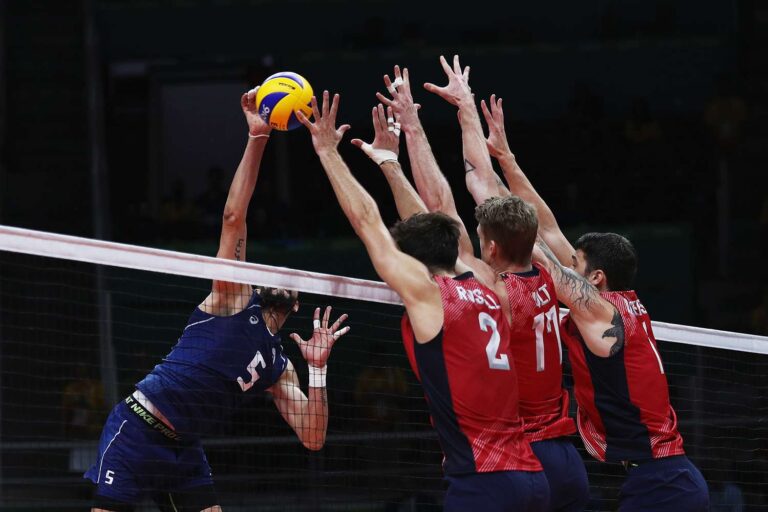
Volleyball is a game played above the net. The higher you can reach, the more advantages you gain. Think about spiking the ball – a taller player can hit down on the ball, making it harder for the opponent to dig. When blocking, a taller player can get their hands higher to stop the attack more effectively.
This is why you often see taller athletes gravitating towards volleyball. It’s simply easier to perform certain actions with a natural height advantage.
Key Advantages of Height:
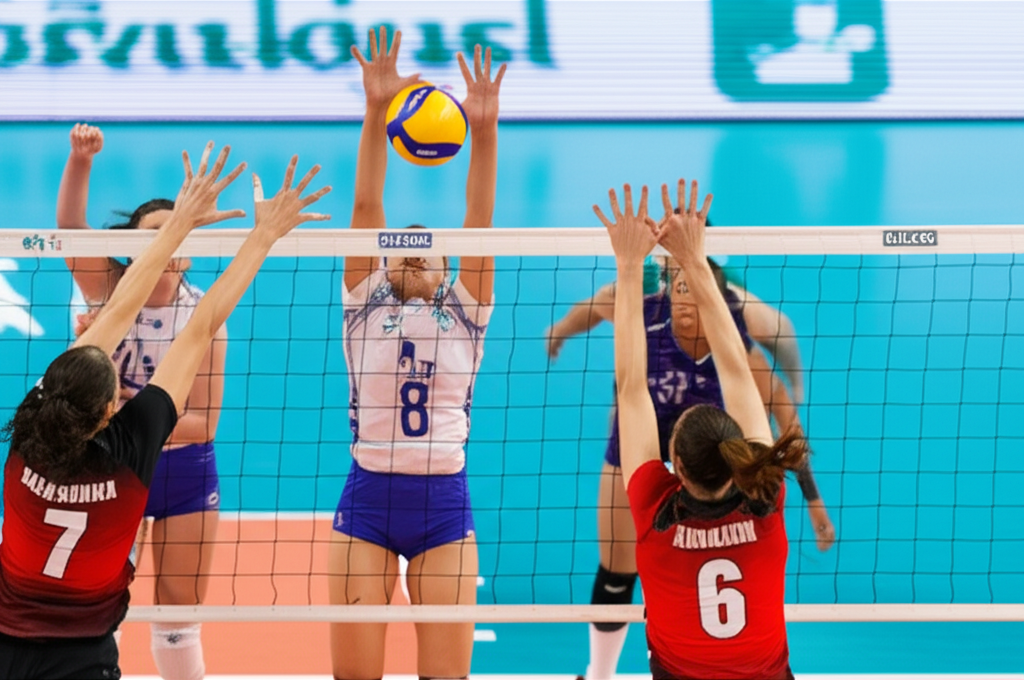
- Higher Reach: Easier to attack and block above the net.
- Better Court Coverage (for some): Taller players can sometimes cover more ground with longer strides.
- Increased Blocking Presence: A taller block can be a formidable defensive barrier.
- More Powerful Spikes: The angle of attack is steeper, making spikes harder to defend.
Understanding Volleyball Positions and Height Requirements
Not all positions in volleyball are created equal when it comes to height. Some roles inherently benefit more from being tall than others. Let’s break down the main positions and how height plays a role:
1. Outside Hitter (Left Side Hitter)
These players are the primary attackers for the team. They typically attack from the front left side of the court. A good outside hitter needs a strong vertical jump and the ability to hit with power and accuracy. Height is a significant advantage here, allowing them to hit over or around the block.
2. Opposite Hitter (Right Side Hitter)
The opposite hitter plays on the front right side. They are often responsible for attacking when the setter is in the front row and can also be a key blocker. Like outside hitters, they benefit greatly from height, as they often face the opponent’s strongest blockers.
3. Middle Blocker (Middle Hitter)
These players are the primary blockers on the court. They line up in the middle of the net and are expected to block both the outside and middle attacks. Height is almost a non-negotiable requirement for middle blockers. Their job is to form a strong wall at the net. A higher reach means a more effective block.
4. Setter
The setter is the quarterback of the volleyball team. They are responsible for directing the offense and delivering the second ball to the hitters. While height can be helpful for setting over the net or blocking, it’s less critical than for front-row attackers. Many successful setters are shorter than their hitting counterparts, relying on quickness, intelligence, and precise ball placement.
5. Libero
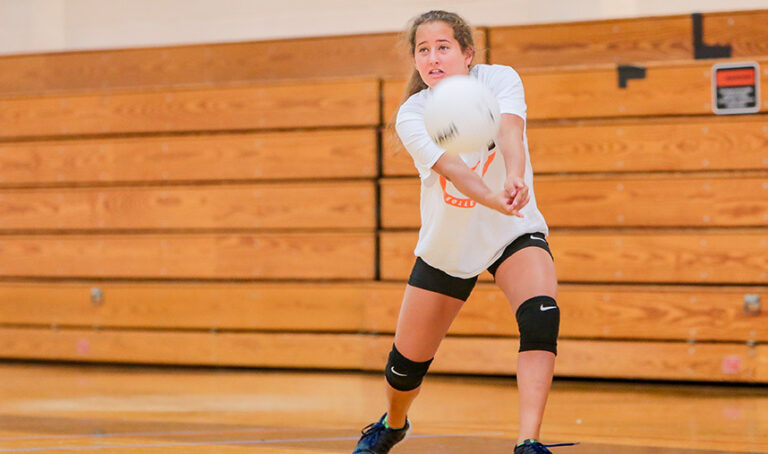
The libero is a defensive specialist. They wear a different colored jersey and can substitute freely for any player in the back row. Liberos cannot attack the ball above the net or block. Therefore, height is generally not a factor, and in fact, many liberos are shorter than other players. Their strengths lie in their agility, quick reflexes, and exceptional digging and passing skills.
6. Defensive Specialist (DS)
Similar to the libero, defensive specialists are back-row players focused on passing, digging, and serving. Height is not a primary requirement, and agility and quickness are far more important.
Here’s a quick look at typical height ranges for different positions. Keep in mind these are averages, and exceptions abound!
| Position | Typical Height Range (Men’s) | Typical Height Range (Women’s) | Key Skill Dependency |
|---|---|---|---|
| Middle Blocker | 6’4″ – 7’0″+ | 6’0″ – 6’6″+ | Blocking, quick attacks |
| Outside Hitter | 6’3″ – 6’9″ | 5’10” – 6’4″ | Attacking, passing, hitting variety |
| Opposite Hitter | 6’3″ – 6’8″ | 5’10” – 6’4″ | Attacking, blocking, back-row attacking |
| Setter | 6’0″ – 6’5″ | 5’8″ – 6’2″ | Setting accuracy, court vision, leadership |
| Libero | 5’8″ – 6’2″ | 5’4″ – 5’10” | Passing, digging, ball control |
| Defensive Specialist | 5’8″ – 6’2″ | 5’4″ – 5’10” | Passing, digging, serving |
Height vs. Other Essential Volleyball Skills
While height is a definite advantage, it’s far from the only skill that makes a great volleyball player. Many players who aren’t exceptionally tall have achieved great success by excelling in other areas. Let’s look at what can compensate for a lack of height:
1. Vertical Jump and Athleticism
A powerful vertical jump can significantly close the height gap. Players who can jump high can reach balls that might otherwise be out of reach. This is crucial for both attacking and blocking. Plyometric training, strength training, and proper jumping technique are key to maximizing vertical leap.
2. Agility and Speed
For back-row players like liberos and defensive specialists, agility and speed are paramount. They need to cover a lot of court quickly to dig hard-hit balls. Quick footwork, lateral movement, and explosive acceleration are essential skills that can make a shorter player invaluable.
3. Ball Control and Technique
Excellent passing, setting, and digging skills are fundamental for all players, regardless of height. A player with superior ball control can make plays that taller, less skilled players cannot. This includes precise passing to the setter, accurate setting, and tenacious digging.
4. Volleyball IQ and Strategy
Understanding the game, anticipating plays, and making smart decisions are crucial. A player with a high volleyball IQ can read the opponent, identify weaknesses, and exploit them. This includes knowing where to place the ball when attacking, anticipating where the opponent will hit, and making strategic defensive plays.
5. Serving and Defense
Strong serving, especially aggressive jump serves, can score points directly or put the opposing team out of system. Similarly, exceptional defensive skills can keep rallies alive and frustrate opponents. These are areas where skill and practice often outweigh raw height.
Can Shorter Players Excel in Volleyball? Absolutely!
The short answer is a resounding YES! History is filled with incredible volleyball players who defied the “tall player” stereotype. Think about legendary liberos or setters who led their teams to victory. Their success wasn’t due to their height, but their mastery of other critical skills.
Shorter players often develop incredible agility, quickness, and superior ball-handling skills. They learn to read the game at a different level, anticipating plays and using their speed to their advantage. They can be incredibly effective in back-row defense, passing, and even as setters.
Strategies for Shorter Players:
- Focus on Vertical Jump Training: Maximize your ability to get as high as possible.
- Develop Superior Ball Control: Become an exceptional passer, digger, and setter.
- Enhance Agility and Footwork: Be quick and cover ground efficiently.
- Master Serving: Develop a consistent and effective serve, maybe even a jump float.
- Improve Court Awareness: Read the game and anticipate opponent actions.
- Be a Smart Attacker: Aim for corners, use tips, and hit around blocks.
- Communicate Effectively: Be vocal on defense and guide your team.
For more on developing specific skills, check out resources from organizations like USA Volleyball, which offers training tips and resources for players of all levels.
Training Tips for All Players, Regardless of Height
Whether you’re aiming to be the next dominant middle blocker or a rock-solid libero, consistent and smart training is key. Here are some essential training components that benefit every volleyball player:
1. Strength Training
Building overall strength is crucial. Focus on compound movements that work multiple muscle groups:
- Squats: For leg power, essential for jumping.
- Deadlifts: For posterior chain strength (hamstrings, glutes, back).
- Lunges: For balance and single-leg strength.
- Push-ups and Bench Press: For upper body power, important for hitting and blocking.
- Overhead Press: For shoulder strength, vital for hitting and blocking.
- Core Work: Planks, Russian twists, and leg raises to stabilize the body.
2. Plyometrics
These explosive exercises are designed to improve vertical jump and quickness:
- Box Jumps
- Jump Squats
- Tuck Jumps
- Broad Jumps
- Depth Jumps (use with caution and proper progression)
A sample plyometric routine might look like this:
| Exercise | Sets | Reps | Rest |
|---|---|---|---|
| Box Jumps | 3 | 8-10 | 60 seconds |
| Jump Squats | 3 | 10-12 | 60 seconds |
| Alternating Lunge Jumps | 3 | 10 per leg | 60 seconds |
| Tuck Jumps | 3 | 8-10 | 60 seconds |
3. Agility and Footwork Drills
Improve your movement on the court:
- Cone Drills (shuttle runs, T-drills)
- Ladder Drills (quick feet, lateral shuffles)
- Mirror Drills (reacting to a partner’s movements)
- Defensive Slides
4. Skill-Specific Drills
Practice makes perfect. Dedicate time to:
- Passing: Wall passing, partner passing drills.
- Setting: Setting against a wall, partner setting, setting to targets.
- Hitting: Pepper, hitting lines, attacking drills with a block.
- Serving: Serving practice focusing on accuracy and power.
- Blocking: Jump and block drills, reading the setter.
- Digging: Partner digging, digging against hits from a coach.
Gear Up for Success: What Every Player Needs
The right gear can make a significant difference in performance and comfort. Here’s a rundown of essential equipment:
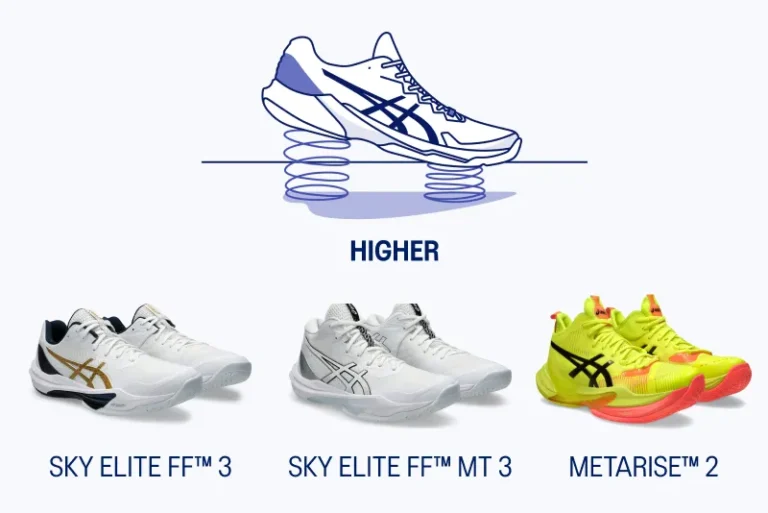
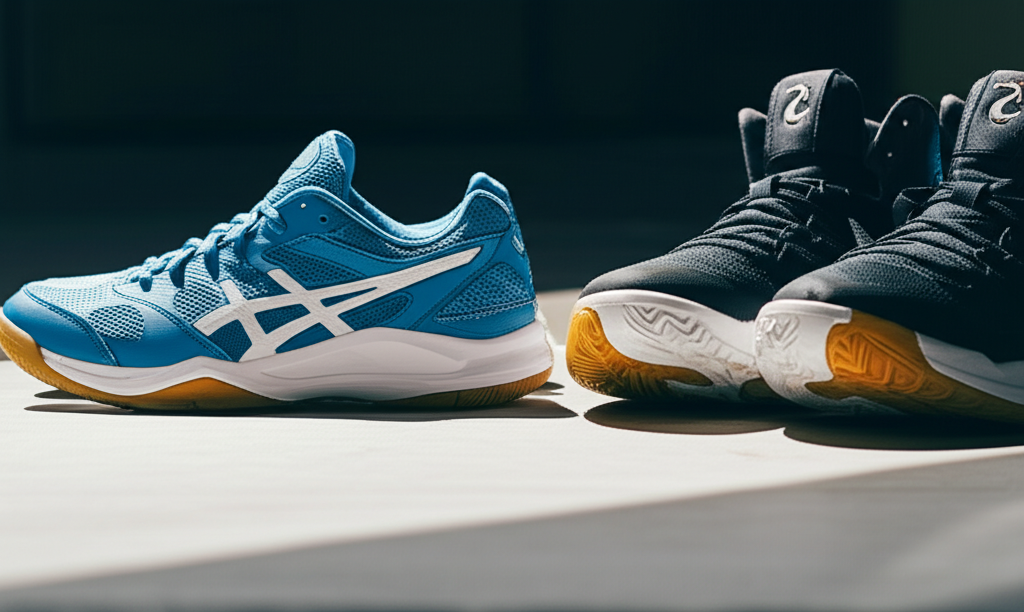
1. Volleyball Shoes
These are designed for the specific movements in volleyball: quick stops, starts, jumps, and lateral movements. They offer excellent grip, cushioning, and ankle support.
- Key Features: Non-marking soles, good cushioning, ankle support, lightweight design.
- Brands to Consider: Asics, Mizuno, Nike, Adidas.
Here’s a comparison of popular volleyball shoe features:
| Brand | Popular Model(s) | Key Features | Best For |
|---|---|---|---|
| Asics | GEL-Rocket, GEL-Netburner Ballistic | Excellent GEL cushioning, good stability, durable | All-around players, those needing good shock absorption |
| Mizuno | Wave Lightning, Wave Momentum | Lightweight, responsive cushioning (Wave technology), good fit | Quick players, attackers, those prioritizing agility |
| Nike | Zoom Hyperspeed, React Hyperset | Responsive cushioning, stylish design, good traction | Players seeking modern tech, good for various positions |
| Adidas | Crazyflight, Stabil | Boost/Bounce cushioning, supportive fit, good grip | Players looking for energy return, stability |
2. Athletic Apparel
Comfortable, moisture-wicking clothing is essential. Think athletic shorts or leggings and a breathable jersey or t-shirt.
3. Knee Pads
Crucial for protecting your knees during dives and defensive plays. Look for comfortable, padded options that stay in place.
4. Ankle Braces (Optional but Recommended)
If you have a history of ankle injuries or want extra support, consider ankle braces. They can provide stability and help prevent sprains.
5. Water Bottle
Staying hydrated is vital for performance and preventing cramps.
Common Questions About Height and Volleyball
Let’s address some of the most frequent questions beginners have about height in volleyball.
Q1: Do I have to be tall to play volleyball?
A1: No, absolutely not! While height is an advantage for certain positions like middle blockers and hitters, players of all sizes can excel. Players who are not as tall often develop superior skills in agility, ball control, speed, and court awareness, making them invaluable to the team, especially as setters or liberos.
Q2: What is the average height of a volleyball player?
A2: The average height can vary greatly depending on the level of play and the specific position. Professional male players often average around 6’4″ to 6’6″, while professional female players might average 6’0″ to 6’2″. However, these are just averages, and many successful players fall outside these ranges.
Q3: If I’m short, what position should I play?
A3: If you’re on the shorter side, you’ll likely find great success as a setter or a libero/defensive specialist. These positions rely heavily on quickness, agility, exceptional ball-handling skills, and smart play rather than height. However, with a strong vertical jump and excellent attacking technique, shorter players can also be effective outside hitters.
Q4: How can I improve my vertical jump if I’m not tall?
A4: You can significantly improve your vertical jump through dedicated training! Focus on plyometric exercises like box jumps, jump squats, and tuck jumps. Strength training, especially for your legs (squats, lunges) and core, is also crucial. Proper technique and consistent practice will help you maximize your jumping ability.
Q5: Is height more important in men’s or women’s volleyball?
A5: Height is a significant advantage in both men’s and women’s volleyball, but the physical differences mean that the average height of players is generally higher in men’s volleyball. This often translates to slightly higher nets and more powerful attacks in the men’s game, making height a particularly pronounced factor for offensive and blocking positions.
Q6: Can I still block effectively if I’m not the tallest player?
A6: Yes, you can improve your blocking effectiveness even if you’re not the tallest. Focus on improving your vertical jump to get your hands as high as possible. Learn proper blocking technique, including timing your jump, penetrating the net, and sealing the block. Good positioning and reading the hitter also play a huge role.
Q7: What are the most important skills for a beginner volleyball player?
A7: For beginners, the most important skills to focus on are fundamental ball control: passing (bumping), setting, and serving. Developing a consistent and accurate serve is crucial for starting rallies. Good passing allows your team to run an effective offense, and learning basic setting technique is also vital. Agility and communication are also key skills to build from