What is the Difference Between Indoor And Outdoor Pickleball: Key Insights

Pickleball can be played both indoors and outdoors. But what are the key differences?
Pickleball is a fun, fast-growing sport enjoyed by many. While it can be played indoors and outdoors, the game changes based on the environment. Understanding the differences helps you choose the right equipment and strategy. Indoor pickleball usually features a smoother ball, which moves slower and offers more control.
Outdoor pickleball uses a harder, perforated ball that travels faster and requires more skill to manage wind and weather conditions. Knowing these differences can enhance your game and ensure you’re prepared for any setting. In this blog post, we will explore the specifics of indoor versus outdoor pickleball, helping you become a better, more versatile player.

Credit: www.justpaddles.com
Basic Rules Of Pickleball
Pickleball is a popular sport that combines elements of tennis, badminton, and ping-pong. It can be played both indoors and outdoors, with each setting having its own specific rules and nuances. Understanding the basic rules of pickleball is essential for enjoying the game, whether you play indoors or outdoors.
Court Dimensions
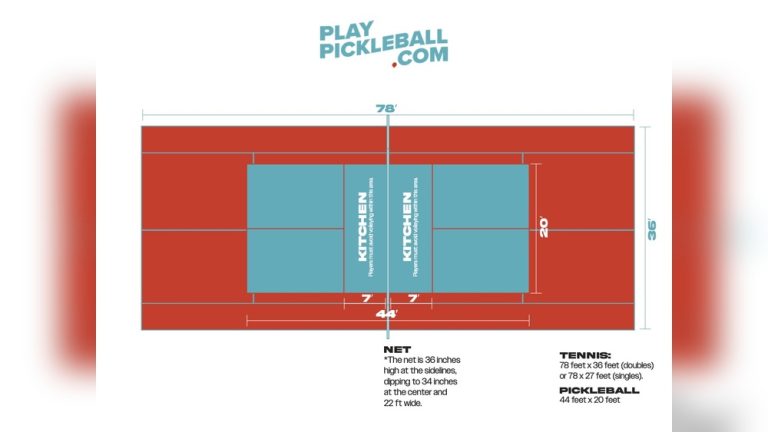
Pickleball courts have the same dimensions whether played indoors or outdoors. The court is 20 feet wide and 44 feet long for both singles and doubles play. The net is 36 inches high at the sidelines and 34 inches at the center. The court is divided into two halves by the net, with each half having a non-volley zone, also known as the kitchen, which extends 7 feet from the net. The remaining area is divided into service courts.
Equipment Used
The equipment used in pickleball includes paddles, balls, and a net. Paddles are made of wood or composite materials and are smaller than tennis rackets. Indoor pickleball balls are made of plastic with smaller holes, making them lighter and softer. Outdoor balls are heavier and have larger holes to withstand wind and rough surfaces. The net used is the same for both indoor and outdoor play.

Credit: www.bigdillpickleballcompany.com
Indoor Pickleball
Indoor pickleball offers a unique experience compared to outdoor play. Players can enjoy a controlled environment, which can impact various aspects of the game. Let’s dive into the details of indoor pickleball and see how it differs from its outdoor counterpart.
Court Surface
Indoor pickleball courts usually have smooth surfaces. These surfaces can be made of wood, rubber, or synthetic materials. The smoothness allows for consistent ball bounce. Players often find it easier to move quickly. The court’s surface can affect the speed and spin of the ball. This can make the game more predictable.
Environmental Factors
Indoor pickleball is not affected by weather. No wind to change the ball’s direction. No sun to glare in your eyes. This makes the indoor game more consistent. The temperature is also controlled. This can reduce the risk of injury. Players can focus more on their game.
Outdoor Pickleball
Outdoor Pickleball is a popular way to enjoy the sport in fresh air. Players love the open sky and sunshine. But there are key differences between indoor and outdoor play.
Court Surface
Outdoor Pickleball courts are often made of concrete or asphalt. These surfaces are durable and handle weather changes well. The hard surface affects the ball’s bounce. It tends to be faster and more unpredictable. Players need to adjust their game accordingly.
Weather Conditions
Weather plays a big role in outdoor Pickleball. Wind can change the ball’s direction. Players must be ready for unexpected moves. Sunlight can also be a factor. It can affect visibility and cause glare. Wearing proper gear and using sunscreen is important.
Rain can make the court slippery. It is not safe to play on a wet court. Always check the weather forecast before heading out. Cold temperatures can affect the ball’s bounce. It becomes less lively and harder to control.
Differences In Play Style
Pickleball is a fun and engaging sport enjoyed by many. Indoor and outdoor pickleball have different play styles. These variations impact the overall game experience. Let’s explore these differences.
Pace Of The Game
Indoor pickleball often has a faster pace. The court surface is usually smoother. Players can move and react quickly. Outdoor pickleball tends to be slower. The rougher surface slows down the ball. Wind and weather also affect the pace.
Ball Dynamics
Indoor balls are lighter and have smaller holes. They travel faster and bounce higher. Outdoor balls are heavier with larger holes. They are designed to handle wind and uneven surfaces. The dynamics of the ball greatly influence the play style.
Equipment Variations
Pickleball is a fun sport that can be played both indoors and outdoors. While the basic rules stay the same, there are some key differences in the equipment used for each setting. Understanding these variations can help you choose the right gear and improve your game.
Paddles
Indoor and outdoor pickleball paddles are generally similar. Both are made from lightweight materials like graphite or composite. However, outdoor paddles often have a more durable surface. This is to withstand the rougher conditions of playing outside. Indoor paddles, on the other hand, may have a smoother surface. This helps with control and precision on indoor courts.
Balls
The balls used in indoor and outdoor pickleball are different. Indoor balls are lighter and have larger holes. This helps them move more slowly and with better control. Outdoor balls are heavier and have smaller holes. This design helps them withstand wind and other outdoor elements. Using the right ball for your setting can make a big difference in your game.
Physical And Mental Challenges
Physical and mental challenges play a crucial role in distinguishing indoor and outdoor pickleball. Both environments demand different skills and levels of endurance. Understanding these challenges can help players improve their game and enjoy the sport more fully.
Stamina And Endurance
Indoor pickleball often involves faster-paced games. The controlled environment means fewer weather-related interruptions. This leads to more continuous play. Players need good stamina to keep up the pace.
Outdoor pickleball adds another layer of endurance. Wind, sun, and changing temperatures can make games more physically taxing. Players must adapt quickly to these elements. This demands a higher level of physical fitness.
Mental Focus
Indoor pickleball requires sharp mental focus. The consistent environment means fewer distractions. Players can concentrate more on their strategy and skill execution.
Outdoor pickleball presents unique mental challenges. Weather conditions can change rapidly. Players must stay mentally adaptable. Concentration is key to dealing with unpredictable elements.
Choosing The Right Format
Choosing the right format for pickleball can greatly impact your experience. Whether you play indoors or outdoors, each format offers unique challenges and benefits. Understanding these differences can help you make the best choice for your skill level and personal preferences.
Skill Level Considerations
Indoor pickleball is often more predictable. The controlled environment reduces the impact of weather conditions. This can be beneficial for beginners who are still mastering basic skills. The consistent surface and lighting indoors make it easier to focus on technique.
Outdoor pickleball presents more variables. Wind, sun, and uneven surfaces can add complexity to the game. This can be challenging for new players. However, it can also help improve adaptability and problem-solving skills. Experienced players might enjoy the extra challenge that outdoor play provides.
Personal Preferences
Personal preferences play a significant role in choosing the right format. Some players prefer the comfort of indoor facilities. These often have amenities like climate control and better lighting. Indoor courts can also be available year-round.
Others enjoy the open-air experience of outdoor pickleball. Playing outdoors can be more social and offer a sense of freedom. The natural elements, like fresh air and sunshine, can make the game more enjoyable. Outdoor play also allows for larger spaces and more opportunities to play in different locations.

Credit: www.paddletek.com
Frequently Asked Questions
What Is Indoor Pickleball?
Indoor pickleball is played on courts inside buildings, often with wooden floors. The environment is controlled, preventing weather disruptions.
What Is Outdoor Pickleball?
Outdoor pickleball is played on courts outside, usually with concrete or asphalt surfaces. Weather conditions can affect the game.
How Do Indoor And Outdoor Pickleball Balls Differ?
Indoor balls are lighter and have larger holes, while outdoor balls are heavier with smaller holes. This affects their bounce and speed.
Are The Rules Different For Indoor And Outdoor Pickleball?
No, the rules remain the same for both indoor and outdoor pickleball. Only the playing conditions differ.
Conclusion
Indoor and outdoor pickleball offer unique experiences. Indoor games provide consistent conditions. Outdoor play, however, brings weather challenges. Both settings have their own appeal. Choosing between them depends on personal preference. Indoor courts are great for controlled environments. Outdoor courts offer fresh air and space.
Try both to find your favorite. Enjoy the game, no matter where you play.