How to Teach Pickleball: Expert Tips for Success

Teaching pickleball can be fun and rewarding. It’s a growing sport with simple rules.
Pickleball blends elements of tennis, badminton, and ping-pong. It’s easy to learn and great for all ages. Many people want to play, but they need guidance. As a coach, you can help them enjoy the game while learning skills. This blog will guide you on how to teach pickleball.
We’ll cover basic techniques, drills, and tips for engaging sessions. Whether you’re a seasoned player or a newcomer, you’ll find useful advice here. Let’s help others discover the joy of pickleball!
Introduction To Pickleball
Pickleball is a fun and easy game to learn. It combines elements of tennis, badminton, and ping-pong. Many people find it enjoyable because it is simple to play. Both young and old can enjoy it.
What Is Pickleball?
Pickleball is a paddle sport. Two or four players hit a ball over a net. The ball used is similar to a wiffle ball. The court is smaller than a tennis court. The game can be played indoors or outdoors. It is a blend of several racket sports.
History And Evolution
Pickleball started in the 1960s. It was created by three dads. They wanted to entertain their kids. They used a badminton court and lowered the net. They created paddles and used a perforated plastic ball. The game grew popular in the United States. It spread to other countries over time.
Today, pickleball is one of the fastest-growing sports. People of all ages and skill levels play it. There are many clubs and tournaments. The game continues to evolve. New rules and techniques are always being developed.
Essential Equipment
To start teaching pickleball, you need the right equipment. This ensures a smooth learning experience for your students. Proper gear can make a big difference in how quickly they pick up the game. Below, we’ll discuss the key pieces of equipment: paddles, balls, and court setup.
Paddles
Paddles are a vital part of pickleball. They come in different materials, including wood, composite, and graphite. Each type has its pros and cons.
- Wood Paddles: Affordable but heavier. Good for beginners.
- Composite Paddles: Balanced in weight and cost. Suitable for all skill levels.
- Graphite Paddles: Lightweight and precise. Preferred by advanced players.
Choose a paddle that fits the player’s skill level and comfort.
Balls
Pickleball balls come in two types: indoor and outdoor. Both have unique features.
| Type | Features |
|---|---|
| Indoor Balls | Lighter with larger holes. Bounce less. |
| Outdoor Balls | Heavier with smaller holes. Durable in wind. |
Use indoor balls for gym settings and outdoor balls for open courts.
Court Setup
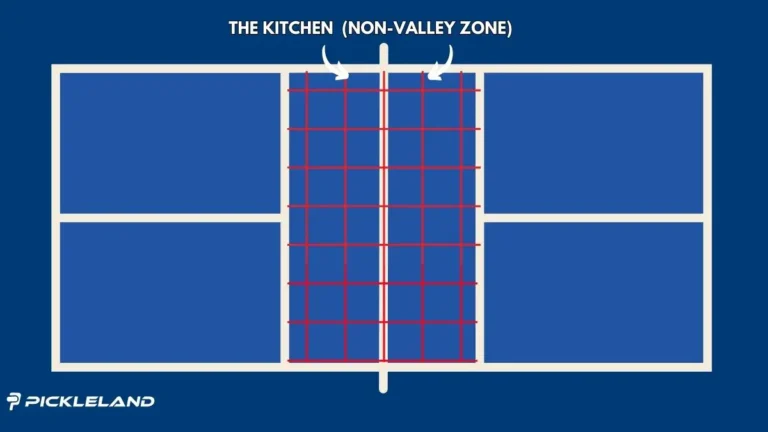
The court setup is crucial. It ensures a fair and enjoyable game. A standard pickleball court is 20 feet wide and 44 feet long.
Here are the basic components:
- Net: 36 inches high at the ends, 34 inches at the center.
- Lines: Mark the sidelines, baselines, non-volley zone, and centerlines.
- Non-Volley Zone: Also known as the “kitchen,” it extends 7 feet from the net.
Ensure the court is clean and free of obstacles.
Basic Rules And Scoring
Learning the basic rules and scoring of pickleball is essential for beginners. These rules ensure fair play and make the game enjoyable for everyone. Let’s delve into the fundamental aspects of pickleball, including serving, scoring, and faults.
Serving Rules
The serve is crucial in pickleball. Here are the basic serving rules:
- Serves must be underhand.
- Contact with the ball must be below the waist.
- The serve must be diagonal, cross-court.
- Both feet must be behind the baseline.
- Only one serve attempt is allowed (except in case of a let).
Scoring System
Understanding the scoring system is key to playing pickleball. Matches are typically played to 11 points, and a team must win by 2 points. Here is how scoring works:
- Points are scored only by the serving team.
- Each time a point is scored, the server switches sides.
- The first team to reach 11 points with a 2-point lead wins.
- In doubles, both players serve before the serve switches to the opponents.
Here is a simple table to illustrate the scoring system:
| Score | Server | Receiver |
|---|---|---|
| 0-0 | Team A | Team B |
| 1-0 | Team A | Team B |
| 0-1 | Team B | Team A |
Faults And Penalties
Faults occur frequently in pickleball. Knowing them helps avoid penalties. Here are common faults:
- Serving out of bounds.
- Hitting the net with the ball on serve.
- Volleying the ball before it bounces once on each side (double bounce rule).
- Stepping into the non-volley zone and volleying the ball.
- Double hitting the ball or carrying it.
Penalties for faults include losing the serve or points. Keeping these rules in mind ensures a smooth and enjoyable game.

Credit: www.selkirk.com
Teaching Fundamental Skills
Teaching fundamental skills in pickleball is essential for beginners. It lays the foundation for more advanced techniques. Here, we will focus on three critical areas: grip techniques, basic strokes, and footwork and positioning. Mastering these skills will enhance your students’ performance on the court.
Grip Techniques
Grip is a basic yet crucial aspect of playing pickleball. A proper grip helps control the paddle and improves shot accuracy. The most common grip is the continental grip.
To achieve the continental grip:
- Hold the paddle like a handshake.
- Place the index finger on one flat side.
- Wrap the remaining fingers around the handle.
This grip works well for both forehand and backhand shots. Encourage students to practice holding the paddle comfortably.
Basic Strokes
Basic strokes form the backbone of pickleball. Focus on these three strokes: forehand, backhand, and serve.
| Stroke | Description |
|---|---|
| Forehand | Hit with the front of the hand facing the ball. |
| Backhand | Hit with the back of the hand facing the ball. |
| Serve | Start the point by hitting the ball diagonally. |
Practice each stroke separately. Use drills to enhance muscle memory. For example, practice hitting forehand shots against a wall.
Footwork And Positioning
Good footwork ensures you reach the ball efficiently. Positioning helps you stay balanced and ready for the next shot.
Here are some tips for improving footwork:
- Keep your feet shoulder-width apart.
- Bend your knees slightly for better balance.
- Move your feet, not your body, to reach the ball.
Positioning is crucial during play:
- Stand near the centerline when serving.
- Move to the non-volley zone after the serve.
- Stay alert and ready to adjust your position.
Regular practice and drills can help improve both footwork and positioning. Incorporate these exercises into your training sessions.
Developing Advanced Techniques
Teaching advanced techniques in Pickleball requires patience and practice. Players need to master basic skills first. Once they are comfortable, introduce more complex moves. This section covers three key areas to focus on.
Spin And Slice
Spin and slice add variety to shots. They can confuse opponents. Here’s how to teach them:
- Topspin: Teach players to brush up on the ball. This makes it dip quickly.
- Backspin: Players should brush down the ball. This causes it to float.
- Side Spin: Show how to hit the ball with a side motion. This makes it curve.
Practice these shots in drills. Start slow. Increase speed as they improve.
Dinking Strategies
Dinking is a soft shot. It keeps the ball low. It is often used near the net. Here are some tips:
- Keep the paddle angle open.
- Use a light touch.
- Focus on control, not power.
- Practice placing the ball in different spots.
Encourage players to dink during games. This helps them see its value.
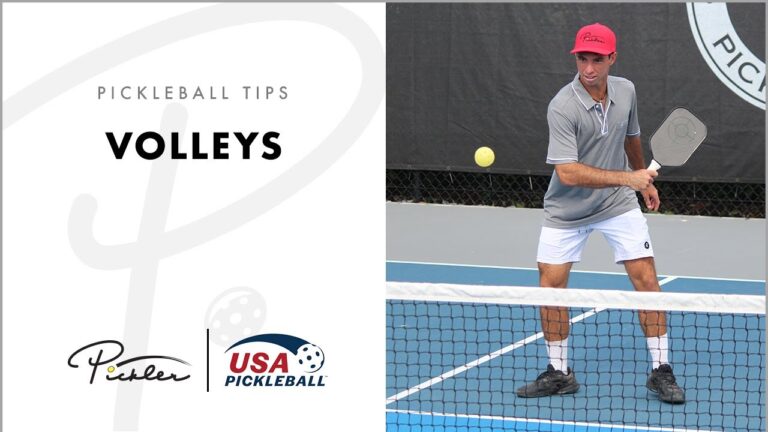
Volleys And Smashes
Volleys and smashes are aggressive shots. They can end a rally quickly. Teach players these techniques:
| Technique | Description |
|---|---|
| Volley | Hit the ball before it bounces. Use quick reflexes. Keep the paddle in front. |
| Smash | Hit the ball hard. Aim it downwards. Use full body strength. |
Use drills to practice these shots. Focus on accuracy and power.
Effective Practice Drills
Effective practice drills are vital to teaching pickleball. They help players improve their skills, coordination, and overall game performance. By incorporating various drills, players can focus on different aspects of the game and develop a well-rounded skill set. Here, we will explore three types of practice drills: Solo Drills, Partner Drills, and Group Drills.
Solo Drills
Practicing alone can be very beneficial. It allows players to focus on individual skills without distraction.
- Wall Bounce: Hit the ball against a wall. Aim for consistent bounces. This improves control and hand-eye coordination.
- Shadow Swing: Practice swings without a ball. Focus on form and technique.
- Footwork Drills: Move side to side. Mimic in-game movements. This enhances agility and speed.
Partner Drills
Working with a partner adds an element of interaction. It simulates real game situations.
- Volley Exchanges: Stand close to the net. Exchange volleys back and forth. This improves reaction time.
- Serve and Return: One player serves, the other returns. Focus on accuracy and placement.
- Dink Drills: Practice soft shots near the net. This enhances control and touch.
Group Drills
Group drills foster teamwork and communication. They are excellent for developing game strategies.
- King of the Court: Rotate players in and out. The winner stays on the court.
- Round Robin: Play mini-games with different partners. This builds adaptability and teamwork.
- Team Relay: Split into teams. Compete in various drills. This encourages friendly competition.
Coaching Tips For Different Skill Levels
Teaching pickleball requires adapting to various skill levels. Each player has unique needs based on their experience and abilities. Effective coaching ensures that beginners, intermediate players, and advanced players can all improve their skills.
Beginners
For beginners, the focus should be on the basics. Start with understanding the rules of the game. Teach them how to hold the paddle correctly. Use simple drills to introduce basic shots like forehand and backhand. Emphasize the importance of the ready position. Ensure they understand court positioning and movement.
- Basic Shots: Forehand, Backhand
- Serving: Underhand serve technique
- Positioning: Ready position and court movement
Intermediate Players
Intermediate players should refine their basic skills. Focus on improving shot accuracy and consistency. Introduce more advanced strategies. Teach them how to use spin shots and improve their serve variety. Encourage them to practice more complex footwork drills.
- Refining Shots: Spin shots, drop shots
- Advanced Serving: Different serve techniques
- Footwork: Lateral and diagonal movements
Advanced Players
Advanced players need to focus on strategy and precision. Teach them how to anticipate their opponent’s moves. Work on developing advanced shots such as the dink and lob. Emphasize the importance of mental toughness and game tactics. Encourage them to analyze their games and learn from mistakes.
- Advanced Shots: Dink, Lob
- Game Tactics: Anticipation and reaction
- Mental Toughness: Staying focused and calm

Credit: www.youtube.com
Building A Positive Learning Environment
Creating a positive learning environment is essential for teaching pickleball effectively. Learners thrive in a supportive space where they feel encouraged, receive constructive feedback, and learn the value of sportsmanship. Let’s explore how to build such an environment.
Encouragement And Motivation
Encouragement helps students stay motivated. Acknowledge their efforts and progress. Simple phrases like “Good job!” or “You’re improving!” can boost confidence. Use a mix of praise and positive reinforcement.
Set small, achievable goals. This keeps learners focused and driven. Celebrate these milestones to maintain enthusiasm. Consider creating a progress chart to visualize their growth.
- Recognize efforts, not just results.
- Use positive language.
- Celebrate small victories.
Constructive Feedback
Constructive feedback is crucial for improvement. Focus on specific actions rather than general comments. Instead of saying, “That was wrong,” explain what to adjust.
Use the “sandwich method”—start with a positive comment, provide constructive feedback, and end with encouragement. This approach ensures that feedback is received positively.
| Do | Don’t |
|---|---|
| Be specific. | Be vague. |
| Use positive reinforcement. | Focus on negatives. |
Fostering Sportsmanship
Teach the importance of sportsmanship from the start. This includes respecting opponents, following rules, and handling wins and losses gracefully. Good sportsmanship makes the game enjoyable for everyone.
Model the behavior you want to see. Show respect and kindness. Encourage players to shake hands after matches and to cheer for each other.
- Respect opponents and officials.
- Play fair and follow rules.
- Handle wins and losses gracefully.
Building a positive learning environment in pickleball fosters better players and better people. Encourage, provide constructive feedback, and teach sportsmanship for a supportive and effective learning experience.
Common Mistakes And How To Avoid Them
Teaching pickleball can be fun and rewarding, but common mistakes can hinder progress. Identifying and avoiding these mistakes can help players improve faster. Here are some common errors and tips to avoid them.
Technical Errors
Incorrect Grip: Many beginners hold the paddle too tightly. This limits their flexibility and control. Teach players to use a relaxed grip. It allows for better wrist movement and smoother shots.
Poor Footwork: Staying flat-footed is a common mistake. Encourage players to stay on the balls of their feet. It improves their reaction time and balance.
Improper Swing Mechanics: Over-swinging or under-swinging affects shot accuracy. Show players the correct follow-through. This ensures more controlled and powerful shots.
Strategic Missteps
Ignoring Court Positioning: Players often stand in the wrong spot. Teach the importance of positioning. Explain where to stand during different phases of the game.
Neglecting Serve and Return: The serve and return set the tone. Emphasize practicing these skills. Good serves and returns can put opponents on the defensive.
Over-hitting: Many players try to hit the ball too hard. This leads to errors. Teach them to focus on placement rather than power.
Mental Blocks
Lack of Confidence: New players often doubt their abilities. Encourage them to focus on their progress. Celebrate small victories to build confidence.
Fear of Failure: Fear can paralyze players. Teach them that mistakes are part of learning. Encourage a growth mindset. Every mistake is a chance to improve.
Overthinking: Many players overthink their moves. This causes hesitation. Teach them to trust their instincts. Quick decisions often lead to better plays.

Credit: www.youtube.com
Resources For Continued Learning
Teaching pickleball can be a rewarding experience. To become an effective instructor, continuous learning is essential. This section provides valuable resources to enhance your teaching skills. These resources include books, online tutorials, and local clubs.
Books And Guides
Books and guides are excellent resources for deepening your knowledge of pickleball. They offer detailed explanations, strategies, and tips for teaching the game.
- The Art of Pickleball by Gale Leach – A comprehensive guide covering rules, strategies, and drills.
- Pickleball Fundamentals by Mary Littlewood – Ideal for beginners, focusing on basic skills and techniques.
- Pickleball Strategy: The Ultimate Guide by Joe Baker – Advanced strategies and tactics for competitive play.
Online Tutorials
Online tutorials provide visual and interactive learning experiences. They are perfect for understanding the dynamics of the game.
- Pickleball Channel – Offers free videos on drills, strategies, and game analysis.
- PrimeTime Pickleball – Provides in-depth tutorials and training programs for all skill levels.
- Third Shot Sports – Focuses on advanced techniques and competitive strategies.
Local Clubs And Communities
Joining local clubs and communities allows for hands-on practice and networking with other enthusiasts. These environments foster learning and improvement.
| Club/Community | Location | Benefits |
|---|---|---|
| Pickleball Central Club | Nationwide | Regular meetups, tournaments, and coaching sessions. |
| USA Pickleball Association | Various Locations | Workshops, clinics, and certification programs. |
| Local YMCA | Community-based | Access to courts, beginner classes, and social events. |
These resources will help you become a better pickleball teacher. Books and guides offer in-depth knowledge. Online tutorials provide visual learning. Local clubs and communities offer practical experience.
Frequently Asked Questions
What Is The Best Way To Teach Pickleball?
The best way to teach pickleball is to start with basic rules. Focus on grip, footwork, and paddle control. Use simple drills and practice regularly.
How Do You Introduce Pickleball To Beginners?
Introduce pickleball to beginners by explaining the rules briefly. Demonstrate basic strokes and serve techniques. Encourage practice through fun, simple drills.
What Equipment Do I Need To Teach Pickleball?
To teach pickleball, you’ll need paddles, balls, and a net. Comfortable athletic shoes and appropriate attire are also essential.
How Long Does It Take To Learn Pickleball?
Learning pickleball basics can take a few hours. Mastering advanced techniques usually requires several weeks of consistent practice.
Conclusion
Teaching pickleball can be a fun experience. Start with basic rules and techniques. Use simple drills to build skills. Encourage your students to practice regularly. Keep the lessons engaging and positive. Celebrate progress, no matter how small. With patience and consistency, your students will improve.
Soon, they will enjoy playing pickleball confidently. Happy teaching!