
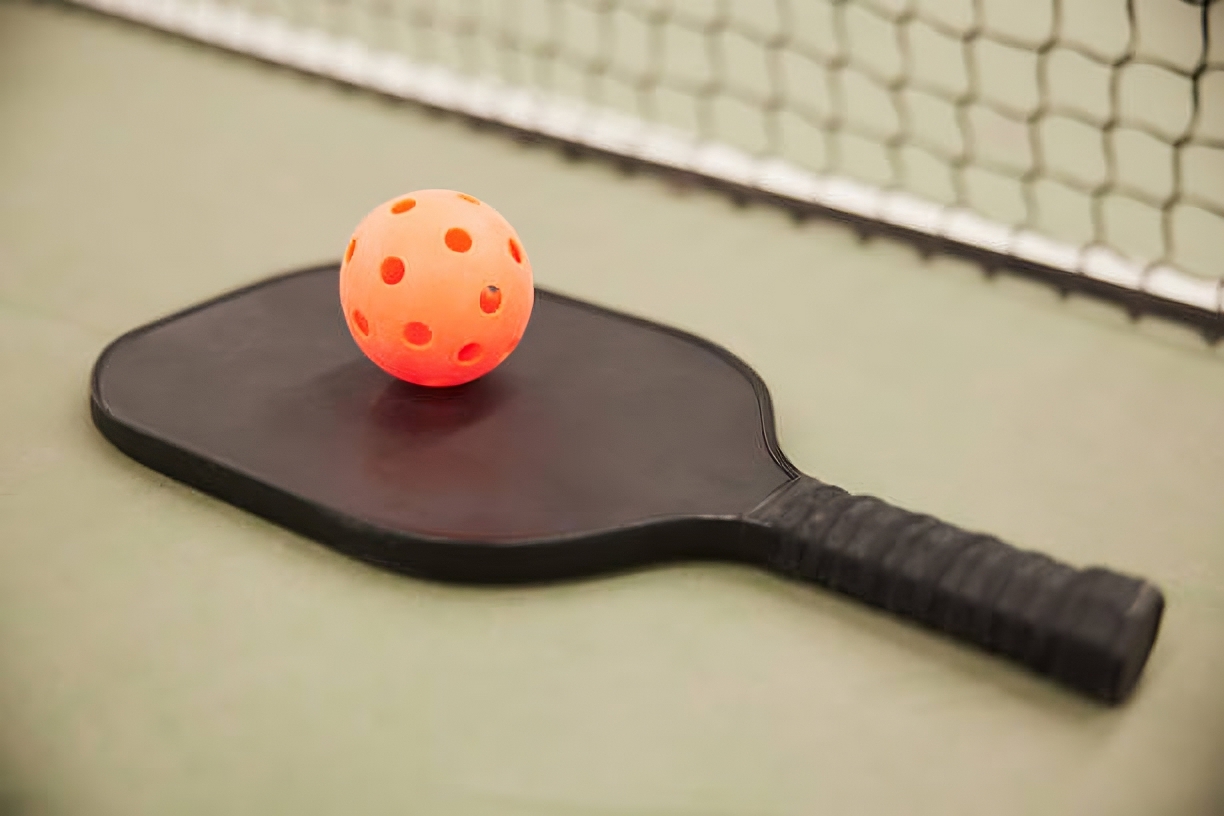
Cleaning your pickleball paddle grip is essential for maintaining its performance. A clean grip provides better control and comfort during play.
In this guide, you will learn simple steps to keep your pickleball paddle grip in top condition. Pickleball is a fast-paced sport that can make you sweat. Over time, dirt, sweat, and oils can build up on your paddle grip.
This buildup can make the grip slippery and hard to hold. Regular cleaning helps maintain the grip’s tackiness and extends its life. It’s a straightforward process that doesn’t require special tools or materials. By following a few easy steps, you can keep your pickleball paddle grip clean and ready for action. Let’s dive into the details and get your paddle grip looking and feeling like new.
Credit: www.amazon.com
Contents
- 1 Introduction To Pickleball Paddle Grip Care
- 2 Necessary Cleaning Supplies
- 3 Step-by-step Cleaning Process
- 4 Deep Cleaning Methods
- 5 Maintaining Grip Longevity
- 6 Preventing Grip Damage
- 7 Choosing The Right Grip Materials
- 8 Expert Tips And Tricks
- 9 Faqs On Paddle Grip Cleaning
- 10 Frequently Asked Questions
- 11 Conclusion
Introduction To Pickleball Paddle Grip Care
A clean grip on your pickleball paddle is very important. It helps you play better. A good grip stops the paddle from slipping. This makes your shots more accurate. Clean grips also feel comfortable in your hand. A dirty grip can cause blisters. So, clean grips are better for your health.
Dirty grips can cause several problems. They make the paddle slip. This can lead to missed shots. Dirt and sweat can build up. This can make the grip sticky. Sticky grips are hard to hold. Dirty grips can also smell bad. This is not pleasant for you or your friends.
Necessary Cleaning Supplies
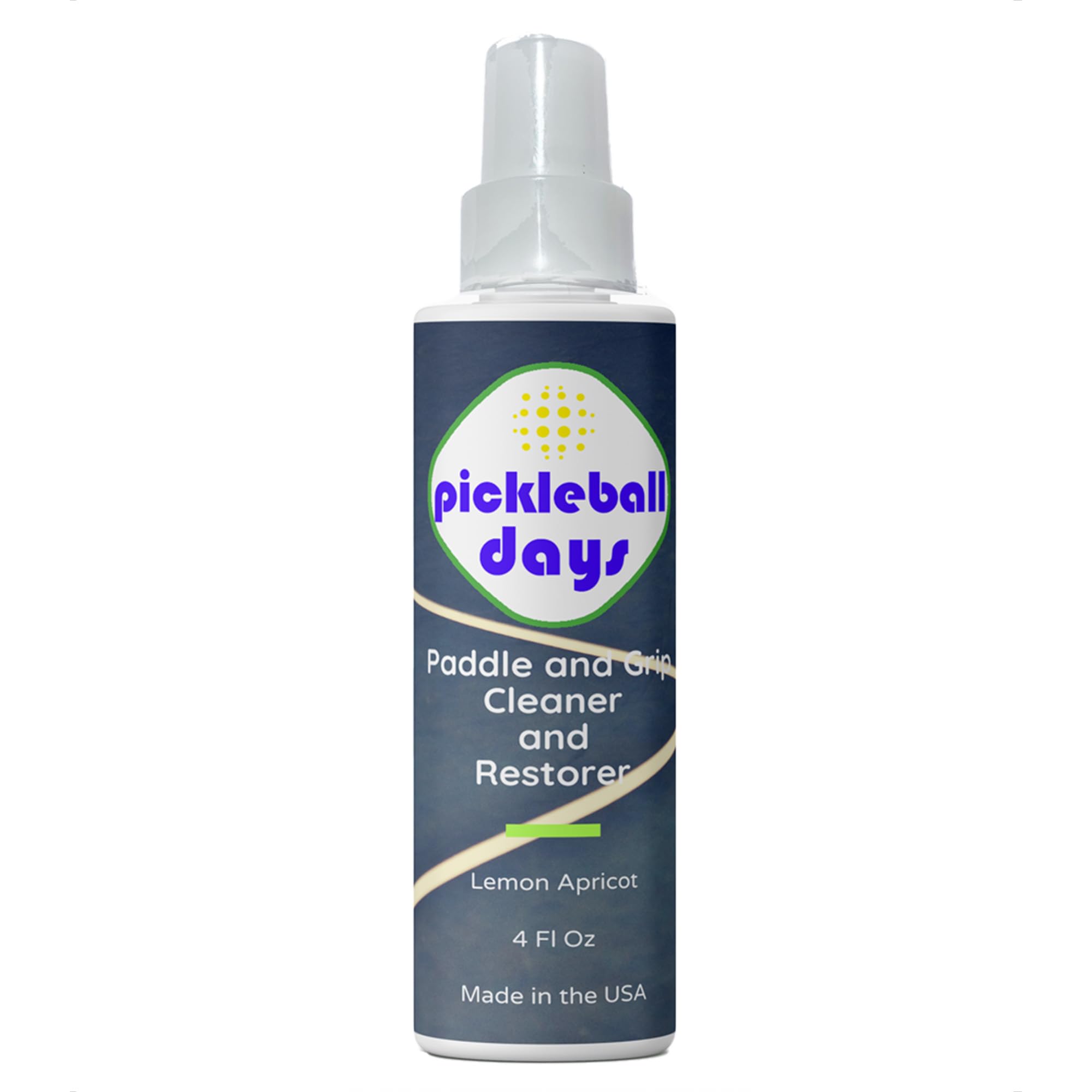
Use a mild soap or a specialized sports equipment cleaner. These products help remove dirt and sweat without damaging the grip. Rubbing alcohol can also be useful. It cleans and disinfects at the same time. Always check the labels to ensure they are safe for your paddle grip.
Warm water and mild dish soap are great for cleaning. A soft cloth helps scrub away dirt gently. White vinegar can be mixed with water for a natural cleaning solution. Use a toothbrush for hard-to-reach areas.
Step-by-step Cleaning Process
Gently clean your pickleball paddle grip with a damp cloth and mild soap. Wipe thoroughly to remove dirt and sweat. Allow it to air dry completely before use.
Preparing Your Paddle
First, get a soft cloth and some warm water. Remove any dirt or debris from the grip. Use gentle strokes to avoid damage. Check the paddle for any loose parts. If found, fix them before cleaning. Avoid soaking the paddle in water. It might damage the material.
Cleaning Techniques
Use a mild soap mixed with water. Dip the cloth in the soapy water. Wipe the grip gently. Make sure to clean all sides. Rinse the cloth with clean water. Wipe the grip again to remove soap. Dry the grip with a clean towel. Let it air dry completely before using.
Deep Cleaning Methods
Deep clean your pickleball paddle grip every few months. Regular cleaning keeps it fresh and long-lasting. If you play often, deep clean more frequently. Dirt and sweat build up over time. This affects your grip and play. A clean grip improves performance.
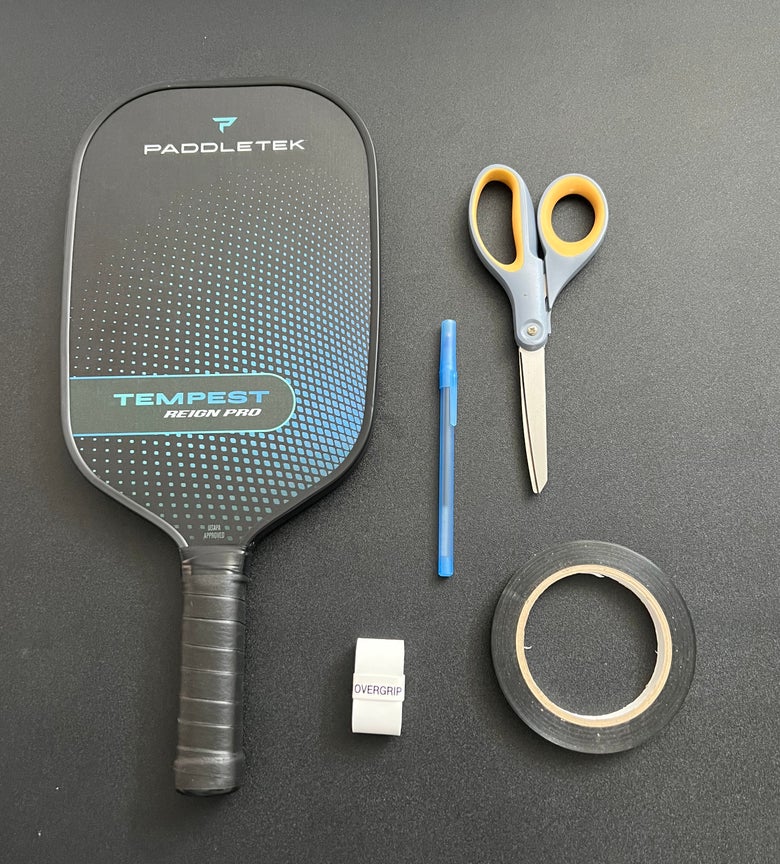
Start by removing the grip tape. Use soap and warm water to clean the handle. Avoid soaking the paddle. Dry it with a towel. Apply rubbing alcohol to a cloth. Wipe down the handle for extra cleanliness. Let it air dry.
Rewrap the grip with new tape. Make sure it is tight. This ensures a good hold. Check for any loose ends. Trim excess tape if needed. Your paddle is now ready for use. A clean grip helps you play better.
Maintaining Grip Longevity
Keep your paddle grip clean. Use a damp cloth to wipe it down. Avoid using soap or harsh chemicals. This can damage the grip. Dry it with a towel after cleaning. Store your paddle in a cool, dry place. Avoid leaving it in the sun or a hot car.
Check your grip often. Look for signs of wear. Fraying edges mean it’s time to replace. Slippery grip is another sign. Loss of tackiness can affect your game. Replace the grip to maintain control.
Preventing Grip Damage
Many people make errors while cleaning their pickleball paddle grip. Using harsh chemicals can harm the grip. Also, avoid soaking the paddle in water. This can cause damage. Instead, use a damp cloth. Gently wipe the grip. Do not scrub too hard. This can wear out the material. Always let the grip air dry. Do not use a hairdryer or heater. Heat can warp the paddle.
Store your pickleball paddle in a cool, dry place. Keep it away from direct sunlight. Sunlight can fade the grip. Also, avoid places with high humidity. Moisture can cause mold. Use a paddle cover if possible. This adds extra protection. Do not stack heavy items on top of the paddle. This can bend or break it. Regularly check the grip for wear and tear. Replace it if needed.
Choosing The Right Grip Materials
Selecting the right grip materials is crucial for cleaning your pickleball paddle grip. Use a mild soap solution and a soft cloth. Gently wipe the grip to remove dirt and sweat.
Types Of Grip Materials
There are different materials for pickleball grips. Each has its own pros and cons. Leather grips are durable but can be expensive. They offer a good feel but might get slippery when wet. Synthetic grips are cheaper and provide good comfort. They can wear out faster than leather. Towel grips absorb sweat well but need frequent replacement. They are soft but can get dirty quickly.
Pros And Cons Of Each Material
| Material | Pros | Cons |
|---|---|---|
| Leather | Durable, good feel | Expensive, slippery when wet |
| Synthetic | Affordable, comfortable | Wears out faster |
| Towel | Absorbs sweat, soft | Needs frequent replacement, gets dirty |

Credit: www.amazon.com
Expert Tips And Tricks
Always use a damp cloth to wipe the paddle grip. Avoid soaking the grip. Water can damage it. Use a small amount of mild soap. Gently clean the grip. Rinse the cloth and wipe again. Make sure no soap is left. Let the grip air dry. Do not use a hairdryer. Heat can harm the grip.
Keep a cleaning kit handy. This includes a cloth, mild soap, and water. Clean the grip after each game. This prevents buildup of dirt. Use grip tape. It keeps the original grip clean. Replace the tape when it gets dirty. This saves time and keeps your grip fresh.
Faqs On Paddle Grip Cleaning
Cleaning your pickleball paddle grip is simple. Use a soft cloth. Dampen it with water. Gently wipe the grip. Avoid using harsh chemicals. They can damage the grip. Always air dry the paddle after cleaning. Do not expose it to direct sunlight for long.
Is your grip still slippery after cleaning? Try using a mild soap. Add a few drops to the damp cloth. Wipe the grip again. Sometimes, the grip might wear out. If it feels uncomfortable, consider replacing it. Regular cleaning helps maintain a good grip.
Credit: www.pickleballwarehouse.com
Frequently Asked Questions
How Often Should I Clean My Pickleball Paddle Grip?
You should clean your pickleball paddle grip after every few games. Regular cleaning helps maintain its grip and longevity.
What Materials Do I Need To Clean The Grip?
To clean the grip, you need a damp cloth, mild soap, and a dry towel. Avoid harsh chemicals.
Can I Use Alcohol To Clean My Paddle Grip?
It’s best to avoid using alcohol as it can damage the grip material. Use mild soap instead.
How Do I Dry The Paddle Grip After Cleaning?
After cleaning, gently pat the grip with a dry towel. Allow it to air dry completely before use.
Conclusion
Keeping your pickleball paddle grip clean is simple and crucial. Regular cleaning extends its life and improves your game. Use a gentle cloth and mild soap. Avoid harsh chemicals. Dry thoroughly before use. A clean grip enhances comfort and control.
Make it a habit. Clean after every game. Enjoy a better playing experience. Happy pickleball playing!
