
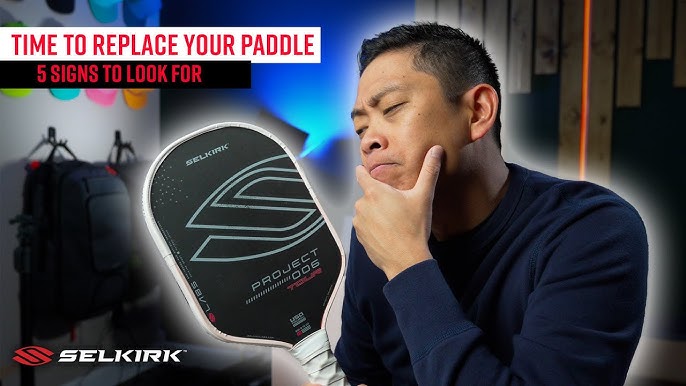
A pickleball paddle can last anywhere from 1 to 5 years. The lifespan depends on factors like usage, care, and material.
Pickleball is growing fast in popularity. With more players joining in, understanding how long equipment lasts is important. Your paddle is a key part of the game. It impacts your performance and enjoyment. Knowing its lifespan helps you plan better.
You can prepare for replacements and maintain your game level. In this blog, we’ll explore the factors affecting paddle longevity. You’ll learn how to extend its life and when to get a new one. Let’s dive into the details of pickleball paddle lifespan.
Contents
Introduction To Pickleball Paddles
Pickleball started in the 1960s. Three dads created it for their kids. They used ping pong paddles and a wiffle ball. The game grew fast. Now, many people play it. Pickleball paddles have changed a lot. At first, they were simple. Today, paddles are high-tech. They are made from new materials. These changes made the game better.
Quality affects how long a paddle lasts. Good paddles cost more. But they last longer. Cheap paddles wear out fast. They break easily. High-quality paddles are strong. They stay good for many games. Players should check for strong materials. Look for trusted brands. A good paddle feels right. It helps you play better. Always choose quality over price. It is a smart choice.
Factors Affecting Paddle Longevity
The quality of materials in a paddle matters a lot. Paddles made from high-quality materials last longer. Wood paddles wear out faster. Composite and graphite paddles are more durable. They handle more wear and tear. Choose a good quality paddle for better longevity.
How often you play affects your paddle. Frequent use leads to quicker wear. A paddle used daily wears out faster. Playing less often means the paddle lasts longer. Intense games also shorten paddle life. Keep this in mind when using your paddle.
Signs Of Wear And Tear
Scratches on the paddle’s face are common. Deep marks can affect play. Chips on the edges can also be a problem. These signs mean your paddle is aging. Such damage can change the ball’s bounce. Always check for cracks. A cracked paddle needs replacement soon. Dents can weaken the paddle. Watch out for any delamination. This is when layers separate. A worn surface can mean less control.
The handle might feel loose over time. Grips wear out with use. You may notice fraying. A weak handle can break. Always check for stability. A cracked handle is dangerous. It can snap during play. Replace the grip if it’s slippery. A strong handle gives better control. Comfort is key for good performance. A worn handle affects your game.
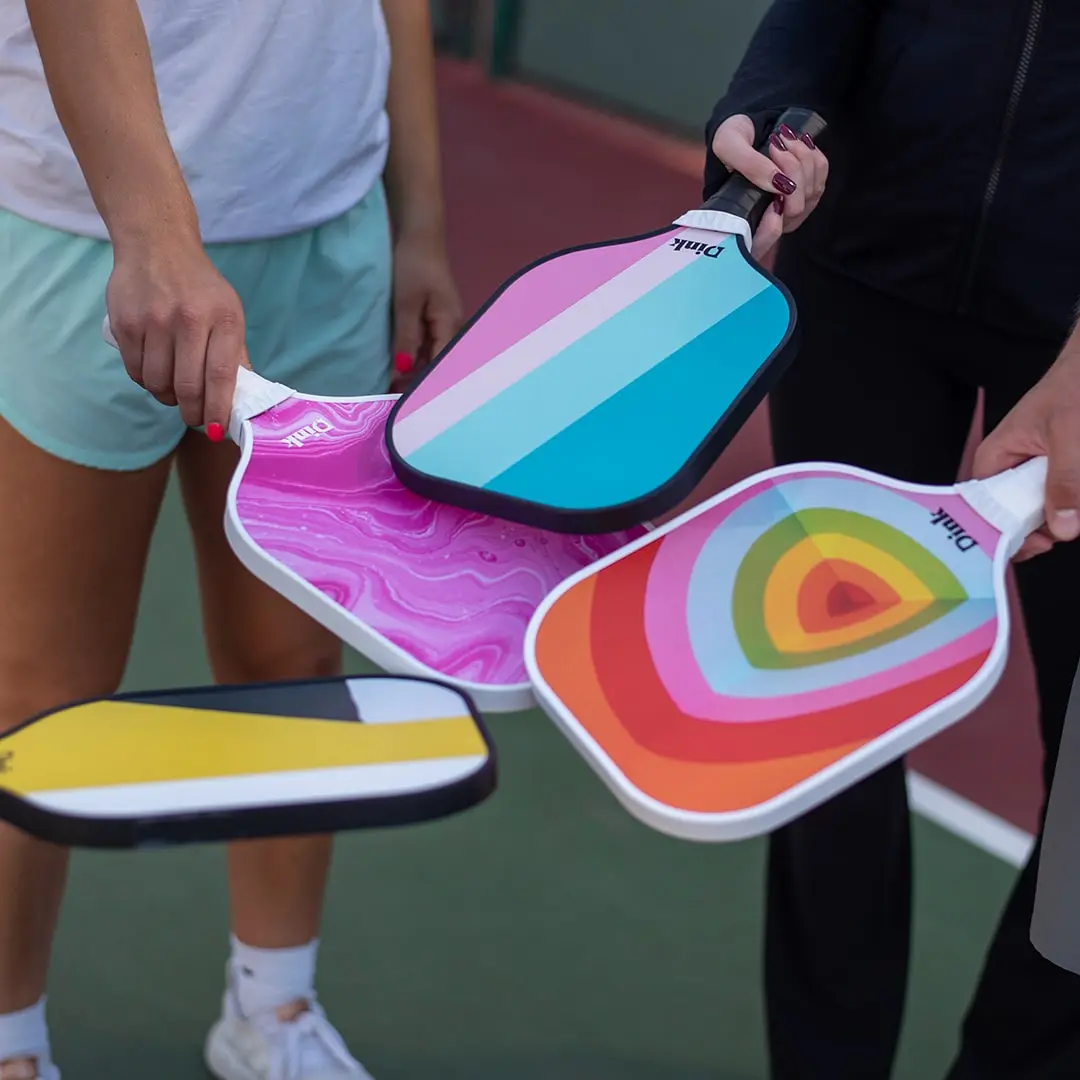
Credit: dinkusa.com
Impact Of Playing Style
An aggressive playing style can wear out a paddle faster. Hard hits and smashes create more stress. The paddle may break or crack. Defensive players use softer touches. They rely on control and placement. This style is gentle on the paddle. It lasts longer under this kind of use.
Players who often play will also impact durability. More games mean more wear and tear. Strong swings and frequent use shorten the paddle’s life. Keeping the paddle clean and stored properly helps. It can extend the paddle’s lifespan. But, the playing style is a big factor.
Maintenance Tips
Keep your pickleball paddle in top condition to extend its life. Clean it after each game and store it in a cool, dry place. Regular maintenance ensures durability and peak performance.
Cleaning Practices
Clean your pickleball paddle after each use. Use a damp cloth to remove dirt and sweat. Avoid harsh chemicals. They can damage the paddle. Mild soap and water work best. Pat the paddle dry with a towel. Do not let it stay wet. This can cause damage over time. Keep the grip clean and dry. This helps keep your paddle in good shape.
Proper Storage
Store your pickleball paddle in a cool, dry place. Avoid leaving it in direct sunlight. Sun can weaken the materials. Do not store it in very cold or hot places. Temperature extremes can harm the paddle. Use a paddle cover. This protects it from dust and scratches. Keep it away from heavy objects. They can cause dents or cracks. Proper storage helps your paddle last longer.
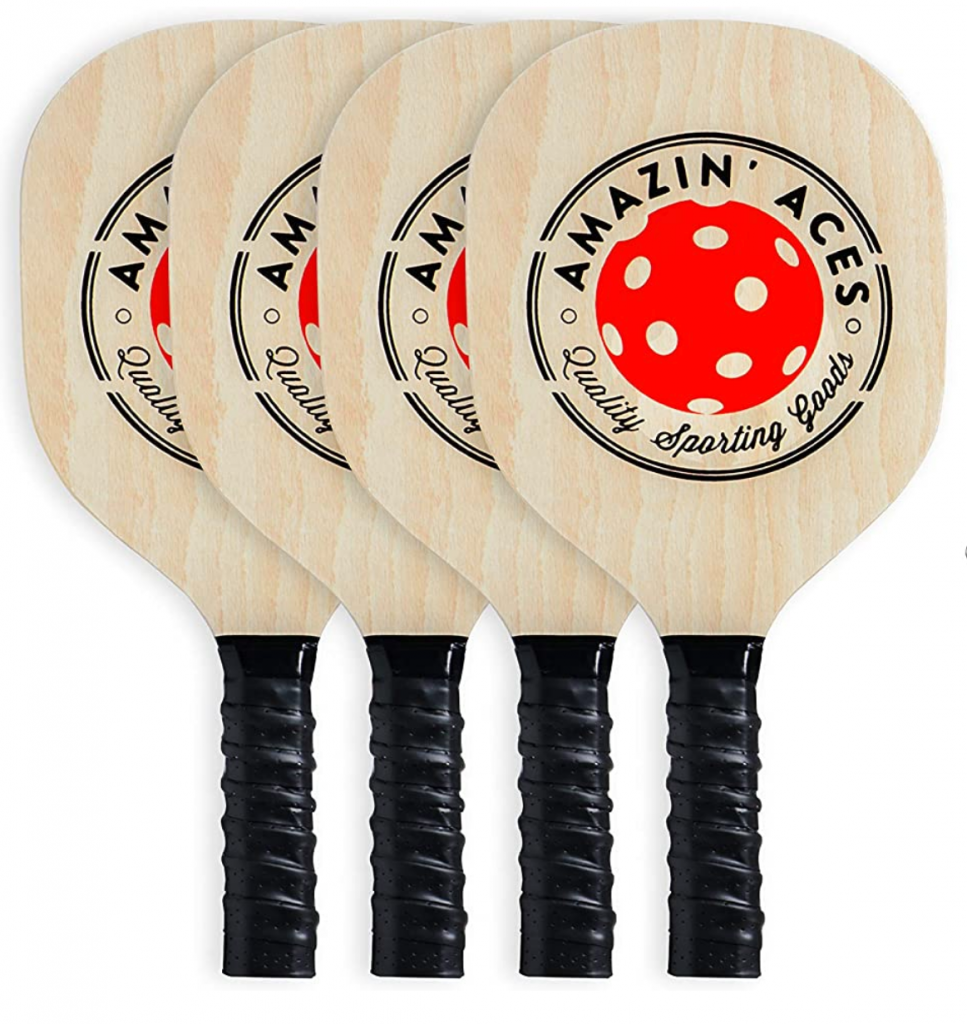
Credit: pickleballrookie.com
When To Replace Your Paddle
Notice your paddle feels different? This could mean it’s time for a new one. Paddles lose their pop after some time. Shots may not be as powerful. Control might suffer too. Playing often speeds this up.
If you see these changes, consider a replacement. A fresh paddle brings back your game. Enjoy better shots again.
Check your paddle for cracks and dents. These affect your game. Small cracks can grow larger. Dents change the paddle’s surface. Both issues cause less accuracy.
Also, look at the edge guard. Is it coming off? This protects your paddle. If damaged, replace the paddle. Keep your game strong and safe.
Expert Opinions
Pickleball paddle lifespan varies, typically lasting one to five years. Durability depends on usage, quality, and maintenance. Experts suggest regular inspection for cracks or wear.
Pro Player Insights
Pro players say pickleball paddles last 6 months to 1 year. They play many hours daily. Paddles wear out faster with heavy use. Material quality affects paddle life. Fiberglass and carbon fiber paddles last longer. Wooden paddles wear out quicker. Choose high-quality paddles for longer use.
Coach Recommendations
Coaches recommend checking paddles often. Look for cracks or damage. Replace paddles every year if you play a lot. Casual players can use paddles for 2 to 3 years. Store paddles in cool, dry places. Avoid leaving paddles in cars or outside. Proper care extends paddle life. Clean paddles after every game. Use mild soap and water. Dry paddles well before storing.
Choosing A Durable Paddle
Many brands make durable pickleball paddles. Some of the top brands are Selkirk, Paddletek, and Onix. These brands are known for their quality and long-lasting paddles. Choosing from these brands can ensure a good investment.
The material of the paddle is very important. Graphite paddles are strong and light. Composite paddles offer good control and power. Wood paddles are cheaper but heavy. Choose a material that fits your play style and budget.

Credit: www.justpaddles.com
Frequently Asked Questions
How Long Does A Pickleball Paddle Last?
A pickleball paddle typically lasts 1-5 years. The lifespan depends on the frequency of use and care.
What Affects The Lifespan Of A Pickleball Paddle?
The lifespan of a pickleball paddle is affected by usage, material quality, and maintenance.
How Can I Extend My Paddle’s Lifespan?
To extend your paddle’s lifespan, avoid extreme temperatures, store it properly, and clean it regularly.
When Should I Replace My Pickleball Paddle?
Replace your pickleball paddle when it shows visible damage, performance declines, or the grip becomes uncomfortable.
Conclusion
A pickleball paddle’s lifespan varies. Factors like usage and care play a role. For frequent players, paddles wear out faster. Casual players may see longer life. Regular inspection helps detect early signs of wear. Proper storage and cleaning extend durability.
Investing in quality paddles can be worthwhile. Remember, a well-maintained paddle enhances your game experience. Choose wisely and enjoy playing pickleball!
