
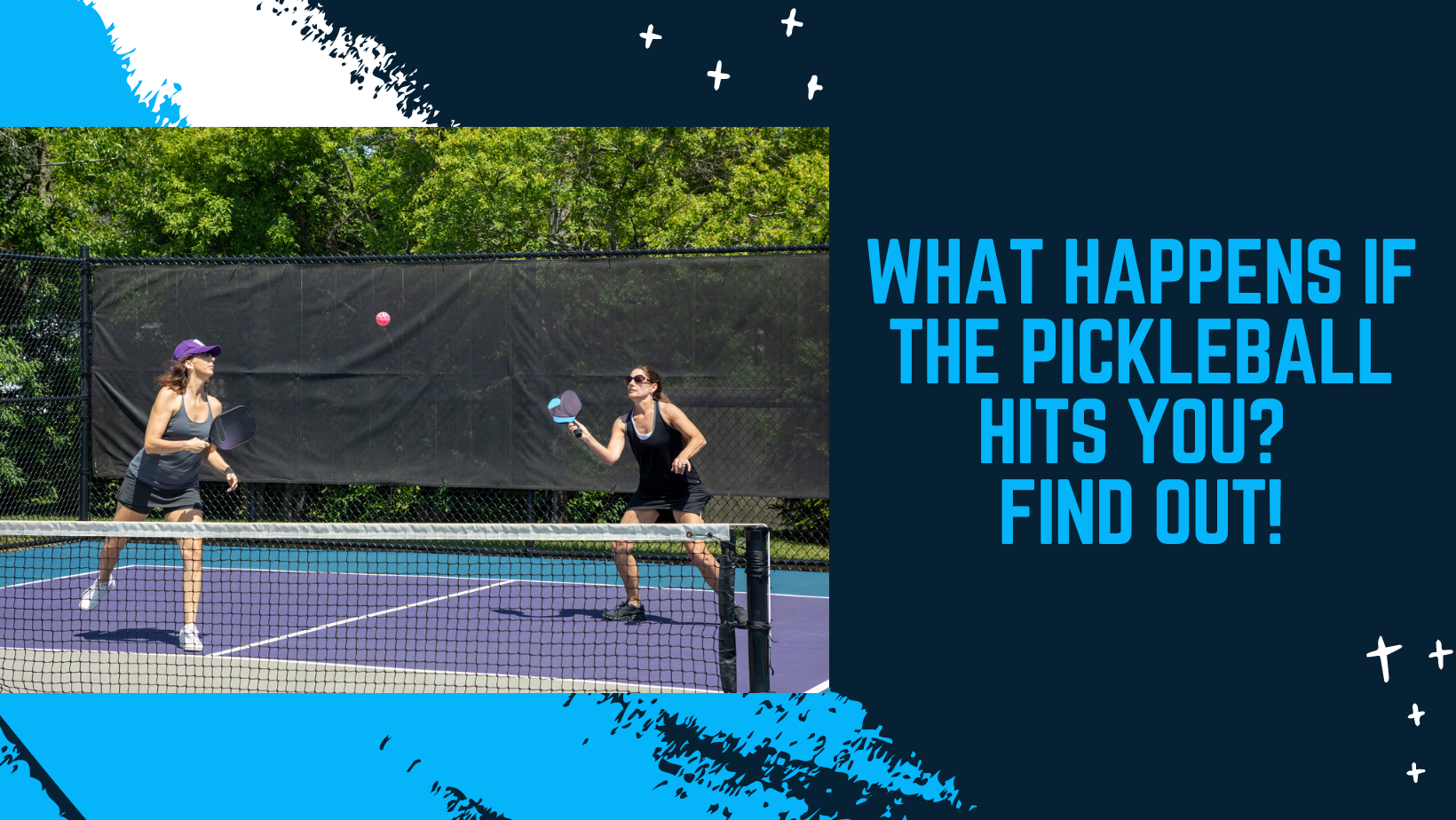
Yes, you can kick the ball in pickleball, but it’s not part of the game. Pickleball rules are specific about how you play the ball with a paddle.
Pickleball is a fun sport that combines elements of tennis, badminton, and ping-pong. It’s played on a smaller court with a paddle and a plastic ball. You might wonder if it’s allowed to kick the ball during the game. While using your feet can be tempting, it’s important to follow the official rules.
These rules ensure fair play and keep the game enjoyable for everyone. In this blog post, we’ll explore the official regulations and why kicking the ball isn’t part of traditional pickleball play. Stay with us to learn more about the sport’s unique rules and how they shape the game.
Contents
Introduction To Pickleball
Pickleball is an exciting sport blending elements of tennis, badminton, and ping-pong. Kicking the ball in pickleball isn’t allowed. Players must use a paddle to hit the ball over the net.
Pickleball is a fun and easy-to-learn sport. It combines elements of tennis, badminton, and ping-pong. Players use a paddle and a plastic ball with holes. The game can be played indoors or outdoors on a badminton-sized court. The net is slightly lower than a tennis net. Pickleball is suitable for all ages and skill levels.Brief History
Pickleball was invented in 1965. Three dads created it to entertain their kids. They used ping-pong paddles and a wiffle ball. The game quickly gained popularity. Today, millions of people play pickleball worldwide. It is one of the fastest-growing sports in the United States.Basic Rules
Pickleball can be played as singles or doubles. The game starts with an underhand serve. The serve must go diagonally across the net. The ball must bounce once on each side before volleys. Players score points only on their serve. The game is played to 11 points, and a player must win by 2 points. The court has specific areas, including the non-volley zone. Players cannot hit the ball in this zone unless it bounces first. “`
Credit: vmkonsport.com
Equipment Needed
Playing pickleball can be a fun and exciting way to stay active. To get started, you need some basic equipment. This includes paddles, balls, and a proper court. Let’s explore each of these in detail.
Paddles And Balls
Pickleball paddles come in various materials. Wood paddles are inexpensive and good for beginners. Composite paddles are more advanced. They offer better control and power. The balls used in pickleball are unique. They have holes and come in different colors. Indoor balls are lighter and have larger holes. Outdoor balls are heavier with smaller holes. This affects how they move and bounce.
Court Specifications
The pickleball court is similar to a badminton court. It measures 20 feet wide and 44 feet long. The net is 36 inches high at the ends and 34 inches high in the middle. The court is divided into different zones. The non-volley zone, also known as the “kitchen,” is a key area. It extends 7 feet from the net on both sides. The area behind this is used for serving and playing. The lines on the court are important. They help players understand where to serve and hit.
Understanding Ball Handling
Pickleball is a fun and engaging sport. One key aspect to understand is ball handling. Players often wonder if they can kick the ball. This section will clarify what is allowed and what is not.
Legal Moves
In pickleball, players must hit the ball with their paddle. Using the paddle is the only legal way to strike the ball. You can use both forehand and backhand strokes.
Players can also use a volley. A volley is hitting the ball before it bounces. This must be done outside the non-volley zone. The non-volley zone is also known as the kitchen.
Illegal Moves
Using any body part to hit the ball is illegal. This includes kicking the ball. The rules specify that only the paddle can be used to hit the ball.
Throwing the paddle to hit the ball is also not allowed. The paddle must be in the player’s hand. These rules ensure fair play and safety for all players.
Footwork In Pickleball
Footwork in Pickleball is crucial for success on the court. Good footwork helps you get to the ball quickly. It also allows you to maintain balance and control. Let’s explore the key aspects of footwork in pickleball.
Positioning
Proper positioning is the foundation of effective footwork. Always stand in the ready position. Keep your knees slightly bent and your weight on the balls of your feet. This allows for quick movements in any direction.
Stay close to the center of the court. This helps you reach shots on both sides. When playing doubles, coordinate with your partner. Cover the court efficiently by maintaining a balanced position.
Movement Techniques
Good movement techniques ensure you get to the ball quickly. Use small, quick steps to adjust your position. This helps maintain balance and control.
- Shuffle steps: Keep your feet close to the ground. Move side to side without crossing your legs.
- Pivoting: Rotate on the balls of your feet. This allows for quick changes in direction.
- Split step: Take a small hop just before your opponent hits the ball. This readies you to move in any direction.
By mastering these techniques, you improve your game. Footwork in pickleball can make all the difference. Practice these tips to enhance your performance.
Kicking The Ball: Rules
Pickleball is a fun and fast-paced sport that combines elements of tennis, badminton, and table tennis. But what about using your feet? Can you kick the ball in pickleball? Understanding the rules about kicking the ball can help improve your game and avoid penalties.
Allowed Scenarios
In pickleball, you can use your feet, but only in specific situations. You may kick the ball to pick it up during a dead ball. This means the ball is not in play. Kicking the ball to a teammate to start a point is also allowed. These scenarios help keep the game moving smoothly.
Penalties
Kicking the ball during play can result in penalties. If you kick the ball while it is in play, it is a fault. A fault means you lose the point. Make sure to use your paddle during live play. Remember, using your feet inappropriately can give your opponent an advantage.
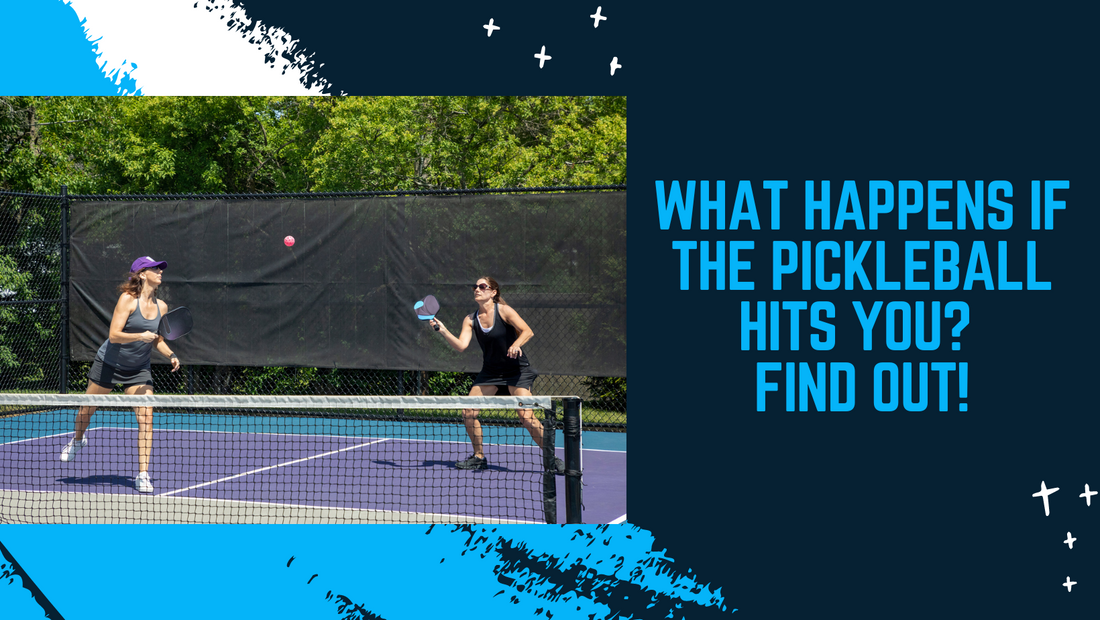
Credit: www.picklegeeks.com
Techniques For Kicking The Ball
In pickleball, players often wonder if they can kick the ball. While not a common technique, kicking the ball can add a fun twist to the game. Below, we will discuss the techniques for kicking the ball effectively. This section will cover proper form and common mistakes to avoid.
Proper Form
Proper form is crucial for a successful kick. Start by positioning your body sideways. Place your non-kicking foot next to the ball. Swing your kicking leg back and then forward. Contact the ball with the inside of your foot. Keep your eyes on the ball. Follow through with your kicking leg. This ensures accuracy and control.
Common Mistakes
Common mistakes can hinder your kick. Avoid leaning back. This reduces power and control. Do not use the toe to kick. It reduces accuracy. Ensure your non-kicking foot is close to the ball. This helps maintain balance. Keep your eyes on the ball. Looking away can cause you to miss. Practice these tips to improve your kick.
Training Drills
Training drills are essential for improving your skills in pickleball. These drills help enhance your footwork, reaction time, and overall agility. By practicing regularly, you can become more efficient on the court.
Footwork Drills
Good footwork is crucial in pickleball. It helps you move quickly and efficiently.
- Ladder Drills: Use an agility ladder to practice quick steps. Move forward, backward, and sideways through the ladder rungs.
- Side Shuffles: Stand with feet shoulder-width apart. Shuffle to the right for 10 steps, then to the left.
- Toe Taps: Stand in front of a small object. Tap the top of the object with your toes, alternating feet.
Reaction Drills
Reaction drills improve your ability to respond quickly to the ball.
- Ball Drop: Partner drops a ball from shoulder height. React and catch it before it hits the ground.
- Mirror Drill: Stand facing a partner. Mimic their movements as quickly as possible.
- Quick Toss: Partner tosses a ball to you at random. React and catch it using both hands.
| Drill | Purpose | Repetitions |
|---|---|---|
| Ladder Drills | Improve foot speed | 3 sets of 10 |
| Side Shuffles | Enhance lateral movement | 3 sets of 10 steps |
| Ball Drop | Boost reaction time | 3 sets of 15 |
Advanced Strategies
Pickleball is more than just a fun game. It involves using smart strategies. Advanced players use clever tactics to outplay their opponents. Here, we’ll explore some key strategies in both offense and defense.
Offensive Plays
In pickleball, offensive plays can give you a strong edge. Here are some key strategies:
- Third Shot Drop: Aim for a soft shot. This forces your opponent to move forward.
- Drive Shot: Hit the ball hard and low. It can make it difficult for your opponent to return.
- Dinking: Use soft, short shots. These shots can make your opponent struggle.
Defensive Plays
Defensive plays are just as important. They help you stay in the game longer. Here are some effective strategies:
- Lob: Hit the ball high and deep. This can push your opponent to the back of the court.
- Block Shot: Use this to counter hard hits. It helps in slowing down the game.
- Resetting the Point: Use a soft shot to neutralize the rally. This brings the game back to a neutral position.
Mastering both offensive and defensive plays will make you a well-rounded player. Always mix up your strategies. Keep your opponents guessing and on their toes.
Common Misconceptions
Many players wonder about the rules of pickleball, especially about kicking the ball. This leads to various misconceptions. Some believe kicking is allowed, while others think it’s strictly forbidden. Let’s clear the air on this topic.
Myths About Kicking
One common myth is that you can kick the ball to keep it in play. This is not true. Pickleball rules state that you must use the paddle to hit the ball. Another myth is that kicking the ball is a strategic move. This is incorrect. Using your foot to play the ball can result in a fault.
Clarifications
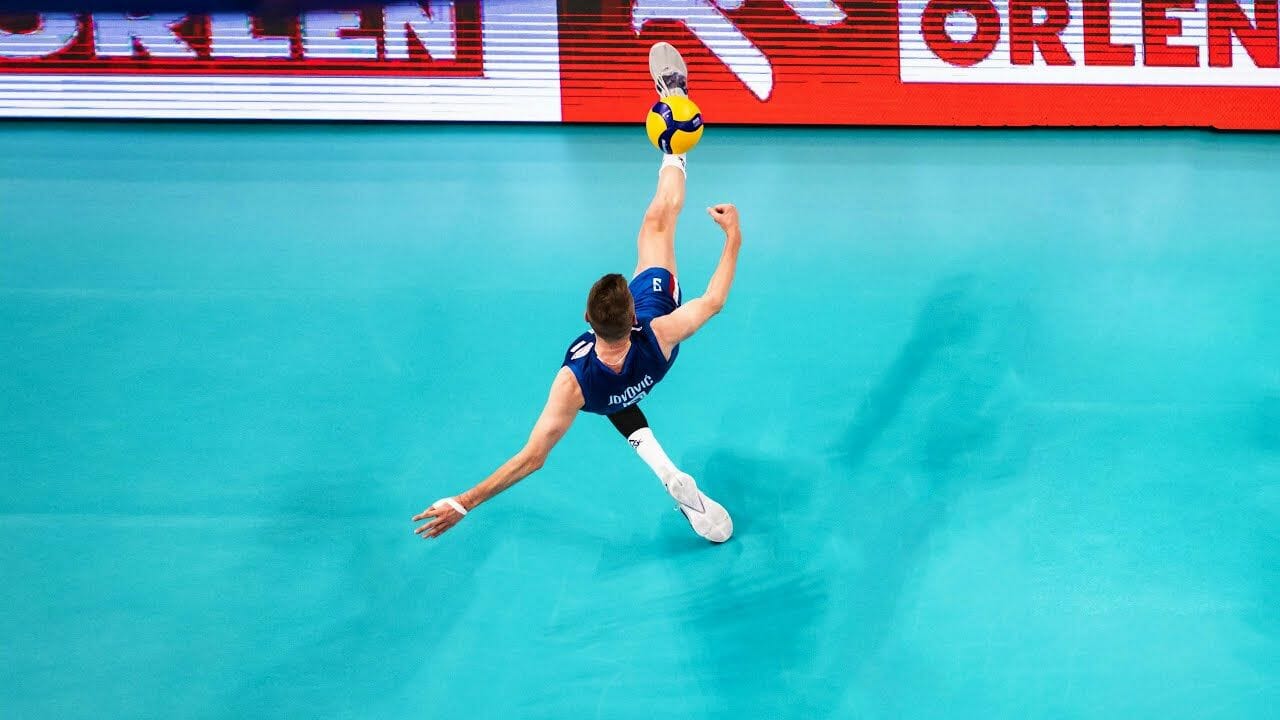
The official rules of pickleball are clear. You cannot kick the ball. Only the paddle can make contact with the ball. If a player kicks the ball, it results in a fault. This means the point goes to the opposing team. Remember, the game’s spirit is to use the paddle, not your feet.
Credit: vmkonsport.com
Frequently Asked Questions
Can You Kick The Ball In Pickleball?
No, you cannot kick the ball in pickleball. The game requires you to hit the ball with a paddle only.
What Happens If You Kick The Ball In Pickleball?
If you kick the ball in pickleball, it’s considered a fault. The opposing team gains a point or serve.
Is Kicking Allowed In Pickleball Rules?
Kicking is not allowed in pickleball. Players must use paddles to hit the ball, following official rules.
Can You Hit The Ball With Your Body In Pickleball?
No, hitting the ball with your body in pickleball is not allowed. Only the paddle can make contact.
Conclusion
Wrapping up, kicking the ball in pickleball isn’t allowed. Stick to using your paddle. Following the rules ensures fair play and fun. Pickleball remains a paddle sport, not a kicking one. Enjoy the game, respect the rules, and play fairly.
Stay active, practice, and improve your skills. Share this knowledge with fellow players. Keep the spirit of pickleball alive. Happy playing!
