
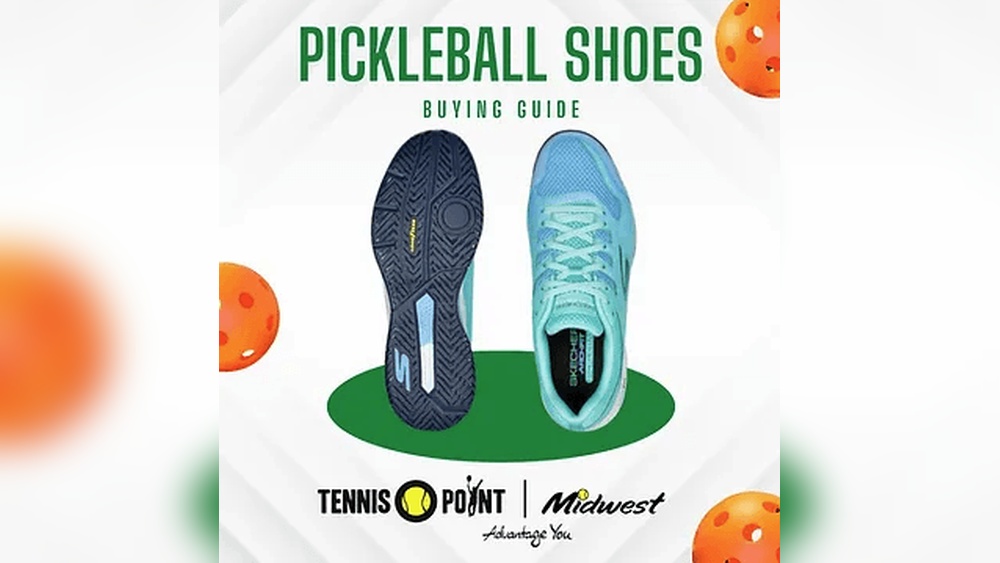
Are you wondering if your trusty tennis shoes can double as pickleball shoes? You’re not alone.
Many players ask this question before hitting the court. Choosing the right footwear is key to playing your best and staying comfortable. Using the wrong shoes can lead to slips, aches, or even injuries. You’ll discover whether tennis shoes are a smart choice for pickleball or if you should look for something else.
Keep reading to find out how to protect your feet and boost your game.
Contents
- 1 Differences Between Tennis And Pickleball Shoes
- 2 Pickleball Court Surfaces And Shoe Requirements
- 3 Pros Of Using Tennis Shoes For Pickleball
- 4 Cons Of Using Tennis Shoes For Pickleball
- 5 Choosing The Right Shoe For Pickleball
- 6 Tips For Maintaining Pickleball Shoes
- 7 Frequently Asked Questions
- 8 Conclusion
Differences Between Tennis And Pickleball Shoes
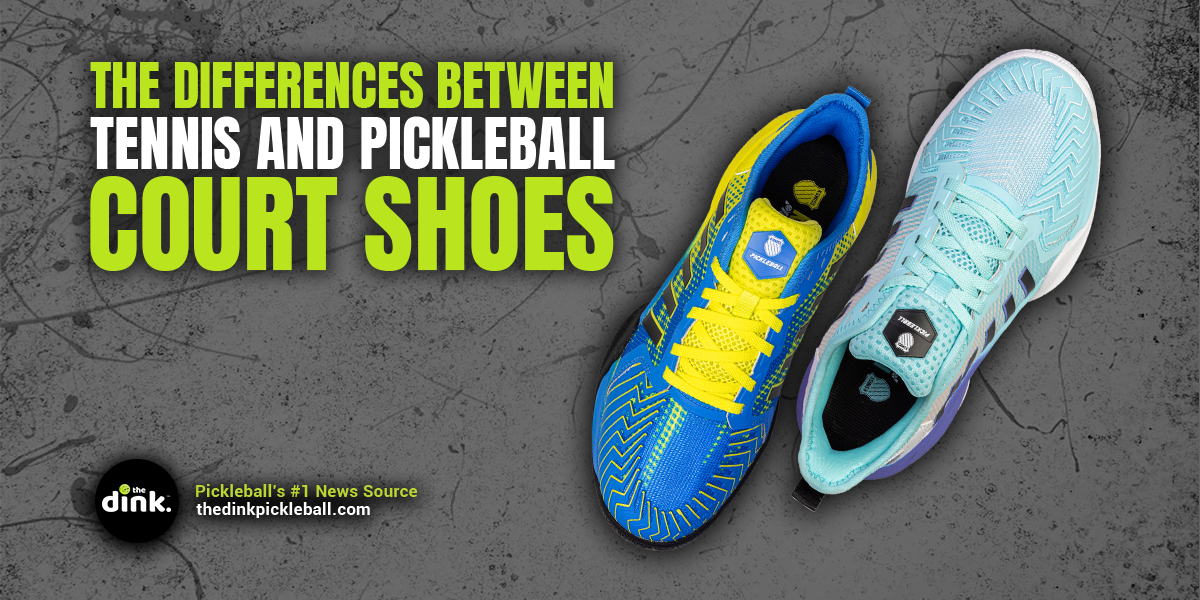
Choosing the right footwear is key for comfort and performance in any sport. Many players ask, “Can I use tennis shoes for pickleball?” Both sports need shoes that handle quick movements and sudden stops. Yet, there are clear differences between tennis and pickleball shoes. These differences affect Pickleball Footwork and overall play. Understanding these can help you pick shoes that offer the best support, grip, and durability on the court.
Sole Design Variations
The shoe sole grip is a top factor in Pickleball Shoes Vs Tennis Shoes. Tennis shoes often have soles built for sliding and quick stops on larger courts. Pickleball shoes focus on shorter, sharper movements on smaller courts.
Key differences in sole design include:
- Tennis Shoe Flexibility: Tennis shoes have flexible soles to allow running and sudden sprints across the court.
- Court Shoe Traction: Pickleball shoes offer enhanced traction for quick lateral moves and pivots, with a grip pattern designed for indoor or outdoor pickleball courts.
- Shoe Sole Grip Patterns: Tennis shoes often use a herringbone pattern for multi-directional movement, while pickleball shoes may have a modified pattern for better grip on smaller surfaces.
| Feature | Tennis Shoes | Pickleball Shoes |
|---|---|---|
| Sole Flexibility | High for running long distances | Moderate for short bursts |
| Traction Pattern | Herringbone for multi-directional slides | Enhanced grip for quick lateral moves |
| Grip Surface | Hard courts and clay | Indoor and outdoor pickleball courts |
These variations help improve shoe stability for court sports, reducing slips and improving control during play.
Support And Cushioning
Lateral support in sports shoes is crucial for pickleball. The sport demands quick side-to-side movements, requiring strong ankle and foot support to avoid injuries.
Tennis shoes often provide good lateral support but focus more on forward movement support. Pickleball shoes emphasize cushioning for pickleball, which helps absorb impact from frequent jumps and quick stops.
Support and cushioning features include:
- Impact Absorption in Shoes: Pickleball shoes have extra padding in the heel and forefoot for shock absorption.
- Lateral Stability: Reinforced sides in pickleball shoes help prevent ankle rolls during rapid directional changes.
- Comfort Fit: Both shoes offer snug fits, but pickleball shoes may have a wider toe box for better balance.
The following table compares support and cushioning:
| Aspect | Tennis Shoes | Pickleball Shoes |
|---|---|---|
| Lateral Support | Good, focused on forward movement | Strong, designed for quick side moves |
| Cushioning | Moderate, for running impact | Enhanced, for frequent stops and jumps |
| Fit | Snug with narrow toe box | Snug with wider toe box |
Proper support and cushioning improve shoe stability for court sports and reduce fatigue during matches.
Durability Factors
Durability matters in choosing sports shoes. The durability of athletic footwear depends on materials and the type of movements the shoes support.
Tennis shoes usually face more wear from running and sliding on rough courts. Pickleball shoes handle quick pivots and lateral shifts more often.
Durability elements to consider:
- Material Strength: Tennis shoes use tougher outsoles for abrasion resistance.
- Reinforced Toe Caps: Pickleball shoes may have extra toe protection for sudden stops.
- Midsole Quality: A durable midsole keeps cushioning intact through long use.
- Stitching and Overlays: Strong overlays improve shoe lifespan during lateral stress.
Here is a quick comparison:
| Durability Feature | Tennis Shoes | Pickleball Shoes |
|---|---|---|
| Outsole Durability | High, built for rough court surfaces | Moderate, focused on grip and flexibility |
| Toe Protection | Standard | Reinforced for impact |
| Midsole Lifespan | Long-lasting for running | Durable for lateral moves |
| Upper Material | Heavy-duty mesh and synthetic | Lightweight with strong overlays |
Choosing the right shoe means balancing durability with the specific demands of pickleball footwork.
Pickleball Court Surfaces And Shoe Requirements
Choosing the right shoes for pickleball depends heavily on the pickleball court surface. Different surfaces demand specific shoe features to ensure safety, comfort, and performance. Understanding the court shoe differences between tennis and pickleball shoes helps players avoid injuries and improve their game. Tennis shoes for pickleball might work on some surfaces but may not provide the best support or durability on others. Knowing which shoes fit each court type is key to enjoying the sport and protecting your feet.
Hard Courts
Hard courts are common for pickleball and resemble tennis courts in material and texture. These courts are made of asphalt or concrete with a painted acrylic surface. The surface is firm and fast, requiring shoes with excellent cushioning and grip.
Hard court footwear must absorb shock well to protect joints from impact. The grip should prevent slipping during quick stops and changes of direction. Tennis shoes for pickleball often work well here due to similar court demands.
- Good cushioning: Essential for reducing joint stress on hard surfaces.
- Durable outsole: Must resist wear from abrasive court material.
- Non-marking sole: Prevents damage to court surfaces.
- Shoe grip for pickleball: Designed to provide lateral stability.
| Feature | Importance | Typical Tennis Shoe vs Pickleball Shoe |
|---|---|---|
| Cushioning | High impact absorption needed | Both similar; tennis shoes slightly more cushioned |
| Outsole durability | Must resist hard surface wear | Pickleball shoes often reinforced |
| Grip | Strong lateral support | Comparable grip patterns |
In summary, tennis shoes for pickleball usually perform well on hard courts. Yet, specialized pickleball shoes may offer better durability and grip for frequent play.
Indoor Courts
Indoor pickleball courts often use smooth, polished surfaces like wood or synthetic materials. These surfaces require shoes with non-marking soles and excellent traction to avoid slipping.
Indoor pickleball shoes differ from tennis shoes in sole composition and grip patterns. Tennis shoes designed for outdoor hard courts may leave marks or lack proper traction indoors.
- Non-marking soles: Protect indoor floors from scuffs.
- Flexible outsole: Allows quick foot movements and pivots.
- Enhanced grip: Helps maintain balance on smooth surfaces.
- Lightweight design: Reduces fatigue during fast play.
Using tennis shoes for pickleball indoors can cause slipping or damage to the court surface. Pickleball shoe durability for indoor courts focuses on traction rather than abrasion resistance.
| Feature | Indoor Pickleball Shoe | Tennis Shoe |
|---|---|---|
| Outsole Type | Non-marking rubber | Often hard rubber, may mark floors |
| Grip Pattern | Fine herringbone or similar | Heavier tread for outdoor surfaces |
| Weight | Lightweight for quick moves | Heavier, built for outdoor stability |
Indoor players should choose indoor pickleball shoes to ensure safety and performance. Tennis shoes usually lack the necessary sole features for these courts.
Outdoor Courts
Outdoor pickleball courts face weather and rough surfaces like asphalt or concrete. Outdoor pickleball shoes must be tough and offer strong grip for uneven ground.
Tennis vs pickleball shoes outdoors show key differences in shoe durability and sole design. Pickleball shoes tend to have reinforced areas to handle more lateral movement and abrasion.
- High abrasion resistance: Protects shoes from rough court wear.
- Strong lateral support: Supports quick side-to-side moves.
- Water resistance: Helpful for damp or wet conditions.
- Breathable materials: Keeps feet cool during outdoor play.
| Feature | Outdoor Pickleball Shoes | Tennis Shoes |
|---|---|---|
| Durability | High; reinforced toe and sides | Good but less lateral focus |
| Sole Grip | Aggressive tread for uneven surfaces | Moderate tread for tennis movement |
| Water Resistance | Often water-resistant | Usually not water-resistant |
Choosing the right outdoor pickleball shoes ensures better foot protection and performance. Tennis shoes may wear out faster and provide less grip outdoors.
Pros Of Using Tennis Shoes For Pickleball
Choosing the right footwear for pickleball is important for performance and safety. Many players ask, “Can I use tennis shoes for pickleball?” The answer is yes, and there are several pros of using tennis shoes for pickleball. Tennis shoes offer features that support quick movements, stability, and comfort on similar court surfaces. Understanding these advantages helps players decide between pickleball shoes vs tennis shoes based on their needs and budget.
Availability And Cost
Tennis shoes are widely available in many stores and online shops. This makes them a convenient option for players who want easy access to court footwear. You can find tennis shoes in various price ranges, from budget-friendly to high-end models. This variety means you can get affordable pickleball shoes without spending too much.
- More options: Tennis shoes come in many styles and brands, offering plenty of choices.
- Lower prices: Tennis shoes often cost less than specialized pickleball shoes.
- Easy replacement: You can quickly find new tennis shoes if yours wear out.
Below is a simple comparison of tennis shoes and pickleball shoes based on cost and availability:
| Feature | Tennis Shoes | Pickleball Shoes |
|---|---|---|
| Availability | High – found in most sports stores | Moderate – limited specialized sellers |
| Price Range | $40 to $150+ | $60 to $180+ |
| Affordable Options | Many budget models available | Fewer budget-friendly options |
Traction And Stability
Tennis shoes provide good pickleball shoe traction and court shoe stability. Both sports require quick side-to-side moves and sudden stops on hard courts. Tennis shoes have soles designed for these actions, making them suitable for pickleball courts.
The grip pattern on tennis shoes helps prevent slipping. This feature is important to avoid injuries and improve performance. The stability built into tennis shoes supports the ankle during fast movements, reducing the risk of twists and sprains.
- Durable outsoles with multi-directional tread patterns
- Firm midsole support for lateral movements
- Reinforced sides to protect against wear and tear
Compared to some pickleball shoes, tennis shoes may offer similar or better shoe durability for pickleball, especially in high-impact areas. Their design focuses on strong support and grip, making them a reliable choice for pickleball players who need solid traction and stability.
Comfort Features
Comfort is key in choosing the best shoes for pickleball. Tennis shoes are designed with cushioning and support to keep feet comfortable during long matches. This makes them a good option for comfortable pickleball footwear.
Tennis shoes often include:
- Cushioned midsoles to absorb shock and reduce foot fatigue.
- Breathable materials that keep feet cool and dry.
- Padded collars and tongues for extra comfort around the ankle.
These features help players stay comfortable on the court, reducing soreness and discomfort. The cushioning in tennis shoes also supports quick starts and stops, which are common in pickleball. Overall, tennis shoes combine support and comfort, making them a practical choice for pickleball players.

Credit: thefitville.com
Cons Of Using Tennis Shoes For Pickleball
Choosing the right footwear is crucial for pickleball players. Many wonder, can I use tennis shoes for pickleball? While tennis shoes may seem like a good option, they come with some clear drawbacks. Understanding the cons of using tennis shoes for pickleball helps players make better choices. These shoes often lack specific features needed for quick, lateral movements on a pickleball court. Below, we explore key disadvantages like weight and flexibility, wear and tear, and potential injury risks.
Weight And Flexibility
Tennis shoes tend to be heavier than specialized pickleball shoes. This extra weight can slow down your movements and reduce agility. Pickleball demands fast, sharp lateral moves, and heavier shoes may limit your court shoe flexibility. A lack of flexibility in footwear affects performance and comfort.
Key points on weight and flexibility:
- Shoe Weight for Pickleball: Tennis shoes usually have more padding and support for running, adding weight.
- Court Shoe Flexibility: Pickleball shoes are designed to flex easily with foot movements, unlike many tennis shoes.
- Lateral Movement Footwear: Proper footwear must support side-to-side movements common in pickleball.
| Feature | Tennis Shoes | Pickleball Shoes |
|---|---|---|
| Weight | Heavier due to extra cushioning | Lighter for quick movements |
| Flexibility | More rigid to support running | Flexible for lateral slides |
Wearing tennis shoes might reduce your speed and agility on the pickleball court. This can affect your overall game and comfort.
Wear And Tear
Tennis shoes are built to handle different surfaces, mainly hard courts and clay. Pickleball courts, especially indoor ones, have unique surfaces that cause different wear patterns. Using tennis shoes on pickleball courts leads to faster tennis shoe wear patterns that reduce shoe life.
Details about wear and tear:
- Tennis Shoe Durability drops faster on pickleball courts due to different traction needs.
- Pickleball Court Traction demands specific sole types that tennis shoes might not provide.
- Worn-out shoes lose grip and increase slipping risks.
Below is a comparison of sole wear on different courts:
| Court Type | Tennis Shoes Wear Rate | Pickleball Shoes Wear Rate |
|---|---|---|
| Indoor Court | High wear due to sole friction | Low wear with non-marking soles |
| Outdoor Court | Moderate wear | Moderate wear, designed for pickleball |
Using tennis shoes for pickleball can increase costs over time due to the need for frequent replacements. The soles may wear out unevenly, affecting your grip and stability.
Potential Injury Risks
Injury prevention in pickleball depends a lot on proper footwear. Tennis shoes are not made for the fast, side-to-side action in pickleball. This can increase the chance of injuries.
Risks include:
- Insufficient Pickleball Foot Support: Tennis shoes may lack the right arch and ankle support needed for pickleball’s quick movements.
- Shoe Grip for Pickleball: Poor traction can cause slips and falls.
- Reduced shock absorption can lead to joint pain.
Important injury risks to consider:
- Sprained ankles from unstable lateral movement footwear
- Foot fatigue due to improper cushioning
- Knee and hip stress from less flexible shoes
Choosing the right shoe reduces injury chances. Tennis shoes may not offer the same level of protection as pickleball-specific footwear.
Choosing The Right Shoe For Pickleball
Choosing the right shoe for pickleball is essential for comfort, performance, and injury prevention. Tennis shoes often come to mind because of their similar design, but pickleball has unique demands. Understanding the differences in playing surface compatibility and court shoe differences helps in making the best choice. This section explores key factors to consider: fit and comfort, support needs, and budget considerations. These points guide you to select footwear that matches pickleball’s fast, lateral movements and quick stops.
Fit And Comfort
Fit and comfort are the foundation of any good sports shoe. A shoe that fits well reduces the risk of blisters, foot pain, and discomfort during play. Pickleball involves quick side-to-side motions, so shoes must allow freedom without slipping.
Consider these when checking fit and comfort:
- Toe room: Enough space to wiggle toes prevents pressure and injury.
- Snug heel fit: Stops the foot from sliding inside the shoe during lateral moves.
- Arch support: Supports the foot’s natural shape and reduces fatigue.
- Breathability: Mesh or ventilated materials keep feet cool and dry.
Here is a simple comparison of tennis shoes and pickleball shoes in terms of fit:
| Feature | Tennis Shoes | Pickleball Shoes |
|---|---|---|
| Toe Room | Moderate | More spacious for quick stops |
| Heel Fit | Secure but sometimes loose | Snug for lateral support |
| Cushioning | Thicker for shock absorption | Balanced for court feel and comfort |
Proper fit improves foot stability and reduces injury risks during fast plays.
Support Needs
Support needs in pickleball shoes focus on lateral support and foot stability. The quick side-to-side moves require shoes that prevent ankle rolls and provide firm grip. Tennis shoes might offer some lateral support, but pickleball shoes are specially designed to handle frequent direction changes.
Important support features to check:
- Lateral support: Reinforced sides or straps for side movement control.
- Shoe cushioning: Balanced cushioning absorbs shock without losing court feel.
- Grip and traction: Outsole patterns designed for pickleball court surfaces.
- Durability: Sports shoe durability matters for frequent play on hard courts.
Here is a quick overview of support differences:
| Support Aspect | Tennis Shoes | Pickleball Shoes |
|---|---|---|
| Lateral Support | Good for tennis side motions | Enhanced for quicker lateral shifts |
| Cushioning | High shock absorption | Balanced for comfort and agility |
| Grip and Traction | Designed for tennis courts | Specialized for pickleball surfaces |
Foot stability depends on the shoe’s ability to hold the foot firmly during play.
Budget Considerations
Choosing the right pickleball shoe also depends on budget. Prices vary based on brand, technology, and durability. Tennis shoes and pickleball shoes both come in different price ranges, but pickleball-specific models might cost more due to specialized features.
Keep these points in mind:
- Basic athletic footwear comparison: Entry-level shoes offer decent grip and comfort at lower prices.
- Mid-range shoes: Better materials and improved support for regular players.
- High-end shoes: Maximum durability, advanced cushioning, and superior lateral support.
Here is a quick guide to price versus features:
| Price Range | Features | Ideal For |
|---|---|---|
| Under $50 | Basic grip, minimal support | Beginners or casual players |
| $50 – $100 | Good cushioning, moderate durability | Regular players |
| Above $100 | Advanced support, top durability | Competitive or frequent players |
Choose shoes that balance sports shoe durability with your budget for best value.

Credit: www.selkirk.com
Tips For Maintaining Pickleball Shoes
Choosing the right footwear is vital for pickleball performance and safety. Many wonder, “Can I use tennis shoes for pickleball?” While tennis shoes offer decent support, pickleball demands specific features for quick moves and lateral stability. To keep any court shoe in top shape, proper care is essential. Tips for maintaining pickleball shoes help extend their life and maintain grip, cushioning, and foot support. Good maintenance ensures you get the best from your shoes, whether they are tennis shoes or specialized pickleball shoes.
Cleaning And Care
Proper cleaning is key to preserving shoe quality and performance. Dirt and sweat can break down shoe materials, reducing pickleball shoe durability and grip. Follow these court shoe cleaning tips:
- Remove loose dirt with a soft brush after each use.
- Use a damp cloth and mild soap to clean the surface. Avoid harsh chemicals.
- Air dry shoes at room temperature. Avoid direct sunlight or heat sources.
- Remove insoles and laces to clean separately and dry thoroughly.
Proper cleaning prevents odor and maintains the shoe’s cushioning and grip. Avoid machine washing, which can damage the shoe’s structure and reduce tennis shoe cushioning and pickleball foot support.
| Cleaning Step | Purpose |
|---|---|
| Brush off dirt | Prevents buildup that damages sole |
| Clean with mild soap | Removes sweat and stains |
| Air dry | Maintains shape and materials |
| Clean insoles/laces | Reduces odor and bacteria |
Rotating Footwear
Rotating athletic footwear is a smart strategy for players using tennis shoes for pickleball or dedicated pickleball shoes. Switching shoes helps each pair recover and dry fully, preserving performance and comfort.
Benefits of rotating footwear include:
- Extends shoe life by reducing constant wear.
- Maintains better grip and cushioning.
- Prevents foot injuries by alternating pressure points.
- Allows time for shoes to air out and avoid odor.
Try to have at least two pairs of shoes for play. Use one pair for indoor courts and another for outdoor courts if possible. This approach keeps your shoes in better shape and supports your feet with consistent pickleball foot support. It also reduces the risk of damage from court surfaces that differ in texture and hardness.
When To Replace Shoes
Knowing shoe replacement signs is crucial for player safety and performance. Both tennis shoes and pickleball shoes lose effectiveness over time. Signs to watch for include:
- Worn-out soles: Reduced grip causes slipping and poor traction.
- Compressed cushioning: Less shock absorption increases foot stress.
- Damaged uppers: Tears or holes reduce support and comfort.
- Persistent foot pain: Could indicate poor shoe condition affecting foot health.
Ignoring these signs can lead to injuries and poor play. Keep track of how many hours you use your shoes. Most athletic shoes last between 300-500 hours of play. Specialized best shoes for pickleball may offer longer durability but still need replacement eventually.
Replace shoes promptly to maintain good grip, foot support, and cushioning. Proper shoe replacement improves your quick moves and lateral stability, essential for pickleball success.
Credit: www.thedinkpickleball.com
Frequently Asked Questions
Can I Use Tennis Shoes For Pickleball Games?
Yes, tennis shoes can be used for pickleball. They provide good lateral support and traction needed for quick movements. However, pickleball shoes offer better cushioning and court-specific features for optimal performance and injury prevention.
Are Tennis Shoes Suitable For Pickleball Court Surfaces?
Tennis shoes are generally suitable for pickleball courts, especially hard surfaces. Their durable soles handle quick stops well. Still, pickleball shoes are designed specifically for the court’s texture, offering improved grip and stability.
What Are The Differences Between Tennis And Pickleball Shoes?
Tennis shoes have stronger lateral support and tougher soles for tennis courts. Pickleball shoes focus more on cushioning and flexibility for quick, short movements. Using tennis shoes is fine, but pickleball shoes enhance comfort and reduce injury risks.
Will Tennis Shoes Prevent Pickleball Injuries?
Tennis shoes offer decent support and traction, reducing injury risk during pickleball. But pickleball shoes provide better shock absorption and court-specific grip. For frequent players, investing in pickleball shoes is safer and more comfortable.
Conclusion
Tennis shoes can work for pickleball, but they are not perfect. Pickleball needs shoes with good grip and support. Tennis shoes may wear out faster on pickleball courts. Choosing shoes made for pickleball helps prevent injuries. Comfort and fit matter most for long play.
Try to find shoes with non-marking soles. Your feet will thank you after hours on court. Playing safe means picking the right shoes for the sport. Keep your game fun and your feet healthy.
