Volleyball Libero Tips: Master Defensive Skills Today

The libero is a key player in volleyball. They focus on defense and passing.
To be an effective libero, you need a special set of skills. This position requires agility, quick thinking, and excellent ball control. Whether you’re new to playing libero or looking to improve, understanding the role is crucial. A libero must be ready to dive for the ball, set up plays, and support teammates.
They often lead the defense, making split-second decisions. Knowing the right tips can make a big difference. This guide will share essential tips to help you excel as a libero. By following these tips, you can enhance your performance and become a stronger asset to your team. Let’s dive into the world of libero skills and strategies.
Role Of The Libero
Hey friends, today we’re diving into the exciting world of volleyball, focusing on a special player – the Libero. The Libero plays a key role on the volleyball court, especially in defense. They are the backbone of the team’s defense, ensuring that the ball stays in play and setting up opportunities for teammates.
Key Responsibilities
The Libero has some unique responsibilities that set them apart from other players. Here’s what they do:
- Receive Serves: The Libero is often the go-to player for receiving serves. Their job is to make accurate passes to the setter.
- Defend Digs: When the opponent spikes the ball, the Libero is there to dig it up, preventing it from hitting the ground.
- Set the Ball: In some situations, the Libero may need to set the ball if the setter cannot.
- Guide the Defense: The Libero often leads the defensive strategy, communicating with teammates to cover gaps.
Importance In Defense
The Libero’s role is crucial in defense. They are like the goalkeeper in soccer, always ready to stop the ball from hitting the ground. Here’s why they are so important:
- Consistency: A good Libero provides consistent play, making it easier for the team to stay organized and focused.
- Confidence: Knowing that there is a strong defensive player in the backcourt gives the rest of the team confidence to play aggressively at the net.
- Energy: The Libero is often the most energetic player, keeping the team motivated and in high spirits.
I remember my first time watching a Libero in action; it was amazing to see how they controlled the backcourt. They were quick, agile, and always in the right place at the right time. It made me realize just how important this role is in volleyball.
So, if you’re thinking about becoming a Libero, or just want to understand the game better, remember these key points. The Libero is essential for a strong defense and can make a huge difference in the outcome of the game.
Positioning Strategies
Positioning strategies are crucial for a volleyball libero. Proper positioning can mean the difference between a successful dig and a missed opportunity. By mastering positioning, a libero can cover more ground and better support their team.
Court Awareness
Great court awareness helps a libero anticipate plays. Always keep an eye on the ball and your teammates. This helps you react quickly. Know the court boundaries and your position at all times. Stay low and ready to move in any direction. This posture helps you cover the court efficiently. Communicate with your teammates to avoid collisions and missed balls. Clear and loud communication is key.
Reading Opponents
Reading opponents is vital for effective positioning. Watch the hitter’s body language and approach. This can give clues about where the ball will go. Look for patterns in their play. This helps you predict their next move. Adjust your position based on these observations. Stay focused and alert throughout the match. Your quick reactions can make a big difference.
Effective Communication
Hey friends, today let’s talk about effective communication for volleyball liberos. Communication is crucial on the court. A libero needs to talk and listen to teammates to make sure the team works well together. Good communication helps avoid mistakes and makes the game flow smoothly. Let’s dive into some tips that will help you become a better communicator as a libero.
Team Coordination
As a libero, you need to coordinate well with your team. Think of it like a dance. Everyone needs to know their steps. Here are some tips to improve team coordination:
- Stay Vocal: Always keep talking. Let your teammates know your position.
- Use Simple Words: Use short and clear words. Say “Mine” or “Yours”. This avoids confusion.
- Eye Contact: Make eye contact with teammates. It builds trust and understanding.
Imagine you’re in a match. The ball is coming fast. You shout “Mine!” and your teammate moves aside. You make a perfect pass. That’s the power of good communication.
Calling Plays
Calling plays is another key part of a libero’s job. It’s like being a director of a movie. You need to guide the team. Here are some tips for calling plays effectively:
- Know the Plan: Make sure you understand the team’s strategy. Practice calling different plays.
- Be Confident: Speak with confidence. Your teammates will follow your lead if you sound sure.
- Stay Calm: Even if the game gets intense, keep calm. Clear communication is essential.
Here’s an example from my experience. During a tight game, I called a back-row attack. My clear call helped my teammate prepare. We scored a crucial point. Simple, clear calls can make a big difference.
Effective communication takes practice, but it’s worth it. Start by focusing on team coordination and calling plays. Your team will play better, and you’ll enjoy the game more. Keep practicing, and you’ll see the results!

Credit: volleyballhero.com
Footwork Techniques
Footwork techniques are crucial for a volleyball libero. Good footwork helps a libero cover the court efficiently. It improves reaction time and positioning. Mastering footwork can significantly enhance a libero’s performance.
Quick Movements
Quick movements are essential for a libero. Practice short, fast steps. This allows you to reach the ball faster. Keep your knees slightly bent. Stay on the balls of your feet. This stance helps you move quickly in any direction. Reacting quickly is key to successful digs.
Balance And Agility
Balance and agility are important for maintaining control. Good balance helps in unpredictable situations. Practice standing on one leg to improve balance. Agility drills, like ladder exercises, enhance footwork. This ensures you can move smoothly across the court. Quick direction changes are easier with good agility.
Passing Skills
Hey there volleyball enthusiasts! Today we’re diving into the world of Passing Skills. This is a key aspect for any libero. Why? Because a good pass sets up the whole play! So let’s break it down and make sure you’re ready to rock the court.
Perfecting The Bump
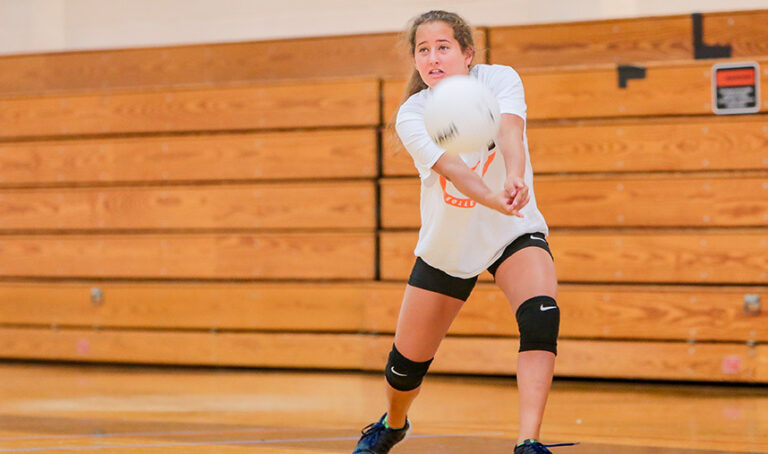
The bump is the foundation of passing in volleyball. It’s all about using your forearms to direct the ball. Here’s a simple way to remember how to do it right:
- Stance: Keep your feet shoulder-width apart.
- Arms: Extend your arms out, with your hands together.
- Contact: Aim to hit the ball with your forearms, not your hands.
When I was first learning, I practiced bumping against a wall. It helped me get a feel for the ball. Try it out!
Accuracy And Control
Great passing is not just about getting the ball over the net. It’s about where you place it. Think of it like aiming for a target. Here are some tips:
- Focus: Keep your eyes on the ball until it hits your arms.
- Angle: Adjust your arms’ angle to control the direction.
- Follow Through: Your arms should follow the ball’s path to guide it.
Remember, practice makes perfect. When I struggled with accuracy, I used a target on the wall to help. It’s a simple but effective trick.
So there you have it! Improving your passing skills is all about perfecting the bump and focusing on accuracy and control. Keep practicing, and soon you’ll be a passing pro!
Credit: usavolleyball.org
Digging Techniques
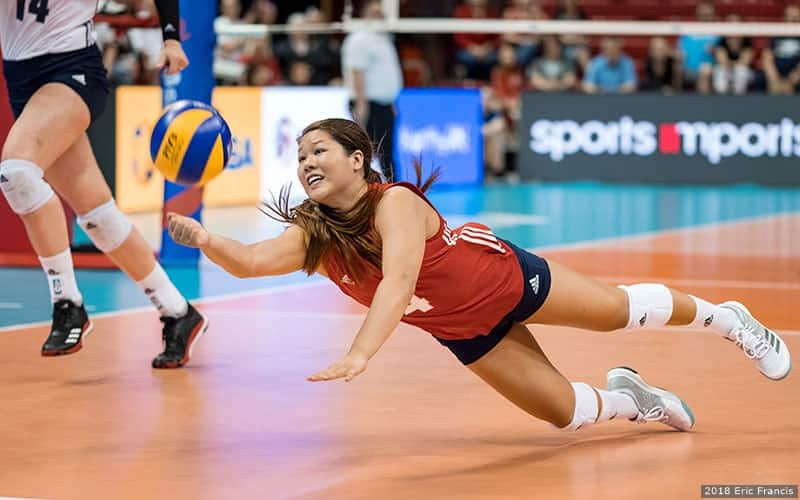
Effective digging can turn the tide of a volleyball game. As a libero, you must master various digging techniques. This helps you handle different types of hits. Let’s explore the key aspects of digging. Focus on maintaining a low stance and handling powerful hits.
Low Stance
Start with your knees bent. Keep your weight on the balls of your feet. This stance allows quick movements in any direction. Your chest should be leaning slightly forward. It helps you stay balanced. Always keep your eyes on the ball. This ensures you’re ready for any hit.
Handling Powerful Hits
Powerful hits can be intimidating. Stay calm and focused. Position yourself where you expect the ball to land. Use both arms to form a solid platform. Keep your wrists firm and elbows locked. Absorb the impact with your legs. This prevents the ball from bouncing off uncontrollably. Practice reacting quickly to hard hits. This builds your confidence and skill.
Serving Strategies
Hey friends, today we’re diving into some cool tips for volleyball liberos, focusing on serving strategies. Serving is a key part of the game, and as a libero, having a strong serve can really make a difference. Let’s look at how you can improve your serves, making them more consistent and tactically placed.
Consistent Serves
Consistency is crucial in serving. Imagine this: you’re on the court, the crowd is watching, and you need to make that serve count. Here’s how to keep your serves consistent:
- Practice Regularly: The more you practice, the better you’ll get. Set aside time every day to work on your serves.
- Focus on Form: Good form leads to good serves. Keep your arm straight, and follow through with your swing.
- Stay Relaxed: Tension can mess up your serve. Take deep breaths and stay calm.
When I was learning, I would often get nervous. But over time, with lots of practice, my serves became more reliable. Remember, it’s all about repetition and keeping a cool head.
Tactical Placement
Now, let’s talk about where to place your serves. Serving to the right spot can put your opponents under pressure. Here are some tips on tactical placement:
- Target Weak Players: If you notice a player struggling with serves, aim for them. This can give your team an advantage.
- Aim for Gaps: Look for open spaces on the court. Serving into these gaps can disrupt the other team’s formation.
- Mix It Up: Don’t serve to the same spot every time. Keep your opponents guessing by changing your targets.
One time, during a crucial match, I noticed the other team’s libero was having a hard time with low serves. I focused my serves low and managed to score several points. It felt great to see our strategy working!
So, to wrap it up, improving your serving strategies can really help you as a libero. Focus on consistency and tactical placement, and you’ll see the difference. Happy serving!

Credit: twitter.com
Mental Toughness
Playing as a libero in volleyball demands a unique skill set. One critical aspect often overlooked is mental toughness. Mental toughness is the ability to stay calm, focused, and resilient under pressure. It helps a libero perform consistently, even in challenging situations.
Staying Focused
Focus is essential for a libero. Always keep your eyes on the ball. Anticipate the opposing team’s moves. This can help you react quickly. Stay aware of your surroundings. Communicate with your teammates. This ensures better coordination on the court. Avoid distractions. Concentrate on each play. This can improve your overall performance.
Handling Pressure
Pressure situations are common in volleyball. As a libero, you must handle them well. Stay calm during intense moments. Take deep breaths. This can help reduce stress. Trust your training. Confidence in your skills is key. Remember, mistakes happen. Learn from them and move on. Keep a positive mindset. Encouragement from teammates can boost morale. Focus on the next play. This keeps you in the game mentally.
Training Drills
Training drills are essential for improving a volleyball libero’s skills. They help players enhance agility, reflexes, and game awareness. Focused practice leads to better performance during matches. Below are some drills to help liberos excel.
Individual Drills
Individual drills let liberos concentrate on their weaknesses. Practicing alone also builds confidence.
Shuttle Runs: Set up cones 10 feet apart. Sprint back and forth for speed and endurance.
Wall Passing: Stand 5 feet from a wall. Toss the ball against the wall. Aim to pass it back with accuracy.
Footwork Ladder: Use a speed ladder. Step quickly through each rung. Improve foot speed and coordination.
Team Drills
Team drills enhance communication and teamwork. They are vital for real-game situations.
Pepper Drills: Partner up with a teammate. Pass the ball back and forth. Practice quick reactions and accurate passing.
6-on-6 Scrimmage: Play a full game with your team. Focus on defensive positioning and quick transitions.
Libero Exchange: Rotate liberos during practice games. Each gets a chance to play with different teammates. This builds adaptability.
Analyzing Game Footage
Analyzing game footage is crucial for any volleyball player, especially liberos. Watching yourself play helps identify strengths and weaknesses. It provides an opportunity to improve skills and tactics. By breaking down the game, you can see areas for improvement. This process can significantly enhance your performance on the court.
Identifying Mistakes
Start by watching your recent games. Look closely at each movement. Are you positioning yourself correctly? Are your reactions quick enough? Pay attention to your footwork and hand placement. Notice how you interact with your teammates. Mistakes in communication can lead to lost points. Write down every mistake you see. This helps you remember and work on them during practice.
Learning From Pros
Watching professional players can be very educational. Observe their techniques and strategies. Notice their positioning and how they anticipate the ball. Pay attention to their footwork and body movements. Try to mimic these techniques in your own game. Learning from the best can give you new insights and ideas. It can also inspire you to reach higher levels of play.
Frequently Asked Questions
How To Get Better At Volleyball Libero?
Practice regularly, focus on improving your agility and reflexes, and enhance communication with your teammates. Study professional liberos, and incorporate their techniques into your gameplay.
What Are Three Things A Libero Cannot Do?
A libero cannot attack the ball above the net, serve, or block. They play defensive roles only.
How Tall Should A D1 Libero Be?
A D1 libero should ideally be between 5’5″ and 5’10” tall. Height can vary based on skills and agility.
What Do Coaches Look For In A Libero?
Coaches look for a libero with excellent ball control, quick reflexes, strong defensive skills, and effective communication on the court.
Conclusion
Becoming a great volleyball libero takes practice and dedication. Focus on agility and communication. Stay alert and read the game well. Practice your passing and digging skills daily. Support your teammates and keep a positive attitude. With these tips, you can improve your libero skills and contribute to your team’s success.
Keep practicing and stay motivated. Your efforts will pay off.