Opposite Hitter Volleyball Position: Mastering the Game-Changer Role

The opposite hitter volleyball position is crucial. This player has a big role in both offense and defense.
In volleyball, each player has a specific position and role. The opposite hitter stands out for their versatility and impact on the game. They play across from the setter and are responsible for strong attacks and solid blocking. The opposite hitter must be skilled, agile, and strategic.
They need to anticipate the opponent’s moves and react quickly. This position demands a mix of power and precision, making it exciting to watch and challenging to master. Knowing the opposite hitter’s duties can deepen your understanding of volleyball. Let’s explore what makes this position unique and essential for any successful team.
Role And Responsibilities
The opposite hitter volleyball position is crucial in any team’s strategy. This player must excel in both offense and defense. They play a versatile role, often stepping in when the setter takes the first ball. Their responsibilities are diverse and essential for the team’s success.
Offensive Duties
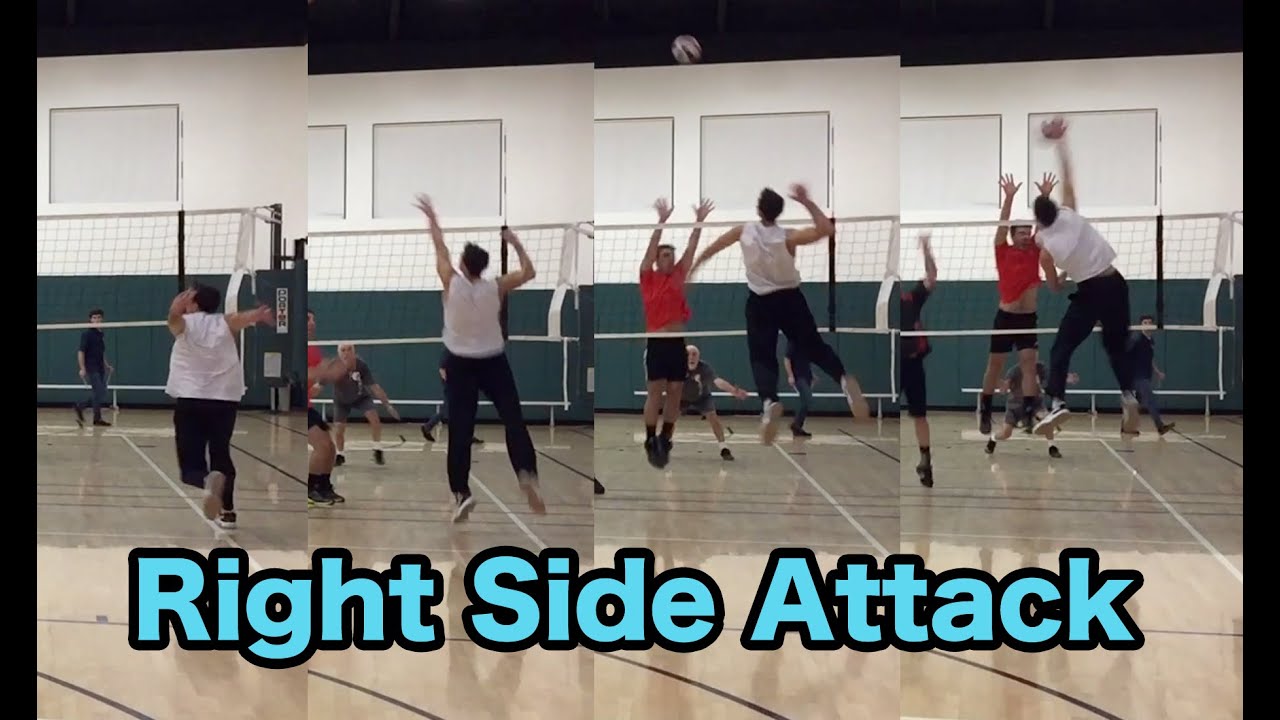
The opposite hitter is a primary attacker. They must be ready to hit from the right side of the court. Their attacks need to be powerful and well-placed. This player often takes high sets and delivers strong spikes. Timing and precision are key for effective hits.
Besides spiking, they also play a role in blocking. They must read the opponent’s setter and anticipate the attacks. Quick reflexes help them stop the ball at the net. This dual responsibility makes the position demanding but rewarding.
Defensive Tasks
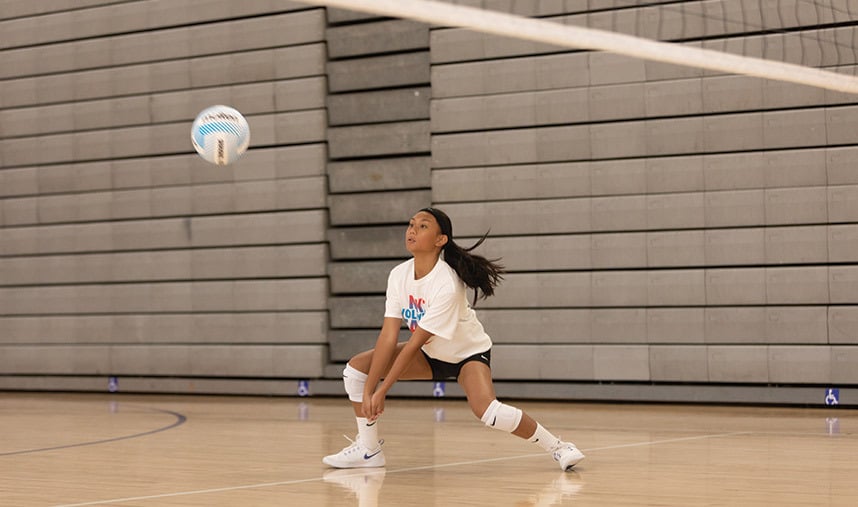
The opposite hitter also contributes to the team’s defense. They need to cover the right back area during rallies. Their job includes digging and passing. Quick movements and strong defensive skills are crucial here.
Positioning is vital in defense. They must always be ready to react. Their ability to read the game helps in making crucial saves. By staying alert, they support their teammates and maintain the team’s defensive strength.
Key Skills
The opposite hitter volleyball position demands diverse skills. Players in this role need to excel in both offensive and defensive plays. Mastering key skills ensures they can contribute effectively to their team’s performance.
Power Hitting
Power hitting is crucial for an opposite hitter. The ability to deliver strong spikes can overwhelm the opponent. Opposite hitters must practice their swing mechanics. Consistency in powerful hits keeps the defense on their toes.
Developing a powerful arm swing is essential. It helps in generating maximum force. Proper body positioning and timing are key elements. These aspects help in executing successful power hits.
Blocking Techniques
Blocking is another vital skill for an opposite hitter. Effective blocking can stop the opponent’s attacks. Opposite hitters must learn to read the setter’s cues. This helps them anticipate the direction of the spike.
Proper hand positioning is important in blocking. Hands should be firm and form a solid wall. Timing the jump correctly ensures maximum reach. Quick reactions and agility are also necessary for successful blocks.
Training Drills
Training drills are crucial for any volleyball player, especially for an opposite hitter. These drills help improve strength, agility, and overall performance on the court. Focusing on specific exercises can enhance your skills and make you a more effective player.
Strength Exercises
Strength is essential for an opposite hitter. Building muscle can improve your spikes and blocks. Start with basic exercises like push-ups and squats. These exercises work on multiple muscle groups. Add weightlifting to increase power. Focus on your legs, arms, and core. Deadlifts and bench presses are great options. Use resistance bands for added intensity. This helps in building explosive strength.
Agility Drills
Agility is just as important as strength. Quick movements are key in volleyball. Cone drills are a good start. Set up cones and practice moving around them. Change direction quickly to simulate game situations. Ladder drills improve footwork. Use a ladder on the ground and step in and out of the squares. Speed is important too. Short sprints can help. Practice running from one side of the court to the other. Do this quickly and repeatedly. This builds endurance and quickness.

Credit: www.youtube.com
Game Strategies
Hey friends, today we’re diving into some useful game strategies for the opposite hitter volleyball position. Whether you’re new to the game or looking to sharpen your skills, these tactics will help you play smarter and better. Ready to get started? Let’s go!
Attacking Tactics
Opposite hitters play a key role in attacking. Your main job? Scoring points. Here are some tactics to keep in mind:
- Mix Up Your Shots: Don’t be predictable. Use different angles and speeds. Keeps the defense guessing.
- Watch the Blockers: Keep an eye on the blockers. Aim for open spots or hit off the block.
- Tip and Roll: Sometimes, a soft touch can be more effective than a hard hit. Use tips and roll shots to outsmart the defense.
Remember, variety is key. I once saw a player who only used powerful spikes. Guess what? The defense caught on quickly. Don’t let that be you.
Defensive Formations
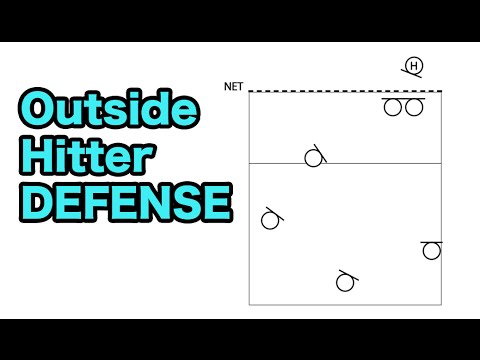
Defense is just as important as offense. As an opposite hitter, you need to be ready for anything. Here’s how you can set up your defense:
- Cover Your Blockers: Stay close to your blockers. If they miss, you’re the backup.
- Read the Opponent: Watch the setter and hitters. Anticipate their moves.
- Communicate: Talk to your teammates. Let them know if you see something they don’t.
One time, I didn’t communicate well with my team. We ended up losing a point we could have easily saved. Communication is crucial!
So there you have it, folks. Simple, straightforward strategies to improve your game as an opposite hitter. Keep practicing these tactics, and you’ll see improvement. Happy playing!
Communication
Communication is key in volleyball, especially for the opposite hitter. This player must work closely with teammates to ensure smooth gameplay. Clear communication can make the difference between a point won and a point lost. Let’s explore how communication plays a vital role for the opposite hitter.
Team Coordination
The opposite hitter must stay in sync with teammates. This requires constant verbal and non-verbal cues. During a match, the setter and opposite hitter need a strong connection. They must understand each other’s signals and intentions. This ensures that the ball gets set up perfectly for an attack. Effective team coordination leads to better performance and fewer errors.
Coordination also involves understanding each other’s strengths and weaknesses. By knowing this, the opposite hitter can adjust their play. This helps to maximize the team’s chances of scoring. Good team coordination creates a seamless flow on the court.
On-court Signals
On-court signals are essential for communication. These include hand signals and eye contact. Hand signals can indicate where the ball will be set. They can also show the type of play planned. The opposite hitter must pay close attention to these signals. This helps them prepare for the next move.
Eye contact is another vital signal. It can quickly convey important information. For example, the setter might use eye contact to show where they plan to set the ball. The opposite hitter must be alert and ready to respond. Understanding these signals can lead to quick and effective plays.
In conclusion, mastering communication is crucial for an opposite hitter. It involves team coordination and understanding on-court signals. With clear communication, the team can perform at its best.
Credit: www.youtube.com
Common Mistakes
Hey friends, today we are diving into some common mistakes made by opposite hitters in volleyball. This position is super important for the team. It requires skill and awareness. But even the best players can make mistakes. Let’s look at a few common errors and how to avoid them.
Positioning Errors
One of the biggest mistakes opposite hitters make is poor positioning. You need to be in the right spot to make a good play. If you’re too far from the net, you can’t block effectively. Too close? You risk getting tangled with the setter.
Here are some tips to fix positioning errors:
- Stay close to the antenna: This helps you cover more area and be ready for quick attacks.
- Watch the setter: Keep an eye on the setter to anticipate where the ball will go.
- Move your feet: Good footwork ensures you’re always in the right spot.
Timing Issues
Timing is everything in volleyball. If your timing is off, your attacks and blocks won’t be effective. It’s like trying to hit a baseball with your eyes closed. You might get lucky, but it’s not reliable.
Here are some common timing issues and how to fix them:
- Jumping too early: Wait until the ball is in your hitting zone. Jumping too early can lead to weak hits.
- Jumping too late: If you jump too late, you’ll miss the ball. Watch the setter’s hands to time your jump.
- Mismatched speed: Adjust your approach speed to match the setter’s tempo. This keeps your timing consistent.
Remember, practice makes perfect. Keep these tips in mind, and you’ll improve your game. I recently asked a coach about these mistakes, and he said, “It’s all about awareness and repetition.” So, stay aware and keep practicing!
Famous Opposite Hitters
The opposite hitter position in volleyball is vital for a team’s success. These players are versatile, capable of both attacking and blocking. Over the years, many have left a lasting impact on the sport. Here, we highlight some famous opposite hitters who have made a name for themselves.
Top Players
Several players have excelled in the opposite hitter role. They have thrilled fans with their skill and determination. Let’s take a look at some of the best.
Giba from Brazil is one such player. He is known for his powerful spikes and agility on the court. Giba’s exceptional performance has made him a household name in volleyball.
Max Holt from the United States also stands out. Holt’s ability to both attack and defend has made him a key player. His remarkable skills have earned him numerous accolades.
Career Highlights
Giba’s career is filled with achievements. He won three World Championships and two Olympic medals. His leadership on the court inspired many young players.
Max Holt has also enjoyed a successful career. He has several national titles and an Olympic bronze medal. Holt’s consistency and dedication have made him an invaluable team member.
Both Giba and Max Holt continue to inspire future generations. Their legacies in the opposite hitter position are secure. Aspiring players look up to them as role models.
Credit: www.ussportscamps.com
Improving Performance
Improving performance as an Opposite Hitter in volleyball requires dedication and focus. This role is crucial for both offensive and defensive plays. To excel, players need regular practice and strong mental toughness. Let’s explore how to enhance these areas.
Regular Practice
Regular practice is key to success. Start with basic drills to improve skills. Focus on hitting, blocking, and serving techniques. Consistent practice builds muscle memory. Work on footwork and positioning during each session. Group drills with teammates help in understanding team dynamics. Practice under game-like conditions to prepare for real matches.
Mental Toughness
Mental toughness is essential for an Opposite Hitter. Stay focused during high-pressure moments. Develop strategies to remain calm and composed. Visualization techniques can help in staying positive. Practice mindfulness to reduce stress and anxiety. Confidence grows with experience and mental preparation. Stay resilient and bounce back from mistakes quickly.
Frequently Asked Questions
What Does An Opposite Hitter Do In Volleyball?
An opposite hitter in volleyball attacks from the right side. They also block, serve, and play defense.
What Is The Hardest Position In Volleyball?
The libero position is often considered the hardest in volleyball. It requires exceptional defensive skills and quick reflexes.
What Is The Difference Between A Ds And A Libero In Volleyball?
A DS (defensive specialist) can substitute any player and play in any back-row position. A libero specializes in defensive skills, cannot serve, or attack, and wears a different color jersey.
Where Do You Put The Weakest Player In Volleyball?
Place the weakest player in the right back position. This spot often sees fewer attacks and serves.
Conclusion
The opposite hitter in volleyball plays a crucial role. They contribute to both offense and defense. Their versatility makes them vital to the team’s success. Understanding their position can enhance your appreciation of the game. Practice and dedication can help you improve in this role.
Stay focused, and you will see progress. Enjoy the journey of learning and playing volleyball.