How To Boost Your Speed And Reflexes In Volleyball: Expert Tips

Want to improve your volleyball game? Boosting speed and reflexes is key.
These skills help you react quicker and move faster on the court. Volleyball is a fast-paced sport that demands quick thinking and sharp movements. Whether you’re digging a tough spike or setting up a perfect pass, speed and reflexes make a huge difference.
Enhancing these attributes can elevate your game, making you a more formidable player. This guide will explore effective ways to train and improve your speed and reflexes. From specific drills to general fitness tips, you’ll find practical advice to help you become more agile and responsive during play. Ready to take your volleyball skills to the next level? Let’s dive in.
Warm-up Techniques
Warm-up techniques are essential for volleyball players. They help improve speed and reflexes. A proper warm-up prepares the body for intense activity. It reduces the risk of injuries. Incorporate these techniques into your routine for better performance on the court.
Dynamic Stretching
Dynamic stretching involves moving parts of your body. It helps increase flexibility and range of motion. Perform leg swings to loosen up your hips. Arm circles warm up your shoulders. High knees get your heart rate up. Butt kicks activate your hamstrings. These exercises prepare your muscles for quick movements.
Plyometric Exercises
Plyometric exercises boost your explosive power. They train your muscles to react quickly. Jumping jacks are a great start. Box jumps build leg strength. Lateral bounds improve side-to-side movements. Perform these exercises with proper form. Always land softly to protect your joints. These drills will enhance your agility and speed.
Strength Training
Strength training is vital for boosting speed and reflexes in volleyball. It enhances muscle power, endurance, and agility, helping you react faster and move swiftly on the court. This section will cover core workouts and leg strengthening exercises that can transform your game performance.
Core Workouts
A strong core stabilizes your body, allowing for quicker movements. Planks are excellent for building core strength. Hold a plank position for 30 seconds, then gradually increase the time. Side planks target the obliques, enhancing your lateral movements. Bicycle crunches work your abs and improve coordination. Perform 3 sets of 15 reps each. Include Russian twists to engage your entire core. Sit with your feet off the ground, twist your torso side to side. Do 3 sets of 20 twists.
Leg Strengthening
Strong legs are crucial for quick sprints and jumps. Squats are fundamental exercises for leg muscles. Stand with feet shoulder-width apart, lower your body by bending your knees. Do 3 sets of 15 reps. Lunges enhance balance and leg strength. Step forward with one leg, lower your hips, then return to the start. Perform 3 sets of 12 reps per leg. Calf raises boost your vertical jump. Stand on your toes, then lower your heels. Complete 3 sets of 20 reps. Box jumps improve explosive power. Jump onto a sturdy box, step down, and repeat. Aim for 3 sets of 10 jumps.
Agility Drills
Agility is key in volleyball. Quick movements and fast reflexes can make a huge difference. Agility drills are essential for improving speed and reaction times. These drills focus on footwork, coordination, and balance. Let’s explore some effective agility drills.
Ladder Drills
Ladder drills are great for enhancing foot speed and coordination. Place a ladder on the ground. Start with the basic in-and-out drill. Step in and out of each box quickly. Keep your knees slightly bent. Move swiftly but maintain control. You can also try the lateral shuffle. Move sideways through the ladder. This improves side-to-side agility. Another good drill is the crossover step. Step over each rung with a cross motion. This helps with quick direction changes.
Cone Drills
Cone drills improve agility and reaction time. Set up cones in a zigzag pattern. Practice weaving through the cones quickly. This enhances your ability to change direction fast. Another drill is the T-drill. Arrange cones in a T shape. Sprint to the first cone, then shuffle sideways. Touch each cone and return to the start. The 5-10-5 drill is also effective. Place three cones in a straight line. Sprint five yards, touch the cone, then run back. These drills build speed and agility for volleyball.

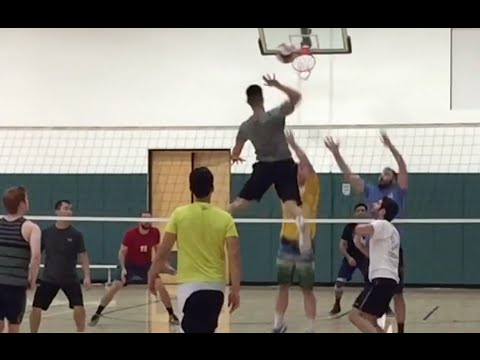
Credit: m.youtube.com
Reaction Time Exercises
Improving reaction time in volleyball can significantly boost your game performance. Quick reflexes are essential to respond to fast serves, spikes, and unexpected moves. Reaction time exercises can help sharpen these skills, making you a more effective player.
Ball Toss Drills
Ball toss drills are excellent for improving hand-eye coordination. Stand facing a wall, holding a volleyball in one hand. Toss the ball against the wall and catch it with the opposite hand. Repeat this exercise for several minutes, increasing your speed gradually. This will help you react faster to incoming balls during a game.
You can also try tossing the ball underhand and catching it with both hands. This variation helps improve overall reaction time and ensures you are ready for different types of plays.
Partner Reflex Drills
Working with a partner can make reflex drills more dynamic. Stand a few feet apart and have your partner toss the ball to you randomly. Your task is to catch the ball as quickly as possible. This drill simulates real-game scenarios, where the ball can come from any direction.
Another effective drill involves your partner holding two balls, one in each hand. They will drop one ball without any signal, and you must catch it before it hits the ground. This helps enhance your reflexes and prepares you for unexpected plays.
Speed Enhancement
Speed is crucial in volleyball. Quick movements can be the difference between winning and losing. Enhancing speed helps you reach the ball faster and react quicker. By focusing on specific drills, you can boost your speed effectively.
Sprint Intervals
Sprint intervals can improve your speed. Start by sprinting for 20 seconds. Rest for 40 seconds. Repeat this for 10 minutes. Increase the sprint time as you improve. Short, intense bursts of speed train your muscles to react quickly. This helps in fast-paced volleyball matches.
Resistance Running
Resistance running builds strength and speed. Use a resistance band around your waist. Attach the other end to a fixed object. Run forward, feeling the resistance. This strengthens your legs and core. Over time, this will enhance your running speed. Practice this drill twice a week for best results.

Credit: www.amazon.com
Nutrition Tips
Nutrition plays a crucial role in enhancing your speed and reflexes in volleyball. The right foods and hydration strategies can make a big difference. Let’s explore some effective tips to help you stay at the top of your game.
Energy-boosting Foods
To keep your energy levels high, eat complex carbohydrates. Foods like whole grains, brown rice, and sweet potatoes are great choices. They provide sustained energy for long matches.
Include lean proteins in your diet. Chicken, fish, and tofu help repair muscles. This is essential for quick recovery after intense games.
Don’t forget healthy fats. Avocados, nuts, and seeds provide long-lasting energy. They also support brain function and help improve reflexes.
Hydration Strategies
Staying hydrated is key for peak performance. Drink water regularly throughout the day. Aim for at least eight glasses daily.
During practices and games, drink small sips of water often. This helps maintain hydration without feeling bloated.
Consider sports drinks for long matches. They replace lost electrolytes and provide quick energy. Choose drinks low in sugar for the best results.
Monitor your hydration levels. Dark urine indicates dehydration. Clear or light yellow is a good sign of proper hydration.
Mental Training
Mental training is crucial for volleyball players wanting to boost speed and reflexes. It sharpens the mind and prepares it for quick decisions during matches. Mental exercises can make the difference between a good player and a great one.
Visualization Techniques
Visualization involves imagining yourself playing volleyball with perfect technique. Close your eyes and picture each move in detail. See yourself serving, spiking, and blocking. Imagine the ball’s trajectory and your body’s movement. This helps create muscle memory.
Practice this daily for a few minutes. Consistency is key. Visualizing success can improve your performance on the court. It builds confidence and prepares your mind for real-game scenarios.
Focus Exercises
Focus exercises enhance concentration and awareness. Try mindfulness meditation for a few minutes each day. Sit quietly and pay attention to your breathing. Clear your mind of distractions. This can help you stay present during the game.
Another useful exercise is the “Follow the Ball” drill. Watch videos of volleyball matches and concentrate on the ball’s movement. Track it with your eyes and predict its next move. This sharpens your focus and improves your reaction time.
Include these exercises in your routine. They enhance mental clarity and speed. Strong mental focus can lead to quicker reflexes on the court.
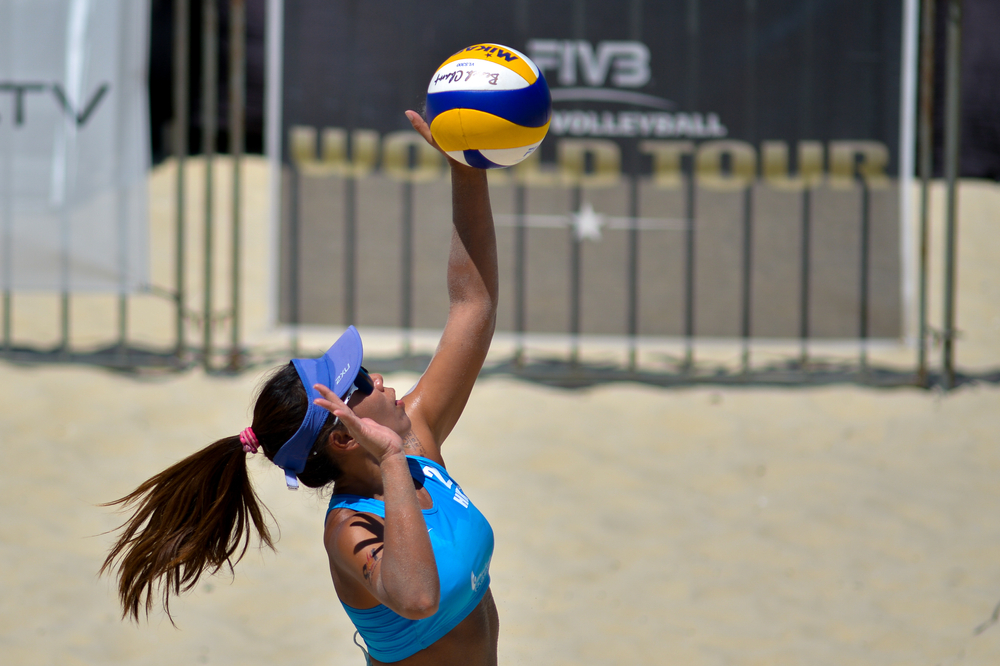
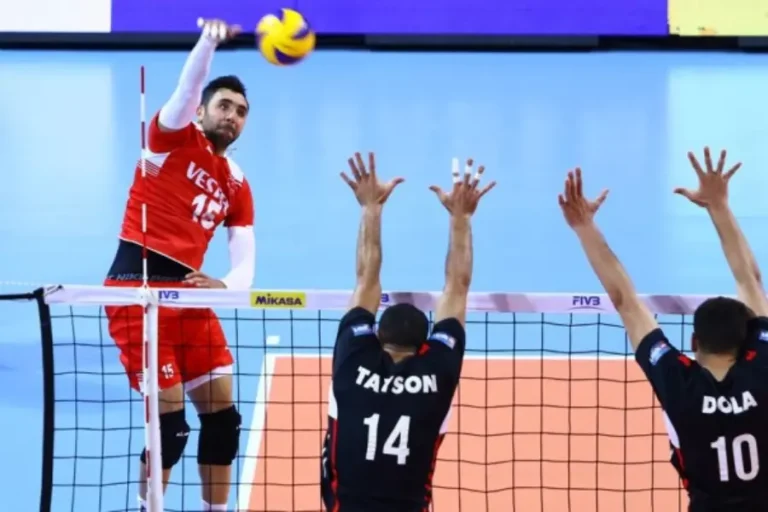
Credit: volleyballbeachozark.com
Consistent Practice
Improving speed and reflexes in volleyball requires consistent practice. Regular training helps you develop muscle memory. This leads to quicker reactions during games. Consistent practice also builds endurance. This is crucial for maintaining high performance throughout matches.
Daily Routine
Establish a daily routine to boost your volleyball skills. Start with a warm-up. This could include jogging or skipping. Follow this with dynamic stretches to prepare your muscles. Dedicate at least 30 minutes to specific drills. Focus on drills that improve speed and reflexes. Examples are agility ladders and quick footwork exercises. End your session with a cool-down. This helps prevent injuries and aids recovery.
Tracking Progress
Track your progress to stay motivated and improve. Keep a journal of your daily routines. Note down the drills you perform and their duration. Record your performance times and scores. This helps you see improvements over time. Use video recordings to analyze your technique. Compare your performance over weeks. This visual feedback can be very helpful. It shows areas needing more focus.
Frequently Asked Questions
How To Increase Reaction Speed In Volleyball?
Practice drills that enhance agility and reflexes. Focus on quick footwork, reaction time exercises, and hand-eye coordination. Consistent training improves speed.
How To Increase Speed For Volleyball?
To increase speed for volleyball, focus on agility drills, sprint training, plyometrics, proper warm-ups, and consistent practice.
How Can You Increase Reaction Speed And Reflexes?
Practice reaction drills regularly, play fast-paced video games, stay physically fit, get adequate sleep, and maintain a healthy diet.
How Does Volleyball Improve Reflexes?
Volleyball improves reflexes by requiring quick reactions to fast-moving balls. This constant practice enhances hand-eye coordination and agility.
Conclusion
Improving your speed and reflexes in volleyball takes practice and patience. Focus on drills that enhance agility and quick responses. Consistent practice helps you react faster during games. Remember to keep a balanced diet and stay hydrated. Proper rest is essential for muscle recovery and performance.
With dedication, you’ll notice improvement over time. Stay committed, and your efforts will pay off. Enjoy the game and keep pushing your limits.