What is a Legal Serve in Pickleball: Master the Basics

A legal serve in pickleball is a serve that follows specific rules. These rules ensure fairness and consistency in the game.
Pickleball has gained immense popularity in recent years. Whether you are a beginner or a seasoned player, understanding the serve rules is crucial. The serve sets the tone for each point. A legal serve can mean the difference between winning or losing a rally.
It involves specific techniques and guidelines. These include the stance, the paddle position, and the ball’s height at contact. Knowing these elements helps players avoid faults. In this blog, we will explore what makes a serve legal in pickleball. This knowledge will enhance your gameplay and ensure you play by the rules. Stay tuned to learn more.
Introduction To Legal Serve
Pickleball has gained popularity due to its simplicity and fun nature. One crucial aspect of the game is the serve. To play a fair game, understanding what constitutes a legal serve is essential. In this section, we will delve into the details of a legal serve in pickleball.
Importance Of Legal Serve
A legal serve ensures fairness and consistency in pickleball. It sets the tone for the rally and can impact the outcome of the game. A proper serve follows specific rules that every player must adhere to. Knowing these rules helps players avoid penalties and disputes.
Common Misconceptions
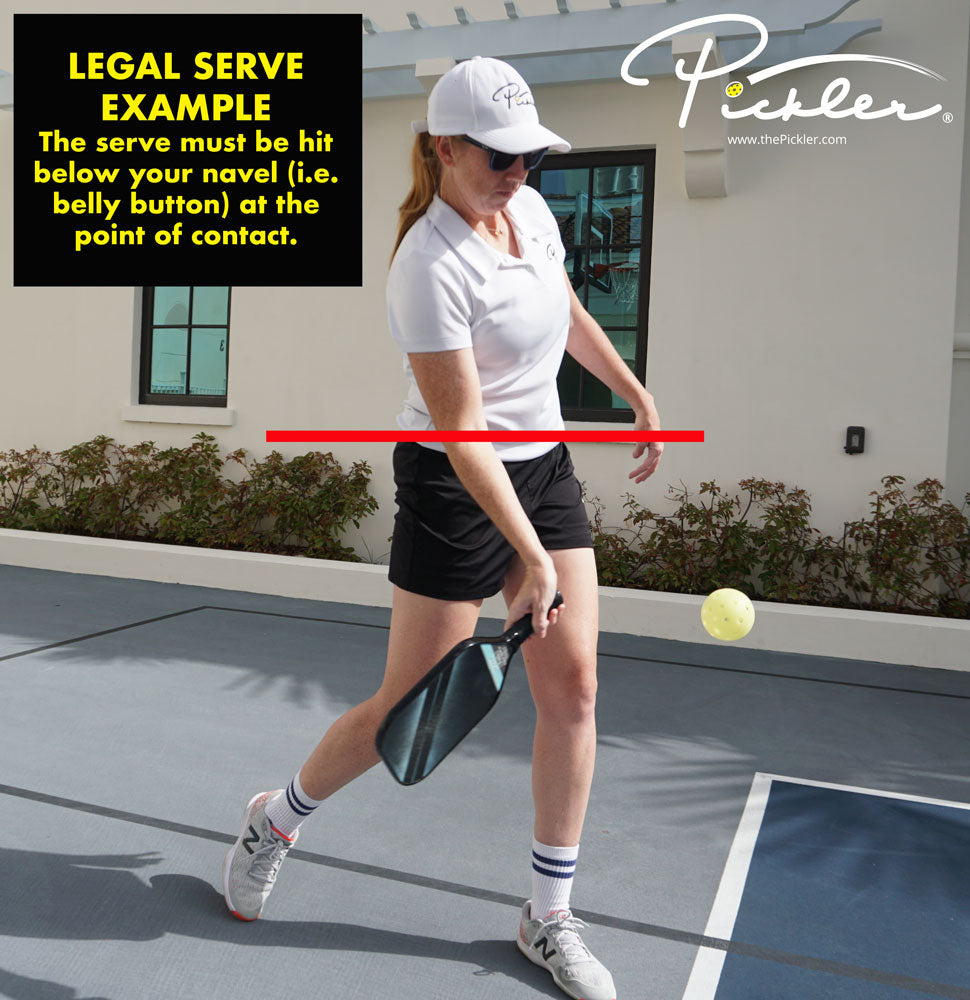
Many players believe that any serve that lands in the correct area is legal. This is not true. The serve must meet certain criteria to be considered legal. For example, the paddle must be below the waist when striking the ball. Another misconception is that the server can stand anywhere behind the baseline. In reality, the server must stay within the correct serving area.

Credit: www.youtube.com
Serving Rules
Serving in pickleball is essential. It sets the pace of the game. Understanding the serving rules ensures fair play. Below are the key aspects of serving in pickleball.
Court Position
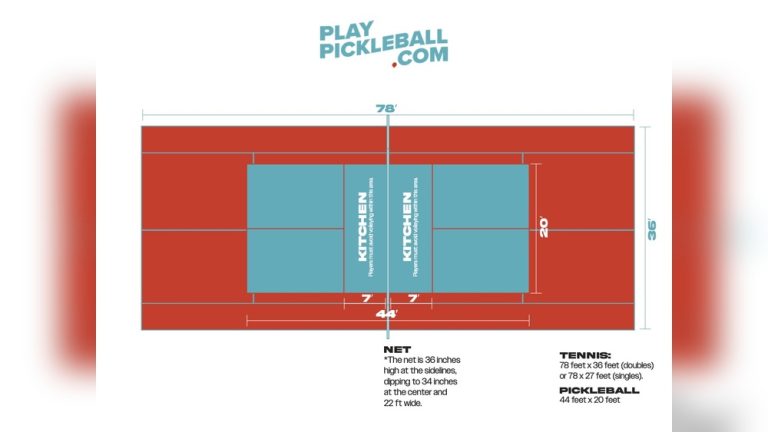
To serve, stand behind the baseline. Your feet should not touch the court. You can stand anywhere behind the baseline. You must be within the imaginary extension of the sidelines. The serve must go diagonally across the court. It should land in the opponent’s service box.
Service Motion
The serve must be underhand. The paddle must be below your waist. The ball should be struck below the waist level. The ball can be dropped from any height. The server cannot bounce the ball before hitting it. The serve should be smooth and continuous. No stopping or pausing once you start the motion. The ball should clear the net and not touch it. If it touches, it’s a fault.
Serve Techniques
Serve techniques are crucial in pickleball. Knowing the right serve can make a big difference in your game. Let’s dive into two popular types of serves: the underhand serve and the lob serve.
Underhand Serve
The underhand serve is the most common serve in pickleball. It is simple yet effective. Hold the paddle below your waist. Keep your arm straight. Swing the paddle forward. Contact the ball below your waist. This serve is easy to control. It allows for accuracy. Perfect for beginners.
Lob Serve
The lob serve is a strategic serve. It is used to push your opponent back. Hold the paddle below your waist. Hit the ball with an upward motion. Aim to send the ball high and deep. This serve can catch your opponent off guard. It gives you time to move into position. Best used sparingly for surprise.
Mastering these serve techniques can give you an edge in pickleball. Practice them regularly to improve your game.

Credit: betterpickleball.com
Faults And Violations
Understanding the faults and violations in pickleball is essential for fair play. A legal serve requires following specific rules. Breaking these rules can lead to faults and violations. These mistakes can give your opponent an advantage. Let’s explore two common types of faults: foot faults and service line violations.
Foot Faults
A foot fault happens if the server’s feet are not behind the baseline. Both feet must stay behind the baseline until the ball is hit. If a server steps on or over the line, it counts as a foot fault. This gives the opponent a point.
Service Line Violations
Service line violations occur when the serve does not land in the correct area. The ball must land in the diagonally opposite service court. If it lands outside this area, it is a service line violation. This mistake results in a fault, and the opponent gets a point.
Strategies For Effective Serves
Understanding the strategies for effective serves in pickleball can give you a significant advantage. A well-placed serve can set the tone for the entire rally. It can put your opponent on the defensive right from the start. Below are some key strategies to enhance your serving game.
Placement And Spin
Mastering the placement of your serve is crucial. Aim for the corners of the service box. This forces your opponent to move and creates openings for your next shot. Experiment with different placements to keep your opponent guessing.
Spin adds another layer of difficulty for your opponent. A topspin serve can make the ball bounce higher. A slice serve can cause the ball to move sideways. Mixing in spin serves with flat serves adds unpredictability.
Speed And Control
A serve with good speed can put your opponent on the back foot. But, control is even more important. A fast serve that goes out of bounds is useless. Focus on hitting your target area consistently.
Start with a slower, controlled serve. Gradually increase your speed as you get more confident. Remember, a well-placed serve with moderate speed is often more effective than a fast, wild serve.
Here is a quick comparison of different serve types:
| Serve Type | Key Feature | Best Use |
|---|---|---|
| Topspin Serve | High Bounce | Against Defensive Players |
| Slice Serve | Sideways Movement | Against Aggressive Players |
| Flat Serve | Direct and Fast | To Surprise Opponents |
Focus on improving your serve with these strategies. Over time, your serve will become a powerful weapon. Practice regularly and observe the results. You will notice a significant improvement in your game.
Practicing Your Serve
Practicing your serve is essential for success in pickleball. A good serve can set the tone for the game. Regular practice will improve your accuracy and control. Let’s explore some drills and tips to help you perfect your serve.
Drills And Exercises
Drills are crucial for developing a consistent serve. Here are some effective exercises:
- Target Practice: Place targets on the opposite side of the court. Aim to hit them consistently. This improves your aim and precision.
- Repetition Drills: Serve from the same spot multiple times. Focus on form and technique. This helps build muscle memory.
- Shadow Serves: Practice serving without a ball. Focus on your swing and follow-through. This enhances your muscle memory.
Consistency Tips
Consistency is key in pickleball. Here are some tips to help you stay consistent:
- Keep a Routine: Develop a pre-serve routine. It helps maintain focus and consistency.
- Stay Relaxed: Tension can affect your serve. Stay relaxed and breathe deeply.
- Focus on Technique: Pay attention to your form. Proper technique leads to consistent serves.
- Practice Regularly: Consistent practice is vital. Aim for regular, focused practice sessions.
Remember, a legal serve in pickleball requires practice and consistency. Use these drills and tips to improve your serve and gain an advantage on the court.
Common Mistakes To Avoid
Learning to serve correctly in pickleball is essential. Many players make common mistakes that can be easily avoided with proper technique and awareness. Understanding these mistakes can improve your serve and overall game.
Improper Grip
One common mistake is having an improper grip. Holding the paddle too tight can reduce control and power. An incorrect grip can lead to inaccurate serves. Make sure your grip is firm but relaxed. This allows for better maneuverability and precision. Practice holding the paddle correctly to develop muscle memory.
Incorrect Stance
Another frequent error is adopting an incorrect stance. Standing too close or too far from the baseline can affect your serve’s effectiveness. Your feet should be shoulder-width apart. Your body should face the net. Balance is key. Shift your weight from the back foot to the front foot as you serve. This motion adds power to your serve.
Credit: thepickler.com
Frequently Asked Questions
What Is A Legal Serve In Pickleball?
A legal serve in pickleball involves hitting the ball underhand with the paddle below the waist. The serve must land in the diagonally opposite service court.
How To Execute A Legal Pickleball Serve?
To execute a legal pickleball serve, stand behind the baseline, hit the ball underhand, and ensure it clears the net.
What Are The Pickleball Serve Rules?
Pickleball serve rules require the ball to be hit underhand, below the waist, and the serve must land in the correct service court.
Can You Serve Overhand In Pickleball?
No, serving overhand in pickleball is not allowed. All serves must be executed with an underhand motion.
Conclusion
Mastering a legal serve in pickleball is essential for fair play. Stick to the rules, and your game will improve. Remember, consistency is key. Practice your serve regularly. Watch others play and learn from their techniques. Stay patient and keep refining your skills.
Enjoy the game, and have fun on the court. Happy playing!